Respect for Tradition and Heritage, While Embracing Innovation:
French cuisine is deeply rooted in tradition, with many classic dishes still celebrated and prepared with pride. However, chefs also demonstrate a desire to innovate and push culinary boundaries.
Jean Sulpice at his high-altitude restaurant faced the challenge that “no one had ever cooked in a ski resort at an altitude of 2,300 metres before,” showcasing his innovative spirit. He also speaks of recipes emerging over time, sometimes “a day, a week or a year.”
Jean-Marie Gautier notes the “love story” he had with the Hotel du Palais and the region, indicating a respect for the institution’s history.
Michel Troisgros carries on a three-generation tradition.
Gérald Passédat made his grandfather and father’s dream of three Michelin stars a reality but also found “my own culinary path.”
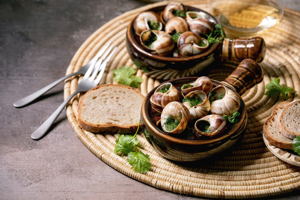
The “French Regional Cuisine” blog mentions that “unlike some cultures which have left some dishes in the past, the French are proud of their culinary history and embrace the unusual ingredients of yester year,” exemplified by the discussion of escargots.
The “French Cuisine | France | Cultural Flavors” excerpt distinguishes between “Nouvelle Cuisine” (fine dining as art form) and “simple homely cooked meal,” both valued aspects of French food culture.
The Importance of Technique and Skill:
While ingredients are crucial, the skill and technique employed in preparing them are equally vital in French cuisine.
Jean-Pierre Royer in the Alps highlights the unique challenges of cooking at high altitude, where “water doesn’t boil at 100 degrees,” requiring greater rigor.
Gérald Passédat emphasizes the “endless questioning to arrive finally at a meal” and the need to “consolidate” and be consistently good.
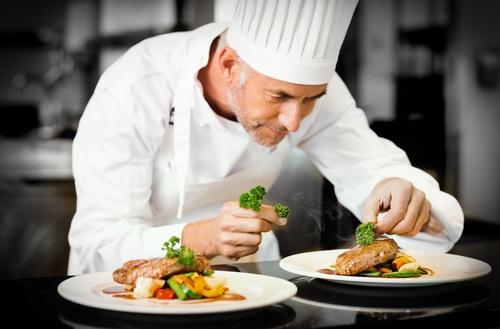
Michel Troisgros speaks of playing with “flavors and try and combine flavors that go together, textures that resemble or contrast with one another, different temperatures, different colors too because the look is very important in a composition.”
The “French Cuisine | France | Cultural Flavors” excerpt notes that although French food is “often rich and seemingly exotic, it’s the preparation of the dishes that have forged this reputation, not the ingredients.” The step-by-step guide to Crème Caramel illustrates the importance of precise timing and technique.
Regional Diversity as a Defining Characteristic:
France’s varied geography, history, and culture have resulted in a remarkably diverse culinary landscape, with each region boasting its own unique specialties and ingredients.
The “5 Michelin-star chefs” excerpt travels through the Alps, the Basque Country, Provence (Marseille), and central France, showcasing the distinct culinary identities of each area.
The “French Regional Cuisine” blog is entirely dedicated to highlighting the specific characteristics and iconic dishes of various French regions, from Normandy’s seafood and dairy to Burgundy’s rich meat dishes and Provence’s Mediterranean flavors. It explicitly states, “French regional cuisine varies widely due to local culture, history, and produce.”
The “The BEST French Food – What to Eat in France” video acknowledges that “every region has their own specialty,” using Normandy and Nice as examples.
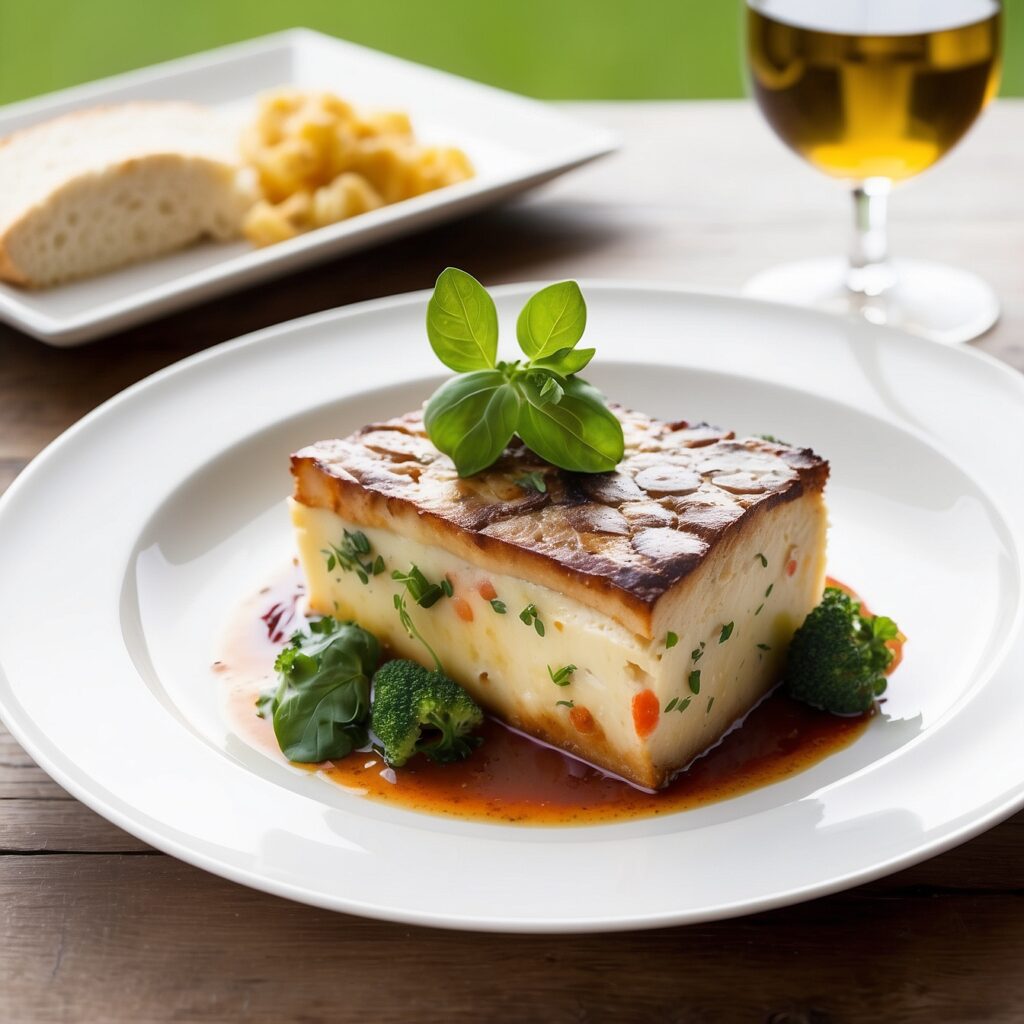
The Dauphinoise soup is presented as a regional specialty from the Dauphiné area.
Food as a Cultural and Social Experience:
Eating in France is portrayed as more than just sustenance; it is a social activity, a source of pride, and a way to connect with culture and heritage.
The “French Cuisine | France | Cultural Flavors” excerpt emphasizes the “passion and time they show for their cooking and their love for eating” and notes the abundance of food shops as an indication of time spent around the dinner table.
Jean Sulpice’s anecdote about his wife’s passion for wine and their local pairings demonstrates the integration of food and drink within the culture.
Jean-Marie Gautier’s desire to cook “as though you were cooking for yourself” suggests a personal and heartfelt approach to food.
Olivier Roellinger’s Les Maisons de Bricourt is described as aiming to bring a house back to life by “filling it with happiness and rich encounters,” suggesting a social and experiential dimension to his cuisine.
The “The BEST French Food – What to Eat in France” video touches upon the experience of dining in Paris, including the pace of meals and the importance of reservations.
The Chef’s Personal Connection and Passion:
The chefs featured in the sources express a deep personal connection to their craft, driven by passion, creativity, and a desire to create exceptional culinary experiences.
Jean Sulpice speaks of “free reign to his imagination” and constantly challenging himself: “I always want to do more, go further, do better. It’s never good enough.”
Jean-Pierre Royer describes his recipes as coming “from me, from the heart.”
Jean-Marie Gautier emphasizes the importance of cooking “from the heart.”
Gérald Passédat states that his cuisine “comes from my inner self. It’s my instinct is to find a way to glorify the fish.”
Olivier Roellinger describes cooking as “a way of casting off and expressing the spirit of adventure.”
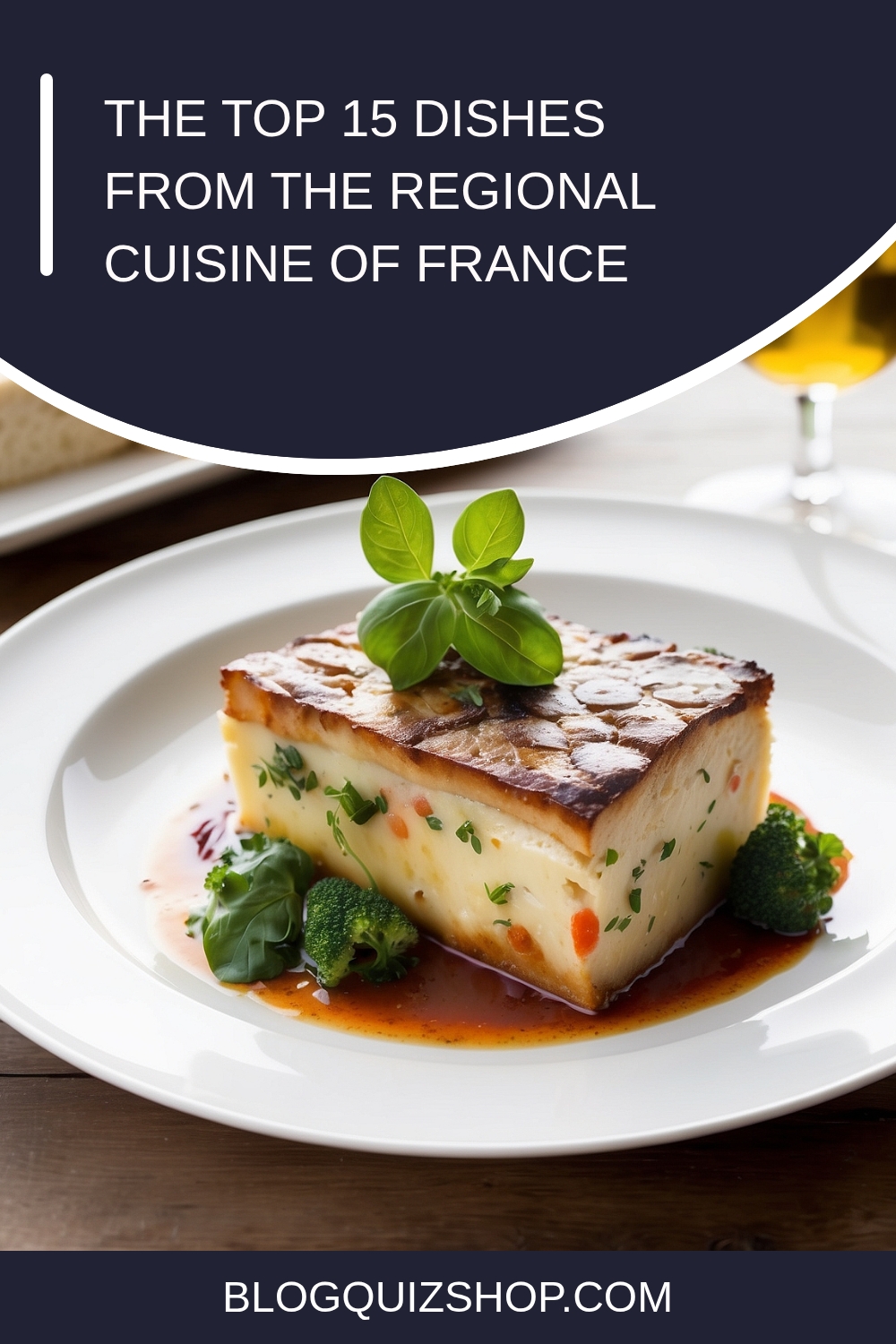
The Top 15 dishes from the Regional Cuisine of France
The sources mention numerous iconic French dishes, often within the context of their respective regions:
Alps: Regional delicacies based on local produce.
Basque Country: Basque pork dishes.
Marseille (Provence): Bouillabaisse.
Burgundy: Coq au Vin, Bœuf Bourguignon, Escargots de Bourgogne.
Normandy: Moules à la Normande, Tarte Normande, Marmite Dieppoise.
Brittany: Bouchot Mussels, Breton Galettes, Crêpes, Cotriade.
Lorraine: Quiche Lorraine.
Provence-Alpes-Côte d’Azur: Ratatouille, Salade Niçoise.
Occitanie: Cassoulet.
Loire Valley: Andouillettes, Rillettes, Crottin de Chavignol, Valençay.
Paris: Croque Monsieur, Steak Tartare, Hachis Parmentier, Steak Frites, French Onion Soup, Crêpes.
Nord-Pas-de-Calais: Carbonnade Flamande, Ficelle Picarde.
Alsace: Choucroute Garnie, Tarte Flambée, Baeckeoffe, Foie Gras.
Rhône-Alpes: Gratin Dauphinois, Fondue Savoyarde, Raclette.
Dauphiné: Dauphinoise Soup (without potatoes).
Regional Cuisine of France and the Culinary Elements:
Certain ingredients, preparations, and concepts are repeatedly emphasized:
Herbs: Parsley, chives, tarragon, chervil (“fines herbes”), rosemary, thyme, basil, marjoram, fennel, sage, bouquet garni, herbes de Provence.
Butter and Cream: Frequently used, especially in Normandy and desserts.
Wine: Integral to cooking (Coq au Vin, Bœuf Bourguignon) and dining, with regional specialties.
Cheese: A vast variety, with the Loire Valley noted for goat cheese.
Seafood: Abundant in coastal regions, prepared in diverse ways (stews, raw).
Bread: Baguettes, croutons, and as an accompaniment to soup.
Sauces: Important for enhancing flavors.
Conclusion:
The Regional Cuisine of France is a multifaceted picture of French cuisine. It is a culinary world deeply invested in the quality and origin of ingredients, respectful of long-standing traditions yet open to innovation, and characterized by a remarkable regional diversity. Beyond the technical skills and exquisite flavors.
Regional Cuisine of France is presented as a cultural touchstone, an expression of passion, and a source of social connection and enjoyment. The emphasis on fresh, local produce and the personal connection of chefs to their craft underscore the enduring appeal and global influence of French gastronomy.


 Cart is empty