Contact us: ww@blogquizshop.com

Blog Quiz Shop
Home of Blogs Quizzes and Shops
 Cart is empty
Cooking With Spices 15 Flavorful must have Spices
Warning: Undefined array key "attribution" in /home/u528323978/domains/blogquizshop.com/public_html/wp-content/plugins/pin-generator/frontend/pin-generator-insert-pins.php on line 15






What Are Spices?
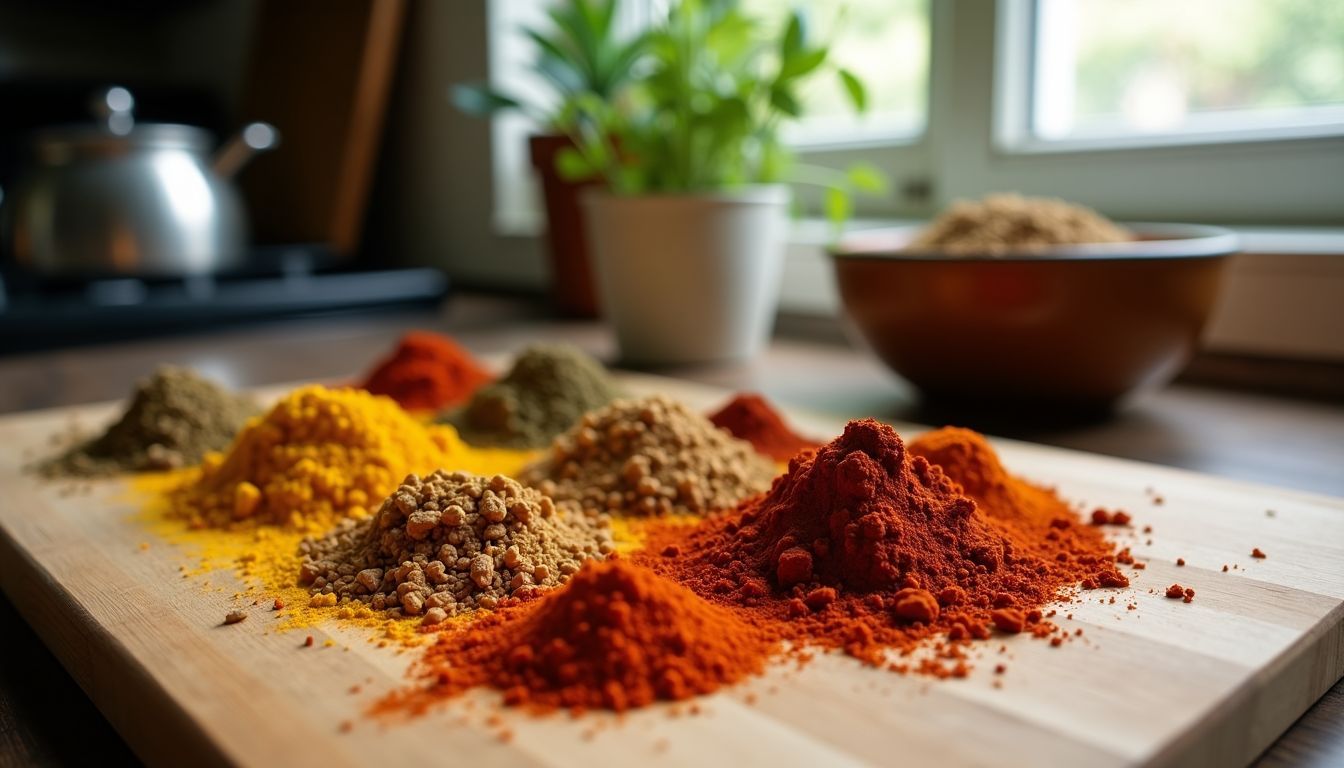
Spices are plant parts like seeds, roots, and bark used to flavor food. When cooking with Spices they add depth, aroma, and vibrant character to dishes.
Definition and Types of Spices
Spices are dried parts of plants like seeds, bark, roots, or fruits. They give food aroma, flavor, and color without adding salt or sugar. Common examples include cinnamon (from tree bark), turmeric (from a root), and black pepper (from berries).
These natural ingredients have been essential in cooking for centuries.
There are different types of spices: whole spices like cloves and cardamom; ground spices such as paprika or cumin powder; and blends like Indian garam masala or Middle Eastern za’atar.
Each offers unique ways to enhance dishes with bold tastes or subtle hints.
Difference Between Herbs and Spices
Herbs and spices may seem similar, but they come from different parts of plants. Herbs are the leafy, green parts—like basil, cilantro, or parsley—often used fresh or dried. Spices are made from seeds, bark, roots, or fruits of plants.
Examples include cinnamon (bark), turmeric (root), and cumin (seeds).
In cooking, herbs bring a light and fresh taste to dishes. But when cooking with Spices they tend to add bold flavors and warmth. For example, rosemary enhances roasted meats with an earthy aroma while paprika transforms meals with vibrant color and smokiness.
Stronger spices work well in slow-cooked recipes since their flavors deepen over time.
Why Spices Are Essential in Cooking
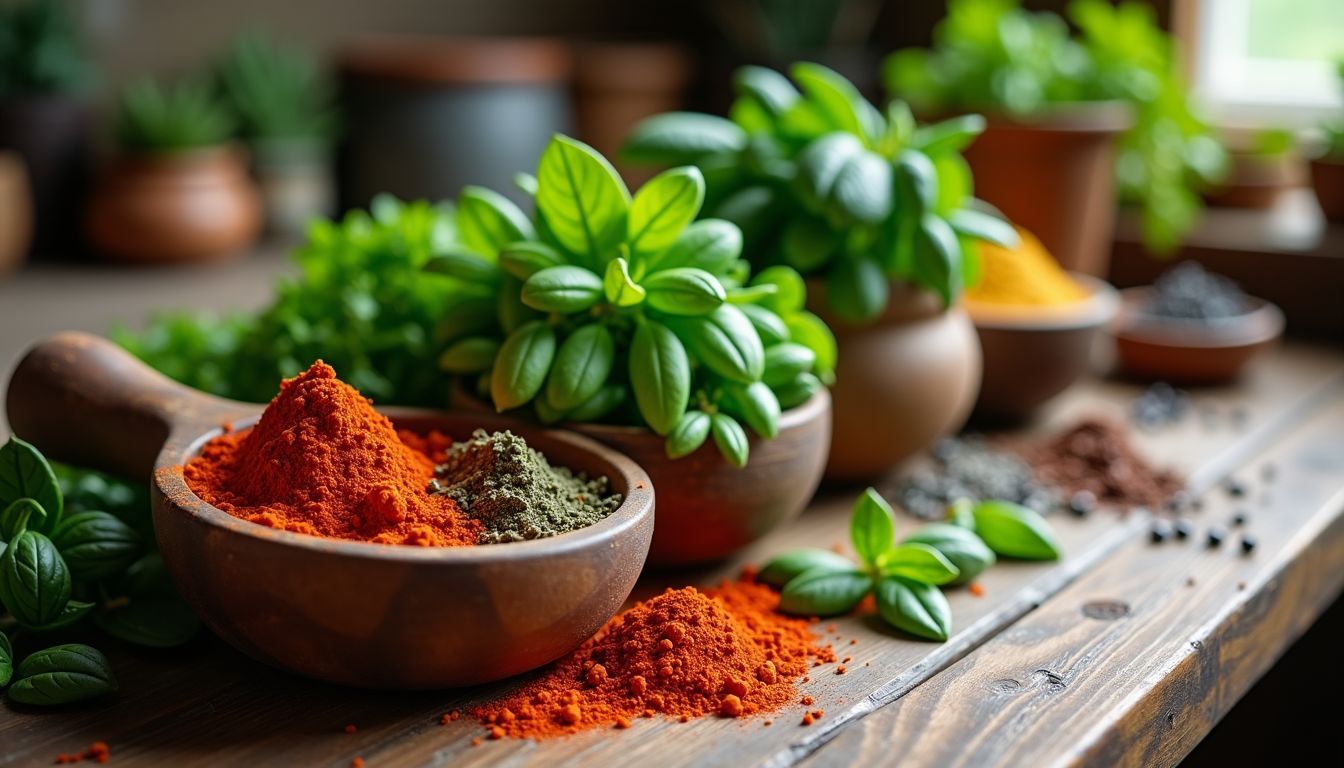
Cooking with Spices can bring life to any dish, transforming plain ingredients into something memorable. They add layers of flavor and create a sensory experience that excites the taste buds.
Cooking with Spices Adds Flavor and Aroma
Cinnamon, basil, and cilantro can turn any dish from bland to grand. These spices bring bold flavors while boosting aromas that excite the senses. A pinch of turmeric enhances taste and adds a warm golden color to foods like soups or rice.
Cooking with these ingredients reduces the need for salt, making meals healthier without losing flavor.
To get the best results, match cooking methods with spice strength. Long-cook dishes like stews benefit from hearty options like bay leaves or cloves. Lighter recipes—like salads—work well with fresh herbs such as parsley or dill.
The right mix transforms ordinary food into unforgettable meals full of depth and character!
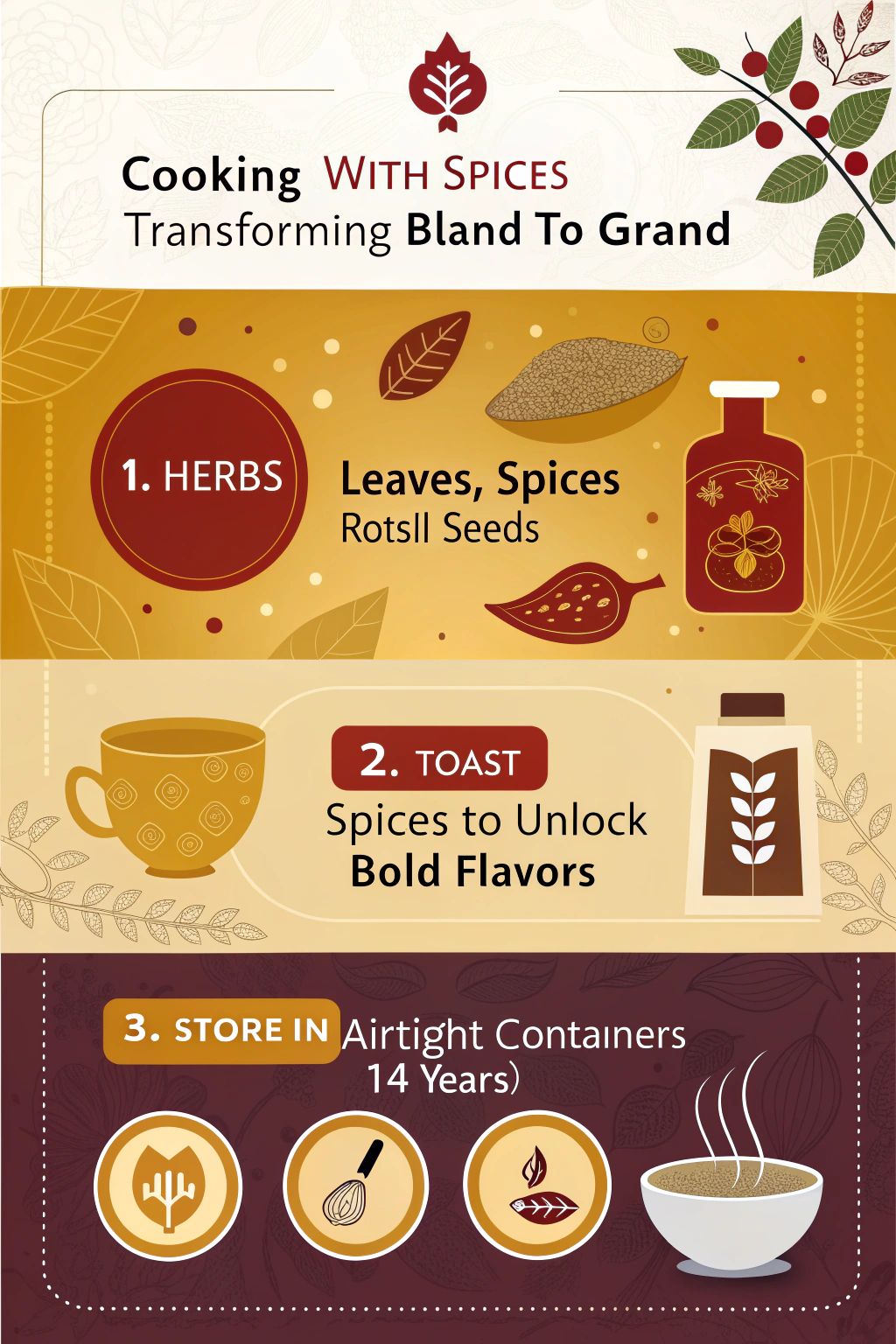
How to Start Your Spice Journey
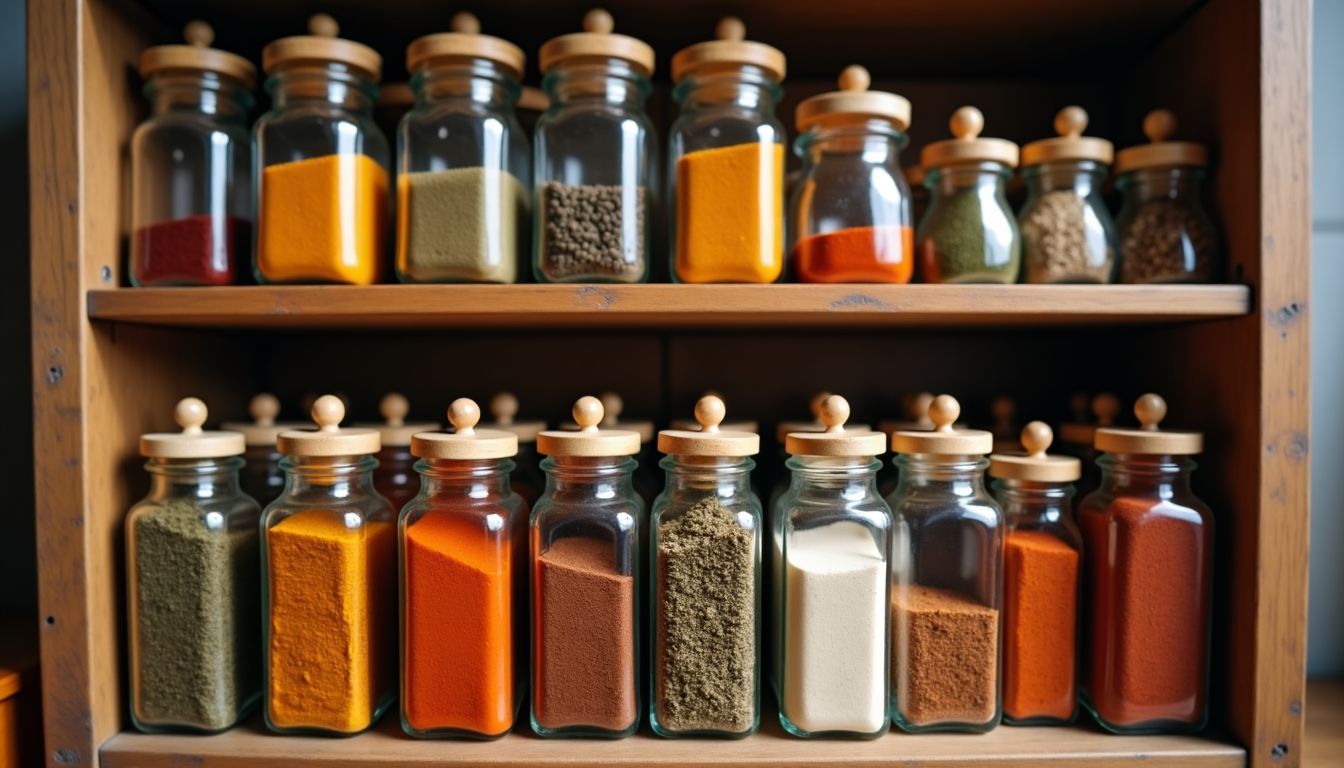
At the beginning, cooking with spices can feel exciting and easy. Focus on stocking a few key ones to create a solid foundation for different dishes.
Must-Have Spices for Beginners
Cooking with spices can seem tricky at first. A beginner’s spice rack does not need to be overwhelming. Start small and build as you grow more confident.
- Salt and Black Pepper
These are kitchen staples for a reason. Salt enhances flavors, and black pepper adds a mild kick to dishes like soups, salads, and meats. - Cinnamon
This sweet spice works wonders in baked goods, oatmeal, and even curries. It adds warmth while enhancing natural sweetness. - Turmeric
Known for its bright yellow color, turmeric is earthy and slightly bitter. Use it in rice, soups, or stews to add depth and health benefits like reducing inflammation. - Paprika
Mild paprika brings a smoky or sweet flavor based on the type you choose. Sprinkle it on roasted veggies or grilled meats for bold color and taste. - Garlic Powder
For a savory punch without chopping fresh garlic, use garlic powder in marinades, rubs, or sauces. - Ground Cumin
This earthy spice provides depth to Mexican dishes like tacos and Indian curries alike. Its nutty profile pairs well with beans and meats. - Chili Powder
Perfect for adding just the right amount of heat to stews, chilis, or even eggs—it’s versatile across cuisines like Latin American meals or BBQ rubs. - Dried Basil
Basil is delicate yet flavorful—ideal for Italian classics like pasta sauces or pizza toppings. - Oregano
Often paired with basil, oregano has a strong aroma that enhances tomato-based dishes like spaghetti sauce or Greek salads. - Ground Ginger
With both sweetness and spice notes, ground ginger works well in savory stir-fries or sweet desserts like cookies. - Nutmeg
A pinch of nutmeg goes far—it complements creamy dishes such as mac & cheese or mashed potatoes beautifully! - Crushed Red Pepper Flakes
Add these for extra heat on top of pizzas or in pastas; they’re also great in soups needing a spicy edge. - Coriander Powder
Sweet with hints of citrusy zest—use this mild seasoning in Asian stir-fries or dressings for added layers of flavor. - Bay Leaves
Ideal for slow-cooked recipes such as stews or broths; bay leaves infuse subtle herbal notes over time during simmering processes. - Thyme (Dried)
Thyme gives recipes an herby lift that fits everything from roasted chicken to vegetable medleys perfectly without overpowering them!
Having these essential spices nearby can elevate basic recipes effortlessly while keeping options open across multiple global cuisines!
Building a Versatile Spice Rack
A spice rack can transform any kitchen into a flavor-packed paradise. It helps organize spices and keeps them fresh for longer use.
- Start with essential spices like salt, black pepper, garlic powder, and onion powder. These are staples in most American households.
- Include sweet spices such as cinnamon and nutmeg to enhance baking and dessert recipes.
- Add earthy spices like cumin and turmeric for depth in soups or stews. Turmeric also has anti-inflammatory benefits.
- Keep bold, spicy options like cayenne pepper or crushed red chili flakes on hand for heat lovers.
- Stock aromatic spices such as cloves, cardamom, and star anise to enrich teas or marinades.
- Choose whole spices like coriander seeds, bay leaves, and mustard seeds—they last longer than ground versions.
- Buy pre-made spice blends like za’atar, garam masala, or adobo seasoning for easy access to global flavors.
- Store spices in airtight glass jars to preserve freshness longer; avoid keeping them near heat or sunlight.
- Stick with small quantities at first since ground spices lose flavor quickly—use within 6-12 months.
- Rotate stock often by labeling jars with purchase dates; toss stale ones that lack aroma or color.
Storing Spices for Maximum Freshness
When cooking with Spices, proper storage keeps spices fresh and flavorful for months. Poor storage can ruin their taste and aroma fast.
- Keep spices in airtight containers to prevent moisture from seeping in. Glass jars with tight lids work best.
- Store them in a cool, dark place like a pantry or cabinet. Avoid heat and direct sunlight, which can weaken their flavor.
- Label all containers with purchase dates to track freshness easily. Most ground spices last about 1-2 years; whole spices can last up to 4 years.
- Avoid storing them near stoves, dishwashers, or windows where temperature changes happen often. Heat causes oils in spices to break down quickly.
- Never sprinkle directly from the container into cooking pots. Steam can cause clumping and spoil the rest of the spice.
- Choose whole spices when possible for longer shelf life and stronger flavor retention compared to pre-ground varieties.
- Freeze extra-large quantities of rarely-used spices in resealable bags wrapped tightly for even longer preservation without quality loss.
- Use small testing amounts from each jar annually to ensure they still smell and taste fresh before using them in recipes again.
Keeping your spice rack fresh is key—now learn techniques to bring out their boldest flavors!
Understanding Flavor Profiles
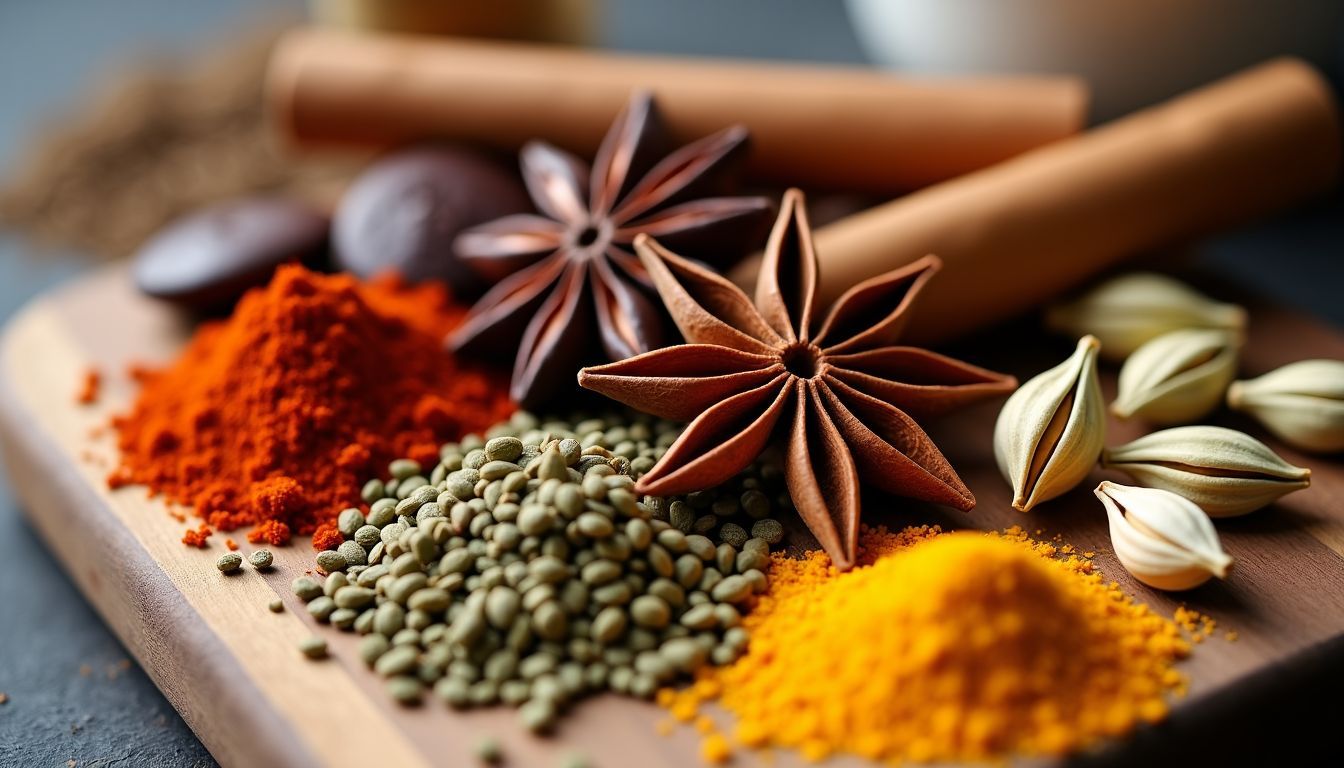
When cooking with Spices, the flavors in spices can change a dish completely. Each spice has its own taste, smell, and way to shine in food—making every meal unique.
Sweet Spices: Adding Warmth and Sweetness
Cinnamon, nutmeg, and allspice bring cozy warmth to dishes. These sweet spices enhance natural flavors without extra sugar. For instance, cinnamon pairs well with baked goods, oatmeal, or even coffee for a richer taste.
Using these spices can also cut down on added sugars when combined with natural sweeteners like honey or maple syrup. A pinch of nutmeg in creamy soups or mashed potatoes creates depth and sweetness.
Sweet spices work wonders in savory recipes too—think Moroccan stews flavored with cinnamon.
Spicy Spices: Bringing the Heat
After sweet spices warm the heart, spicy spices ignite the senses. These bold flavors elevate dishes, bringing sharp heat that ranges from mild tingles to fiery bites. Chili peppers like cayenne and paprika pack a punch in sauces and rubs, while black pepper adds controlled warmth to soups or steaks.
Spicy spices also boost metabolism and digestion, making them not just flavorful but functional. Indian curries use garam masala for layered spice profiles. Latin American dishes often feature chipotle or habanero for their smoky heat.
Correct balance is key—too much can overpower; too little leaves blandness behind.
Earthy Spices: Providing Depth
Earthy spices add warmth and richness to dishes when cooking with Spices. These spices, like cumin, turmeric, and coriander, create a grounding base that blends other flavors harmoniously. They are perfect for hearty meals like soups, stews, or roasted vegetables.
Cumin brings a smoky note to chili. Turmeric adds an earthy tang while giving dishes a golden hue.
Long cooking times suit these spices well. Slow-cooked curries or braised meats absorb their full depth of flavor. Earthy spices enhance taste while also making food visually appealing with warm tones of yellow and brown.
Using them thoughtfully transforms simple recipes into bold culinary statements.
Aromatic Spices: Stimulating the Senses
After earthy spices, aromatic ones bring a fresh and lively touch when cooking with Spices. These spices awaken the senses with their fragrant oils. Cinnamon, cardamom, and cloves are classic examples. Their sweet yet bold aroma can transform desserts, teas, or even savory dishes into something unforgettable.
Adding these spices while cooking releases their essential oils. Toasting cinnamon sticks or blooming star anise in oil boosts both smell and flavor. These simple steps create deeper layers of complexity in food without extra effort—proving why they’re staples for home cooks and pros alike!
Cooking with Spices and Popular Spice Blends
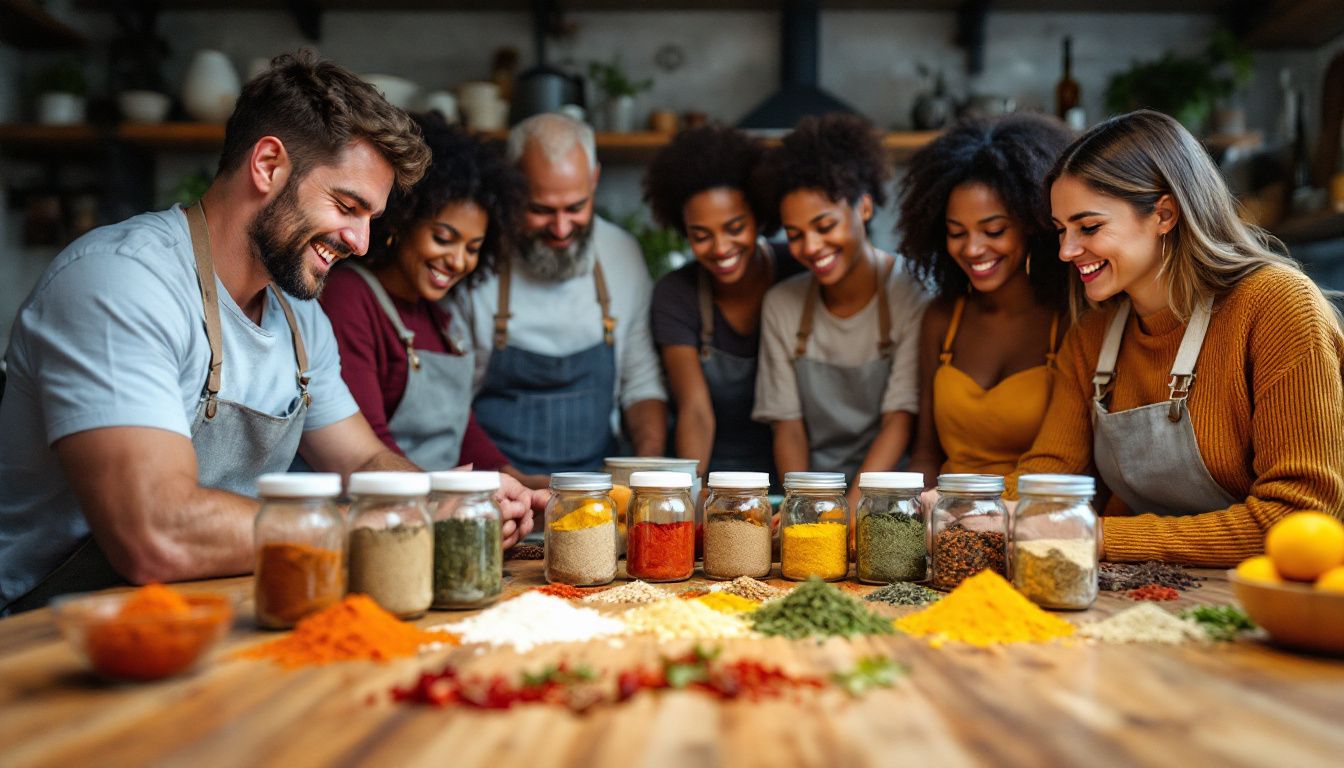
Spice blends when cooking with Spices are magical combinations used in kitchens around the world. They bring complex flavors to dishes, turning simple meals into unforgettable experiences.
Indian Masalas
Indian masalas are spice blends that bring depth and variety to dishes. These mixes often combine earthy spices like cumin, turmeric, and coriander with warm notes of cinnamon or cloves.
They can be sweet, spicy, or aromatic—crafted for any dish. Garam masala is a famous example; it adds warmth without heat. Another favorite is chaat masala, which has a tangy kick from dried mango powder.
Masalas are versatile and easy to use in soups, curries, grilled meats, or even snacks. Toasting them first enhances their full flavor potential. Their layered taste transforms food from bland to exciting in seconds while adding vibrant color too!
Middle Eastern Za’atar
Za’atar is a bold, fragrant Middle Eastern spice mix. It combines earthy spices like sumac and thyme with nutty sesame seeds and salt. Some versions add oregano or marjoram for extra depth.
This blend transforms baked goods, meats, and vegetables into flavorful dishes.
Sprinkle Za’atar over flatbreads drizzled with olive oil for a classic treat. Mix it into yogurt as a dip or rub it on roasted chicken to add warmth and richness. Its versatility makes it popular in many households looking to explore Middle Eastern flavors.
Tips for Cooking with Spices
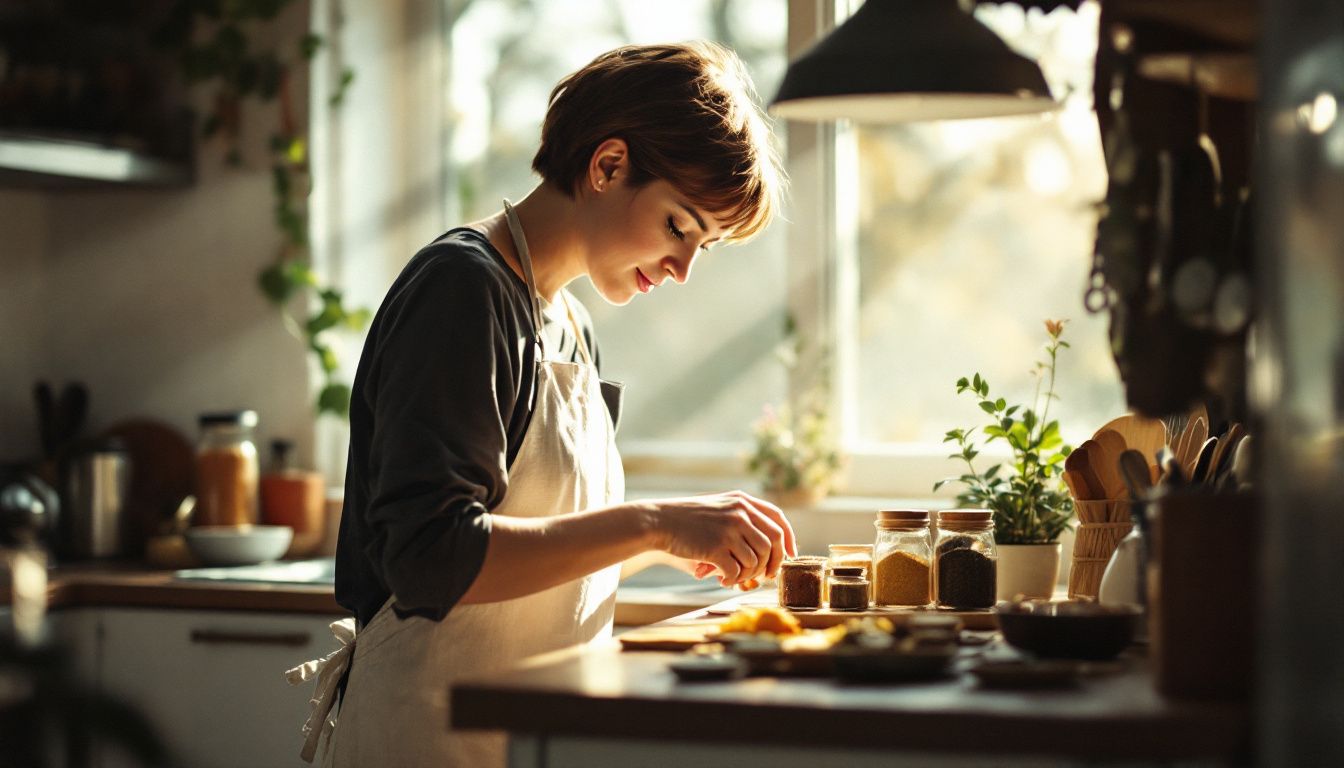
Learn how to toast, bloom, and layer when cooking with Spices. This is to bring out their best flavors—you’ll discover simple tricks that can elevate any dish.
Toasting and Blooming Spices
Toasting and blooming spices can make your dishes taste richer and more flavorful. These methods release the natural oils in spices, boosting both aroma and taste.
- Heat a dry pan on low to medium heat before adding whole spices like cumin or coriander. Stir continuously to avoid burning them.
- Watch for changes in color and smell—spices should turn slightly darker and give off a stronger aroma, usually after 1-3 minutes.
- Use toasted spices immediately or grind them to enhance soups, stews, or marinades.
- Bloom ground spices by heating them in oil or butter for 30 seconds until fragrant. This infuses their flavors directly into the fat.
- Combine bloom-ready spices like paprika or turmeric with aromatics such as garlic or onions to create flavorful bases for dishes.
- Avoid using stale spices as they may not bloom properly; fresh ones always yield better results.
- Store cooled toasted spices in airtight containers for up to 2 weeks to preserve freshness and flavor strength.
- Toasting works best with tougher whole varieties like peppercorns while blooming suits softer ground options such as cinnamon powder.
- Experiment with both methods to learn which works better for specific recipes—soups often benefit from bloomed flavors while roasted vegetables pair well with toasted seasonings!
Infusing Spices into Oils and Broths
Infusing spices into oils and broths enhances deep and rich flavors when cooking with Spices. This method allows the essence of spices to combine fully, creating a flavorful base for cooking.
- Heat oils gently without letting them smoke. Add whole spices like cinnamon sticks, bay leaves, or cumin seeds for infused flavors. This step serves as a foundation for curries or stir-fries.
- Simmer spices in broths to bring out their full aroma. Toss cloves, star anise, and peppercorns into chicken or vegetable stock before making soups.
- Use ground spices sparingly in hot oil to prevent burning. Paprika or turmeric adds vibrant color while releasing fragrance.
- Combine multiple spices while infusing to create complex layers in stews or gravies. Garlic with coriander seeds boosts both flavor and aroma.
- Add delicate herbs like basil near the end of simmering broth for freshness without overwhelming lighter dishes.
- Strain infused oil after cooling to remove solids before storing it in bottles for later use on salads or grilled foods.
- Pair bold Asian spices like ginger and lemongrass with coconut milk broths to create a balance between heat and sweetness.
- Infuse olive oil with dried chilies for Mexican-inspired recipes like adobo marinades or drizzles over tacos.
- Stir honey or maple syrup into spiced broth for natural sweetness—perfect for sauces and glazes without extra sugar.
- Store infused oils properly in cool places to keep them fresh longer while ensuring safety against spoilage bacteria risks!
Layering Spices for Depth of Flavor
When cooking with Spices, layering spices is a skill that can transform simple dishes into flavor-packed meals. Each layer adds a new note, creating complexity and depth.
- Start with whole spices like cumin or coriander. Heating them in a dry pan releases oils, boosting their aroma and flavor.
- Add ground spices like paprika or turmeric next. These blend easily and distribute flavor throughout the dish.
- Use fresh herbs such as cilantro or basil at the end of cooking. This adds brightness without overwhelming other flavors.
- Combine both sweet spices, such as cinnamon, and earthy ones like nutmeg for balance. This works well in baked goods or stews.
- Experiment with layering spice blends from different cuisines. Try Indian garam masala with Middle Eastern za’atar for unique results.
- Pair intense spices like chili powder with milder ones such as fennel seeds to control heat levels without losing depth.
- Mix warm spices such as allspice with acidic ingredients like lemon or vinegar for contrast and harmony in sauces.
- Avoid overloading dishes by adding too many strong spices at once—test each layer and adjust gradually while cooking.
Each step in cooking with Spices, complements the one before it, resulting in bold yet harmonious flavors every time!
Experimenting when Cooking with Spices
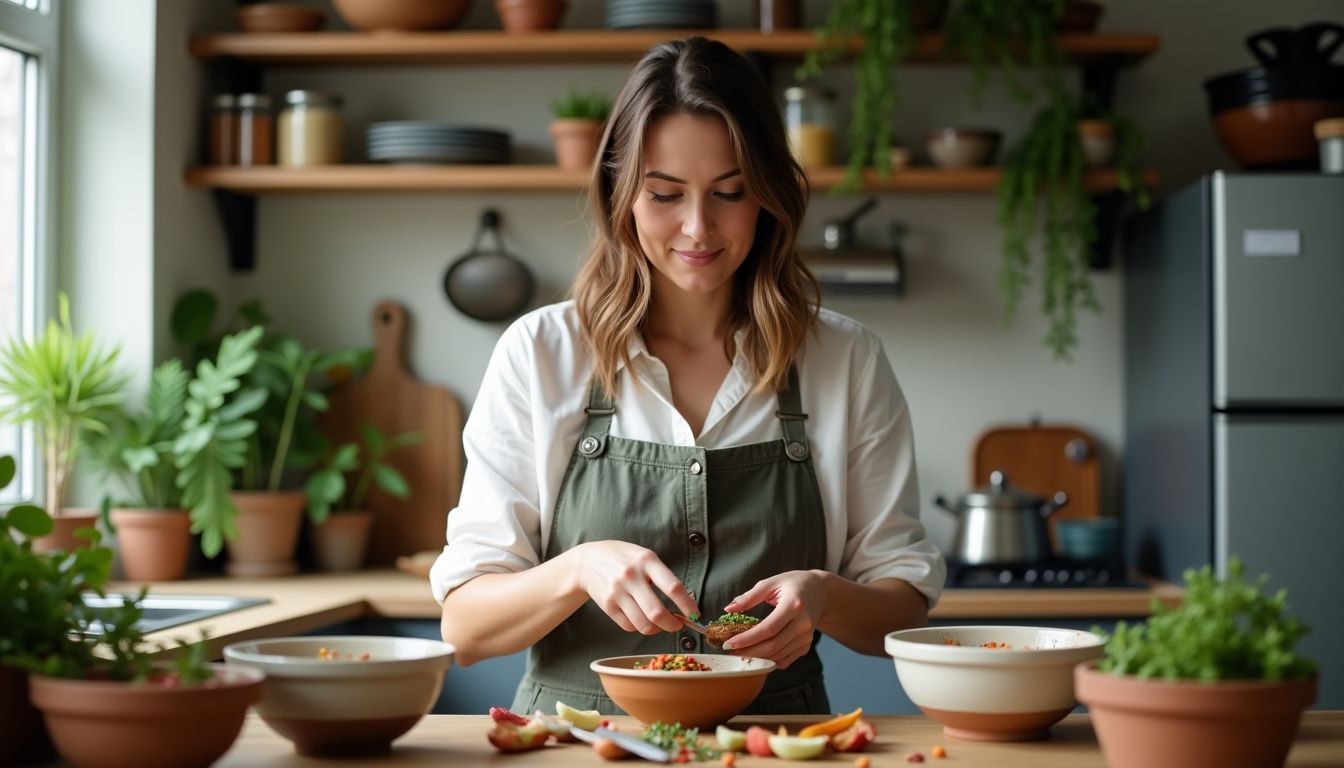
Experimenting when cooking with spices opens up endless possibilities in the kitchen. Discover new combinations, create unique flavors, and turn ordinary meals into exciting treats.
Pairing Unusual Flavors
Cinnamon with chicken might sound odd, but it adds a warm sweetness that balances savory dishes. Maple syrup drizzled over roasted vegetables like carrots or squash transforms them into something extraordinary—sweet yet earthy.
Spices like smoked paprika can pair beautifully with dark chocolate in baked goods, creating depth and surprise.
Za’atar sprinkled on fresh fruit highlights its natural tanginess while adding an herby punch. Sweet spices such as nutmeg or cardamom elevate creamy soups, providing warmth without overwhelming the base flavors.
These unique combinations prove spices can take simple foods from bland to unforgettable.
Creating Your Own Spice Blends
When cooking with Spices, blending spices allows for endless creativity in the kitchen. Start with popular combinations like cumin, coriander, and paprika for a flavorful rub on grilled meats or roasted vegetables.
Combine cinnamon, nutmeg, and cloves to elevate baked goods or hot beverages. Using whole spices rather than pre-ground ones gives deeper aromas when toasted before grinding.
Homemade blends let cooks control flavors while avoiding additives found in store-bought mixes. A simple ratio is two parts sweet spice to one part heat for balance cooking with Spices. Such as brown sugar mixed with cayenne pepper and smoked paprika for marinades.
Store these custom mixes in airtight jars to keep them fresh longer, ensuring bold flavor every time.
Using Spices in Desserts and Beverages
Creating spice blends opens the door to sweet experiments when cooking with Spices in desserts and drinks. Cinnamon, nutmeg, and cardamom bring warmth to baked goods like pies or muffins. A pinch of turmeric can brighten up golden milk lattes, giving both color and health benefits.
Vanilla pod scrapings pair beautifully with ground clove for spiced whipped cream.
Chai spices such as ginger and black pepper transform tea into a rich experience. Add cayenne to hot chocolate for a surprising kick or infuse simple syrups with star anise for cocktails.
Whole spices work better in slow infusions—cinnamon sticks in mulled wine or cloves steeping in cider make flavors shine over time without overpowering sweetness.
Health Benefits of Cooking with Spices
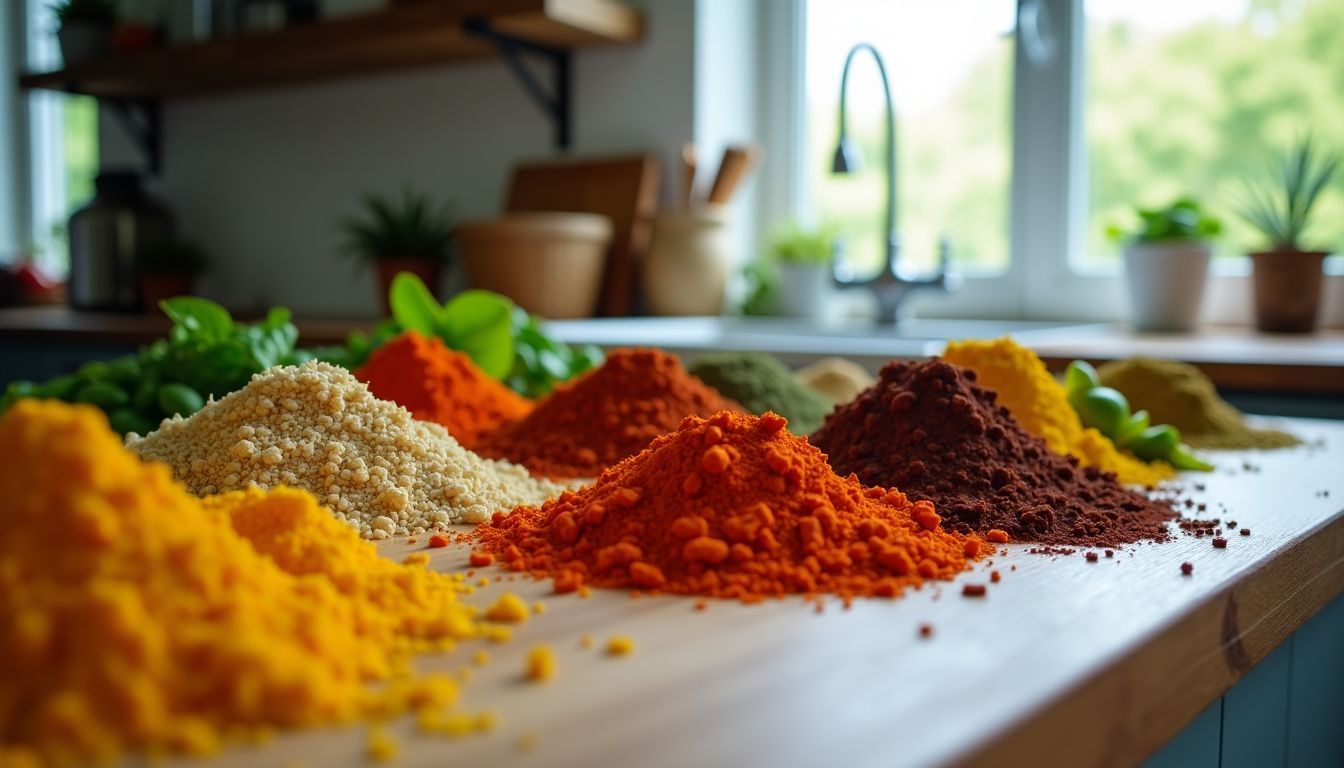
Cooking with Spices does more than just add flavor. Spices can support health in surprising ways, like improving digestion and boosting your mood. Explore the hidden benefits of these powerful ingredients!
Anti-Inflammatory Properties
Turmeric contains curcumin, a compound known for its anti-inflammatory powers. Many believe this spice helps ease joint pain and swelling. Cinnamon also plays a supportive role, helping fight inflammation while adding warmth to dishes.
Spices like ginger and cayenne pepper boost circulation and may help reduce chronic inflammation over time.
These natural ingredients offer flavorful ways to improve health without relying on salt or sugar. Studies link the use of these spices with potential benefits for conditions such as arthritis or heart disease.
Cooking with turmeric, cinnamon, or ginger can add depth in taste while promoting well-being through nature’s gifts.
Conclusion

Cooking with spices is an easy way to turn plain meals into flavorful delights. They add color, aroma, and depth while keeping things healthy by reducing the need for salt or sugar.
From sweet cinnamon to bold turmeric, each spice offers unique magic in the kitchen. Start small, play around with combinations, and let your taste buds guide you. With time and practice, anyone can master the art of creating great dishes full of life!
FAQs
1. What are spices, and why are they important in cooking?
Spices are plant-based ingredients like seeds, roots, or bark that add flavor to food. When cooking with Spices they transform bland dishes into vibrant ones by enhancing natural sweetness, adding depth, or creating bold layers of taste.
2. How can I balance spices in a dish without over-spicing?
Start with small amounts and taste as you go. Balancing spices involves understanding their strength—like sweet spices for subtlety or earthy ones for warmth—and pairing them thoughtfully.
3. What are some classic spice pairings from around the world?
Indian cuisine uses complex blends like garam masala; Middle Eastern dishes rely on fragrant combinations like za’atar; Latin American meals feature zesty mixes such as chili and lime.
4. How should I store spices to keep them fresh?
Store whole or ground spices in airtight containers away from heat and light. Proper storage preserves flavor longer and ensures better results when cooking with them.
5. Are homemade spice blends better than pre-made options?
Yes! Crafting your own blend lets you control flavors while avoiding additives found in store-bought versions. It also helps create a signature profile unique to your recipes.
6. Can using stale or old spices ruin a dish?
Absolutely! Old spices lose potency over time, leading to dull flavors instead of the intended punchy impact they’re meant to deliver in soups, stews, baked goods—or any recipe relying on spice magic!