Contact us: ww@blogquizshop.com


 Cart is empty
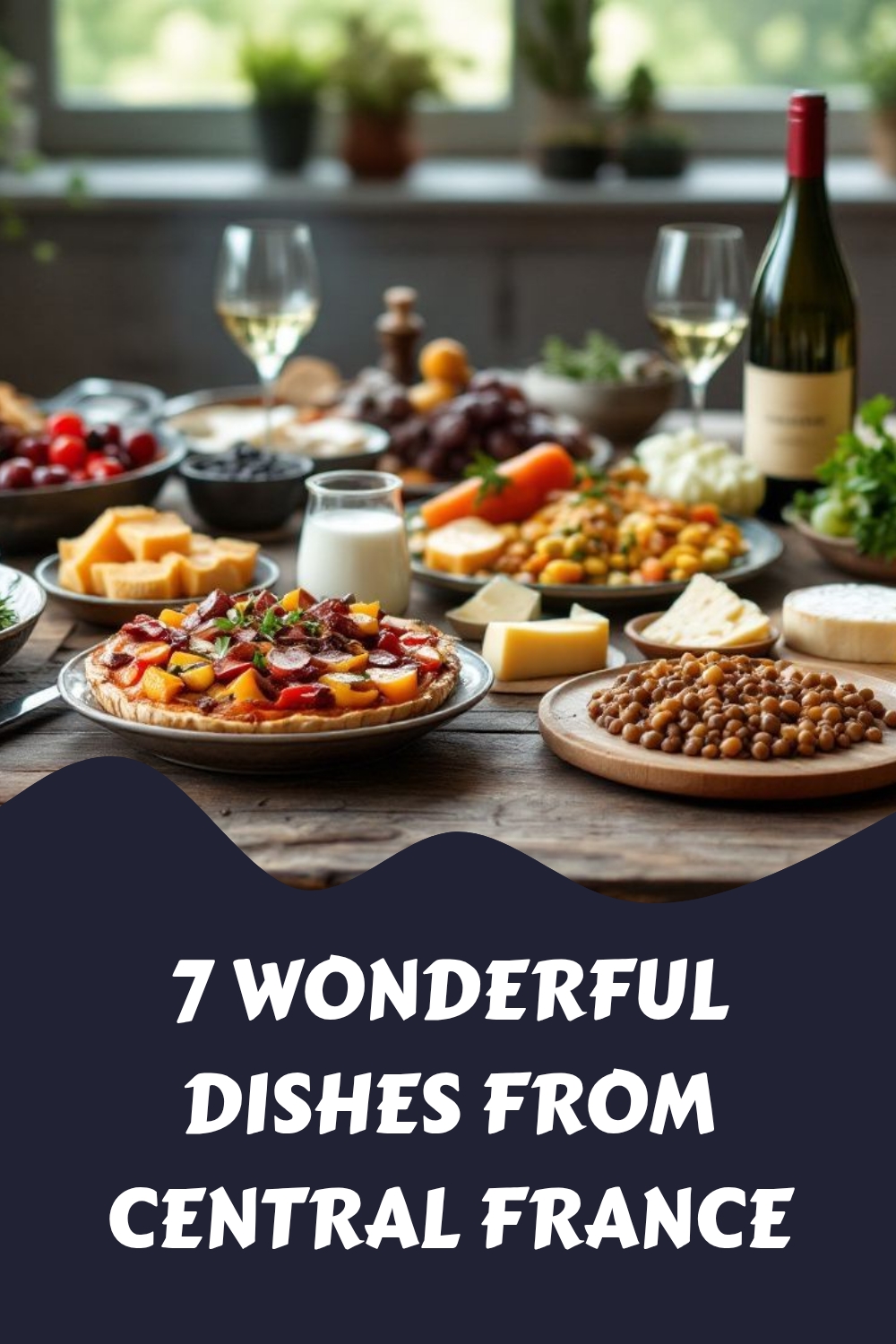
 7 Wonderful Dishes from Central France






French Gastronomy: A Guide to Central France
This Podcast synthesizes the main themes and important ideas presented in the provided sources regarding French gastronomy, its history, regional variations, and enduring influence.
I. The Historical Development of French Haute Cuisine:
Early Origins and Foreign Influences
While the term “gastronomy” gained prominence in the 17th century, the concept of “ruling the stomach” (“gaster nommos”) dates back to the Middle Ages, with power and foreign influences as key early ingredients.
Guillaume Tirel, in the mid-14th century, documented the use of foreign spices and ingredients, marking him as “France’s first recipe writer.”
The Italian Renaissance Impact
Catherine de Medici’s arrival in 1533 for her marriage to Henry II brought significant culinary innovations from Italy, including “the two-pronged fork individual earthenware plates and a taste for lavish feasts.” This marked a “culinary revolution” at the dinner table across France. It was the beginning of Central France as the centre of French Cuisine.
Refinement and Tragedy in the 17th Century
The tradition of gastronomy continued to refine, exemplified by the Swiss-born royal cook François Vatel. His suicide over a delayed fish delivery for a banquet hosted by Louis XIV highlights the immense pressure and importance placed on culinary perfection.
Post-Revolution and the Rise of the Chef
Following the French Revolution, gastronomy remained significant. Antonin Carême became known as “the king of chefs and the chef of kings” for his ornamental cakes, and the term “chef” was first used for a cook in the 19th century.
The Democratization of Culinary Knowledge
The 19th century saw an increase in accessible culinary literature due to printing advancements. Notable works include “The Physiology of Taste” by Brillat-Savarin and Alexandre Dumas’ “Great Dictionary of Cooking” with over 3,000 recipes. This period also witnessed the rise of food critics like Grimod de la Reynière, who wrote the first gastronomic handbook.
Gastronomy as a Political Tool
In the early 1800s, during Talleyrand’s time at the Château de Valençay, fine dining was used as a “political weapon.” His “star cook Otto Nakam used fine dining as the ultimate political weapon.” The meticulous French style of serving (“à la française”), where “you would present all the courses the entree the mains the desserts and put them on the table in a beautiful way,” aimed to impress guests and facilitate the gathering of information through observing conversations.
Escoffier and the Modernization of French Cuisine
Auguste Escoffier, at the turn of the 20th century, played a crucial role in “organize modernize and professionalize French cuisine before turning it into an international benchmark.” His influence is still felt in culinary schools today. He developed a “military-style team structure” in the kitchen, famously at the Ritz in Paris.
The Legacy and Heritage
Modern French chefs see themselves as part of a “long chain of national heritage,” drawing upon “ancestral recipes stirred together with traditional wisdom.” The goal in culinary education is to ensure awareness of “this culture and heritage this know-how,” transmitted with modern techniques.
Contemporary Trends
Modern chefs like Yves Camdeborde are pioneering a “modern more accessible style of French hot cuisine,” building upon the foundations laid by figures like Escoffier. He speaks of the “intelligence of the hand passed down the line.”
II. Regional Variations in French Cuisine:
Central France: Rustic and Hearty Flavors
The cuisine of Central France is characterized by “rustic and hearty flavors, deeply rooted in the cuisine du terroir tradition.” It emphasizes “simple ingredients like potatoes, cabbage, and game meats.”
Key Ingredients: Staples in the cuisine of Central France include potatoes, cabbage, carrots, turnips, lentils, game meats (venison, boar), pork products (rillettes), beef (Limousin, Aubrac), goat cheeses (Sainte-Maure de Touraine, Crottin de Chavignol), sweet chestnuts, and herbs (thyme, bay leaves, parsley). The “local wines from the Loire Valley adds depth to many recipes.”
Signature Dishes: Iconic dishes include “Coq au Vin,” “Petit Salé aux Lentilles,” “Potée Auvergnate,” “Tarte Tatin,” and “Pâté Berrichon.” Many of these signature dishes cme from Central France.
Seasonal Delicacies: “In winter, truffle dishes shine, while in spring, fresh chevre takes center stage,” giving the cuisine a seasonal rhythm.
Influence of History: “Historical events like the French Revolution shaped this cuisine. They introduced simpler yet flavorful meals available to everyone.”
Modern Blends: “Modern chefs blend traditional techniques with global influences. This keeps Central French cuisine vibrant and appealing today.”
Wine Pairing: Loire Valley wines like Sancerre (Sauvignon Blanc) pair well with goat cheese, while robust Pinot Noir complements Coq au Vin, and elegant Chenin Blanc enhances Tarte Tatin.
Culinary Techniques: Slow cooking is a key method, and charcuterie preparation using traditional preservation techniques is also significant.
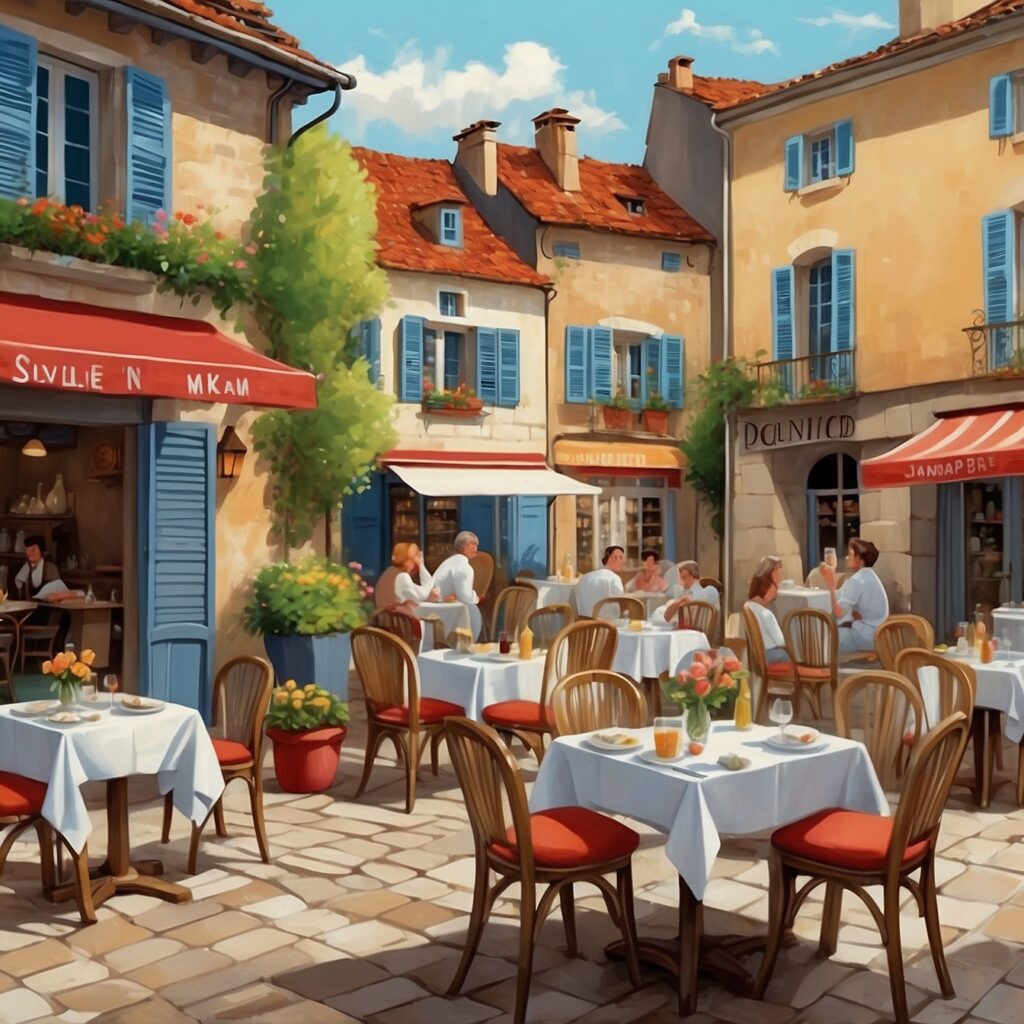
Lyon: Gastronomic Capital: Lyon, in Central France, is known as the “gastronomic capital of France,” with a rich culinary tradition centered around “Bouchons,” which are “small family-run bistros that serve very hearty meals” offering “traditional leonese cuisine.”
Signature Lyonnaise Dishes: Examples include “Cornuelle de brochet” (creamed fish in crayfish sauce), “Salad Lyonnaise” (lettuce, croutons, bacon/pork belly, poached egg), “Saucisson de Lyon,” and “Pork belly in red wine gravy.”
Praline: A ubiquitous sweet treat in Lyon, consisting of “almonds being covered in Sugar that has simply been dyed pink.” It can be found in tarts, brioches, and cakes.
Hearty and Rich Flavors: Lyonnaise cuisine emphasizes “hearty meals” with rich sauces and high-quality local ingredients.
Bouchon Experience: Eating at an authentic Bouchon, identified by the “Bouchon Leone’s sign,” is a key part of the Lyonnaise culinary experience. Lunch menus often offer a more affordable way to sample local specialties.
Normandy and Other Regions: Normandy is known for “a lot of seafood and cider not wine.” Other regions, like the Loire Valley, have their own specialties, reflecting local ingredients and traditions.
III. Core Elements and Values of French Gastronomy:
Emphasis on Quality Ingredients: French gastronomy starts with “choosing your product” and using “exceptional quality of products.”
Art of Preparation and Presentation: The process includes “preparing it making it look beautiful.” The “à la française” service style exemplifies the importance of visual appeal and creating an opulent dining experience.
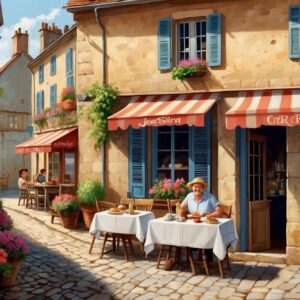
The Importance of Conversation and Sharing: “Talking about it” after the meal is a crucial element. The French gastronomic meal, recognized by UNESCO, encompasses the entire experience, including preparation, sharing, eating, and subsequent discussion. “It’s that all-important moment of discussion of talking about what we’ve been eating.”
Transmission of Know-How and Tradition: Culinary heritage is passed down through generations, with a focus on understanding “where we come from and understand the foundations of the cuisine.” Modern culinary education emphasizes both tradition and modern techniques.
Discipline and Precision: The “almost military-style team structure” developed by Escoffier highlights the importance of strict discipline and precise roles in achieving culinary excellence.
The Role of Wine: Wine is integral to French gastronomy, with each region often having its own distinctive wines that pair well with local dishes. The Loire Valley, for example, is “renowned for its wines.”
Enduring Appeal: Despite modern innovations, there is a reverence for classic recipes and traditional wisdom, which contribute to the “French cuisine that the whole world envies.”
IV. Practical Considerations for Enjoying French Food:
Restaurant Timing: Be aware that lunch is typically served from noon to 2 or 3 pm, and dinner often starts around 7 pm. Kitchens may close in between.
Snack Options: Popular snacks include quiche, croque monsieur, and crêpes/galettes.
Menus and Set Meals: Restaurants often offer set menus (“le menu”) with a fixed price for a starter, main course, and dessert.
Regional Specialties: Always inquire about local dishes and ingredients specific to the region you are visiting.
Water: Tap water (“l’eau du robinet”) is safe to drink and can be requested at restaurants.
The Podcast paint a rich picture of French gastronomy as a deeply historical, regionally diverse, and culturally significant phenomenon. From its medieval roots and the influence of foreign courts to the professionalization by figures like Escoffier and the vibrant regional cuisines of Central France and Lyon, French food embodies a commitment to quality, tradition, and the art of shared culinary experiences.