Contact us: ww@blogquizshop.com


 Cart is empty
The Birth of Rock and Roll in the 1950s







The Birth of Rock and Roll in the 1950s
The birth of rock and roll in the 1950s marked a seismic shift in American popular music and culture, creating a soundtrack for a new generation and reshaping social norms.
Origins and Influences
The birth of rock and roll began in the United States during the late 1940s and early 1950s, blending African American traditions such as blues, rhythm and blues (R&B), and gospel with white American country and western music. This fusion was facilitated by the movement of Southerners—both Black and white—to northern and western cities, bringing together diverse musical styles and audiences. Early influences included artists like Louis Jordan, Fats Domino, and Wynonie Harris, whose music featured strong rhythms and danceable beats.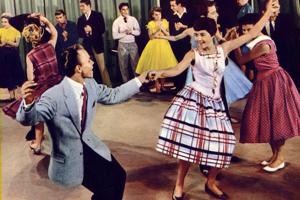
The term “rock and roll” itself was popularized in 1951 by Cleveland disc jockey Alan Freed, who used it to describe the new, energetic music he played on his radio show. The phrase had previously been used in blues and R&B communities, sometimes as slang for dancing or sex, but under Freed, it became the official name of a new genre.
Key Artists and Breakthroughs
Rock and roll’s breakthrough into the mainstream is often traced to 1954–1955. Bill Haley & His Comets’ “Rock Around the Clock” (1954) became a massive hit and is widely credited with bringing rock and roll to a national audience. However, the genre truly exploded with the rise of Elvis Presley, whose 1954 recordings blended country, blues, and gospel into a fresh, electrifying sound that captivated teenagers and shocked their parents. Elvis’s energetic performances and charismatic image made him the “King of Rock and Roll.”
Other pivotal figures included Chuck Berry, whose guitar-driven songs and showmanship set the template for rock music; Little Richard, known for his flamboyant style and powerful voice; Fats Domino, whose New Orleans piano sound was irresistible; and Buddy Holly, whose songwriting and innovation influenced countless musicians.
Cultural Impact
The birth of rock and roll was more than just music. It became a symbol of teenage rebellion and independence. The generation of youth coming of age in the 1950s found in rock and roll a way to express their identity and distance themselves from the conformist values of their parents. The music was often banned from radio stations and schools, and its association with sexuality and juvenile delinquency alarmed many adults.
The genre also played a crucial role in breaking down racial barriers. While early rock and roll was rooted in Black musical traditions, it was white artists who first achieved widespread commercial success. However, as the genre grew, Black artists like Chuck Berry and Little Richard gained broader recognition, and rock and roll helped integrate American popular culture.
Technology and the birth of rock and roll in the 1950s
Technology played a foundational role in the birth of rock and roll during the 1950s, transforming how music was created, distributed, and consumed.
Transistor Radios
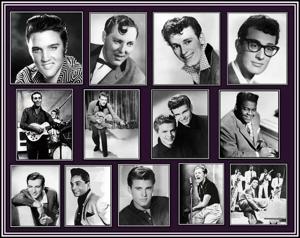
The introduction of the compact, portable transistor radio in the mid-1950s allowed teenagers to listen to music anywhere—away from the family’s main radio or phonograph. This portability fueled the growth of rock and roll and the development of a distinct teen culture, as young people could now connect with their favorite artists and each other through music in their bedrooms, at the beach, or on the go.
Transistor radios gave teens unprecedented independence in their musical choices, helping rock and roll become the soundtrack of a generation.
Vinyl 45 RPM Records
The 45 RPM vinyl single, introduced by RCA Victor in 1949, was more durable, portable, and affordable than previous shellac records. Its high-fidelity sound and compact size made it ideal for jukeboxes and personal music collections, driving demand for popular rock and roll singles.
This format allowed teenagers and young adults to build their own music libraries, making rock and roll more accessible and further embedding it in youth culture.
Television
Television became a powerful platform for rock and roll artists to reach massive audiences. Variety shows like The Ed Sullivan Show and American Bandstand featured live performances by artists such as Elvis Presley, Buddy Holly, and Chuck Berry, helping to popularize the genre and break down racial barriers in music.
These shows also influenced fashion, dance, and social trends, shaping the identity of rock and roll and its fans.
Recording Technology and Electric Instruments
Advancements in recording technology, including the use of magnetic tape, allowed for multi-track recording, editing, and experimentation with sound. This gave artists more creative freedom and enabled the production of higher-quality recordings.
The rise of electric instruments—especially the electric guitar—revolutionized music production. Providing the distinctive sound and energy that followed the birth rock and roll
What role did race play in the birth of rock and roll?
Race played a central and complex role in shaping early rock and roll music, influencing its origins, development, and reception in American society.
Roots in African American Music
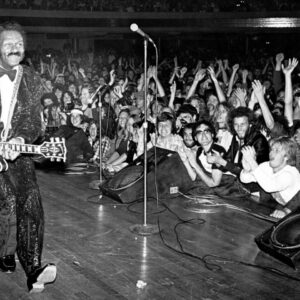
Rock and roll emerged from the rich tradition of African American music, including blues, gospel, jazz, and rhythm and blues (R&B). These genres provided the rhythmic, melodic, and emotional foundation for rock and roll. Early rock and roll artists—many of them Black—such as Little Richard, Fats Domino, Chuck Berry, and Bo Diddley, were instrumental in developing the genre’s signature sound. Songs like “Rocket 88” (credited to Jackie Brenston and His Delta Cats, with Ike Turner) are widely recognized as among the first rock and roll records, featuring elements like upbeat rhythms, distorted guitar, and saxophone solos that became hallmarks of the genre.
“Race Music” and Cultural Exchange
Before it was called rock and roll, this music was often labeled “race music” and marketed primarily to Black audiences. White American youth, especially in the post-World War II era, began to embrace this music, dancing to records by Black artists even as many adults and institutions resisted the trend. Radio stations and record producers played a crucial role in exposing white teenagers to Black music, and the migration of Black and white Southerners to urban centers led to greater cultural exchange and musical cross-pollination.
Racial Barriers and Commercialization
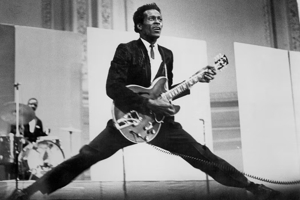
Despite its African American roots, rock and roll faced significant racial barriers. Major record labels and white-owned establishments often refused to promote or sell Black artists’ music, and white performers were sometimes given preference in recording and marketing. This led to a pattern where white artists like Elvis Presley would popularize songs and styles originated by Black musicians, sometimes bringing them to mainstream (white) audiences for the first time.
Integration and Backlash
The birth of rock and roll became a powerful force for integration, as both Black and white musicians influenced each other and audiences began to break down racial divides. However, this integration was met with backlash from some segments of society, who viewed the music as subversive and threatening to established social norms. The genre’s association with Black culture and its appeal to white youth made it a lightning rod for debates about race, youth, and American identity.
Legacy
The early history of rock and roll is a story of both cultural appropriation and cultural fusion. While Black musicians were the primary innovators, their contributions were often overlooked or minimized as the genre became commercialized and marketed to a broader audience. Nonetheless, rock and roll’s origins in African American music remain foundational, and the genre continues to be a powerful example of America’s diverse musical heritage
Key Influencers of the 1950s in the Birth of Rock and Roll
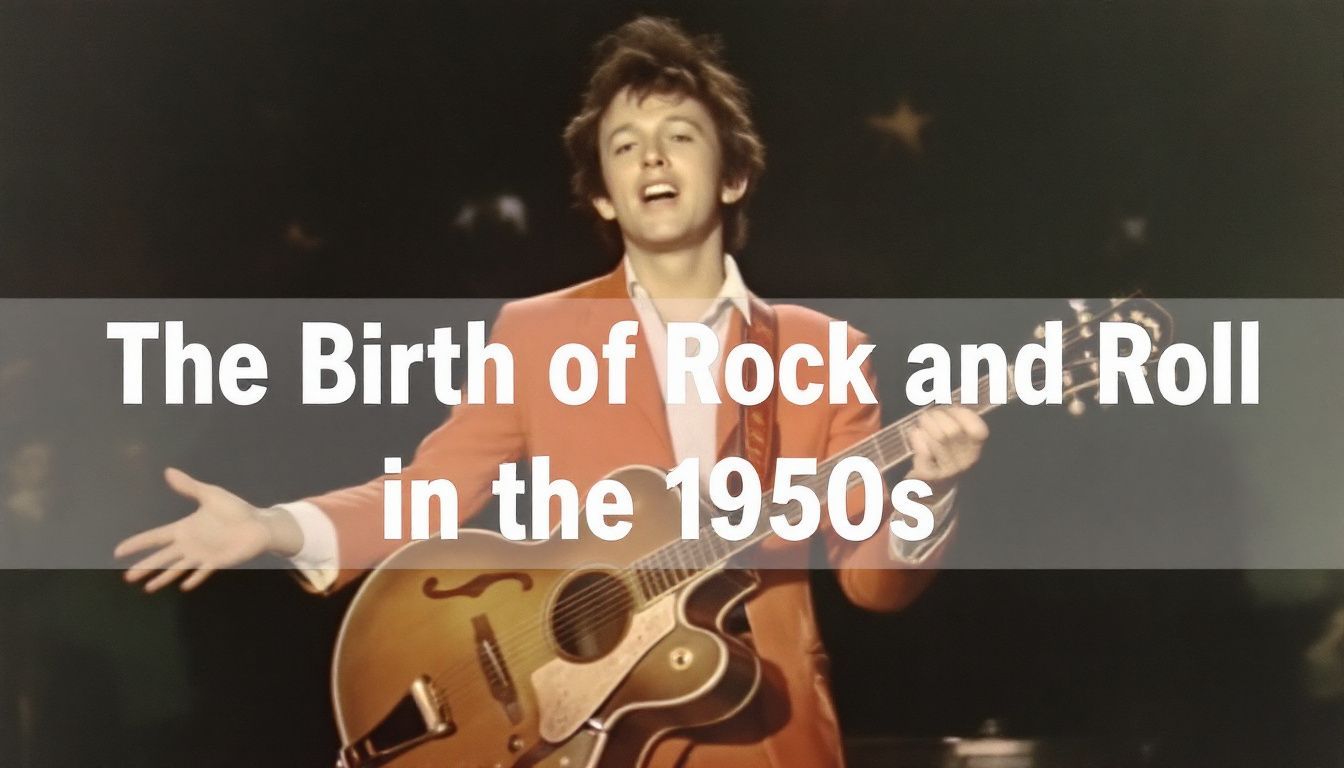
The 1950s during the birth of rock and roll the scene had stars that changed music forever. Elvis Presley, Chuck Berry, Little Richard, and Buddy Holly led the way with their unique sounds and styles.
Elvis Presley

Elvis Presley stepped onto the music scene and quickly became a big name in rock and roll. With his first hit, “Love Me Tender,” he grabbed everyone’s attention. His songs like “Heartbreak Hotel” were not just tunes; they shaped popular music.
Born in the South, Elvis was right at the heart of where rock began. He worked with Sun Records, a place known for discovering great artists.
His style mixed country music with rhythm-and-blues. This mix made something new and exciting – rockabilly music. People loved it because it was fresh and lively. Elvis showed off this new sound on TV shows and in movies, making rock and roll famous all around the world.
Next up is Chuck Berry, another giant who left his mark on rock ‘n’ roll music with his clever lyrics and unforgettable guitar riffs.
Chuck Berry

Chuck Berry is a key figure in the birth of rock and roll. He took the sounds of rhythm and blues and made them famous. With his hit song “Johnny B. Goode,” he showcased his guitar skills and catchy lyrics.
This song became an anthem for young people everywhere. His unique style mixed country, blues, and jazz elements.
Born in 1926, Berry grew up in St. Louis, Missouri. He drew inspiration from artists like Fats Domino and Ray Charles. His energetic performances captivated audiences across America.
Chuck’s music entertained and also told stories about daily life, love, and freedom.
His impact on rock music was profound. Artists like Elvis Presley found inspiration in Berry’s work too! Songs such as “Roll Over Beethoven” further highlighted his talent for blending genres while appealing to teens during the 1950s cultural boom…
The rise of rock and roll would shape music history forever—thanks to pioneers like him!
Little Richard

Little Richard was a key figure in the birth of rock and roll. He burst onto the scene with hits like “Tutti Frutti.” His style mixed rhythm and blues with flashy performances. Little Richard had a unique voice that thrilled many fans.
His music influenced countless artists, including Elvis Presley and Chuck Berry. With his energetic stage presence, he helped define what rock and roll could be. Southern roots shaped his sound, making him one of the genre’s founding fathers.
Little Richard’s impact is still felt today in music and culture.
Buddy Holly

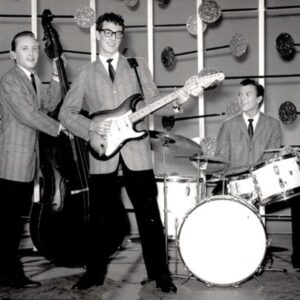
Buddy Holly was a key figure in the birth of rock and roll. He emerged in the 1950s, a time when music was changing fast. With his unique sound and style, he helped shape this new genre.
Songs like “That’ll Be the Day” showcased his talent as both a singer and songwriter.
Holly’s influence ran deep, inspiring many artists who followed. His innovative use of guitar and catchy melodies set him apart from others. Sadly, his life ended early in 1959, but his legacy lives on.
Buddy Holly remains an important name among rock pioneers like Elvis Presley and Chuck Berry.
Pioneering Songs that Shaped Rock and Roll

In the 1950s, certain songs changed music forever. “Rock Around The Clock” set the stage for dance parties. Elvis’s “That’s All Right” showed how rock could blend styles. Chuck Berry’s “Johnny B.
Goode” told stories with catchy beats. Little Richard’s “Tutti Frutti,” full of energy, made everyone smile. These tunes captured hearts and minds… Want to know more about these iconic sounds?
“Rock Around The Clock” by Bill Haley

Rock Around The Clock” by Bill Haley was a game-changer. Released in 1954, it was one of the first rock and roll songs to gain massive popularity. This hit created a buzz among teenagers and helped define the new music style of the mid-1950s.
Bill Haley’s catchy tune had an upbeat rhythm that made people want to dance. It blended elements of country and Western with rhythm and blues. This mix appealed to many young listeners, making rock and roll stand out from other genres at the time.
The song also marked a shift in popular culture. It gave voice to a growing teenage audience eager for change. Soon after, other artists like Elvis Presley began rising to fame too…
leading us into more pioneers of this exciting new sound.
“That’s All Right” by Elvis Presley
That’s All Right” is a key song by Elvis Presley. Released in 1954, it helped launch rock and roll music into the spotlight. This track blended rhythm and blues with country sounds.
It showcased Presley’s unique voice and style.
The song was recorded at Sun Studio, where Sam Phillips produced it. “That’s All Right” quickly became popular among teens, marking a shift in musical taste during the 1950s. The upbeat tempo and catchy melody captured listeners’ hearts.
Elvis transformed how people viewed music, paving the way for future artists in rock and roll like Chuck Berry and Buddy Holly.
“Johnny B. Goode” by Chuck Berry
Johnny B. Goode” is a classic rock and roll song by Chuck Berry. Released in 1958, it helped shape the genre. The song tells the story of a young guitar player from Louisiana. He dreams of fame and success.
With its catchy riffs and energetic rhythm, “Johnny B. Goode” quickly became popular.
Chuck Berry’s style blended elements of rhythm and blues with country music. His unique sound captured the spirit of rock and roll in the 1950s. This track inspired many future musicians, including Elvis Presley and Buddy Holly.
The story of Johnny resonated with teens who wanted to break free from tradition, marking an important moment in music history that sparked excitement everywhere.
“Tutti Frutti” by Little Richard
Tutti Frutti” was a groundbreaking song by Little Richard. Released in 1955, it burst onto the music scene and captured attention everywhere. The song features a lively beat and catchy lyrics that made it an instant hit.
Little Richard’s wild energy and powerful voice helped shape rock and roll into what it is today.
The track stands out for its upbeat rhythm, which drew from rhythm and blues influences. It also showcased a unique style that combined gospel sounds with rock elements. This mix excited young audiences in the 1950s—teens loved to dance to “Tutti Frutti.” Artists like Elvis Presley were inspired by this new sound, paving the way for future stars.
Little Richard became one of the fathers of rock because of songs like “Tutti Frutti.” His impact on music went beyond just one hit; he influenced many artists who followed him. The song played a crucial role in the evolution of rock and roll during a vibrant time when new musical styles emerged, shaping American culture for generations to come.
Cultural Impact of Rock and Roll in the 1950s

The birth of rock and roll shaped a new culture for teens in the 1950s. Music brought young people together, breaking down barriers and changing fashion too.
Teen Culture and Music
Teenagers in the 1950s embraced rock and roll. This music stirred excitement among youth across America. It broke away from old styles, blending rhythm and blues with a strong beat.
Stars like Elvis Presley, Chuck Berry, and Little Richard became icons. Their songs spoke to young people’s dreams and feelings.
This new sound changed how teens saw themselves. They formed their identities around rock and roll culture. Fashion also shifted as they copied the styles of their favorite artists.
The influence was massive, making music a central part of teen life in America during this time. Rock and roll shaped attitudes and connected young people like never before.
Influence on Racial Integration
Rock and Roll played a key role in racial integration during the 1950s. Black artists like Chuck Berry, Little Richard, and Elvis Presley brought new sounds to the airwaves. Their music crossed racial lines and appealed to both Black and white audiences.
Songs like “Johnny B. Goode” by Chuck Berry showed how powerful this music was.
This new genre helped break down barriers in society. Teenagers danced together at concerts, regardless of color. Rhythm and blues influences shaped rock music, leading to greater acceptance among fans.
As more people listened to these artists, they began to appreciate different cultures through their music. The birth of rock and roll changed music and paved the way for a more integrated society.
Fashion and Lifestyle Changes
Rock and roll had a big impact on fashion and lifestyle in the 1950s. Young people embraced a new look that showed their love for this exciting music. They wore leather jackets, tight jeans, and bright shirts.
Prominent figures like Elvis Presley set the trend with his stylish outfits. His slicked-back hair became iconic.
Teen culture thrived as rock and roll made its mark. Music brought kids together at dances and parties. The rise of groups like Buddy Holly’s band created a vibrant scene that fueled this lifestyle shift.
Styles soon spread beyond just clothes; they influenced ways of thinking, acting, and even dating. This new energy shaped how teens expressed themselves, paving the way for future generations to explore their own styles in music and fashion.
Conclusion

The birth of rock and roll in the 1950s changed music forever. Key figures like Elvis Presley, Chuck Berry, and Little Richard brought energy and new sounds to the scene. Their songs made waves.
They shaped youth culture and helped break down racial barriers too.
Consider how this music still influences artists today! Explore more tunes from this era or check out a classic album. Let these stories inspire you to discover your own musical path!
FAQs
1. What led to the birth of Rock and Roll in the 1950s?
The birth of rock and roll in the 1950s was a result of various influences, including rhythm and blues, doo wop, and even gospel music. Key figures like Elvis Presley, Chuck Berry, Little Richard, Fats Domino and Jerry Lee Lewis played major roles.
2. How did Alan Freed contribute to the rise of Rock & Roll?
Alan Freed is credited with popularizing the term ‘rock & roll’. His radio show on WLAC introduced this new genre to a wide audience—helping artists like Bill Haley and his Comets gain recognition.
3. Who were some prominent figures during this era?
Elvis Presley rose to fame with hits like Hound Dog while Buddy Holly impacted rock’s development before his untimely death. Others include Bo Diddley, Ray Charles—each contributing uniquely to shape what we now know as rock & roll.
4. Did British bands influence American Rock & Roll in 1950s?
Yes! The British Invasion had significant impact on American music scene during late-50s into early-60s—with bands such as The Beatles leading charge.
5. What role did counterculture play in shaping rock music?
Counterculture movement influenced many artists—it was reflected through their lyrics addressing social issues or promoting change which resonated with youth at that time.
6. Is there any institution recognizing these influential musicians?
Absolutely! Many pioneers from this era have been honored by The Rock And Roll Hall Of Fame And Museum for their contributions towards shaping modern music.