Contact us: ww@blogquizshop.com


 Cart is empty
 The Rise and Expansion of the Roman Empire






The Rise and Expansion of the Roman Empire
The rise and expansion of the Roman Empire is a story of remarkable military conquests, political innovations, and cultural integration that transformed a small settlement on the Tiber River into one of history’s most influential empires.
Origins and Early Expansion
-
Rome began as a monarchy ruled by kings from its legendary founding in the 8th century BC until 510 BC, expanding militarily and economically within central Italy.
-
Transitioned to a Republic in 510 BC, governed by elected magistrates and the Senate. The Republic expanded its control over the Italian peninsula by defeating regional rivals such as the Etruscans, Samnites, and Gauls.
-
The Punic Wars (264–146 BC) against Carthage were crucial, granting Rome dominance over the western Mediterranean and territories such as Sicily, Spain, and North Africa.
Mediterranean Dominance and Internal Strife
-
After conquering Greece in the 2nd century BC and incorporating Hellenistic culture, Rome emerged as the Mediterranean’s dominant power.
-
This era of the rise and expansion saw Rome become a maritime and colonial superpower, but also led to severe internal social tensions and civil conflicts, prompting reforms and eventual instability.
-
Military expansion brought wealth, enslaved people, and profound social change, fueling Roman urbanization and economic development.
Transition to Empire
-
Julius Caesar’s conquest of Gaul (modern France, Belgium, parts of Switzerland) and the subsequent civil wars ended the Republic.
-
Following Caesar’s assassination (44 BC), his adopted heir Octavian defeated Mark Antony and Cleopatra, consolidating power and becoming the first Emperor Augustus in 27 BC, marking the establishment of the Roman Empire.
Imperial Expansion and Pax Romana
-
Rome rapidly annexed territories, stretching from Britain to Egypt, and from the Atlantic to Mesopotamia.
-
The Pax Romana (27 BC–180 AD), initiated by Augustus, was a period of relative peace, economic prosperity, urbanization, and cultural achievements. Trade and Roman law flourished; Latin and Roman customs were diffused widely (Romanization), and monumental architecture such as roads, aqueducts, and amphitheaters transformed the landscape.
-
The Empire reached its territorial zenith under Emperor Trajan (98–117 AD), encompassing about 5 million km² and up to 100 million people, including parts of three continents: Europe, Africa, and Asia.
Later Centuries and Division
-
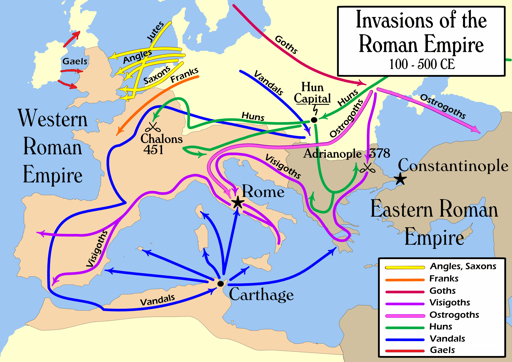
From the late 2nd century AD, the Empire faced increasing economic challenges, leadership crises, plagues, and barbarian invasions.
-
In the 3rd and 4th centuries, efforts to manage the vast realm led to the creation of two courts, eventually formalized as the Western and Eastern Roman Empires. The Eastern part (Byzantium) became centered on Constantinople.
-
The Western Empire declined due to internal strife, invasions (by Huns, Goths, Vandals, and others), and economic instability. Rome itself and its territories were repeatedly overrun.
Collapse and Legacy
-
The Western Roman Empire is considered to have fallen in 476 AD when the last emperor, Romulus Augustulus, was deposed by the barbarian Odoacer.
-
The Eastern Roman (Byzantine) Empire endured until the fall of Constantinople in 1453 AD, preserving Roman governance, law, and culture for centuries
Key Milestones in the Rise and Expansion of the Roman Empire

The Roman Empire grew from a small town to covering much of Europe, northern Africa, and the Middle East. This period of rise and expansion had big steps. Like when kings first ruled Rome, during the time of the Republic when lands were won, and at the peak under emperors when Rome ruled far and wide.
Founding and Early Kings (625-510 BC)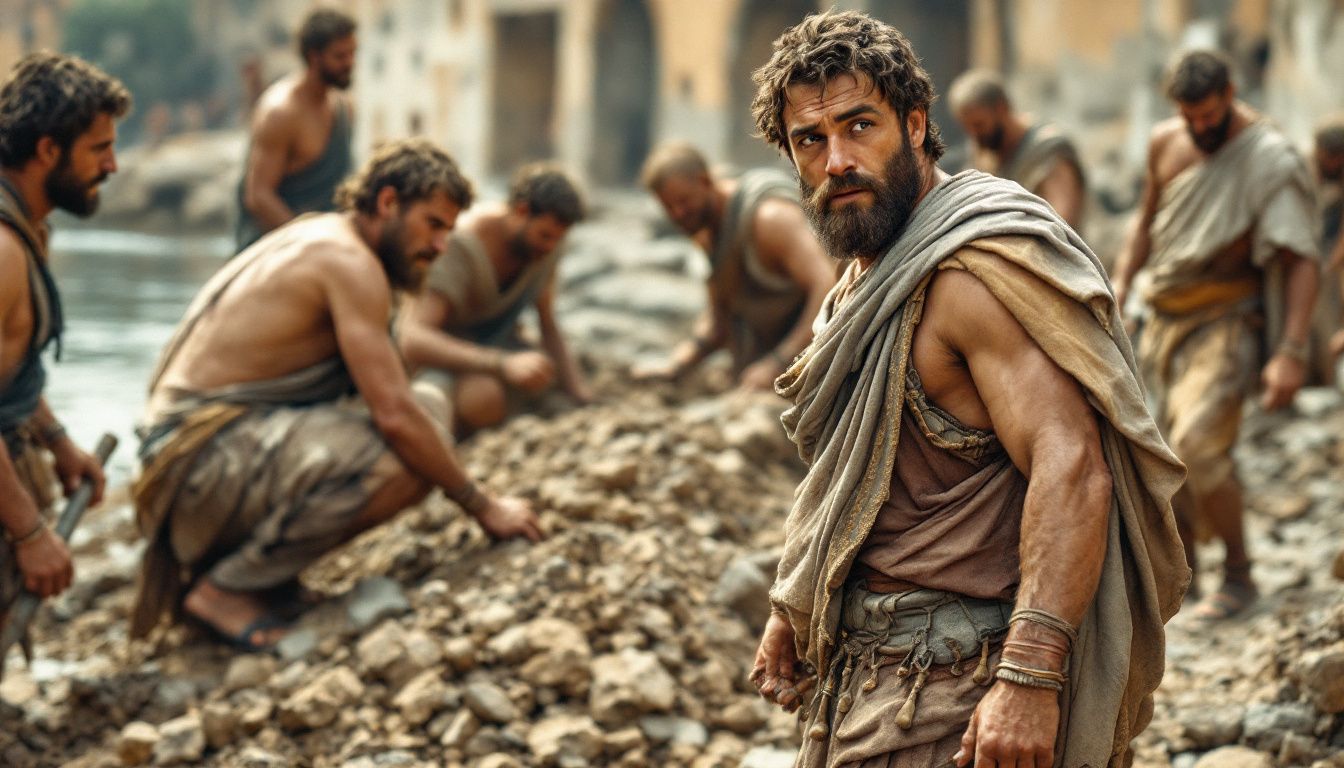
Rome began as a small town on the Tiber River around 625 BC. At first, it was just another city-state in the vast landscape of ancient Italy. But Rome had something special—a drive to grow and a knack for making smart alliances.
Early rulers like Romulus, who is often called the founder of Rome, started this journey. They built roads and created laws that helped keep order.
These kings laid down rules that would shape Roman society for years to come. They fought wars against nearby tribes, expanding their territory bit by bit. Each king added his own touch to Rome, from building temples to setting up early forms of government.
Rome wasn’t built in a day—its foundation by early kings set the stage for an empire that would last centuries.
Republican Rome and Territorial Gains (510-31 BC)
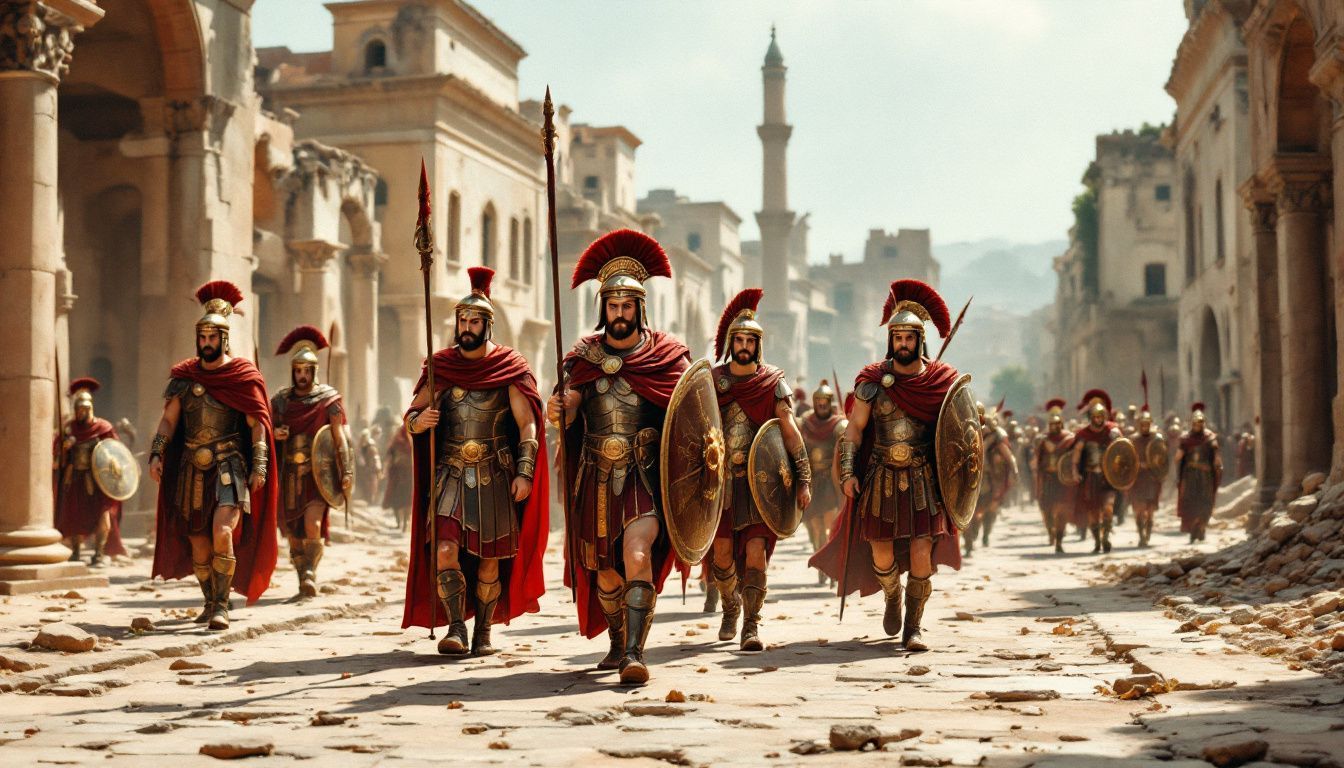
After the early kings, Rome became a republic. This was a time of the rise and expansion of the Roman Empire. They fought many wars and won new lands.
One big fight was with Carthage. These were called the Punic Wars. Rome won and took over places in Africa, Europe, and Asia. They also beat other cities in Italy.
Rome’s army was strong because of its training and rules. Soldiers came from all parts of Roman land to fight. They used roads to move fast across long distances.
This time made Rome very powerful before becoming an empire. The city got rich from war wins too.
Imperial Rome’s Peak (31 BC – AD 117)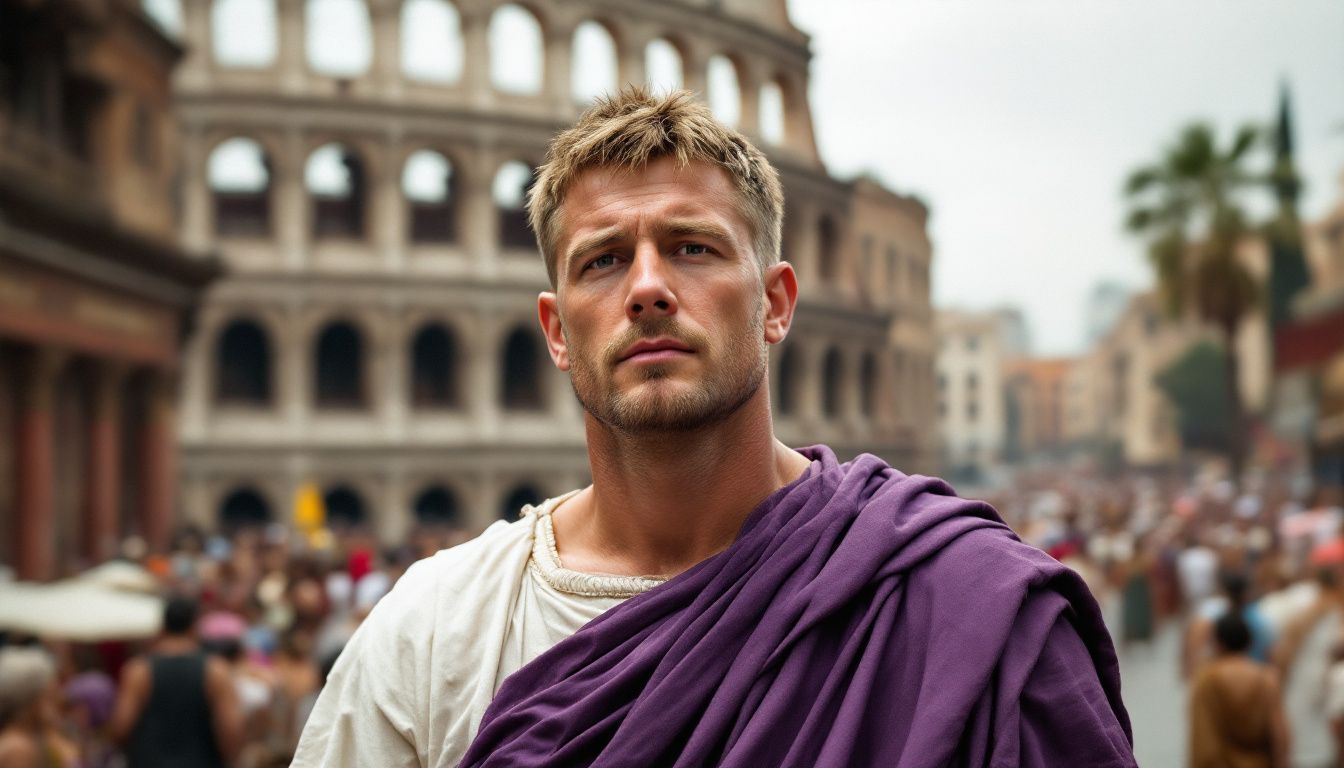
The rise and expansion of the Roman Empire culminated Imperial Rome hitting its high point between 31 BC and AD 117. During this time, the Roman Empire was at its largest size. It stretched over three continents, including places in Asia, Africa, and most of Europe.
Leaders like Julius Caesar had already made Rome powerful. But it was emperors such as Augustus, who ruled after Caesar, and Trajan that pushed the empire to its peak.
The rise and expansion of the Roman Empire saw major progress and growth across Rome. The Romans built roads—like the famous Roman highways—and huge buildings like the Colosseum. They fought many wars to expand their land even more.
The empire also grew richer from taking loot from conquered lands and making those places part of Rome. This period is known for peace within the empire’s borders too—the Pax Romana—which let trade flourish across vast distances without threat of war disrupting it.
Factors Contributing to Roman Success
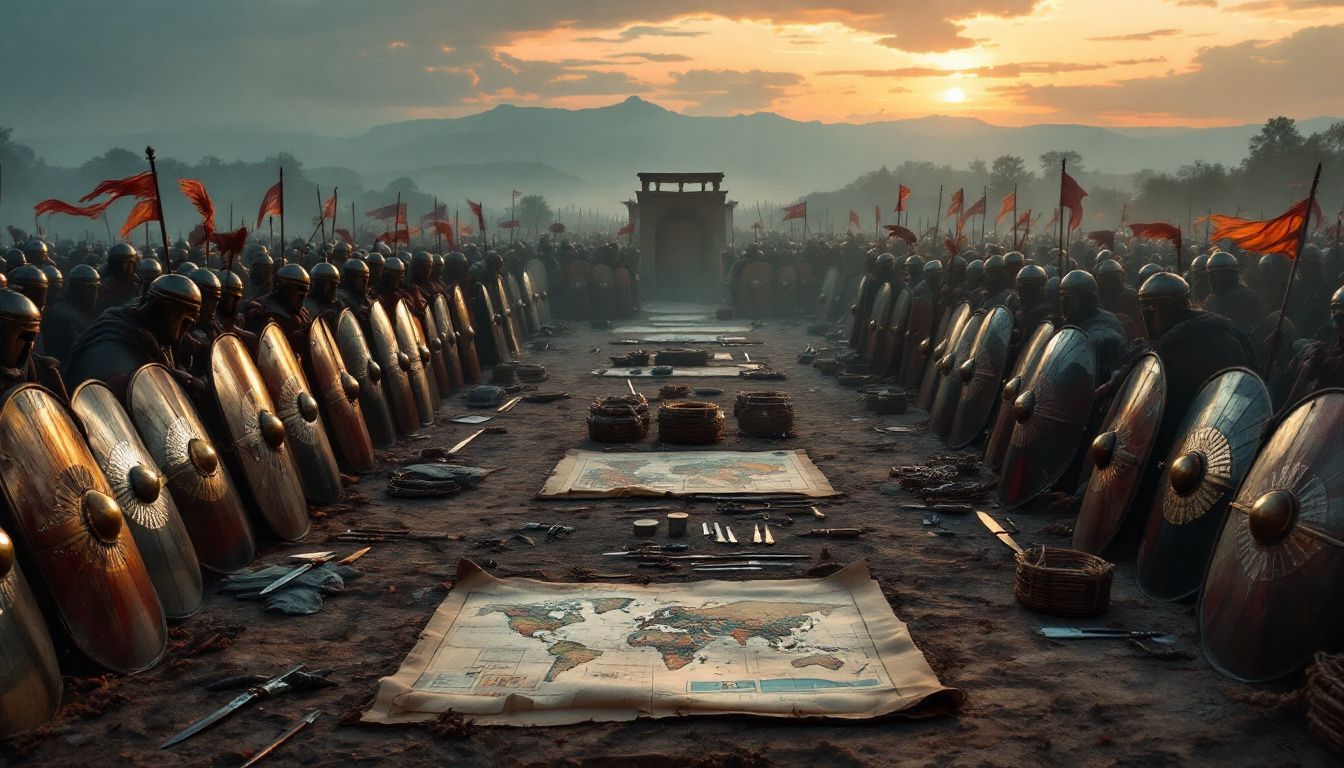
Rome’s rise and expansion to a powerful empire wasn’t just about luck. Their success came from smart battle plans and managing their vast lands well. They knew how to fight and win, using their strong army in smart ways.
Rome also had a new way of running things, which let them control far-off places without trouble. Their economy got better as they brought in wealth from the lands they conquered. This mix of military might, clever politics, and money smarts made Rome unstoppable for centuries.
Military Strategies and Conquests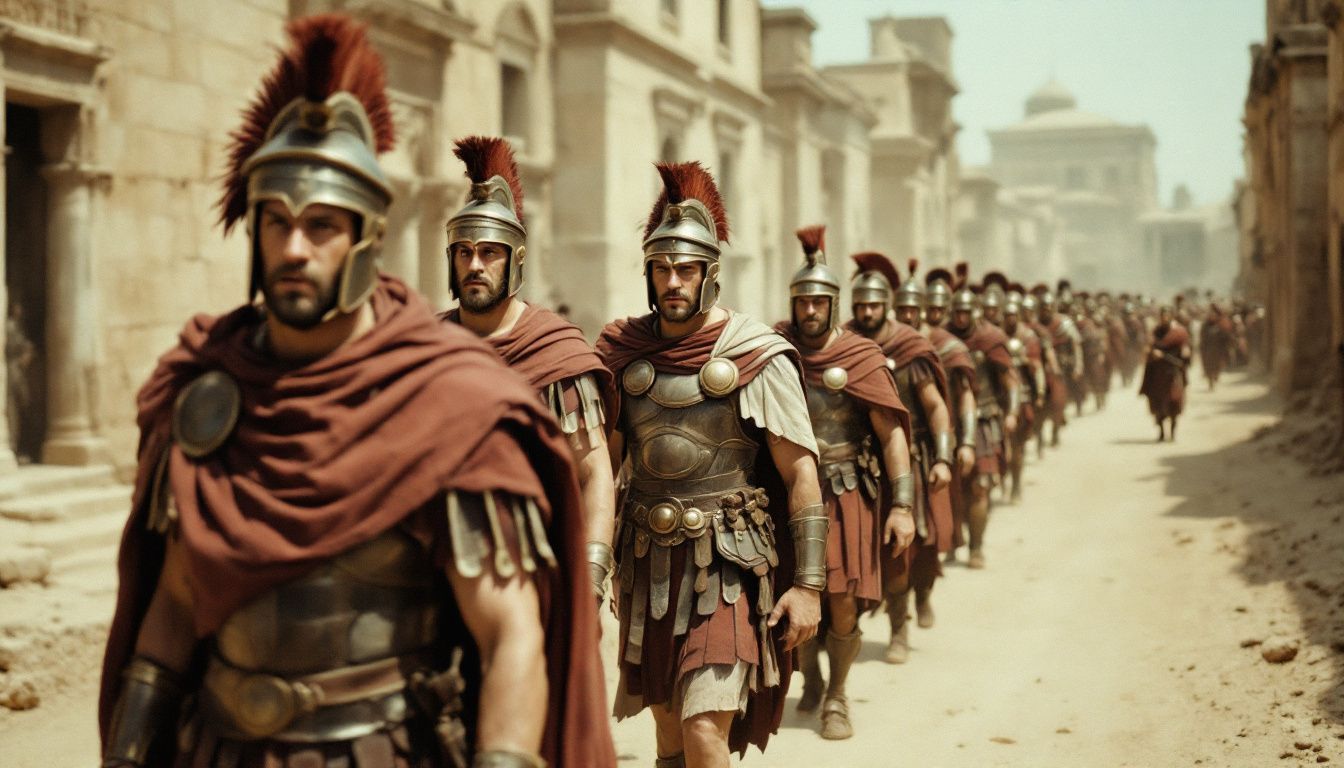
The Roman Empire’s army was a key to the rise and expansion of the Roman Empire. They used smart plans and were very disciplined. This helped Rome grow big from 625 BC to AD 476. Rome’s soldiers were well-trained and could fight in different ways, depending on the enemy.
They made strong places for defense all over their empire.
Rome also had clever leaders like Julius Caesar, who knew how to win wars. The empire got wealth and slaves from conquered lands, making Rome richer and more powerful.
Rome’s power lay not just in its army, but in its strategic genius.
Rome’s military strategies
Roman roads allowed fast movement for the army across vast lands. These roads also helped control the areas they took over by moving food, supplies, and messages quickly. Their military structure with legions spread out gave them an edge over rivals.
Evolution of Rome’s Military Strategies
Rome’s military strategies evolved dramatically as the empire expanded, adapting to diverse threats and opportunities across centuries. This evolution underpinned Rome’s transformation from a small city-state to a vast and enduring empire.
Early Phase: From Phalanx to Manipular Legion
Tribal Beginnings: Initially, Rome’s military closely resembled other Italic tribes, relying on citizen militias organized in rigid phalanx formations, influenced by the Greeks.
Manipular System:
As Rome encountered varied foes and terrains, it adopted the more flexible manipular legion. This structure divided the army into small units (maniples) arranged in three lines—hastati, principes, and triarii—allowing for superior maneuverability and adaptability in battle.
Republican Era: Flexibility, Integration, and Persistence
Flexibility and Adaptation:
The manipular legion’s flexible checkerboard (quincunx) formation enabled Romans to fight effectively in broken terrain and adapt to different enemy tactics. Skirmishers (velites) initiated engagements, then withdrew as heavier infantry advanced.
Learning from Defeats:
Facing capable adversaries like Hannibal, Romans adopted enemy innovations, improved cavalry use, and employed strategic patience—preferring attrition and long-term campaigns over immediate victories.
Strategic Engineering: Roman legions became renowned for constructing fortified camps (castra) every night during campaigns, ensuring security, discipline, and supply lines. Roads and fortifications improved strategic mobility and control.
Marian Reforms: Professionalization and Cohort System
Marian Reforms (c. 107 BC): Gaius Marius made the army a standing, professional force and replaced the manipular system with the cohort—larger, more versatile units that increased battlefield cohesion and organizational efficiency. The army now drew from all Roman citizens, not just property-holders, fundamentally expanding the military’s capacity.
Imperial Period: Standardization and Advanced Tactics
Standardized Training and Equipment: Roman soldiers were subjected to rigorous training and uniform weaponry (gladius, pilum, and scutum), enhancing discipline and unit cohesion.
Emphasis on Siege Warfare:
Advanced siegecraft and military engineering became hallmarks, with Romans developing battering rams, catapults, and the systematic encirclement of cities using ditches and ramparts. Notable is Caesar’s double-wall fortification at Alesia, defending on two fronts simultaneously.
Combined Arms Tactics:
The legion integrated specialized troops, including auxiliaries (often non-citizens), cavalry, and field artillery, making it effective against diverse enemy forces and improving operational range and flexibility.
Late Empire: Mobility, Cavalry, and Defensive Strategies
Mobile Field Armies: As threats on multiple borders increased, Rome shifted towards mobile field armies (comitatenses) and static border troops (limitanei), allowing rapid response to invasions and internal revolts.
Increased Cavalry Role: Facing nomadic and cavalry-heavy opponents, cavalry units became more prominent, providing necessary speed and flexibility in open-field engagements.
Defensive Posture:
The empire invested in permanent frontier fortifications (e.g., Hadrian’s Wall) and relied more on defensive tactics, including the use of barbarian allies as foederati
Political Innovations and Governance
Rome’s the rise and expansion was in the most part because its leaders knew how to rule. They set up a mix of monarchy, democracy, and aristocracy. This mix helped Rome grow strong and stable. Rome had two consuls at the top, elected by citizens to lead for one year.
Below them, the Senate, made of Rome’s noble families, decided on laws and money matters.
Rome also created laws that applied to everyone. This was new at the time. Before these laws, rulers or local customs decided right from wrong. Roman law became a model for many countries later on.
These innovations in ruling and law-making played a big part in how long Rome lasted and how it grew so large across three continents.
Leaders like Julius Caesar changed things too. Caesar brought more land under Roman control but his power scared many. His death led to more changes in how Rome was ruled until Augustus established peace as emperor – starting Imperial Rome’s peak era.
Rome’s Political Flexibility Fueled its Rise and Expansion
Rome’s ascent from a modest city-state to a vast empire was fundamentally shaped by its extraordinary political flexibility. This adaptability enabled Rome to confront new threats, govern expanding territories, and unify diverse peoples under its rule. Here’s how political flexibility contributed to Rome’s remarkable rise:
Evolution of Government Structures
-
Transition Through Political Systems
-
Rome’s ability to evolve from monarchy to republic to empire allowed it to respond effectively to internal disruption and external pressure. When monarchy was overthrown, the Republic was established, introducing broader civic participation and checks on individual power.
-
Later, facing new challenges, Rome transitioned to the empire under Augustus, centralizing authority and creating efficient administration that could better manage an expanding realm.
-
-
Legal and Administrative Innovations
-
Laws and government structures adapted to fit current needs, such as the creation of the Twelve Tables (Rome’s first formal legal code) and revision of political offices as Rome’s territories and populations grew.
-
Provincial administration was continuously modified to accommodate local customs while maintaining imperial order.
-
Inclusive Approaches to Citizenship and Rights
-
Integration of Conquered Peoples
-
Rome granted varying degrees of citizenship or rights to allied and conquered communities, creating loyalty and shared interests between Rome and its subjects.
-
The extension of citizenship—which culminated in the Edict of Caracalla (AD 212), granting citizenship to all free inhabitants—helped unify the empire and spread Roman culture and law.
-
-
Diplomatic Flexibility
-
Rome’s leaders often selected negotiation, alliance, or limited autonomy (e.g., local self-government) over brute force, reducing open rebellion and encouraging cooperation.
-
Adaptation of Political Offices and Power Distribution
-
New Roles in Response to Crises
-
During emergencies, Rome could temporarily grant extraordinary powers (e.g., the dictatorship) to trusted leaders, allowing decisive action without permanently threatening republican values.
-
As the empire grew, the creation of new offices (proconsuls, procurators) ensured more direct control over provinces and smoother governance.
-
Social and Institutional Reforms
-
Reforms to Address Inequality and Unrest
-
Political flexibility allowed for measures like the creation of the Tribune of the Plebs, giving the lower classes representation and a political voice, thus easing social tensions.
-
Repeated reforms to voting structures, land distribution, and military recruitment reflected Rome’s ongoing efforts to adapt institutions to changing circumstances.
-
Rome’s willingness to reshape its political framework in the face of new realities—by embracing new institutions, broadening citizenship, and reforming governance—was a key reason for its sustained growth, stability, and influence throughout antiquity.
Economic Expansion and Integration
During the rise and expansion of the Roman Empire it made a lot of money through wars. They took slaves and treasure from the places they conquered. This wealth changed Rome and its culture. The empire also grew because it could manage different lands across three continents – Asia, Africa, and most of Europe.
Roman roads tied these places together. These roads made trade easy throughout the empire. Trade brought in more money and spread Roman goods and ideas far and wide. After talking about how Rome got rich, we will look at what went wrong during their expansion.
Challenges and Setbacks During Expansion
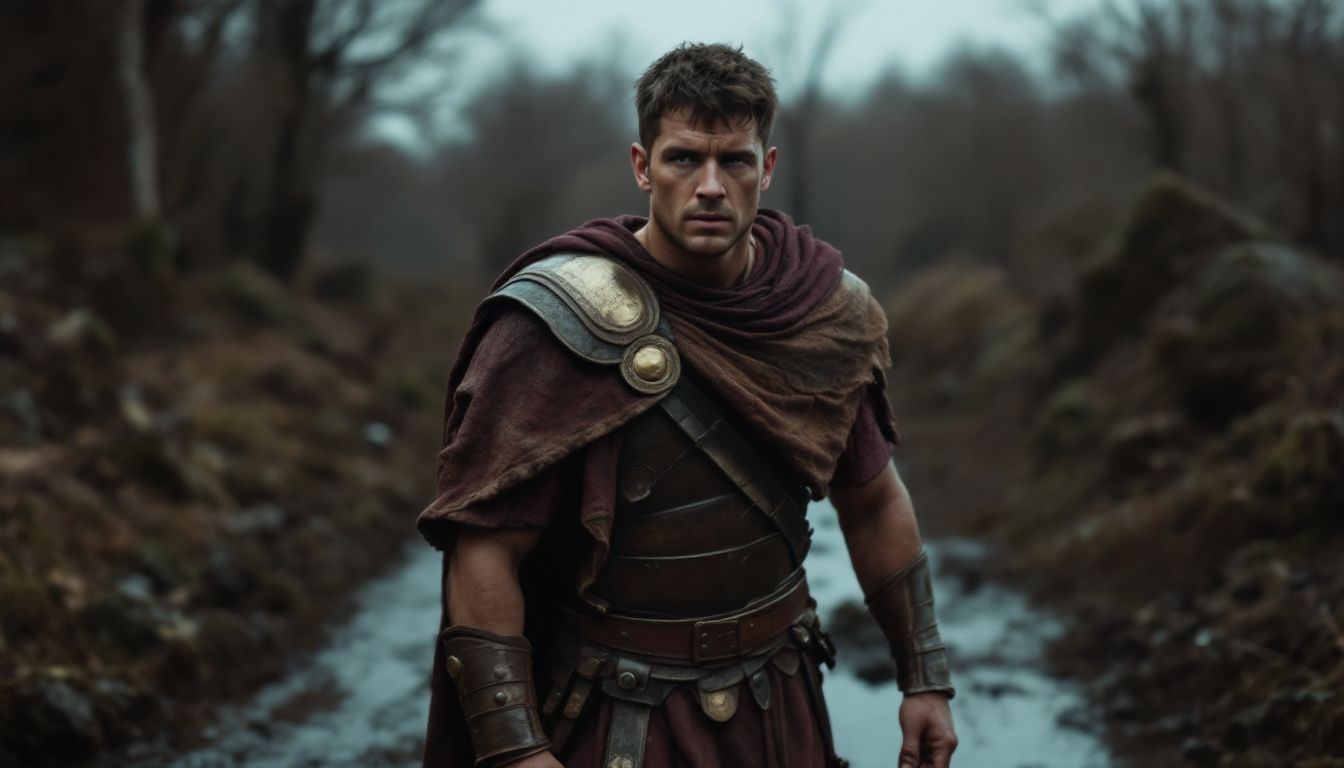
As the Roman Empire grew, it faced many hurdles. Their soldiers had to travel far and often struggled with supply issues. Leaders fought for power, causing instability. The empire’s economy also felt pressure as they relied heavily on taking over new lands.
Keep reading to find out how Rome dealt with these challenges during its expansion.
Military Overstretch and Logistics
The rise and expansion of the Empire meant the Roman army had to cover more ground. This made it hard for them to keep control of far places. Soldiers marched long distances, from Britain to Asia and Africa.
They carried heavy gear and fought in different lands. The Roman legions faced tough times with this big job.
Sending food, weapons, and supplies across three continents was a huge task. Roads and ships helped, but it was still slow work. As the empire grew bigger, these challenges also grew.
Sometimes, soldiers waited a long time for what they needed.
In some areas, local people or enemies attacked supply lines. This made things even harder for the Roman soldiers fighting far from home.
Political Instability and Succession Issues
Political instability and leadership problems often hurt the Roman Empire. After a ruler died, fights for power caused major issues. Leaders like Caligula and Nero showed that bad emperors could damage the empire’s stability.
Their rule led to unrest and weakened Rome’s control.
The chain is only as strong as its weakest link.
Many times, Rome had no clear plan for picking a new emperor. This lack of planning led to civil wars. Powerful generals or leaders would fight each other to become emperor. These fights hurt the people and made Rome weaker against enemies like barbarian invaders.
Choosing a new leader was always hard in Rome. The Julio-Claudian dynasty tried but failed to keep power within one family line. Later tries at stable succession, such as the Tetrarchy system Diocletian set up, also didn’t last long.
Each time leadership changed, it risked starting more conflict inside Rome.
Economic Strains and Dependency on Conquests
Moving from political issues, the Roman Empire faced economic problems too. Their economy relied heavily on war wins. They needed loot and enslaved people from their victories to boost their wealth.
This cycle made Rome very dependent on constant conquests.
As territories grew, costs did too. The empire spent a lot on soldiers and building projects like roads and baths. When conquests slowed down, money troubles grew. The Western Roman Empire struggled more with this than the Eastern part.
Legacy of the Rise and Expansion of Rome
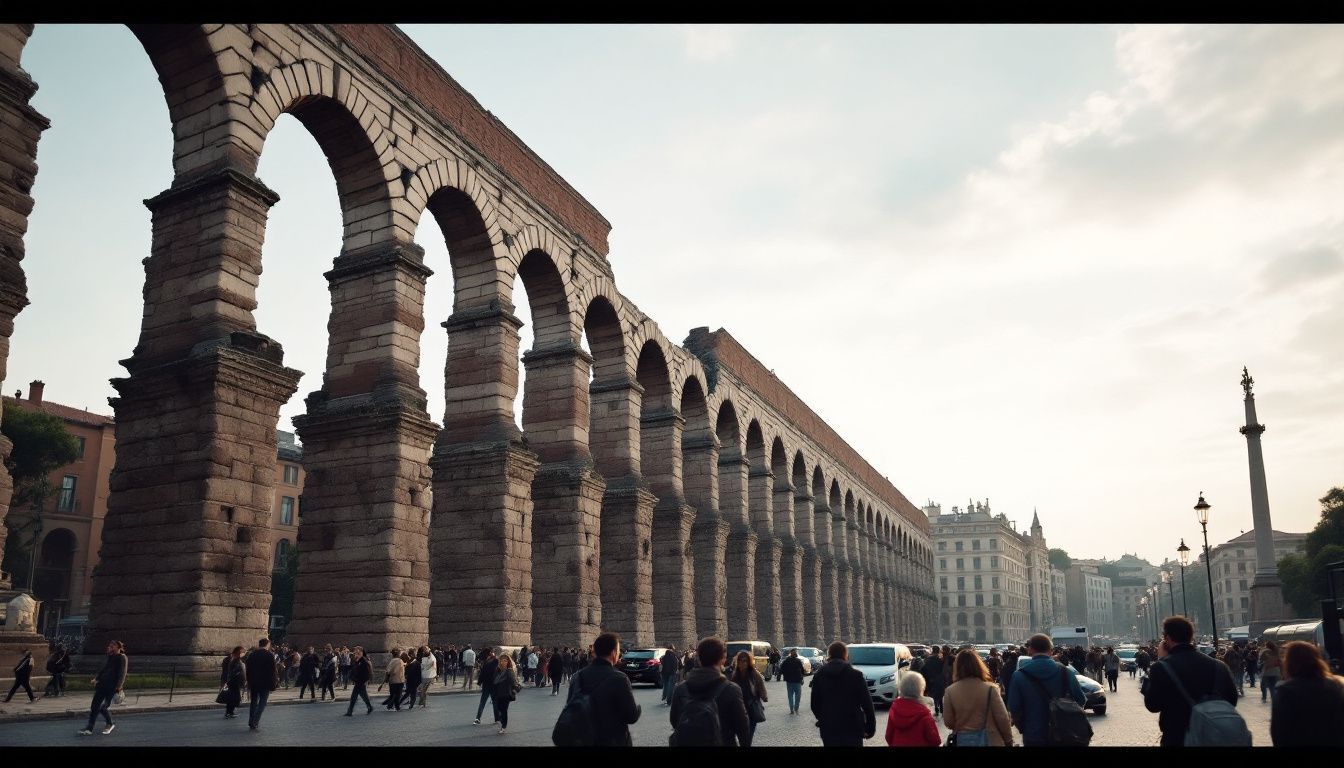
The Roman Empire left a big mark on the world. Its government system influences many countries today, and its buildings inspire architects all over.
Influence on Modern Governance
Rome’s ideas about law and governance still shape how we run countries today. Their government mixed parts of democracy, monarchy, and aristocracy. This mix is like what many countries use now.
For example, the Roman Republic had two consuls, much like modern presidents or prime ministers. They also had a senate with power over money and laws. Today’s congresses and parliaments work in similar ways.
Roman law was clear and written down so that people knew the rules. Countries around the world base their laws on Roman ones even now. Rome showed us how to build roads, manage cities, and keep records too.
These things are key for any country that wants to do well.
Even Roman mistakes teach us important lessons about not stretching our armies too thin or letting one person have all the power for too long. We learn from both their successes and their failures in leading a vast empire.
Cultural and Architectural Contributions
The Roman Empire left a big mark on the world with its culture and buildings. They built huge structures that we can still see today. The Romans were good at engineering. They made things like the Colosseum where people watched fights, and roads that connected far places.
They also made aqueducts to bring water into cities.
Romans loved art too. They made beautiful mosaics and statues. Their language, Latin, became very important. It helped create many words in English and other languages. People still study Roman laws and government ideas because they were so advanced for their time.
Their influence shows in modern buildings too. Many use ideas from Roman architecture. So, everywhere you look, you can see how Rome has shaped our world today.
Conclusion
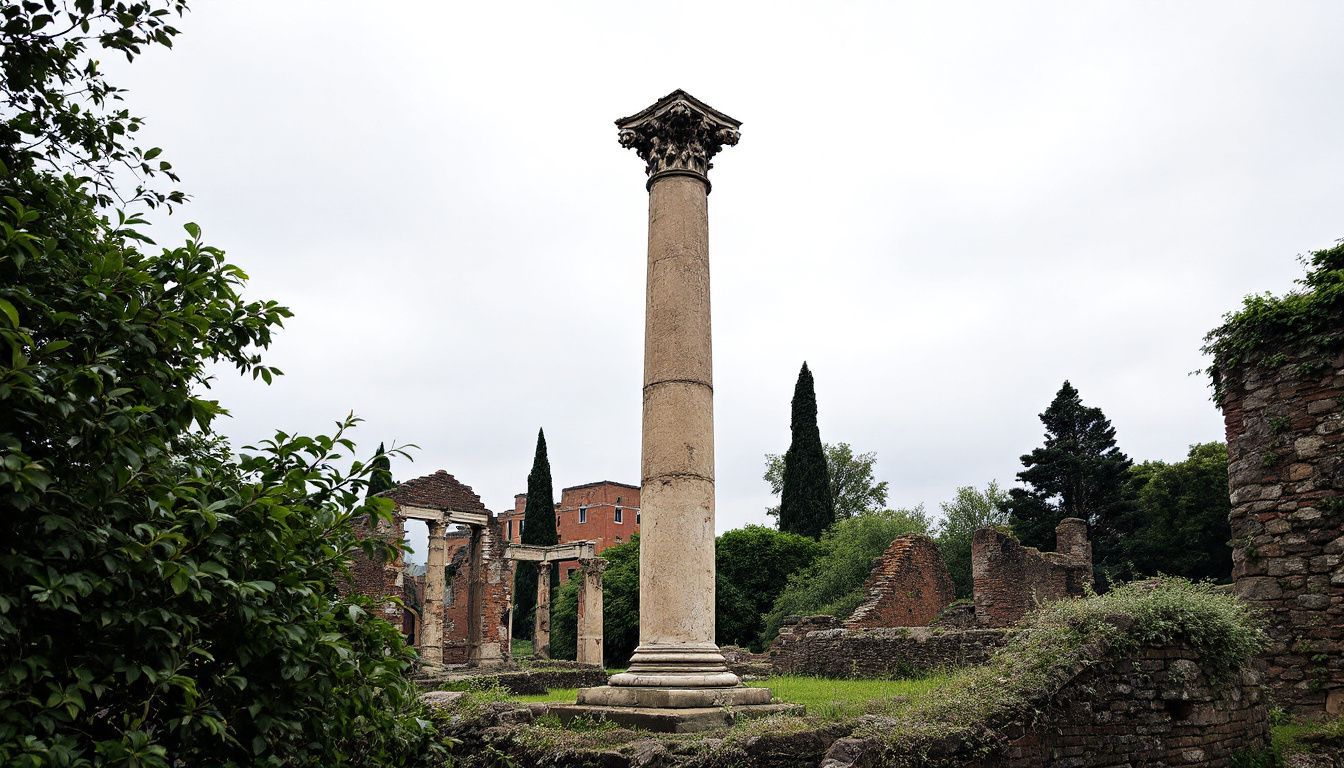
Rome started small and grew big. It took over lots of places. Its army was strong, and so was its way of ruling. This helped Rome last a long time. Rome’s story teaches us about building something that lasts.
Let’s learn from it to build our own lasting things.
FAQs
1. What led to the rise and expansion of the Roman Empire?
The rise and expansion of the Roman Empire was due to a combination of factors, including strategic military tactics, strong leadership from emperors like Constantine The Great and Marcus Aurelius, as well as their efficient government structure.
2. How did Ancient Rome manage such vast territories during its imperial period?
During its imperial period, Ancient Rome managed vast territories through an intricate system of governance. The emperor held ultimate authority but relied on senators, equites (knights), and freedmen for administration in senatorial provinces.
3. Who were some notable figures in Roman history that contributed to the empire’s growth?
Notable figures include Tiberius, Claudius, Antoninus Pius from Flavian Dynasty and Constantine The Great who transitioned Rome into Christianity. Also noteworthy are ‘Five Good Emperors’ which included Marcus Aurelius.
4. Can you explain what happened during the Crisis of Third Century in ancient Rome?
The Crisis of Third Century was a time when Roman state faced severe challenges including barbarian invasions by Germanic tribes and Huns, economic downturns following Antonine Plague and political instability with frequent changes in rulership.
5. What caused the decline of Western Roman Empires?
Several factors led to western empires’ decline – internal conflicts marked by power struggles among leaders like Romulus Augustulus; external pressures from barbarian invasions; economic crises; weakening military strength due to reliance on foreign mercenaries like Odoacer; cultural shifts with Latin language losing prominence among roman citizens.
6. How did Eastern Roman or Byzantine Empire continue after fall of Western counterpart?
Eastern empire under leaders like Diocletian’s reforms survived longer than western counterpart due largely to its strategic location at Byzantium (now Istanbul). It maintained stability through strict control over military forces against threats from Turks while preserving elements of roman world such as roman engineering, literature and chariot racing at Circus Maximus.