Contact us: ww@blogquizshop.com


 Cart is empty
 Coastal Landforms, what are the current challenges they face?







How is climate change accelerating coastal erosion and cliff destabilization?
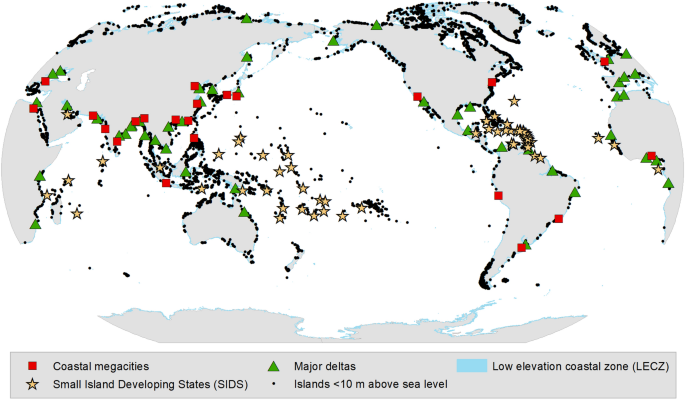
Climate change is accelerating coastal erosion and cliff destabilization changing coastal landforms. This is through several interconnected mechanisms, primarily driven by rising sea levels, increased storm intensity and frequency, and changing weather patterns.
Rising Sea Levels
As global temperatures increase, ice sheets melt and ocean water expands, causing sea levels to rise. This pushes the shoreline further inland and increases the reach and power of waves, which erode beaches and cliffs more rapidly.
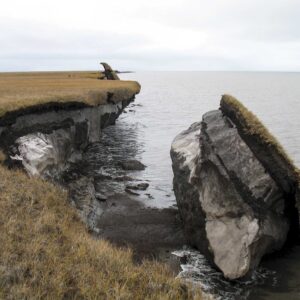 For cliffs, rising sea levels allow wave energy to attack the base (toe) of the cliff at higher elevations and for longer durations, undermining stability and leading to increased rates of cliff retreat.
Even historically stable rock coasts are now expected to retreat at rates three to seven times greater than current rates by 2100, with some projections suggesting up to an order of magnitude increase in erosion.
Increased Storm Frequency and Intensity
Climate change is linked to more frequent and intense storms, which generate larger waves and higher storm surges. These events can rapidly remove sand from beaches and accelerate the erosion of cliffs and shorelines.
Storm surges and high tides now reach further inland, exposing previously dry land to erosion and flooding, and weakening coastal structures.
Changing Weather Patterns
Increased winter rainfall and more variable precipitation can lead to higher groundwater levels and saturation of cliff materials, making them more prone to landslides and slumping.
Drier summers can paradoxically increase the risk of cliff instability by reducing vegetation cover that helps bind soils and reduce surface runoff.
Specific Impacts
Beaches
Beaches are squeezed between rising seas and coastal development, leaving them unable to migrate inland naturally. This “coastal squeeze” results in narrower beaches and loss of habitat for both people and wildlife.
Sediment supply is further reduced by human activities such as dam construction, which traps sand upstream that would otherwise replenish beaches.
Cliffs
Cliffs are destabilized by increased wave attack at their base, as well as by groundwater and rainfall-induced landslides. This leads to more frequent and larger cliff failures.
Even hard rock cliffs, traditionally thought to be stable, are now recognized as highly sensitive to sea level rise and climate-driven erosion.
Broader Consequences
Loss of Land and Property
Coastal erosion is responsible for significant land loss and property damage, with billions of dollars in assets at risk globally.
Wetlands and other natural buffers are lost, reducing protection against storms and floods and diminishing carbon storage capacity.
Increased Risk to Communities
Coastal communities face heightened risk from flooding, property loss, and infrastructure damage as erosion and cliff retreat accelerate.
In summary, climate change is accelerating coastal erosion and cliff destabilization through rising sea levels, more frequent and intense storms, and changing weather patterns. These factors combine to increase the vulnerability of coastal landforms and the communities that depend on them
Why are some beaches more vulnerable to rising seas than others?
Some beaches are more vulnerable to rising seas than others due to a combination of physical, geological, and human factors that influence how they respond to sea level rise and coastal change.
Key Reasons for Differential Vulnerability
1. Sediment Supply and Sand Budget
Beaches with a positive sediment budget—where more sand is added than removed—can actually grow or maintain their size, even as seas rise. This can occur naturally, such as from nearby rivers delivering sediment, or through human intervention like beach nourishment projects.

Conversely, beaches in a sand deficit—where sand is being lost faster than it is replaced—are much more vulnerable to erosion and retreat as sea levels rise.
2. Beach Elevation and Slope
Low-lying beaches and barrier islands are particularly sensitive to even small increases in sea level, as they can be quickly inundated or eroded.
Beaches with a gentle slope allow water to travel further inland, increasing the risk of flooding and erosion compared to steeper beaches.
3. Natural and Human Barriers
Natural features like dunes, wetlands, and mangroves can buffer beaches from rising seas and storm surges. If these are degraded—by development, trampling, or removal—the beach becomes more exposed and vulnerable.
Hard structures such as seawalls can prevent beaches from migrating inland in response to rising water, leading to a phenomenon called “coastal squeeze,” where the beach is trapped and eventually lost.
4. Local Sea Level Changes and Land Movement
The rate of local sea level rise can differ from the global average due to land subsidence (sinking), tectonic uplift, or other regional factors. For example, some areas experience faster relative sea level rise due to land sinking, making their beaches more susceptible to erosion and flooding.
5. Storm Frequency and Intensity
Beaches that are frequently hit by storms or hurricanes experience more sand removal and are less able to recover between events, making them more vulnerable to long-term erosion.
6. Human Activities
Coastal development, damming of rivers (which reduces sediment supply), and destruction of protective dunes or wetlands all increase vulnerability to rising seas
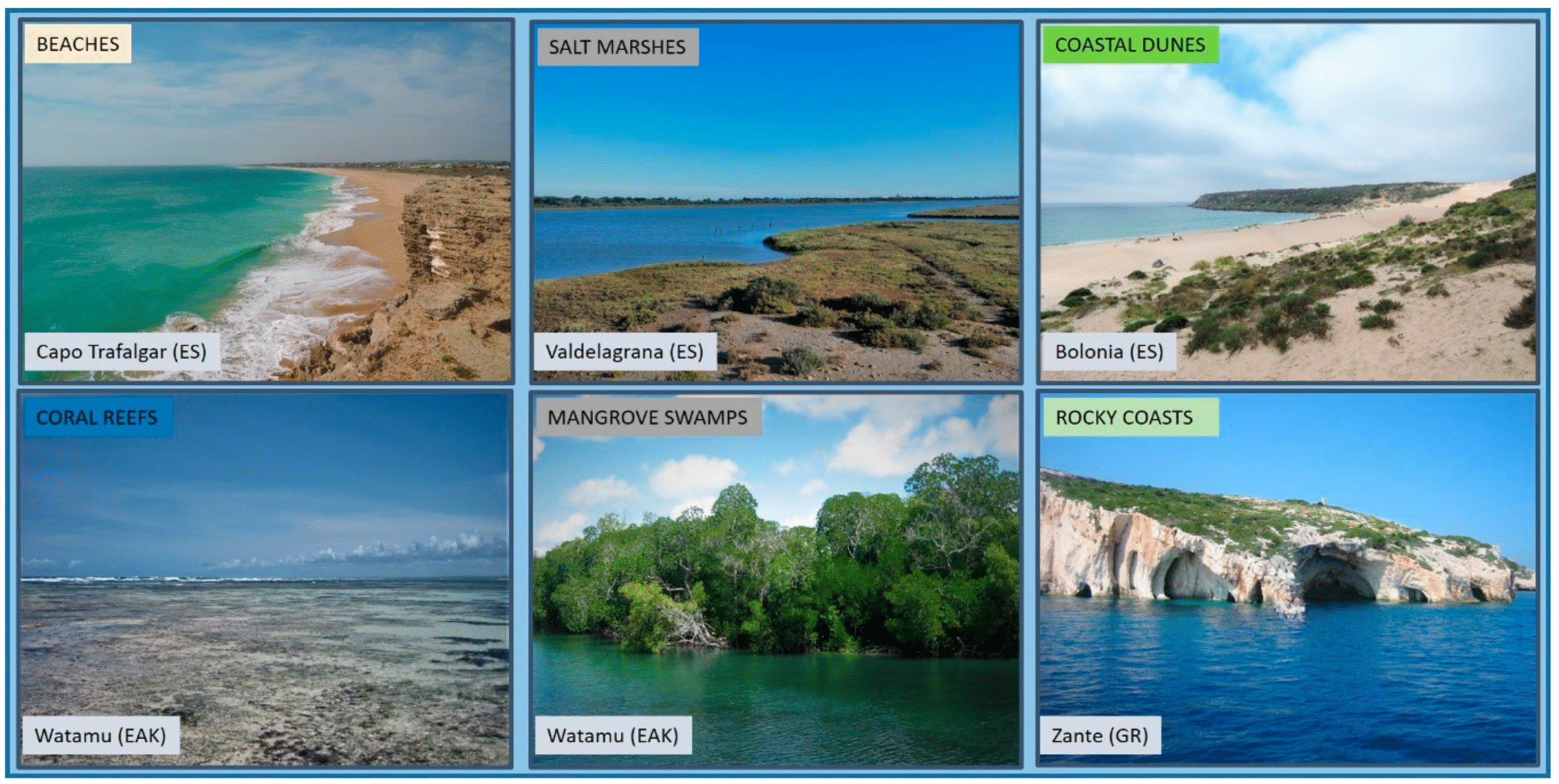
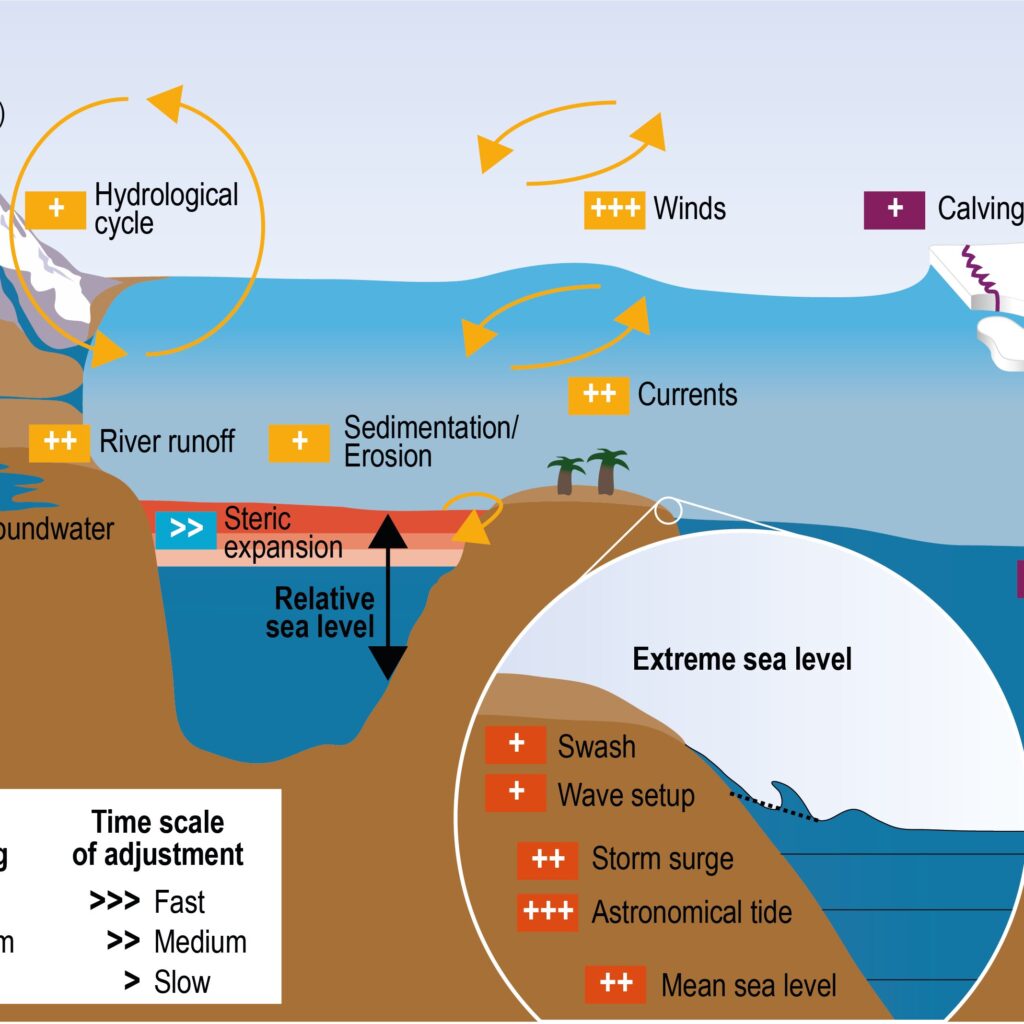
Types of Coastal Erosion

Coastal erosion comes in two main forms. We see geological erosion where rocks and cliffs wear away over time due to waves and weather. Then, there’s human-induced erosion, where our own actions speed up this natural process.
Geological erosion
Geological erosion shapes our coastlines through the power of waves, wind, rain, and tides. This natural process wears away at land near beaches, dunes, cliffs, and salt marshes. Over time, it can lead to the loss of coastal landforms both land and habitats.
Waves hit sea cliffs with great force. As a result, bits of rock break off over time.
This erosion is not just about losing land. It also moves sediments from one place to another along shorelines through processes like longshore currents. Sediments that once made up beaches and barrier islands might end up far away due to these powerful water movements.
The shoreline’s beauty is carved by the relentless force of geological erosion – showcasing nature’s power in every wave.
Beaches face risks too when sand nourishment cannot keep up with the fast pace of erosion. Without action, recreational spots and homes near the ocean could disappear under rising waters or become unsafe because of unstable ground.
Human-induced erosion
Moving from natural factors, we see that actions by people also play a big part in erosion of coastal landforms. People build on the coast and near water. They add buildings, roads, and other structures.
This can change how sand moves along the beach. It can also lead to more erosion.
Building things like seawalls and jetties aims to protect the shore. But these can cause problems too. They may stop sand from moving as it should, leading to less sand down the coast.
Dredging in rivers and streams can also harm coasts by taking away sediment that helps beaches grow.
Pollution from construction harms plants on dunes and cliffs that help keep them strong against waves and wind. Without these plants, shores erode faster. All these human activities increase coastal erosion a lot beyond what nature would do alone.
Current Challenges Facing Coastal Landforms
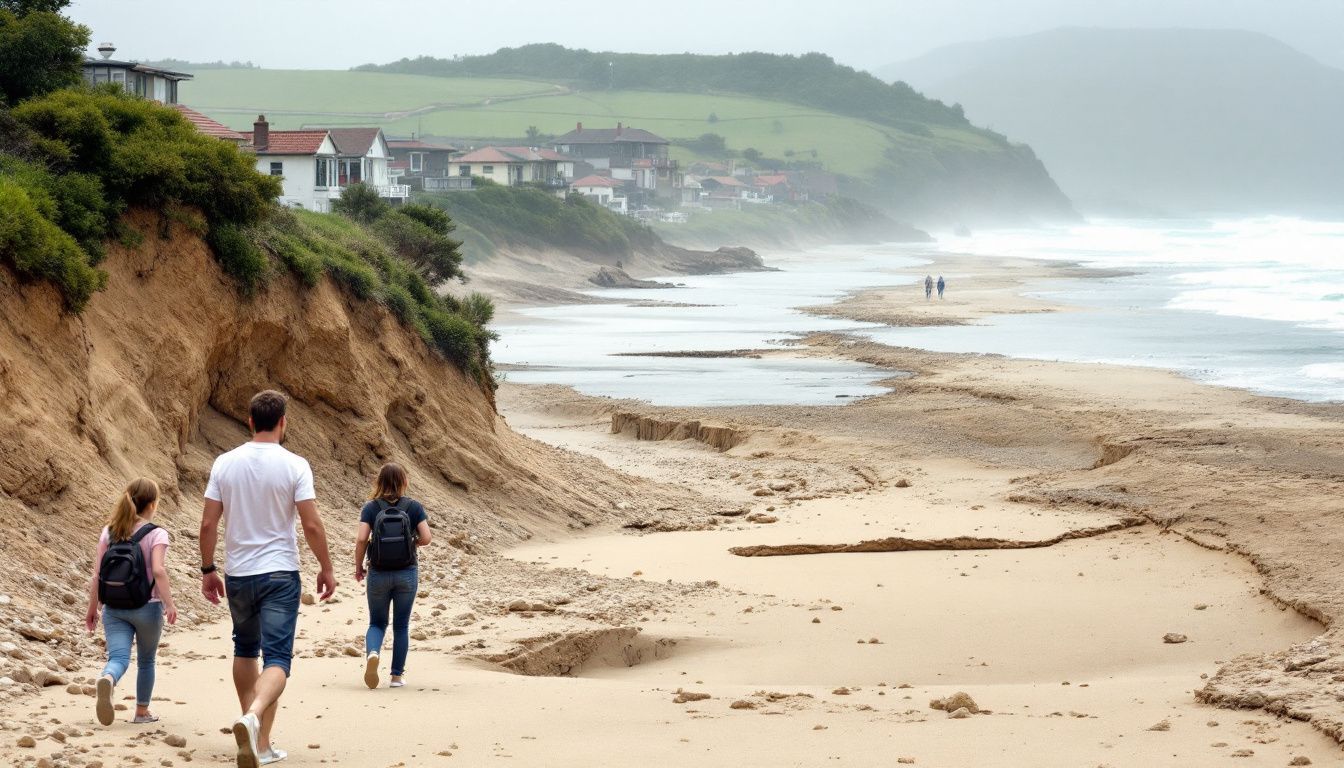
Coastal landforms face big problems today. From oceans getting higher to more storms and people building too much, the pressure is on.
Rising sea levels
Sea levels are going up because of climate change. This is a big problem for all coastal landforms, beaches, cliffs, and shorelines. The water gets higher and can wash away the land. This means there is less beach for people to enjoy and less land for animals that live near the sea.
As sea levels rise, storms get worse too. They can break seawalls and other things built to keep the water back. When this happens, it can hurt places where people live and play. High tides might flood towns more often.
Beach erosion becomes a bigger issue as well, taking away sand from our shores faster than before.
Increased storm frequency and intensity
Storms are getting stronger and happening more often. This makes big waves and heavy rain hit the coast hard. When storms come, they can wash away beaches, break down cliffs, and flood places where people live.
The land near the water gets hurt a lot by these storms.
More storms mean more problems for animals and plants living near the shore too. They lose their homes when beaches erode or get flooded. People try to fix these problems by putting up walls or adding sand to beaches, but it’s tough to keep up with all the damage from more frequent storms.
We see damage costs going up because of these stronger storms. It takes a lot of money to repair what each storm breaks or ruins along the coast.
Human activities like construction and pollution
Construction near the coast can harm beaches and cliffs. Buildings and roads often change how water flows. This can make erosion worse. Erosion takes away sand from beaches. It also makes cliffs fall apart faster.
When we build too close to the shore, it blocks natural paths for water and sand. This harms places where plants grow and animals live.
Pollution is another big problem for coastal areas. Trash, oil, and chemicals hurt marine life in oceans and on shores. These harmful things come from cities, factories, and farms that are too close to the water.
Pollution changes the water quality. It kills fish and plants in coral reefs, lagoons, estuaries, and tidal flats.
We use hard structures like seawalls to stop erosion but they can cause more problems down the coast. Soft solutions like beach nourishment add sand back to beaches without hurting nearby areas as much.
Impact of Erosion on Coastal Landforms and Ecosystems
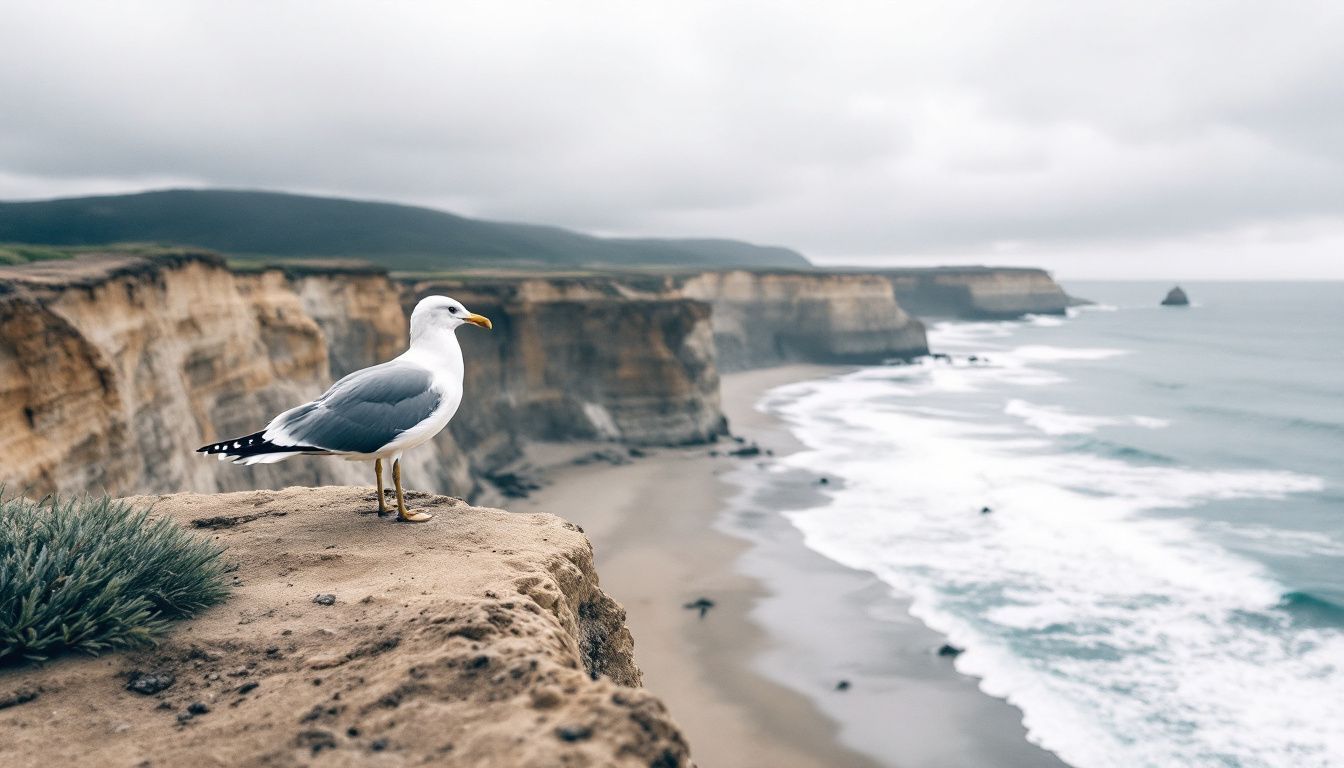
Erosion washes away homes for animals and plants. It also changes how sand and mud move in the water.
Loss of habitat
Animals and plants lose their homes when coasts erode. This happens because the land they live on washes away into the sea. Many shorebirds, fish, and coastal plants need these areas to survive.
They use beaches for nesting and feeding. When erosion takes away beaches, dunes, cliffs, and wetlands, these living things have nowhere to go.
This problem gets worse with climate change. Sea levels are rising and storms are getting stronger. These changes destroy more habitats along the coast. As habitats disappear, so do many kinds of life that depend on them.
People try to fix this by adding sand to beaches or building barriers like seawalls. But these actions can also harm the environment by changing natural processes like sediment transport along shores.
Changes in sediment transport
Changes in how sand and dirt move can make big problems for coastal places. This happens because of waves, wind, and tides moving these materials along the coast. When this balance gets upset, beaches might shrink or grow too much in some areas.
Storms and rising sea levels are making these changes worse. They cause more sand and dirt to move away from where they usually stay. This leads to less land near the water for animals and plants.
Marine life gets disrupted as their homes change too much.
Man-made structures like seawalls try to stop erosion but can mess up natural sand movement. This often makes erosion worse further down the coast. Green solutions are trying to fix this by working with nature instead of against it.
Disruption of marine life
Erosion and human activities harm sea life. These actions remove sand from beaches and mud from the sea floor. This change affects animals that live in these places. Without their homes, many sea creatures must move or die.
Every action on our coasts affects the vast network of life beneath the waves.
Pollution also plays a big part in harming ocean animals. When harmful substances enter the water, they can make it hard for fish to breathe and find food. Over time, this can lead to fewer fish in the sea and disrupt food chains.
Building structures like seawalls hurts marine habitats too. These walls stop natural processes that help shape coastal areas where many young fish grow up safe from predators. With fewer safe places, many species struggle to survive.
Innovative Solutions to Combat Coastal Erosion
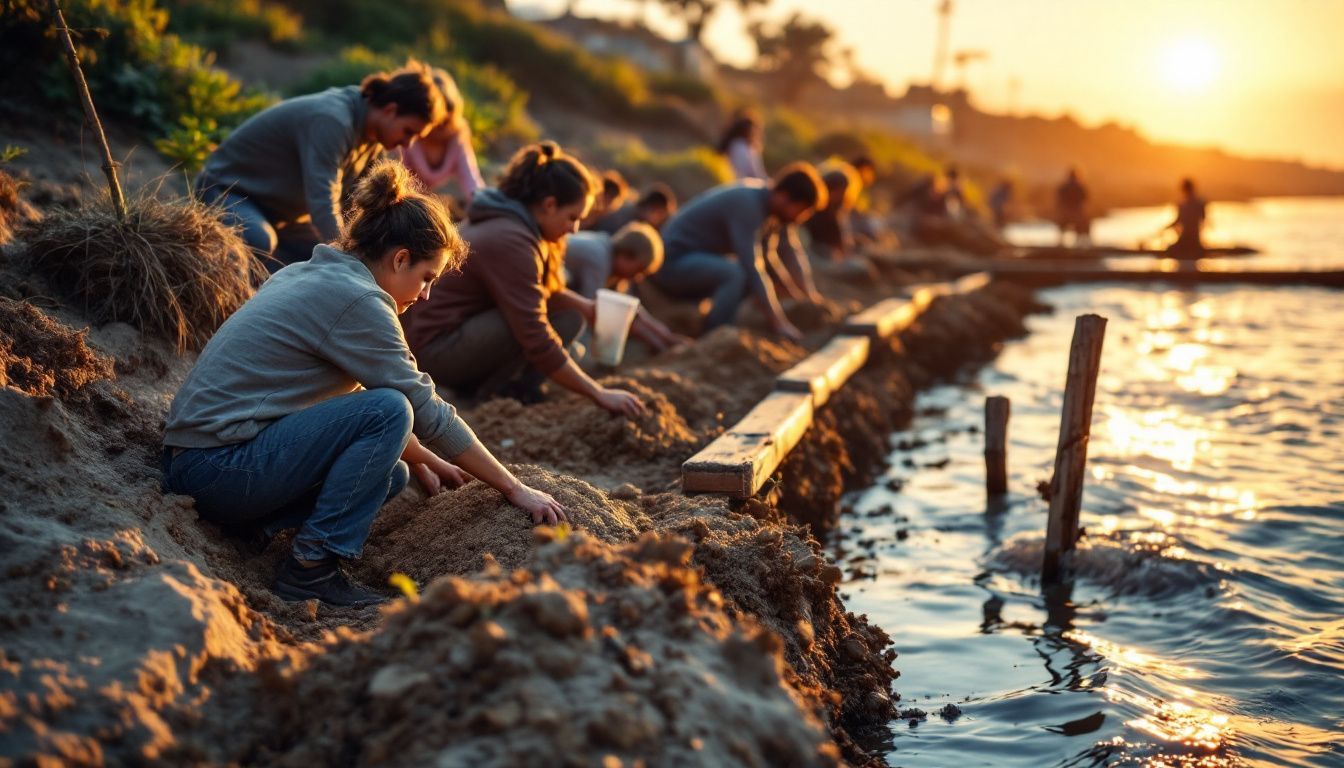
To fight against coastal erosion, people are getting creative with their solutions. They’re using beach fill to add more sand to beaches. They also use living barriers like plants and other natural materials to protect the shore.
Big structures like walls and wooden barriers in the water can help too. These steps show we’re thinking of smart ways to keep our coasts safe from erosion. Want to see how these actions make a difference? Keep reading for some inspiring stories of coastal protection in action.
Beach nourishment
Beach nourishment involves adding sand to a beach. This process helps in fighting erosion and keeping the beach area safe. Trucks or ships bring in new sand from other places. The added sand matches the original beach as closely as possible.
This way, it blends in well and looks natural.
After putting more sand on the beach, plants might be added to help hold it in place. These plants stop wind and waves from taking the sand away too quickly. Next up, green infrastructure solutions offer another way to protect our coasts.
Green infrastructure
Green infrastructure uses plants, soils, and natural processes to manage water and create healthier environments. For coastal zones, this can mean planting vegetation that stabilizes sand dunes or using rain gardens to soak up stormwater before it floods the area.
These methods work with nature to protect against erosion and flooding. They also make places nicer for people and animals.
Using green infrastructure in coastal areas is smart because it tackles problems like shoreline erosion without harming the environment. It’s different from hard structures like sea walls that can actually make erosion worse in some places.
Plus, green solutions often cost less over time.
Nature offers simple, effective ways to deal with coastal challenges.
Next up are engineering adaptations like seawalls and groynes which offer another approach to managing coastal erosion.
Engineering adaptations like seawalls and groynes
Seawalls and groynes are strong barriers built to protect the coast from erosion. Seawalls stand tall like guards by the shore, blocking waves and stopping them from washing away the land.
They are made of concrete, steel, or large rocks. On the other hand, groynes stretch out into the sea like fingers. They trap sand moved by longshore drift, keeping beaches in place.
These structures do more than just fight erosion; they also help manage coastal flooding. When storms surge and waves grow high, seawalls step up to shield homes and roads behind them.
Groynes make sure beaches stay put, acting as natural buffers against storm damage.
Moving forward, beach nourishment is another way to tackle coastal challenges…
Conclusion
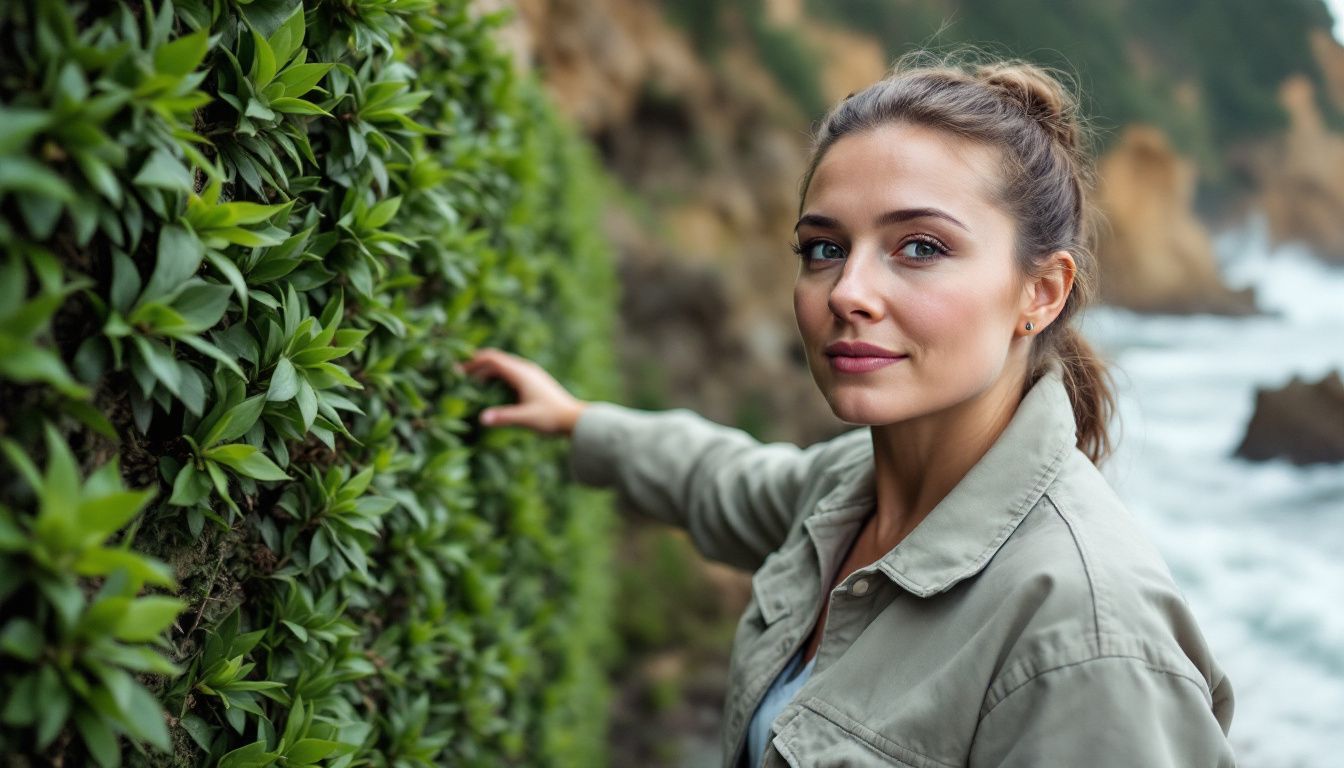
The Coasts and coastal landforms face big threats. Rising seas and more storms harm beaches, cliffs, and shorelines. We talked about ways to fight erosion like beach feeding and green walls. These steps help keep coasts safe.
Let’s care for our ocean edges together!
FAQs
1. What challenges do coastal landforms, beaches, cliffs, and shorelines currently face?
Coastal environments are increasingly threatened by sea-level rise, storm surges, and the long-term effects of climate change. Erosion due to wave action and tidal currents can degrade these areas significantly.
2. How does human activity impact coastal landforms and dynamics?
Human impacts on coastal regions can exacerbate problems caused by natural processes like erosion or sediment deposition. Infrastructure such as breakwaters and revetments may disrupt longshore sediment transport leading to further degradation.
3. Can you explain the role of climate change in altering marine ecosystems?
Climate warming is causing sea levels to rise which affects intertidal zones, offshore habitats, river deltas and other marine environments. This also increases the frequency of storm surges disrupting the balance in these delicate ecosystems.
4. What’s happening with beach erosion?
Beach erosion is a significant issue affecting many oceanfront locales… It results from erosive action from waves, backwash from storms and aeolian processes that remove sand from beaches faster than it can be replenished naturally or through beach nourishment efforts.
5. Why is managing freshwater inflow important for coastal resilience?
Freshwater inflow maintains environmental conditions necessary for coastal vegetation which plays a crucial role in shoreline protection… However eutrophication due to excess nutrients in freshwater can lead to degradation of these habitats
6.What nature-based solutions are being explored for coastline management?
Nature-based solutions include preserving or restoring natural features like sandbars or tidal inlets that help buffer against wave action… Other strategies involve enhancing the sediment budget through measures like beach replenishment where eroding beaches are ‘nourished’ with additional sediments.