Cart is empty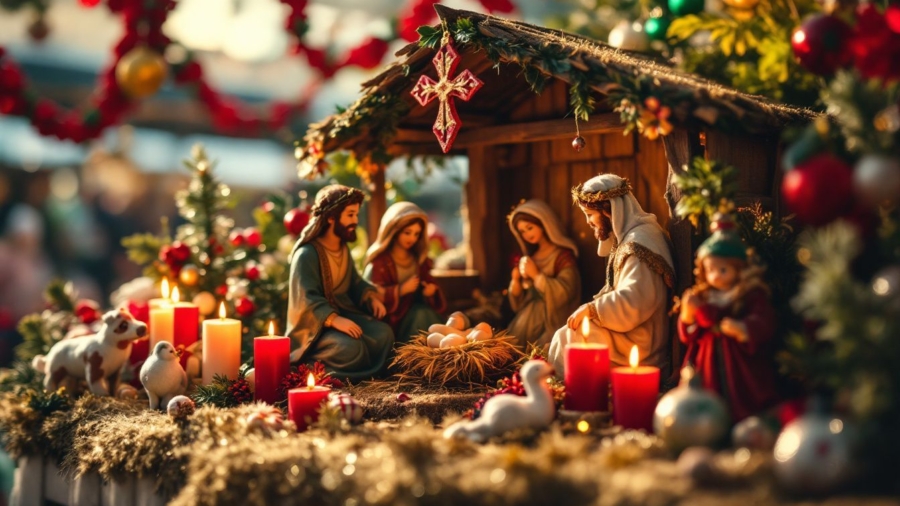
What are some major religious and traditional holidays celebrated in Italian society?
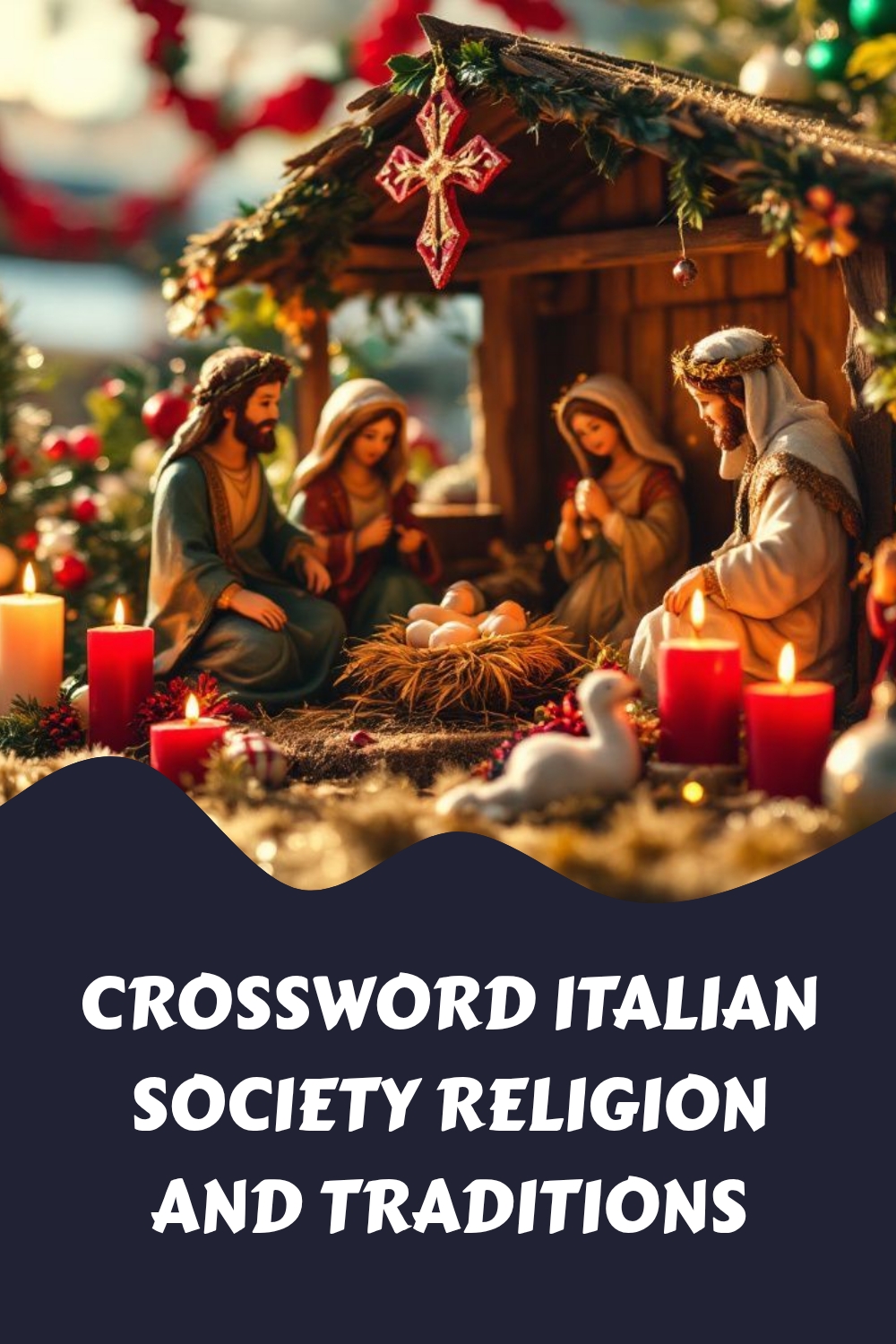
Italian society celebrates a variety of religious and traditional holidays throughout the year. Key religious observances include the Feast of the Epiphany (January 6th), marking the end of the Christmas season and featuring the figure of La Befana who delivers gifts. Easter (Pasqua) is celebrated with religious processions and special foods. December 8th marks the Festa dell’Immacolata (Feast of the Immaculate Conception), which officially begins the Christmas season with masses, processions, and the setting up of nativity scenes.
Christmas Eve is also significant in Italian society, with Midnight Mass often attended at St. Peter’s Basilica in Rome. Beyond these, local patron saint days are widely celebrated with parades and community events. Traditional festivals include the Venice Carnival in February, known for its elaborate masks and costumes, Carnevale (Italy’s version of Mardi Gras) with parades and festivities before Lent, Ferragosto on August 15th, a mid-summer national holiday rooted in ancient Roman times, and New Year’s Eve (Capodanno) with fireworks and traditional foods.
How does Catholicism influence Italian society and culture?
Catholicism has a profound and historical influence on Italian society and culture. The presence of the Vatican within Rome reinforces its significance. While no longer the state religion, Catholicism shapes many aspects of Italian life, including the calendar of public holidays and festivals. Rites of passage like baptism, first communion, confirmation, and marriage are deeply tied to the Catholic faith. Historically, laws have often reflected religious beliefs.
Religious festivals are central to community life, bringing people together for celebrations and strengthening social bonds. Although church attendance has declined, particularly among younger generations, a deep Catholic culture still informs the lives of many Italians, influencing their values and daily customs.
What role do regional dialects play in Italian culture?
Italy is home to a rich diversity of regional dialects, which are sometimes considered separate languages. While standard Italian, based on the Tuscan dialect of Florence, is spoken by the majority and is the language of education and media, these regional dialects remain vital in preserving local culture and identity. They reflect the unique history and traditions of each area.
While the use of dialects is fading, particularly in urban areas and among younger generations, they are still spoken by a significant portion of the population, especially in the south and among older generations. These dialects are crucial for maintaining a connection to the past and expressing local heritage.
How important is family in Italian society?
Family is a cornerstone of Italian society, holding immense importance and often coming before individual needs. Relationships between family members are highly valued. Family gatherings, particularly for Sunday lunches and holiday celebrations like Christmas and Easter, are cherished traditions that strengthen familial ties.
Extended families often live close to each other, and several generations may even live under one roof. This strong emphasis on family is a key aspect of Italian culture and social life, serving as the primary unit of community and support.
What are some unique food traditions linked to Italian festivals?
Many Italian religious festivals and holidays are deeply intertwined with unique food traditions that carry symbolic meaning and regional significance in Italian society. On Christmas Eve, a meatless fish and seafood dinner is customary, stemming from the Catholic practice of fasting. Christmas Day features elaborate family lunches with roasted meats and traditional sweets like Panettone and Pandoro, which are also central to Epiphany celebrations.
Easter is marked by roasted lamb, symbolizing purity, and special pastries like Pastiera Napoletana and Colomba di Pasqua. Carnival season brings a variety of fried sweets. For New Year’s, lentils are eaten with cotechino or zampone for prosperity. St. Joseph’s Day features cream-filled pastries called zeppole. Regional festivals often highlight local ingredients and dishes.
How has immigration impacted the religious landscape of Italy?
Immigration has led to a significant increase in religious diversity in Italy this has had an impact on Italian society. While Catholicism remains the dominant religion, new communities practicing other faiths have grown. Italy now has a notable Orthodox Christian population, largely due to migration from Eastern Europe, and a growing Muslim community, which is the second-largest religious group.
Other religious communities, including Protestant, Hindu, Sikh, and Buddhist, also exist. This influx of different faiths has contributed to a more pluralistic environment, although Catholic traditions remain highly visible in public life. The presence of these diverse religious practices adds to the rich cultural tapestry of Italy.
What is the “Italian problem” regarding Italian Catholic immigrants in the United States?
The “Italian problem” refers to the perceived religious condition of Italian Catholic immigrants in the late 19th and early 20th centuries in the United States. American Catholic clergy, largely of Irish descent, saw Italian immigrants’ devotion as a “scandal” and a “problem.” This was because many Italian immigrants did not attend church regularly, go to mass, send their children to parochial schools, or contribute financially to churches in the way that the established American Catholic community did.
Scholars have explored this, noting that the Italian religious practice, particularly from Southern Italy, was often more public and emotional than the urban, industrialized devotion of American Catholics. Furthermore, historical research in newly opened Vatican archives suggests that the “problem” was also influenced by factors such as the poverty of the church in Southern Italy at the time of migration, a lack of properly trained priests among the immigrants, and political dynamics within the American Catholic hierarchy which sometimes resulted in a lack of assistance for Italian immigrants.
What are some key social norms and customs in Italian society?
Italian society is characterized by several key social norms and customs. Family comes first, with strong bonds and frequent gatherings. Socializing is a key part of the culture, often centered around sharing meals or enjoying a coffee or glass of wine. Respect for authority figures, such as parents and teachers, is important.
Food is central to everyday life, valued not just for sustenance but as an expression of creativity and passion and as a way to connect with others. Fashion is also important, with Italians taking pride in their appearance and style. Education is highly valued. While traditionally a patriarchal society, gender roles are evolving with women taking on more prominent roles. Italians are generally passionate and expressive and place a high value on tradition and history. The evening stroll, “la passeggiata,” is another cherished custom, a time for leisurely walking, socializing, and enjoying the community atmosphere.