Contact us: ww@blogquizshop.com


 Cart is empty
 8 Interesting Delights of Brittany and Normandy Cuisine







8 Interesting Delights of Brittany and Normandy Cuisine
1. What are the defining characteristics of Breton and Norman cuisine?
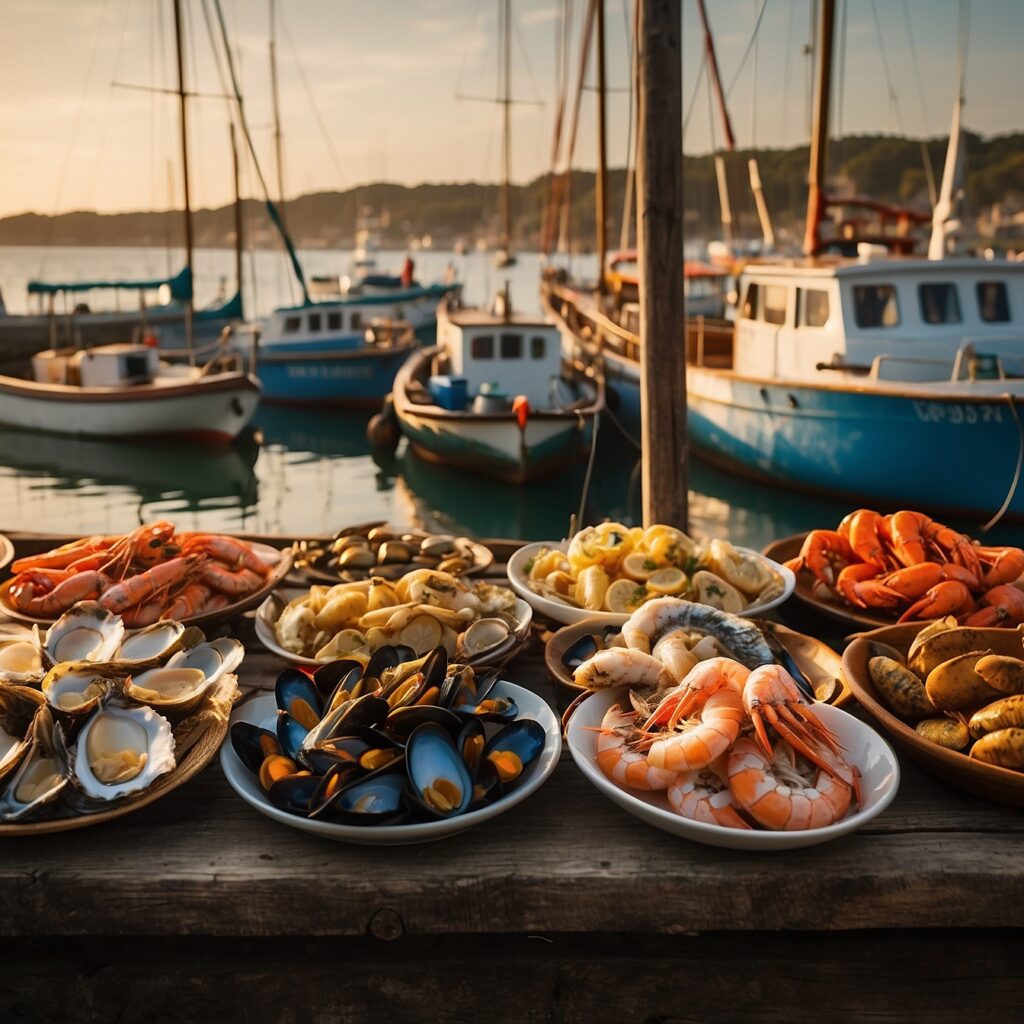
Breton cuisine is strongly influenced by its coastal location, featuring an abundance of fresh seafood such as oysters, mussels, scallops, and fish stews like cotriade. Dairy, especially salted butter (fleur de sel), is crucial. Iconic dishes include buckwheat galettes and crêpes, often paired with cider, and desserts like Far Breton and Kouign-amann.
Normandy, on the other hand, is renowned for its dairy products, including a variety of creams and cheeses like Camembert, Livarot, and Pont-l’Évêque. Apples are central to Norman cuisine, appearing in tarts and cider-based recipes. Seafood is also prominent, with dishes like scallops with cream and sole meunière. Desserts often highlight apples or dairy. Both regions emphasize local, seasonal ingredients.
2. What are some “must-try” seafood dishes from the Brittany and Normandy cuisine?
Brittany boasts several exceptional seafood dishes. Coquilles Saint-Jacques (King Scallops) are often cooked in their shells with mushrooms, shallots, white wine, and cheese. Moules Marinières (Mussels in White Wine) are a classic, featuring mussels steamed with white wine, shallots, parsley, and butter. Cotriade is a hearty fish stew with various fish, potatoes, and vegetables.
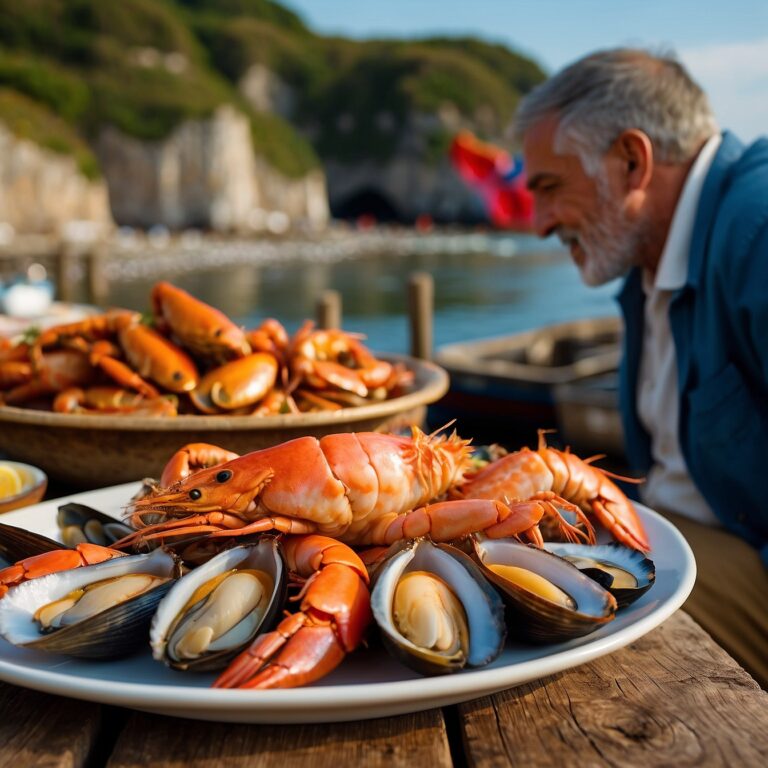
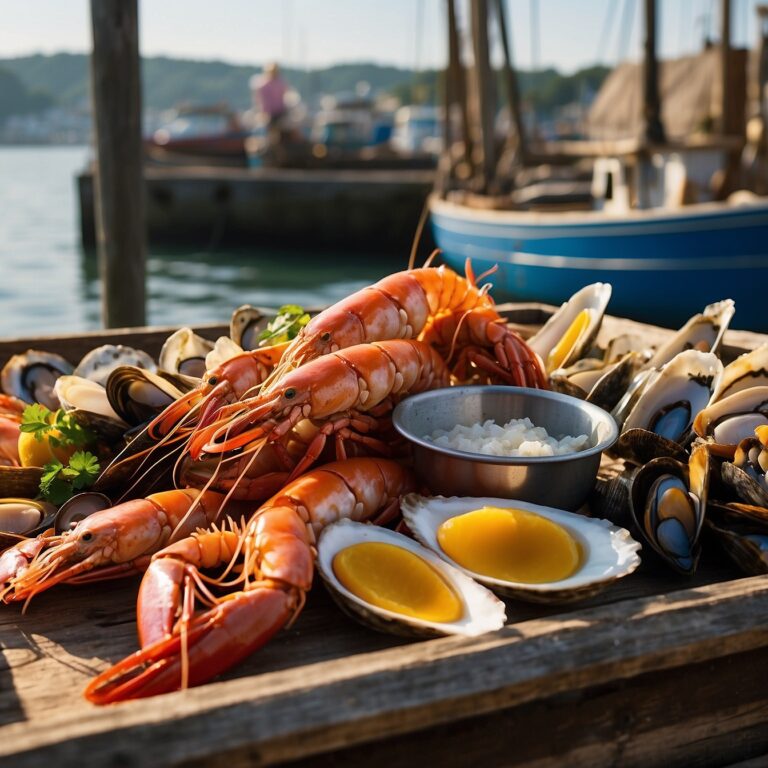
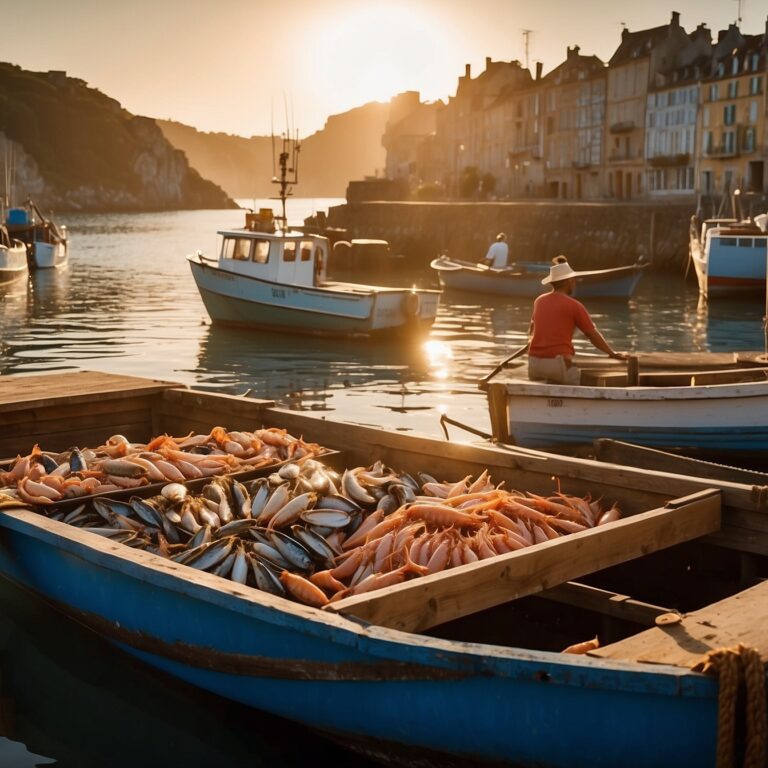
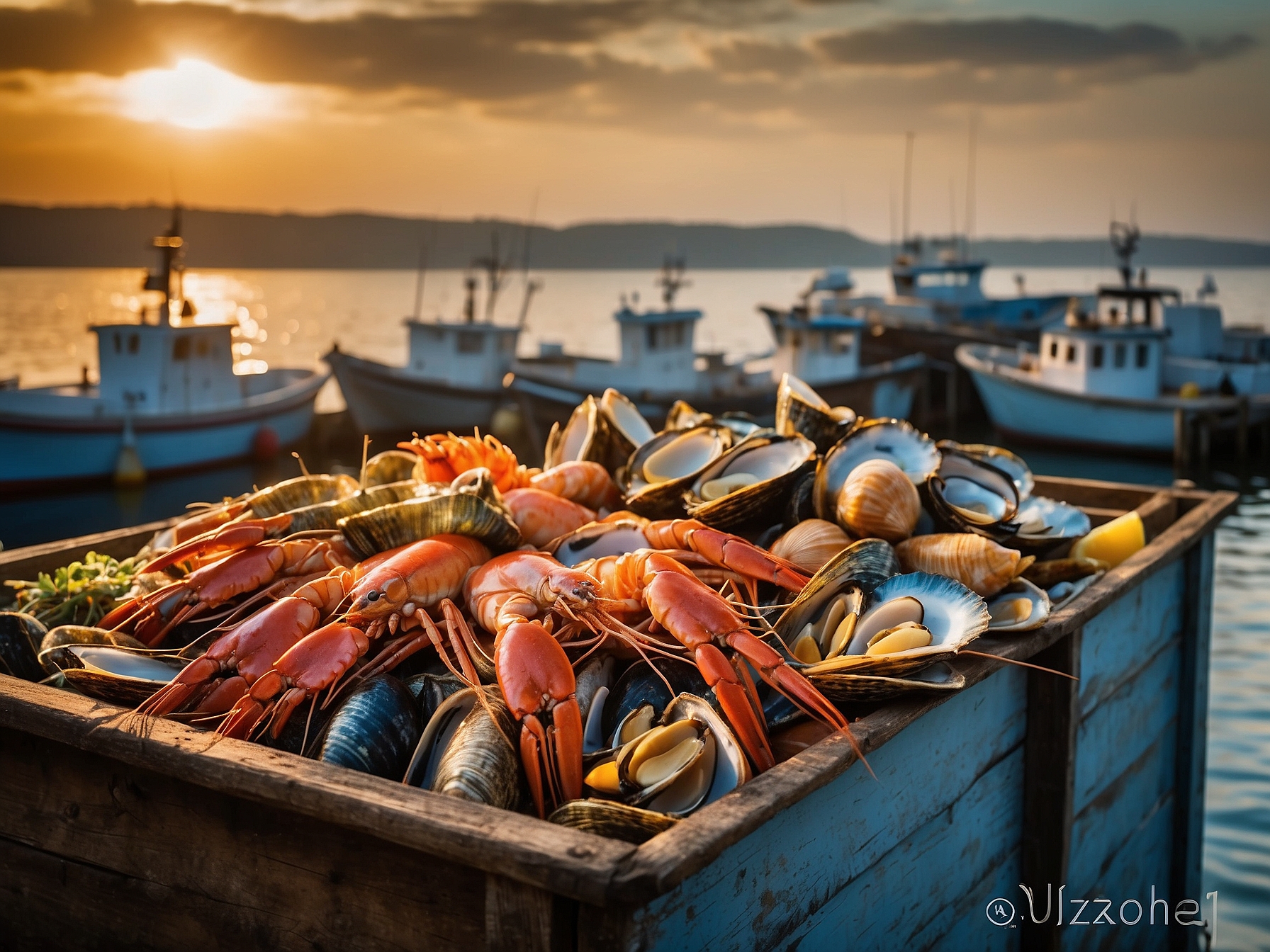
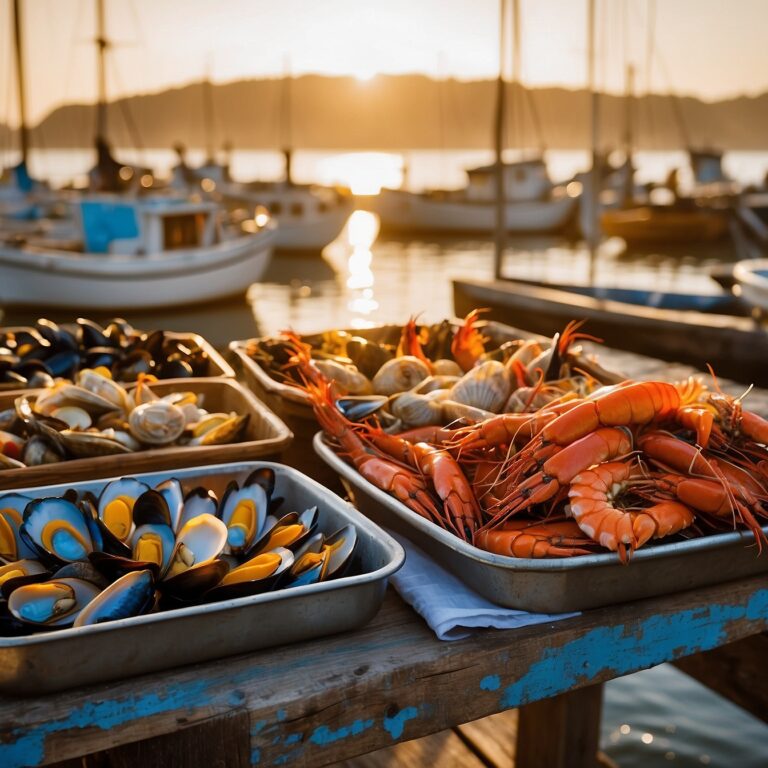
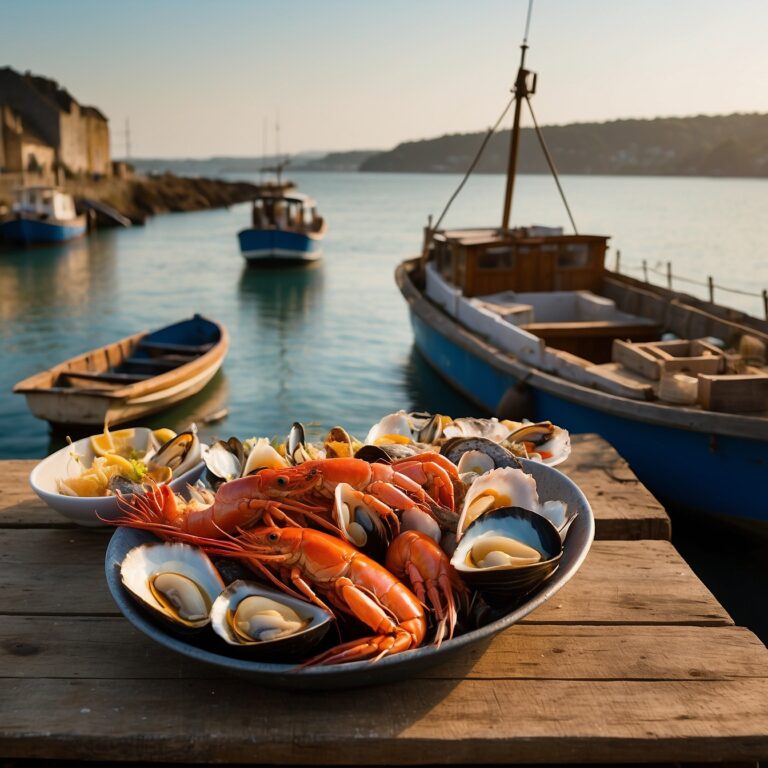
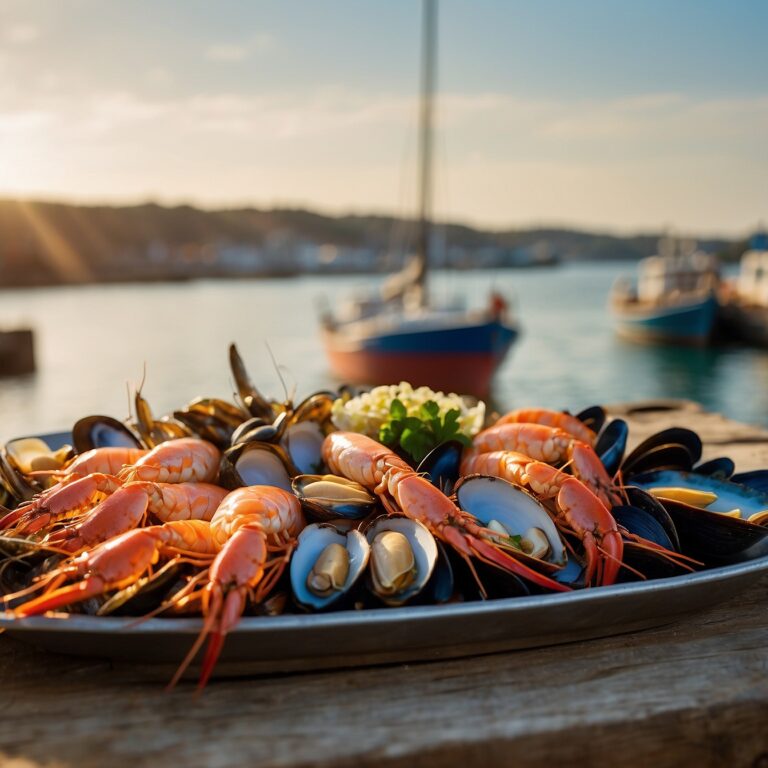
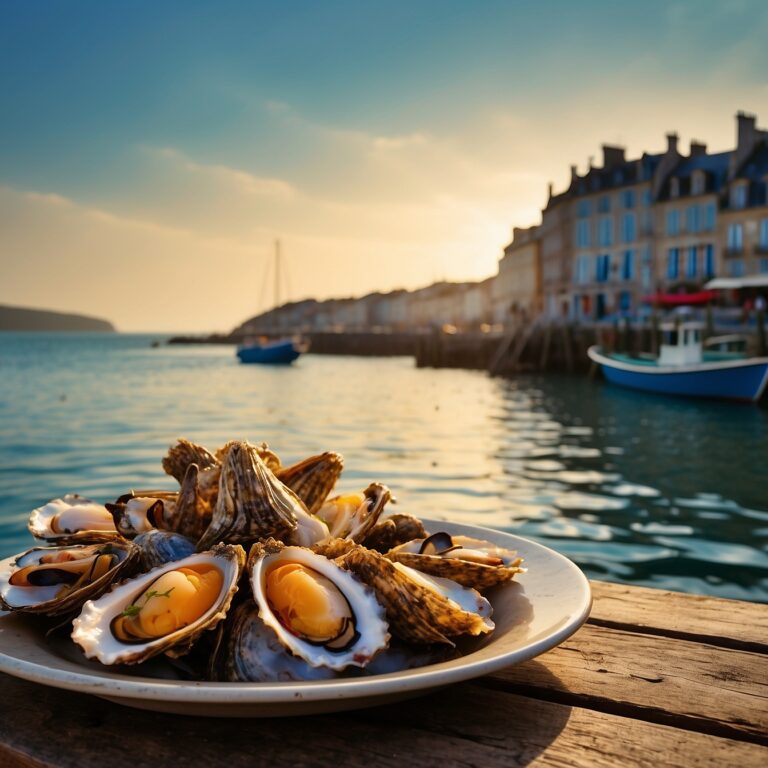
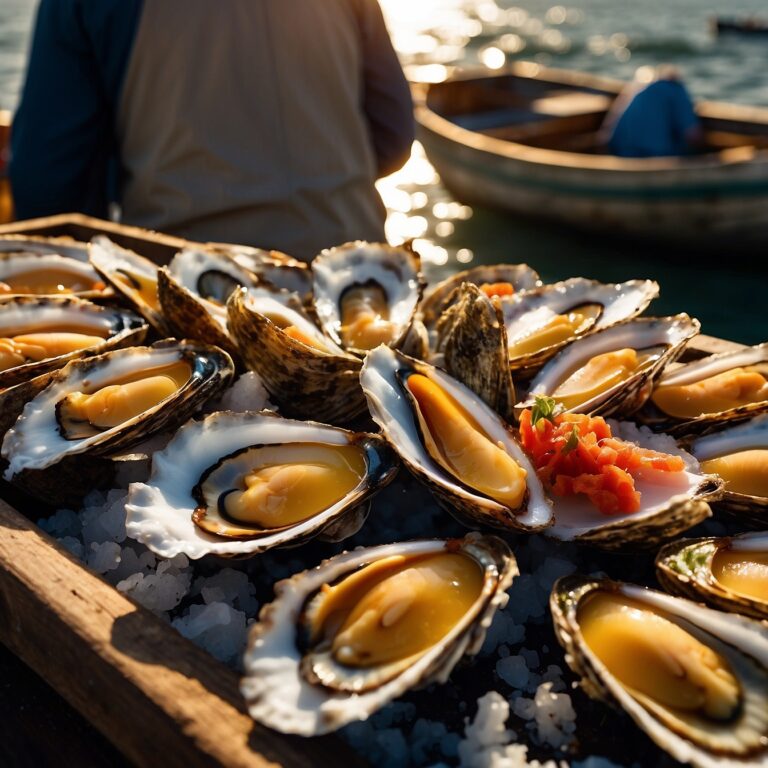
Cancale is famous for its high-quality oysters, typically enjoyed raw. Langoustines, known as Demoiselles de Loctudy, are prized for their delicate flavor. Seafood platters offer a diverse array of fresh shellfish. Normandy is also known for seafood, with dishes like Norman mussels cooked with cream and cider, and various preparations of fresh fish like sole and scallops.
3. What role do apples and cider play in the Brittany and Normandy Cuisine?
Apples are a cornerstone of Normandy’s culinary identity, thriving in the regional climate. They are used extensively in both savory and sweet dishes, most famously in Tarte Tatin (upside-down apple tart) and various apple pies. Cider, an alcoholic beverage made from fermented apples, is a ubiquitous and popular drink in Normandy, often pairing well with meals and used in cooking, such as in Poulet au Cidre (Chicken with Cider) and Moules à la Normande.
Calvados, an apple brandy, is another significant product of Normandy, often enjoyed as a digestif or used to enhance the flavor of sauces and desserts. While Brittany also grows apples and produces cider, they are perhaps more central to the Norman culinary landscape.
4. Can you describe some of the traditional desserts from the Brittany and Normandy cuisine?
Brittany offers indulgent desserts like Far Breton, a dense flan-like prune pudding, and Kouign-amann, a buttery, layered pastry with a caramelized crust. Sweet crêpes are also a beloved treat, enjoyed with various fillings. Normandy is famous for Tarte Tatin, the caramelized upside-down apple tart.
Cream is a key ingredient in many Norman desserts, and apple-based desserts are particularly prevalent, reflecting the region’s apple orchards. You might also find rice pudding variations and shortbread cookies as local specialties.
5. What are galettes and crêpes, and how are they different?
Both galettes and crêpes are thin pancakes popular in Brittany. Galettes are savory and traditionally made with buckwheat flour, giving them a darker color and earthier flavor. They are typically filled with savory ingredients such as cheese, ham, eggs, or seafood and are often eaten for lunch or dinner.
Crêpes, on the other hand, are usually sweet and made with wheat flour, resulting in a lighter color and more delicate texture. They are enjoyed with a wide variety of sweet fillings like sugar, chocolate, fruit preserves, or Nutella, often as a dessert or snack.

6. What local ingredients are particularly important in Breton and Norman Cuisine?
Several key local ingredients define the Brittany and Normandy cuisine. Seafood, including a wide variety of fish and shellfish like oysters, mussels, and scallops, is crucial due to the regions’ coastal location. Dairy products, especially salted butter (fleur de sel) in Brittany and various creams and cheeses (Camembert, Livarot, Pont-l’Évêque) in Normandy, are fundamental.
Apples and pears thrive in the Norman climate and are used extensively. Buckwheat flour is essential for traditional Breton galettes. Cider and Calvados, derived from local apples, are significant beverages and culinary ingredients in Normandy.
7. How have history and geography influenced the Brittany and Normandy Cuisine?
The coastal geography of both Brittany and Normandy has heavily influenced their cuisine, providing easy access to fresh seafood, which features prominently in many dishes. The mild, rainy climate of Normandy is ideal for apple and pear orchards, leading to the significance of these fruits and cider in their gastronomy.
Historically, Brittany’s Celtic heritage distinguishes it somewhat from the rest of France, with traditions like buckwheat galettes reflecting this influence. The Vikings also left their mark on Breton cooking methods and ingredients. Normandy’s agricultural heritage and fertile land have supported its renowned dairy industry. The emphasis on local, seasonal ingredients in both regions reflects a long-standing connection to the land and sea.
8. Beyond specific dishes, what is the overall dining experience like in Brittany and Normandy?
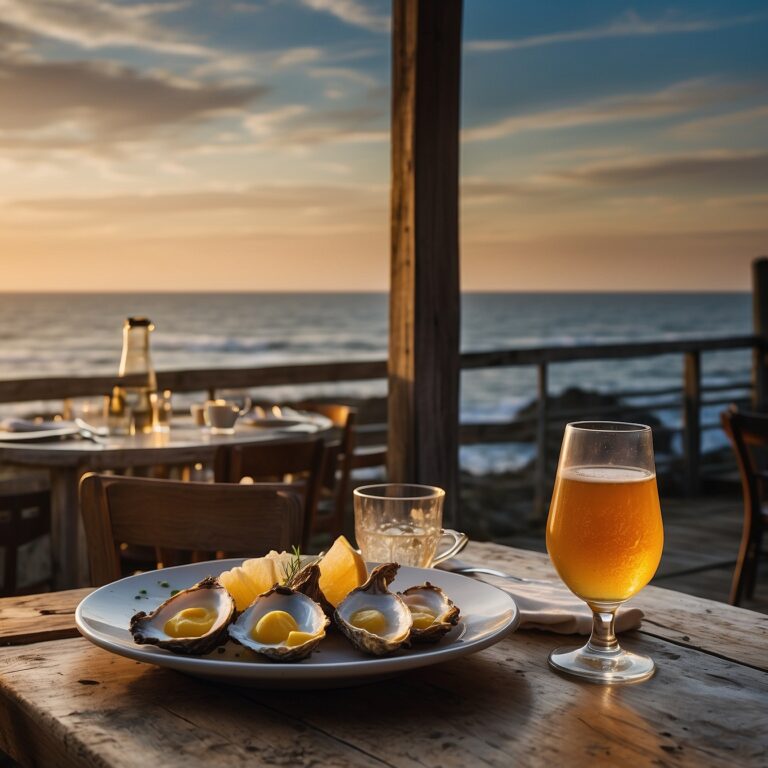
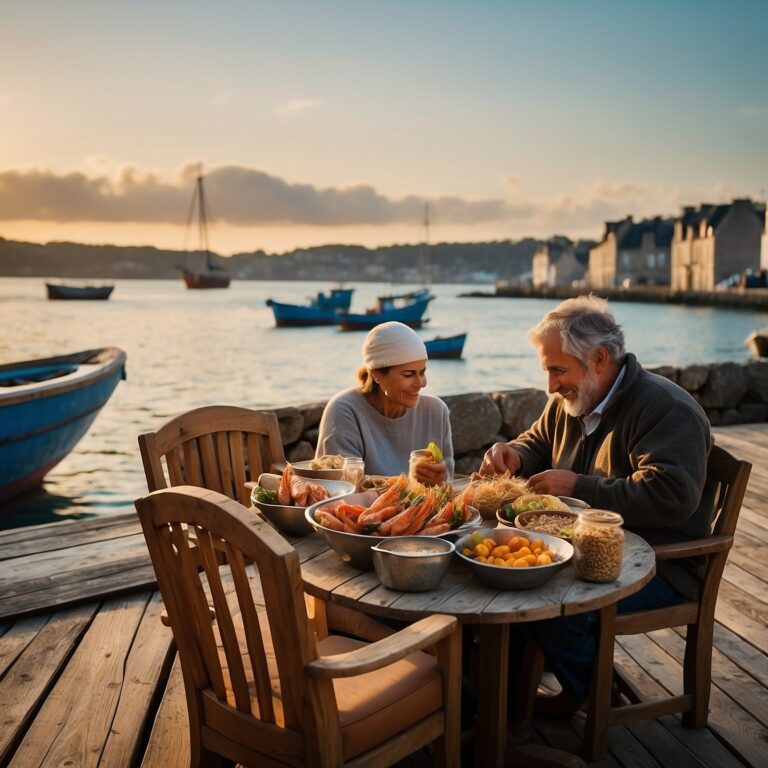
The dining experience in Brittany and Normandy often emphasizes fresh, high-quality local ingredients prepared in a way that highlights their natural flavors. Seafood is a central focus, and enjoying incredibly fresh oysters right by the oyster farms is a unique experience in places like Cancale. Traditional recipes are valued, preserving the culinary heritage of the regions.
Meals are often accompanied by local beverages like cider. In Normandy, the “four Cs” – cream, Camembert, cider, and Calvados – often characterize the dining experience. Expect a relaxed pace and an appreciation for the ritual of enjoying good food and drink, often in charming coastal towns or countryside settings.