Contact us: ww@blogquizshop.com

Gardening tools are key to starting a garden, and this can be both fun and a bit confusing. So let’s try to give a hand. Many beginners feel lost about where to start or what tools they need. With the right guidance, anyone can grow a beautiful garden.

One important fact: having the correct tools makes gardening easier and more enjoyable. Poor quality or wrong tools can cause frustration.

This blog will guide you on what is essential to get started with gardening. We will cover picking the right spot, understanding soil types, and must-have hand tools for beginners…

Make your gardening journey smooth!

Key Takeaways

  • Choose a sunny spot with good soil for your garden. Test and improve soil with compost.
  • Essential Gardening tools include gloves, pruning shears, hand trowel, garden fork, spade, rake, hoe, hose with nozzle, and watering can.
  • Use mulch to control temperature and moisture. It also helps prevent weeds.
  • Practice natural pest control by using companion plants and beneficial insects like ladybugs.
  • Keep tools organized using plant labels and storage solutions like tool racks or pegboards.

Some Wonderful Garden Styles to Consider

Some of the most useful “best” garden styles today are those that balance beauty with ecology, seasonal interest, and how you actually use the space. Thinking in terms of a style or theme helps with plant choices, hardscape, and decor so the garden feels coherent rather than random.

Wildlife-friendly / eco-conscious

  • Focuses on native plants, nectar-rich flowers, water sources, and shelter so birds, bees, and other wildlife can feed and nest in the garden.

  • Often includes looser planting, mixed shrubs and perennials, small ponds or birdbaths, and minimal chemicals, making it relatively low-maintenance once established.

Naturalistic / meadow-style

  • Uses layered grasses and perennials to create a soft, “wilder” look that still has intentional structure and paths, echoing meadows and prairies.

  • Works well for sunny areas and climate-resilient planting, since many meadow species are drought-tolerant and good for pollinators.

Cottage / romantic

  • Packed, flower-rich borders with self-seeding plants, climbers on arches or walls, and a relaxed, storybook feel.

  • Combines long-blooming perennials, roses, annuals, and herbs, often with a cohesive colour palette to stop it feeling chaotic.

Edible / kitchen garden

  • Centers on vegetables, herbs, and fruits, often in raised beds, containers, or “tabletop veg” set-ups for easy access.

  • Can be highly ornamental by mixing edible plants with flowers, using neat paths, and integrating trellises and vertical supports.

Outdoor living / “garden room”

  • Treats the garden as an extension of the home, with defined areas for dining, lounging, or cooking plus planting for privacy and atmosphere.

  • Often uses comfortable seating, lighting, containers, and fragrant plants to create a calm retreat that still feels designed.

If you tell what matters most to you (wildlife, food, colour, low maintenance, or entertaining), a tailored style or hybrid can be sketched out for your space.

Easy-care Garden Themes for Beginner Gardeners

For beginners, the easiest low-maintenance “themes” are ones built around tough perennials, simple shapes, and plenty of mulch rather than fussy borders or big lawns. Themes that use native plants, shrubs, and groundcovers generally need less watering, weeding, and replanting once they are established. As always, remember your gardening tools. 

Gravel & shrub garden

  • Uses gravel or stone instead of lawn, with a few structural shrubs and ornamental grasses so there is minimal mowing and edging.

  • Works well in sunny spots and pairs with drought-tolerant plants like lavender, sedum, and compact evergreens that only need light pruning.

Native / wildlife-friendly border

  • Focuses on regionally adapted native plants that cope with local weather and pests, reducing watering and fertilising needs.

  • Once planted into mulched beds, these borders mostly need seasonal tidy-ups while providing flowers, seeds, and habitat for wildlife.

Perennial & ornamental grass bed

  • Mixes long-lived perennials (daylilies, geraniums, coneflowers) with ornamental grasses that are cut back once a year and otherwise left alone.

  • Gives movement and structure through the seasons without constant deadheading or staking, and handles some neglect well.

Shrub and groundcover scheme

  • Uses a backbone of slow-growing shrubs with carpeting groundcovers instead of bare soil or lawn, which suppresses weeds and keeps maintenance low.

  • Good options include hardy hydrangeas, small conifers, and groundcovers like creeping thyme or hardy geranium to fill gaps.

Container & patio planting

  • Groups a few large pots with robust perennials, small shrubs, or grasses on a patio or balcony so everything is in one easy-to-water zone.

  • Using bigger containers and mulch on top of the soil means less frequent watering and weeding than many small pots or bedding plants.

If you share your sun/shade, rough size, and whether you prefer flowers, foliage, or wildlife, a simple starter planting list can be mapped to one of these themes.

Starting Your Gardening Journey

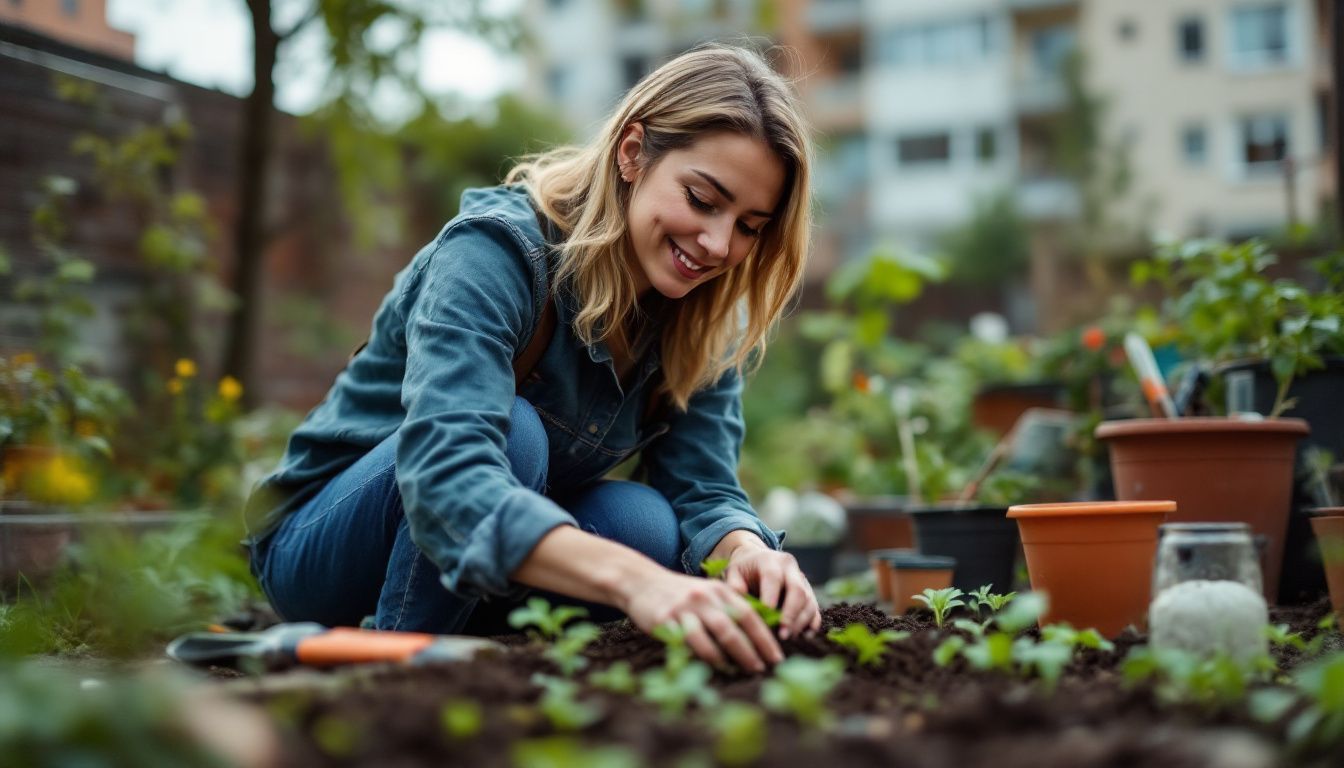
Beginner gardeners should start small, match plants to their site and climate, and focus on good soil and consistent watering rather than buying lots of plants or Gardening tools. Paying attention to light, spacing, and realistic maintenance time prevents many common frustrations in the first year.
starting your gardening journey 320443222

Know your site

  • Observe how many hours of direct sun different spots get; many vegetables and most flowering annuals need around 6 or more hours, while shade plants prefer less.

  • Check soil type and drainage by noticing existing plants and doing a simple soil test so you choose plants that will actually thrive there.

Start small and simple

  • Begin with a few containers or a small bed and a limited set of plants you really like, instead of trying to landscape everything at once.

  • Choose easy, forgiving plants (e.g., salad greens, herbs, bush beans, marigolds, zinnias) so early success builds confidence.

Prioritize soil and watering

  • Invest in decent soil or compost because plant health above ground reflects what is happening below; avoid filling beds with random debris just to save on soil.

  • Plan a simple watering method and be consistent; most plants need regular deep watering, especially seedlings and containers, while avoiding constant sogginess that can cause root rot.

Give plants space and label

  • Follow spacing guidelines on seed packets or plant labels so roots and leaves have room; overcrowding leads to weak growth and more disease.

  • Label varieties when you plant so you can track what works well in your garden and adjust choices next season.

Expect mistakes and learn

  • Plan for some losses to pests, weather, or errors; diversifying what and where you plant reduces the chance that one problem ruins everything.

  • Spend a few minutes in the garden most days to observe changes, catch problems early, and gradually learn your local timing and conditions.

SHOP NOW ZAZZLE - CLICK BELOW

How to Plan a Small Raised Bed Layout

For a small raised bed, use a simple grid (like square-foot gardening), put tallest plants at the back (north side), and group plants by similar water/sun needs so care stays simple. A 4×4 or 4×8 bed is ideal because you can reach the center from all sides without stepping into the soil.

Step 1: Fix size, sun, and orientation

  • Choose a bed no wider than 120 cm (4 ft) and place it where it gets about 6–8 hours of sun for vegetables and most flowers.

  • Orient the long side east–west if possible and plan tall crops (tomatoes, beans on trellis, sunflowers) on the north edge so they do not shade shorter plants.

Step 2: Make a simple grid

  • Divide the surface into 30×30 cm (1×1 ft) squares using string or thin wooden slats; a 4×4 bed gives 16 squares, a 4×8 bed gives 32 squares.

  • Treat each square as a mini-plot and plant one crop per square; use seed-packet spacing to decide how many plants fit (e.g., 1 tomato, 4 lettuces, or 16 radishes per square).

Step 3: Place crops by height and timing

  • Put climbers and stakes (tomatoes, pole beans, cucumbers on trellis) along the back/north row, medium plants (peppers, bush beans, chard) in the middle, and low plants (lettuce, herbs, radishes) at the front/south edge.

  • Group fast crops (lettuce, radish, spinach) together so when they finish you can replant that square without disturbing slower crops like tomatoes or peppers.

Step 4: Group by water and access

  • Keep thirsty crops (lettuce, celery, cucumbers) in one area and drought-tolerant ones (some herbs, onions) in another so you can water each zone appropriately.

  • Reserve an easy-to-reach corner square for frequently harvested plants like herbs or salad greens, since you will be in that spot almost every day.

Step 5: Note simple rotation for next year

  • On paper, label which squares or half-bed areas are “leafy” (lettuce, spinach), “fruiting” (tomatoes, peppers, cucumbers), “roots” (carrot, beet, radish), and “legumes” (beans, peas).

  • Next season, shift each group one zone over in the bed (or to a different bed if you add more), avoiding planting the same family in the same place two years in a row.

Gardening is a rewarding hobby that connects you with nature. Begin your journey by learning the basics, having the right Gardening tools, and selecting the best spot for your plants.

Choosing the Right Locationchoosing the right location 320443383

Choosing the right location is key for garden success. First, look for an area with plenty of sunlight. Most plants need at least 6 hours of direct sun each day. Check your space during different times to see how the light changes.

Soil condition matters too. Some plants like rich soil while others grow better in sandy or clay soils. Test your soil to know its type and add compost if needed. Also, think about water supply—your garden should be close to a water source.


A good garden may have some weeds. – Thomas Fuller

Understanding Soil Types
understanding soil types 320443604

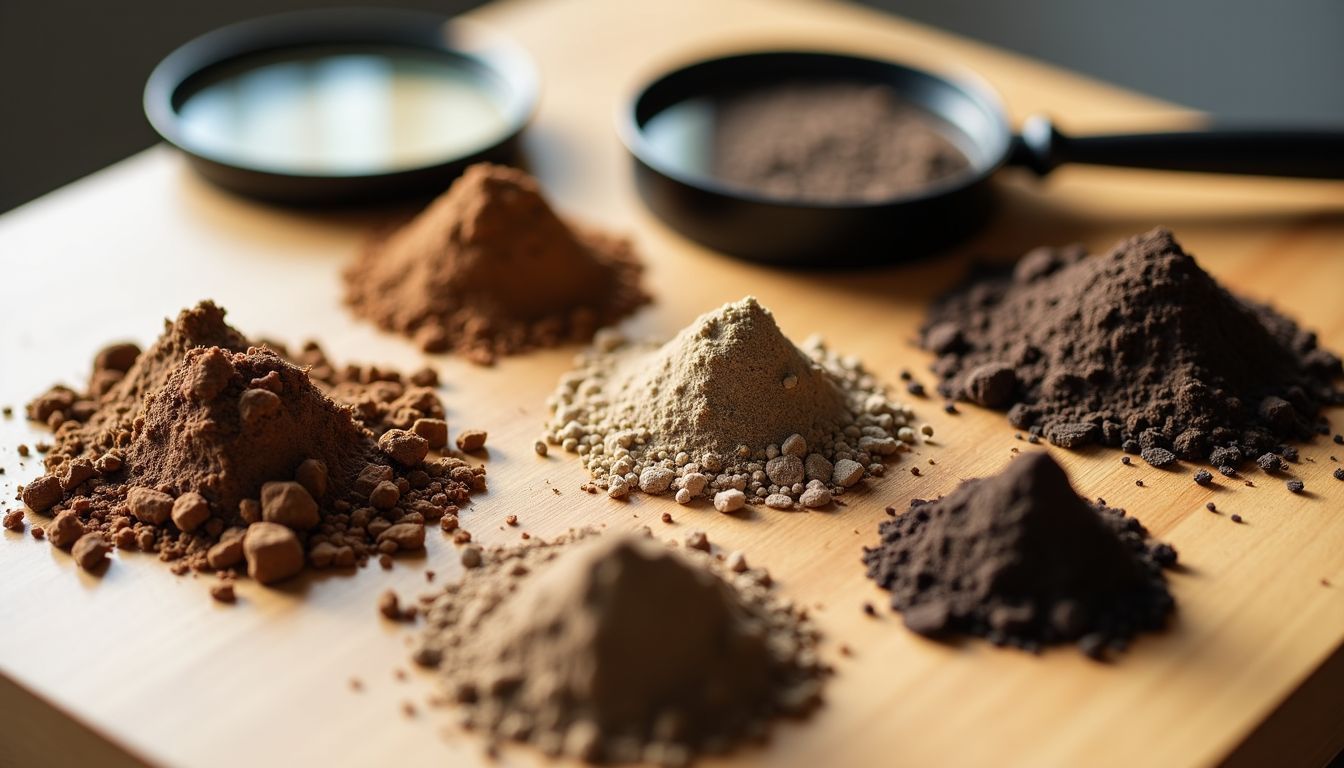
Different soil types affect your plants. Clay, sand, silt, and loam are common types. Each has unique traits—clay holds water well but is hard to dig; sandy soil drains quickly but needs more watering; loamy soil balances holding water and air, making it the best for most gardens.

Testing your soil can reveal its type and nutrient levels. This helps you adjust it for better plant growth. Add organic matter like compost to boost any soil type’s quality. Healthy soil equals healthy plants!

Beginner-friendly Perennial Combinations that Repeat Bloom

Some of the easiest repeat-blooming perennial combos pair long-flowering “workhorses” with simple foliage plants so you get colour from late spring to autumn with only deadheading and once-a-year cuts. The key is to combine plants that either genuinely rebloom after cutting back or have very long flowering windows.

Sunny bed: purple, yellow, white

  • Nepeta (catmint) + Coreopsis + Shasta daisy: Catmint and coreopsis flower for a long stretch, and many Shasta daisies rebloom if deadheaded, giving soft mounds with daisy highlights.

  • Add one clump-forming grass (e.g., a small Miscanthus or Pennisetum) behind them for movement and structure with almost no extra care.

Cottage-style: pinks and blues

  • Hardy geranium + Salvia nemorosa + daylilies (Hemerocallis): Geraniums and salvias rebloom well if trimmed, while daylilies send up successive flower scapes over weeks.

  • Cut salvia and geranium back after the first flush; you get a second wave that fills gaps between daylily shows.

Pollinator strip: summer into fall

  • Coneflower (Echinacea) + black-eyed Susan (Rudbeckia) + long-blooming lavender or agastache: These hold colour from midsummer into autumn and attract masses of bees and butterflies.

  • Leave some seedheads from coneflower and Rudbeckia for birds and winter structure rather than cutting everything down early.

Light shade: soft and long-lasting

  • Hardy geranium + Astrantia + hosta or heuchera: Astrantia and hardy geranium can be sheared after flowering to prompt fresh blooms, while hosta or heuchera give reliable foliage.

  • This mix suits dappled shade and gives flowers over much of summer with only occasional tidy-ups.

Simple care routine

  • After the first big flush, shear back repeat-bloomers like geraniums, salvias, nepeta, lavender, and lady’s mantle to trigger new flowers.

  • Feed lightly in spring, mulch once, and deadhead when you walk by; most of these perennials will return and repeat year after year with minimal extra work

Must-Have Hand Gardening Tools for Beginners
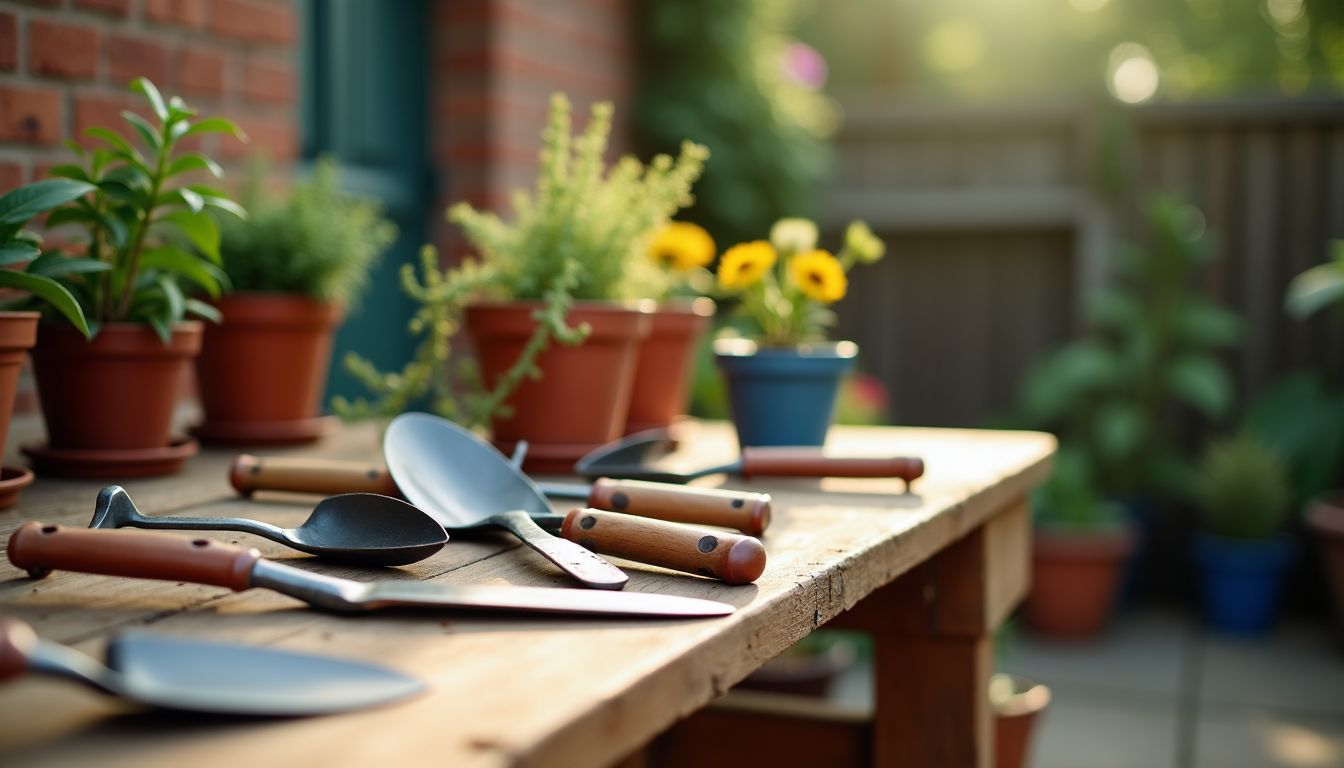
must have hand tools for beginners 320443798

Starting your garden requires a few essential hand Gardening tools. These tools will make tasks like planting and pruning easier, ensuring your plants grow well.

Gloves

Gardening gloves protect your hands from thorns and splinters. Good gloves are made of durable, water-resistant, and breathable fabrics. Longer cuffs keep your wrists safe. A proper fit prevents blisters.

Fox gloves are a recommended brand.


A good pair of gardening gloves is like armor for your hands.

Pruning Shears

Next, let’s talk about pruning shears. These are a must-have for every gardener. Hand pruners, also called secateurs, help manage overgrown plants. They come in two main types: anvil and bypass.

Anvil-style pruners work best on dead wood. They have one sharp blade that cuts against a flat surface or “anvil.” Bypass pruners are better for live plants and fresh growth. Their blades slide past each other like scissors.

For heavy-duty tasks, choose ratcheting anvil pruners—they make cutting thick branches easier with less effort.

Hand Trowel

The hand trowel is a must-have tool for any beginner gardener. It helps with transplanting small plants and digging up weeds. You can also use it to mix soil or add compost to your garden beds.

A good choice for beginners is the Garrett Wade Tulip Trowel. This tool has a sturdy design and comfortable grip, making outdoor work easy. With it, you can dig into hard or soft soil types without much effort.

Garden Fork

A garden fork is a must-have for any gardener. It helps turn soil and dig with ease. This tool makes your job much faster and simpler.

For beginners, the Radius Garden 203 Pro Ergonomic Steel Digging Fork is recommended. Its design reduces strain on your hands and back. Use it to break up clumps of soil or mix in compost.

Essential Long-Handled Gardening Tools
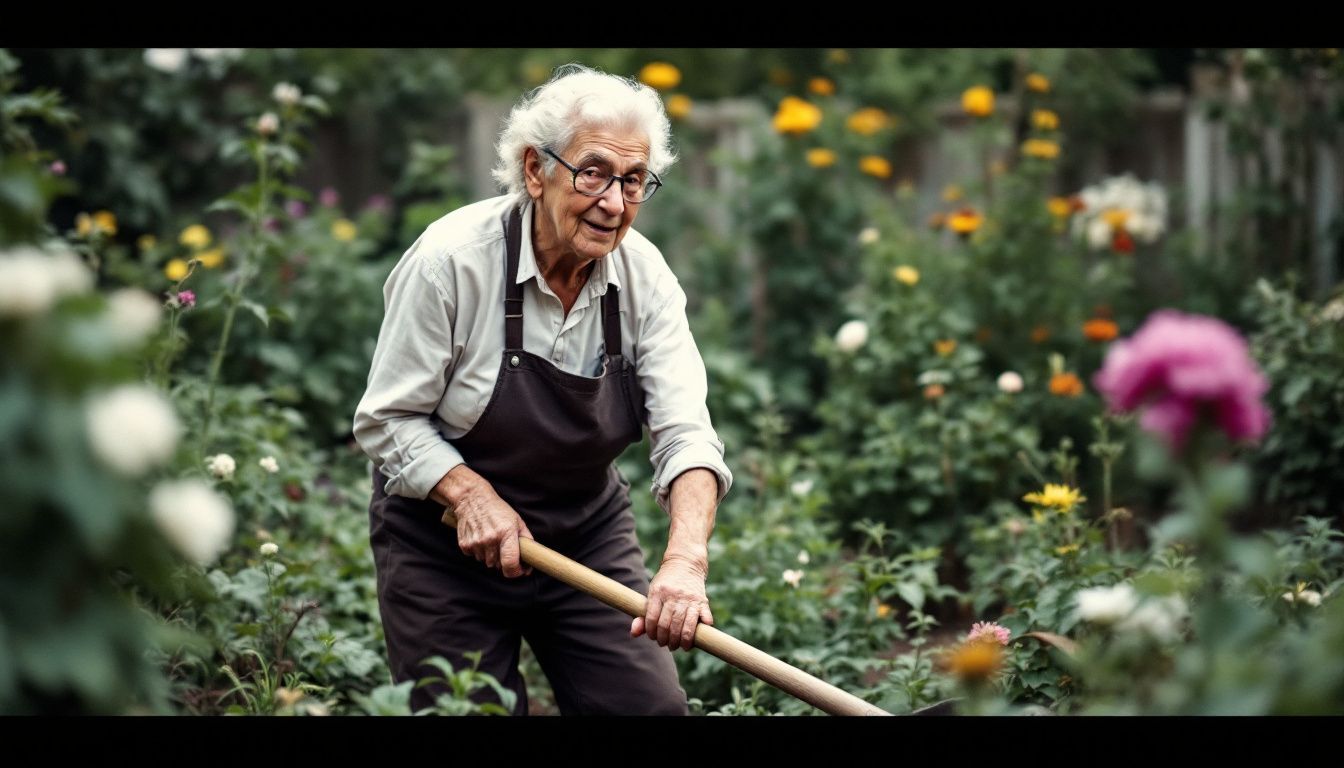
essential long handled tools 320443185

Essential Long-Handled Gardening Tools: These tools offer the leverage and reach you need for digging, raking, and hoeing—making garden tasks easier and more efficient… read on to discover which ones are must-haves!

Spade

Some spades are a must-have Gardening tools for gardening beginners. It excels at digging and edging, making it very versatile. The King of Spades Model 38 Balling Spade is highly recommended.

This garden spade has a sturdy design. It helps with planting, cutting roots, and moving soil. Using the right spade can make your gardening tasks easier and more efficient.

Rake

A rake is a must-have tool for any gardener. It helps clear leaves, grass clippings, and other debris from your lawn or garden beds. Use a landscape rake to smooth out soil or gravel.

Consider the Tabor Tools Adjustable Metal Rake for its versatility. Adjust it to different widths as needed—perfect for tight spaces or large areas. Its strong metal tines make quick work of tough jobs!

Hoe

The hoe is a key tool for any gardener. It helps you break up soil, remove weeds, and shape your garden beds. The Rogue Garden Hoe 575G stands out as a top choice due to its sturdy build and effectiveness.

Choose the right type of hoe based on your needs. A loop hoe works well for weeding between plants. An eye hoe or draw hoe is better for heavy digging or breaking tough soil. Using the right hoe makes gardening easier and more enjoyable!

Watering Solutions for Healthy Plants
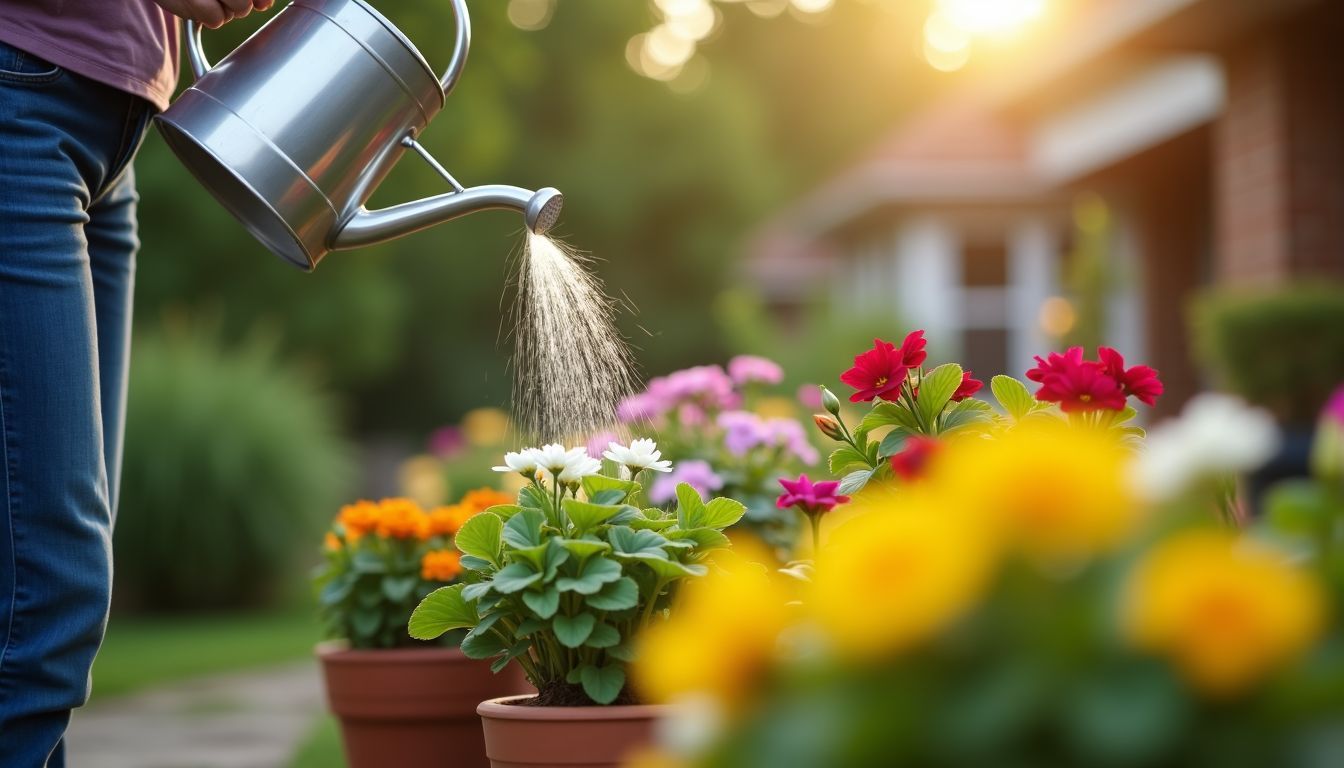
watering solutions for healthy plants 320443440

Plants need water to grow strong and healthy. Learn about different ways to keep your plants well-hydrated….

Garden Hose with Adjustable Nozzle

A garden hose with an adjustable nozzle is a must-have for any gardener. The Tuff-Guard Hose, known for its durability, pairs perfectly with the Bon Aire Ultimate Hose Nozzle. This combination offers precise water control and ease of use.

Adjustable spray nozzles allow you to change the water pressure and pattern. This helps in watering plants gently or washing off dirt from tools. An outdoor hose with these features ensures that your plants get just the right amount of water they need…

keeping them healthy!

Watering Can

A garden hose with an adjustable nozzle is great for large areas. For smaller tasks, a watering can is essential. The Bloem Deluxe Watering Can holds 2.5 gallons of water and makes plant hydration easy.

Using a watering can allows precise control over how much water each plant gets—ideal for delicate flowers or young plants. It’s also portable, so you can reach spots that a hose might miss.

This tool falls under key gardening equipment and should be part of your irrigation system arsenal!

Simple Watering Schedule for New Gardens

A simple starting point is to water new garden beds deeply 1–2 times per week once plants are established, but to water more often in the first few weeks and during hot, dry weather. Always adjust by checking soil moisture with your fingers rather than following the schedule blindly.

First 2–3 weeks after planting

  • Water daily or every other day so the top 5–8 cm of soil stays evenly moist but not soggy, especially for seedlings and new transplants.

  • If the surface is dry when you press a finger in to the first knuckle, water that day; if it still feels moist, wait and check again tomorrow.

After roots are established

  • Shift to deep watering 1–2 times per week, aiming for about 2–3 cm (around 1 inch) of water total per week from rain plus irrigation.

  • In cool or rainy spells, reduce to about once every 7–10 days; in hot, windy weather, increase to every 2–3 days, especially in raised beds and containers.

Time of day and method

  • Water early morning (or late evening if needed) so less water is lost to evaporation and foliage dries quickly, which reduces disease.

  • Apply water at the base of plants with a watering can, soaker hose, or drip line, aiming to wet soil 15–20 cm deep rather than sprinkling lightly on the surface.

Simple “finger test” rule

  • Check soil near roots with a finger 3–5 cm down: if it is dry, water; if it is cool and slightly damp, wait a day and re-check.

  • Expect to water containers and very shallow beds more often (sometimes daily in summer), because they dry out much faster than in-ground beds.

Plant Health and Maintenance

plant health and maintenance 320443315

Keep your plants happy by mulching the soil. Control pests with natural methods to avoid chemicals.

Mulching Techniques

Mulching is key for plant health. It helps control soil temperature and moisture.

  1. Temperature Control: Mulch acts as a blanket for your soil. This keeps roots warm in winter and cool in summer. Your plants will stress less with these stable conditions.
  2. Moisture Control: Moisture stays in the soil longer with mulch on top. Water does not evaporate as quickly, so you water less often—saving time and resources.
  3. Weed Suppression: Weeds compete with plants for nutrients. Mulch blocks sunlight from reaching weed seeds, slowing their growth.
  4. Aesthetics Enhancement: Gardens look tidy and attractive with mulch covering the ground.
  5. Organic Mulch: Types include straw, bark chips, and compost. These add nutrients to the soil as they break down over time—improving soil fertility naturally.
  6. Inorganic Mulch: Types include plastic sheets or gravel. These do not break down but last long-term without needing replacement.
  7. Water Conservation: Less watering is needed because mulch locks moisture in the soil—reducing water use and helping during droughts.
  8. Soil Fertility: Organic mulches decompose to enrich the soil, adding important nutrients that plants need to grow strong.
  9. Erosion Control: Mulch holds soil in place during heavy rains, stopping erosion and keeping your garden intact.
  10. Compaction Reduction: Walking on bare soil can compact it over time; mulching spreads weight more evenly—protecting root systems from damage.

Natural Pest Control Methods

Natural pest control methods keep plants healthy without chemicals. They help manage pests and boost plant resilience.

  • Plant Companion Plants

    Some plants repel pests naturally. Basil repels flies and mosquitoes. Marigolds deter nematodes.

  • Use Beneficial Insects

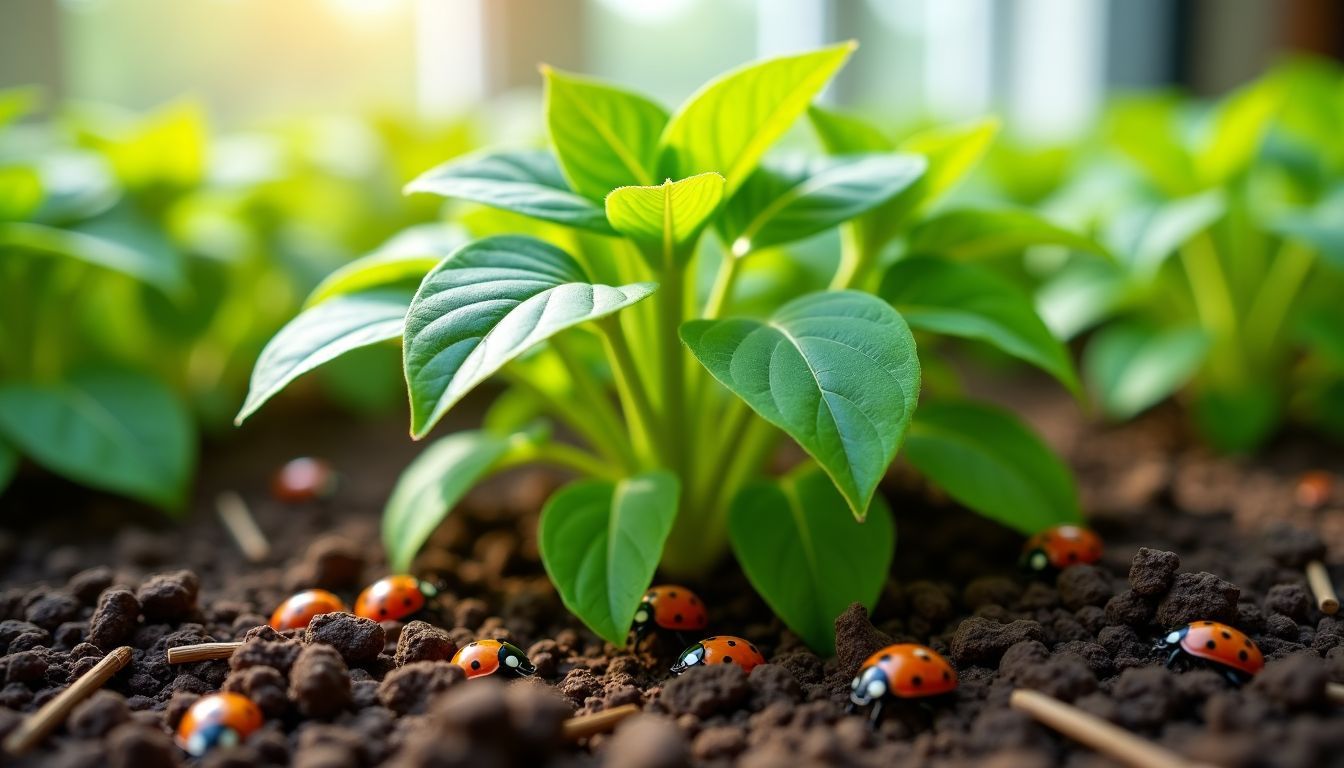
    Ladybugs eat aphids. Praying mantises help control many garden pests. Release them into your garden to boost plant health.

  • Encourage Biodiversity

    A variety of plants attracts helpful insects. These insects prey on pests, keeping their numbers in check.

  • Organic, Non-toxic Pesticides

    Neem oil is a natural insecticide. It controls pests without harming plants or beneficial insects.

  • Regular Monitoring of Plants

    Check your plants often for signs of pests. Early detection helps you act quickly before an infestation grows.

  • Learn About Common Pests and Their Predators

    Knowledge is key. For example, know that ladybugs target aphids while ground beetles hunt caterpillars at night.

  • Use Organic Fertilizers and Compost

    Healthy soil makes strong plants. Strong plants can better resist pest attacks.

Last but not least, trying these steps ensures a healthier garden without harsh chemicals!

Organizational Gardening Tools and Equipment
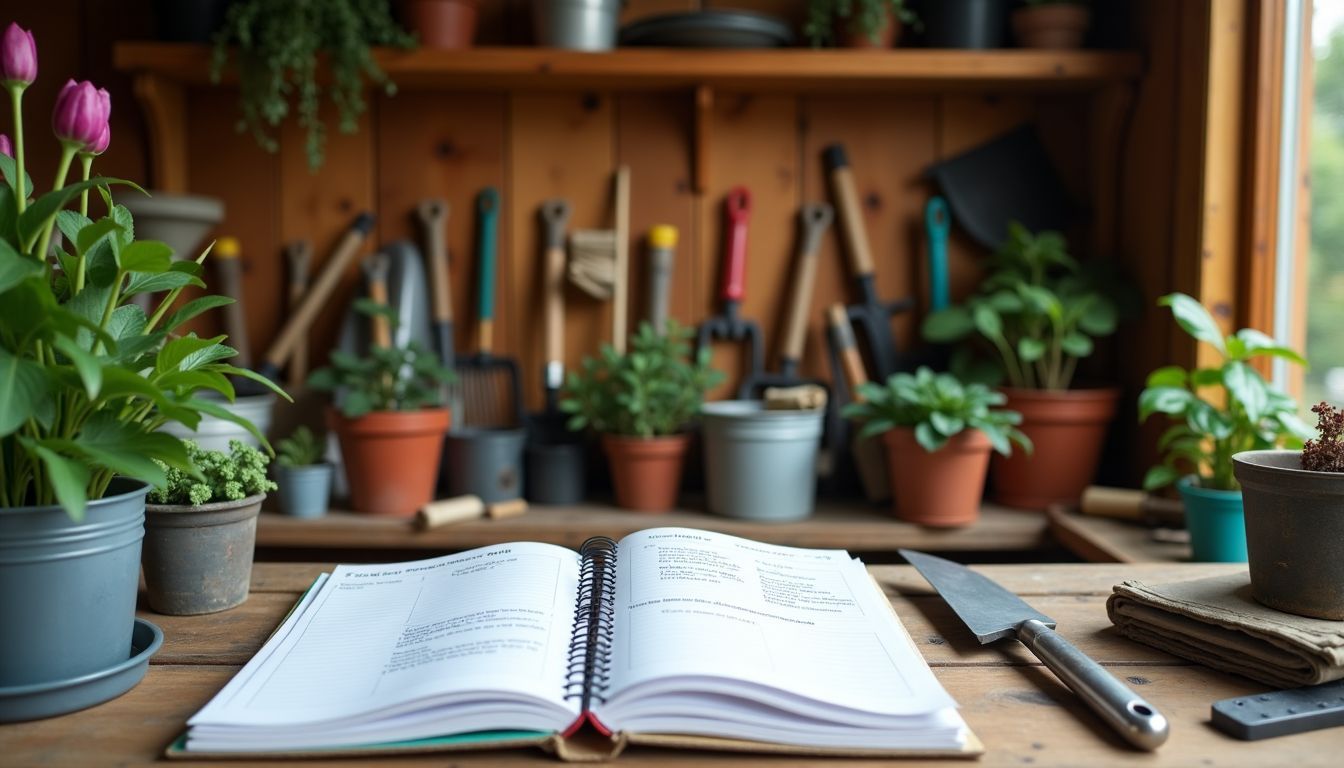
organizational tools and equipment 320443188

Keeping your Gardening tools organized can save you a lot of time. Use plant labels to track what you’ve planted… and garden planners to schedule tasks!

Plant Labels and Garden Planners

Plant labels help you track different plants. They show what care each plant needs. This makes gardening easier for beginners. Labels can be simple sticks or fancy tags… both work well.

Garden planners keep your tasks organized. You know when to water, prune, and fertilize your plants. Monthly checklists ensure nothing is missed. Using these tools boosts garden productivity and enhances the overall experience!

Storage Solutions for Gardening Tools

Tool storage is crucial for keeping your gardening space tidy. Use tool cabinets and heavy-duty workbenches to store and organize your tools. A shelving unit or pegboard system can help keep frequently used items within reach.

Consider using tool racks, wall-mounted storage, or even tool chests to save floor space. Storage bins are great for small hand tools like gloves and pruning shears. This setup makes finding what you need quick and easy, so you spend more time gardening, not searching for tools.

Conclusion
conclusion 320443134

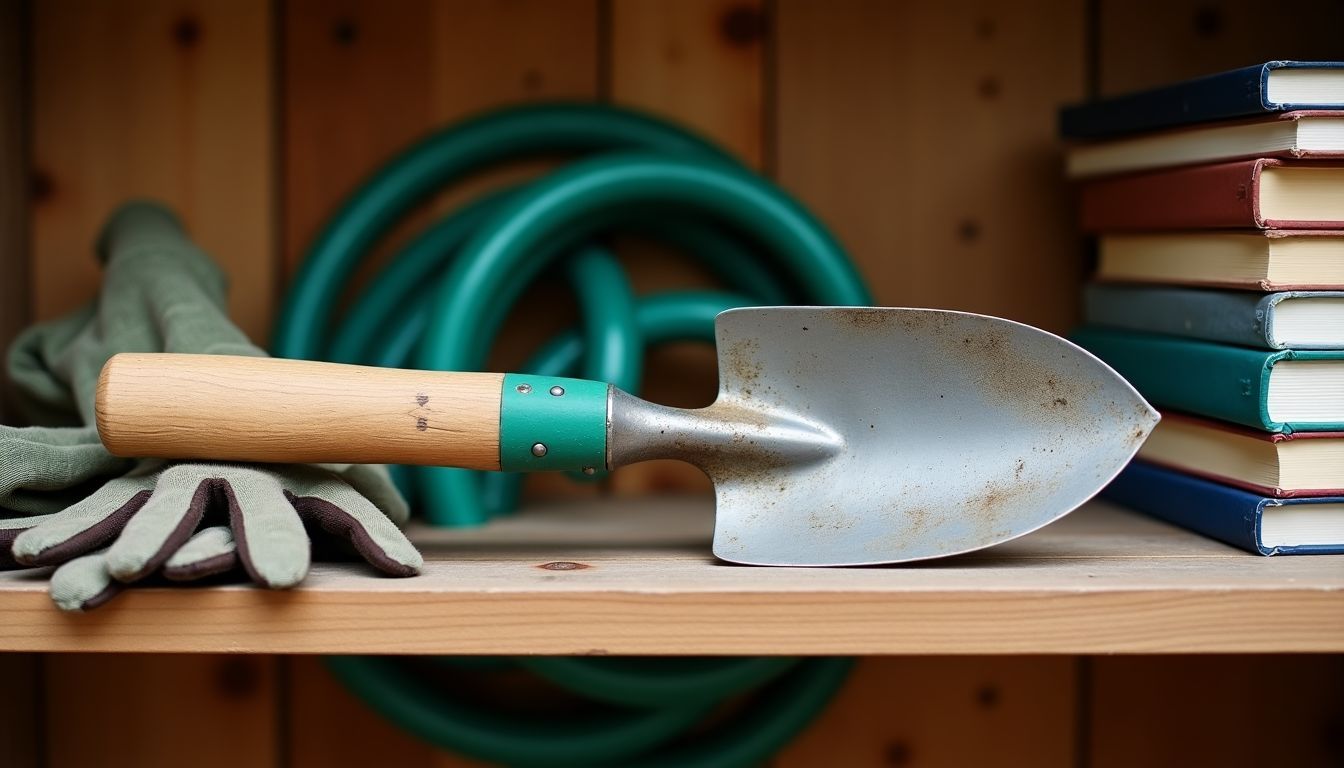
Gardening can be fun and relaxing when you start with the right Gardening tools. Gloves, trowels, and hoses make planting easier. Make sure to care for your Gardening tools so they last longer. There are many resources to help you on your gardening journey—books, online courses, or garden planners.

Get started today and enjoy watching your plants grow!

FAQs

1. What are the essential Gardening tools needed for beginner gardeners?

Beginner gardeners need basic tools like a trowel, pruners, gloves, and a watering can. These help with planting, trimming, protecting hands, and watering plants.

2. How do I choose the right plants for my garden?

Consider your local climate and soil type when choosing plants. Opt for species that thrive in your area to ensure healthy growth.

3. What are some common challenges beginners face in gardening?

Beginners often struggle with overwatering or underwatering plants, dealing with pests, and understanding soil quality. Learning about these issues helps prevent them.

4. Can you provide tips on maintaining a healthy garden?

Regularly check plant health—look for signs of disease or pests—and water appropriately based on weather conditions. Using compost improves soil quality and plant growth.
7 Important Gardening Tools and Key Considerations for Beginners generated pin 15139
pinit fg en round red 32
Shopping Basket