Contact us: ww@blogquizshop.com


 Cart is empty
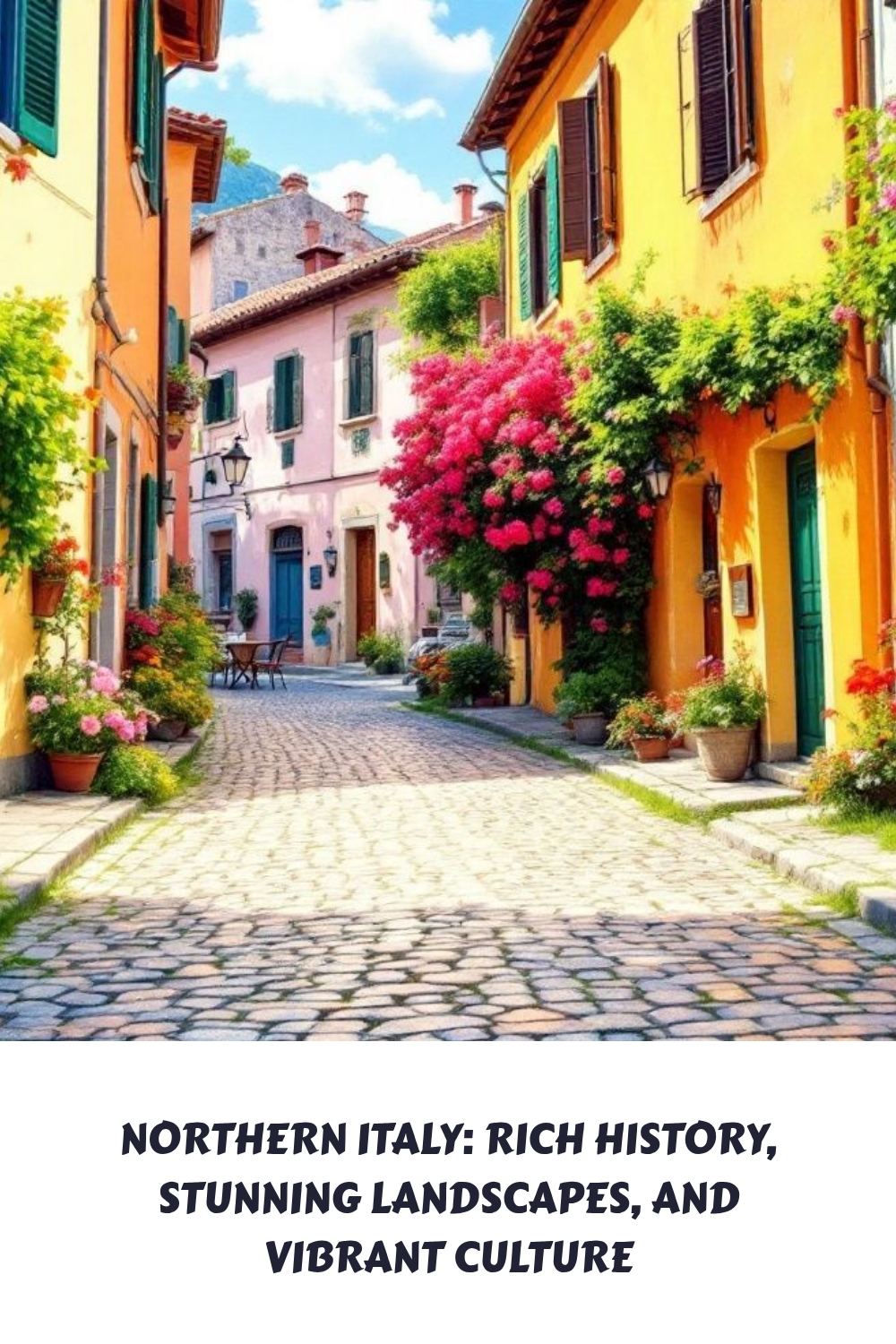
 Northern Italy: Rich history, stunning landscapes, and vibrant culture







Historical Highlights of Northern Italy
Northern Italy’s past is as rich as its landscapes. From the ancient Etruscans to the powerful Roman Empire, this area has seen it all.
https://www.youtube.com/watch?v=qLC8Ss7aOAE
The culture of Northern Italy much of Italy’s culture
Influence of the Roman Empire
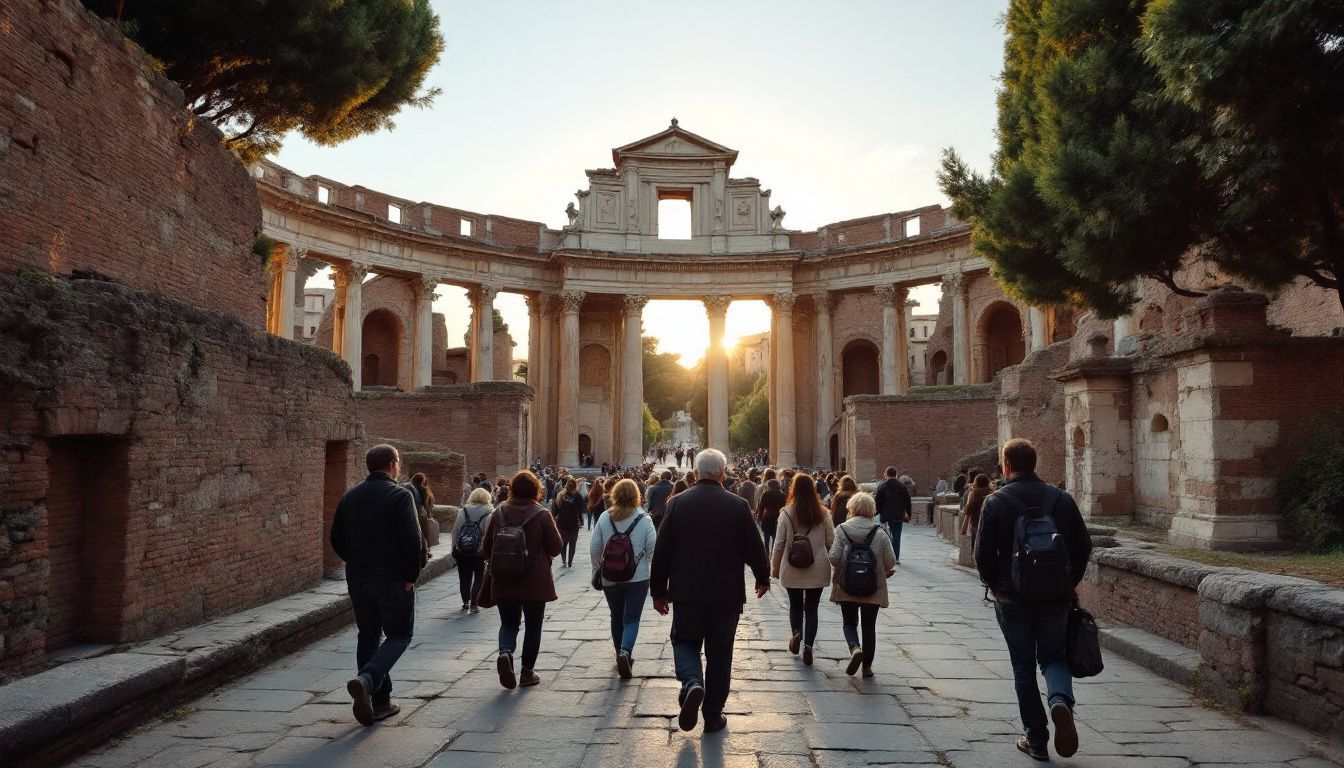
Northern Italy was shaped by the Roman Empire. This great power ruled a vast area, including cities like Milan and Verona. The Romans built roads, bridges, and aqueducts that still stand today.
They also left behind remarkable structures such as the Roman amphitheater in Verona. These sites are key to understanding Italy’s past.
The influence of Rome extended beyond architecture. It changed local customs and trade routes too. Many towns grew rich from commerce thanks to Roman connections. They became important centers of culture and power in Italy’s history.
Moreover, the remnants of this empire can be seen throughout Northern Italy’s landscape. From ancient ruins to modern cities, its impact remains strong today… The next section will explore some iconic landscapes that highlight this region’s natural beauty.
Iconic Landscapes and Natural Beauty
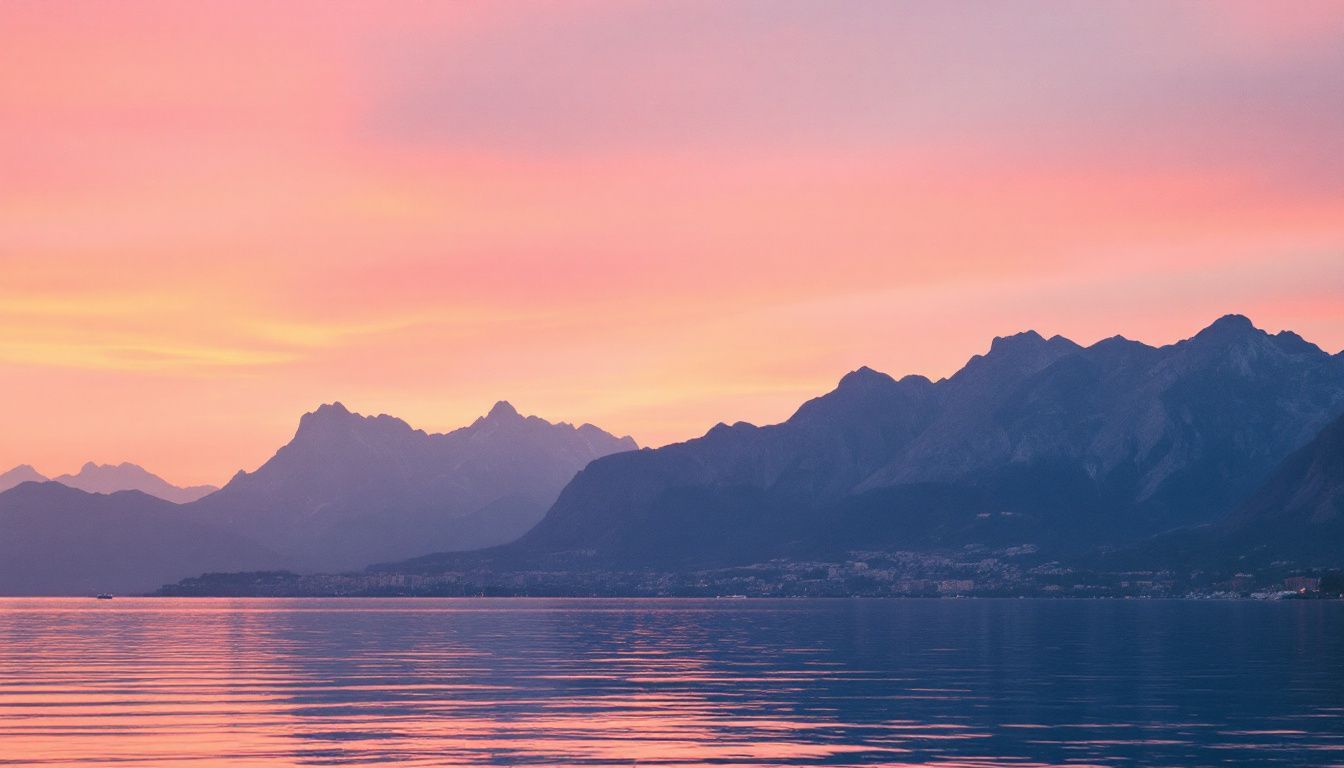
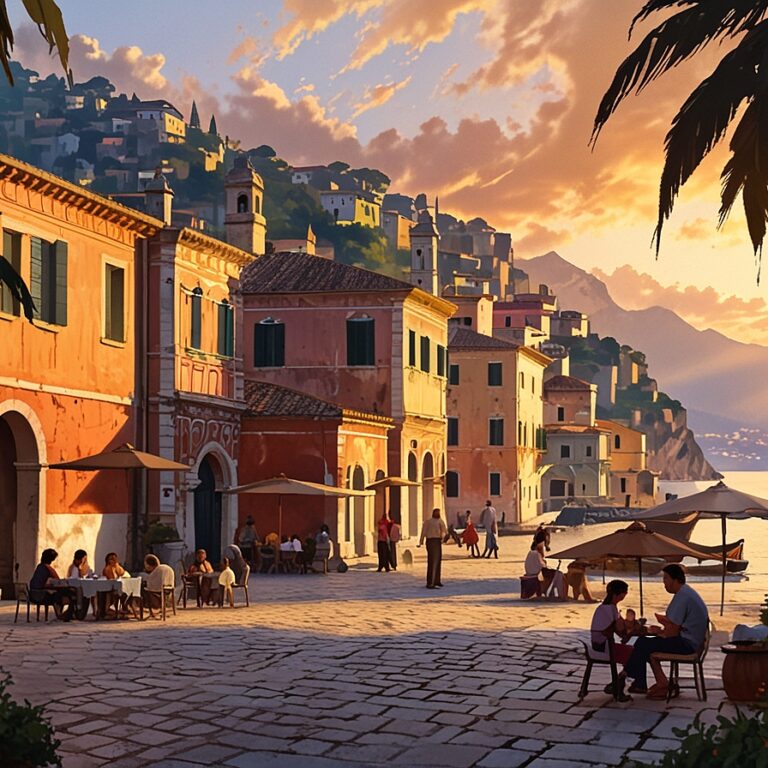
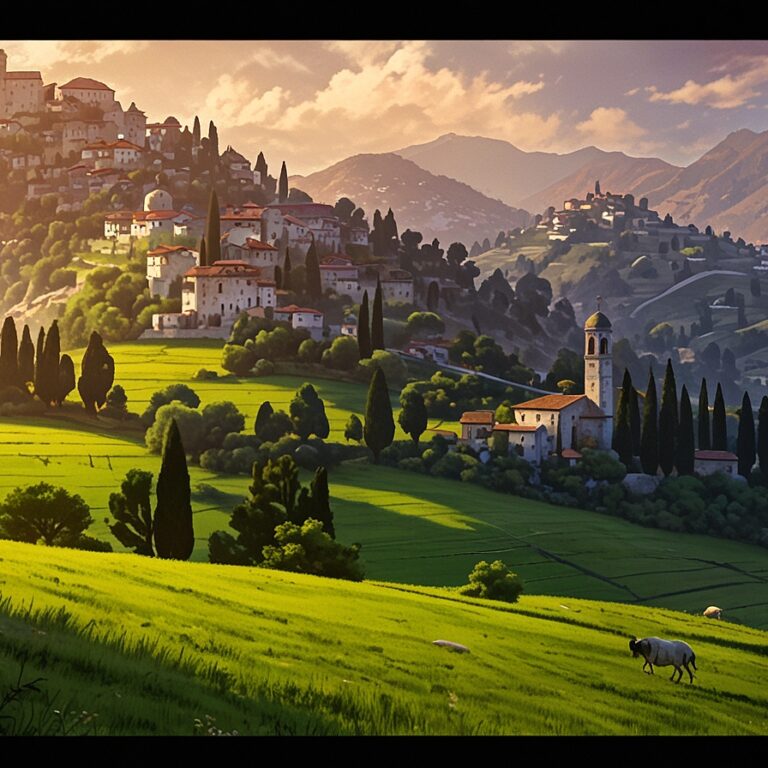
Northern Italy is home to breathtaking sights. The Italian Alps rise majestically, drawing adventurers and nature lovers alike. Lake Garda sparkles under the sun, offering a peaceful escape by its shores.
Each view tells a story of beauty and wonder that captivates all who visit.
The Italian Alps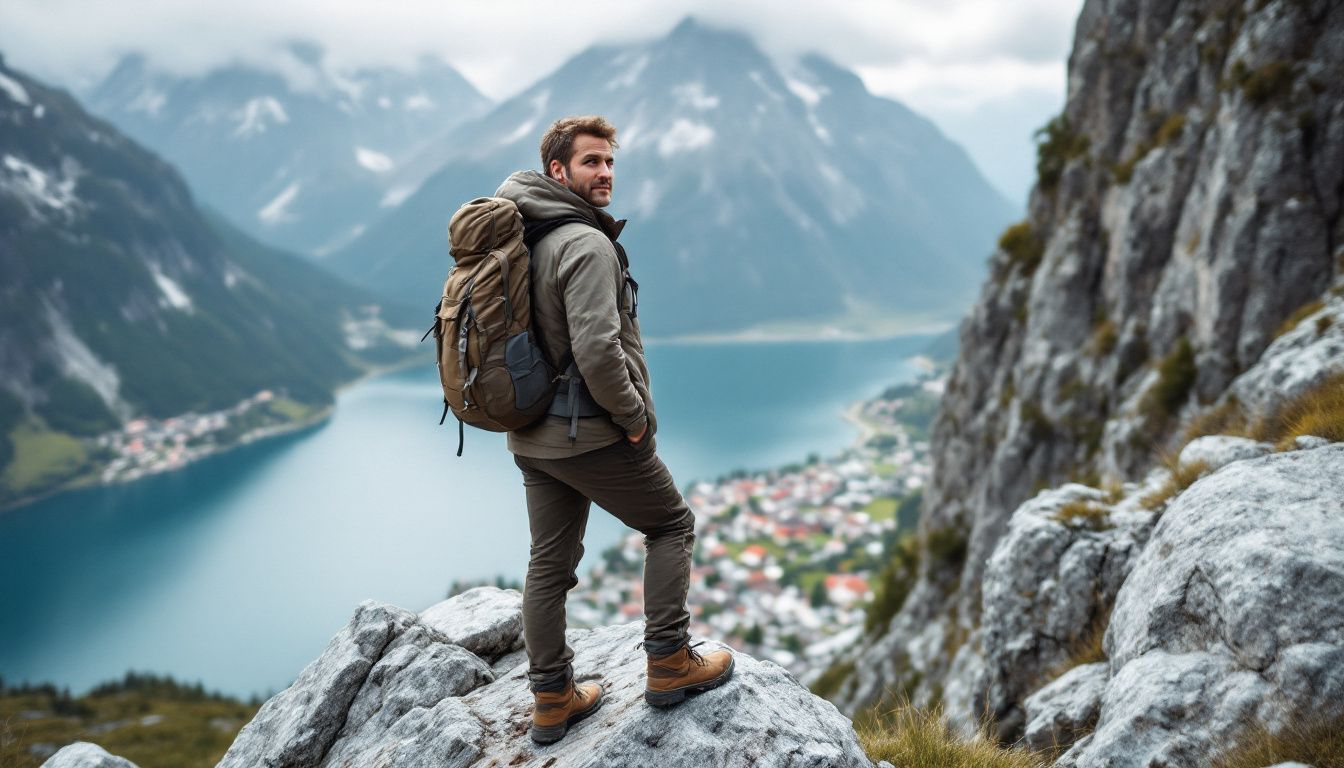
The Italian Alps are a breathtaking part of Northern Italy. They rise high and offer stunning views. Ski resorts like Breuil-Cervinia attract visitors every winter. Nature lovers come to explore mountains, valleys, and lakes.
The Tre Cime di Lavaredo stands out as a popular hiking destination with its sharp peaks.
This region is also rich in culture and history. Charming villages dot the landscape, each with unique stories to tell. Visitors can experience local traditions while enjoying delicious Italian food, such as hearty dishes that warm the soul on chilly days.
From here, travelers can journey further into the enchanting Lakes of Northern Italy….
The Lakes of Northern Italy
Northern Italy boasts beautiful lakes that draw visitors from around the world. Lake Como is a favorite, known for its stunning scenery and charming towns like Bellagio. This lake stretches deep into the mountains, offering breathtaking views and peaceful spots to relax.
Another gem is Lake Maggiore, which features lovely islands and lush gardens. It sits near the Swiss border and provides a perfect backdrop for nature lovers.
Lake Garda is Italy’s largest lake. Its crystal-clear waters attract swimmers, sailors, and adventurers alike. The surrounding hills are ideal for hiking and exploring quaint villages like Sirmione.
Here you can find ancient ruins, including those of a Roman villa from centuries ago.
These lakes showcase natural beauty and add to Northern Italy’s rich culture. They host various festivals throughout the year, celebrating local traditions with music, food, and art.
From fresh fish dishes to fine wines produced in nearby vineyards—visitors enjoy delightful tastes while soaking up the vibrant atmosphere of this region!
Cultural Richness and Vibrant Traditions
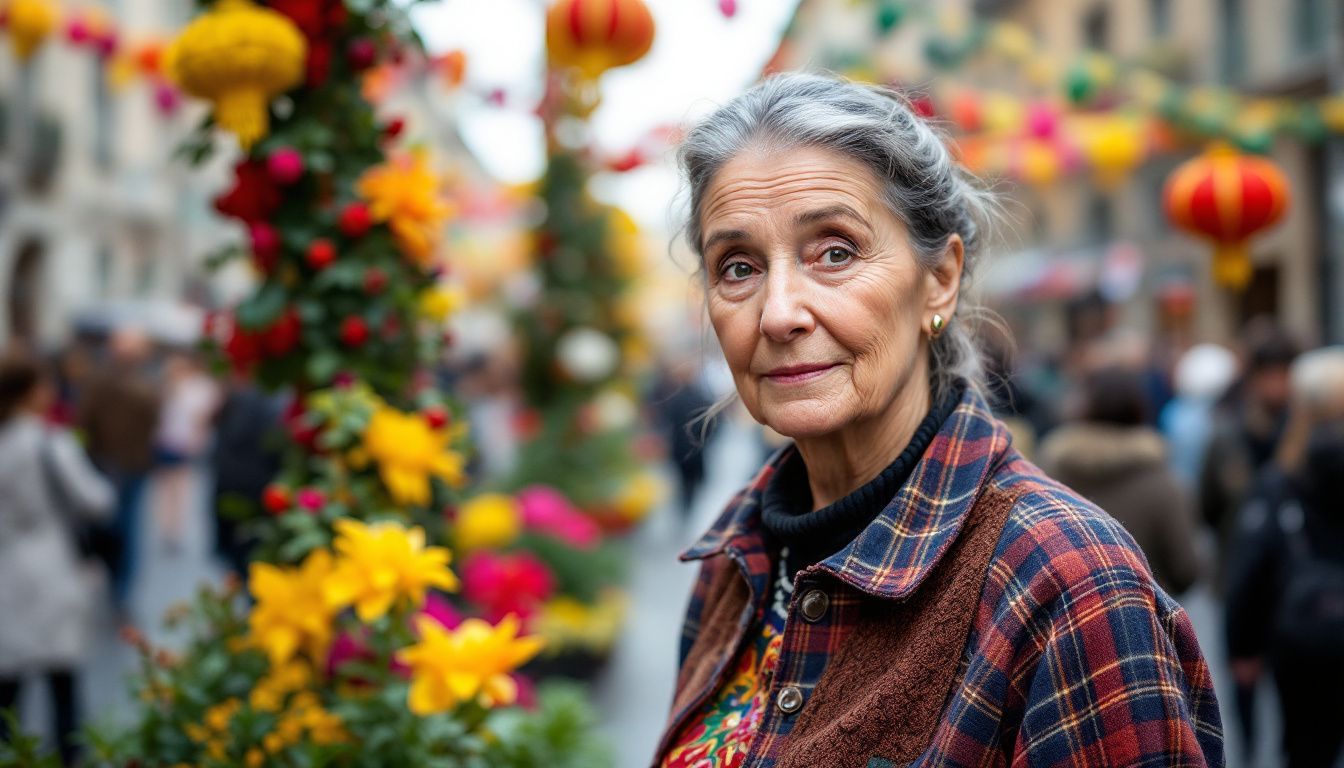
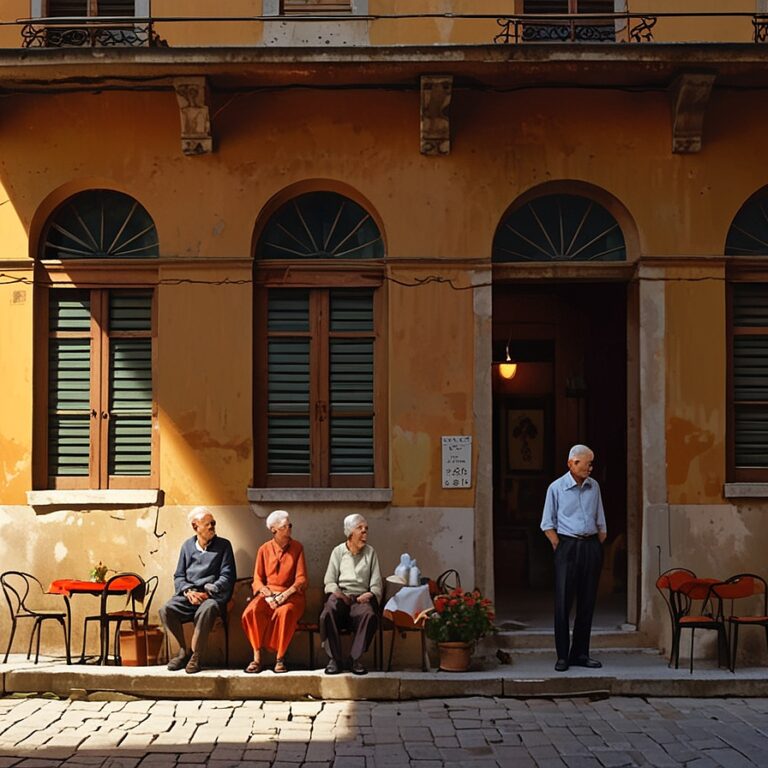
Northern Italy is a place of lively customs and deep-rooted culture. Milan shines as a fashion hub, while colorful festivals bring communities together throughout the region.
Milan as a Fashion Capital
Milan shines as a fashion capital of the world. This vibrant city is home to famous designers and brands. Shops line the streets, showcasing stunning styles and trends. Each year, Milan hosts Fashion Week, drawing attention from all over the globe.
Designers like Gucci and Prada make their mark here.
The city is not just about clothing; it offers rich cultural experiences too. The Last Supper by Leonardo da Vinci rests in Milan’s Santa Maria delle Grazie church. Visitors come from far and wide to see this masterpiece.
Exploring Milan means experiencing both art and style—truly a unique blend!
Festivals and Local Traditions
Northern Italy is vibrant with festivals and local traditions. Cities like Verona and Milan celebrate rich history through events. In Venice, the Carnival dazzles visitors with masks and colorful costumes.
Food plays a big role in these celebrations too! Local customs often include special dishes, like Parma ham or Bolognese pasta. These flavors enhance any festival experience. Visitors can also enjoy regional fairs that showcase crafts, music, and dance—adding to Northern Italy’s dynamic cultural scene.
Architectural Marvels and Artistic Heritage
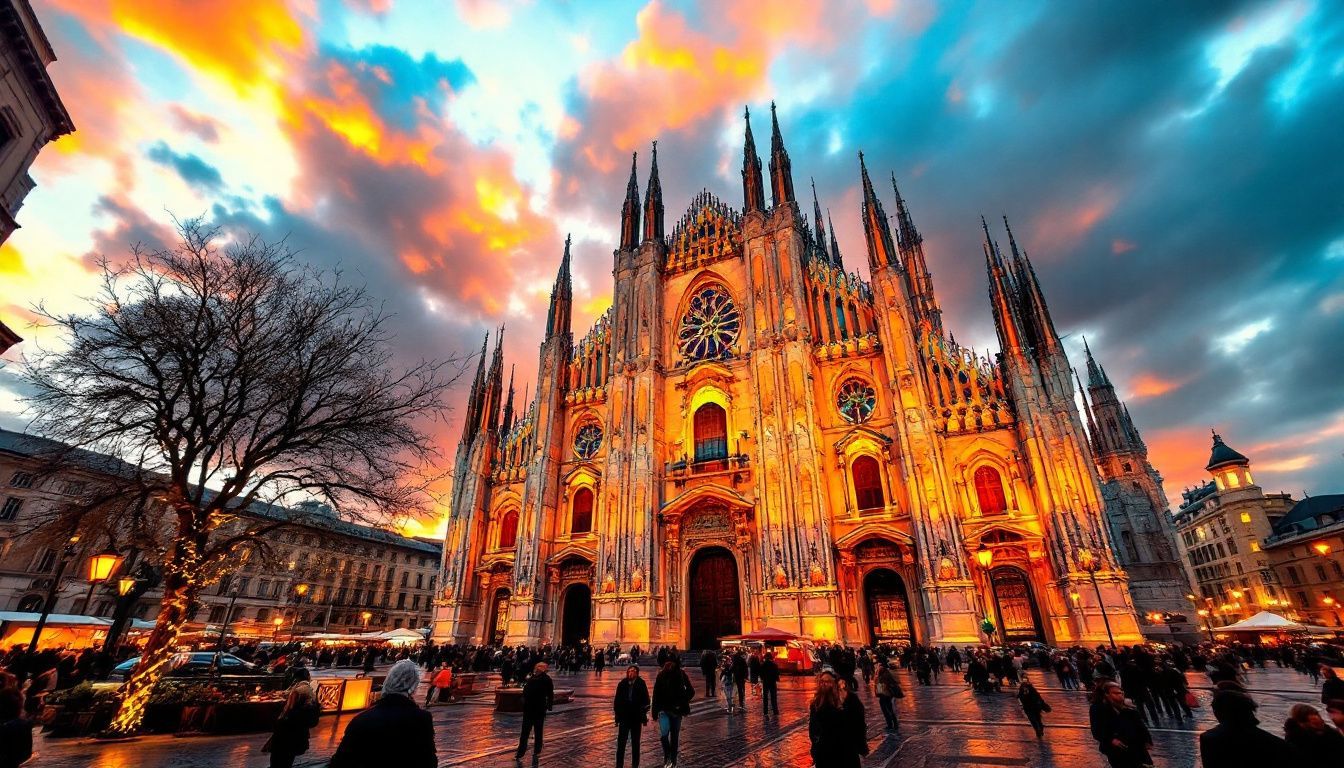
Northern Italy showcases stunning buildings and rich art. Florence shines with its Renaissance masterpieces, while Milan boasts the grand Gothic architecture of its cathedral.
The Gothic architecture of Milan Cathedral
The Milan Cathedral is a stunning example of Gothic architecture. It took nearly six centuries to build, starting in 1386 and finishing in 1965. The cathedral is famous for its intricate spires and beautiful statues.
It has over 3,400 statues and more than 135 spires that reach high into the sky.
This architectural marvel sits in Milan’s Piazza del Duomo. Visitors from all over come to admire its beauty and climb to its rooftop for amazing views of the city. The Cathedral combines various styles but stands out with its pure Gothic elements, making it a UNESCO World Heritage site.
Its grand façade welcomes many who wish to experience Italy’s rich history and vibrant culture.
Modern Attractions and Innovations
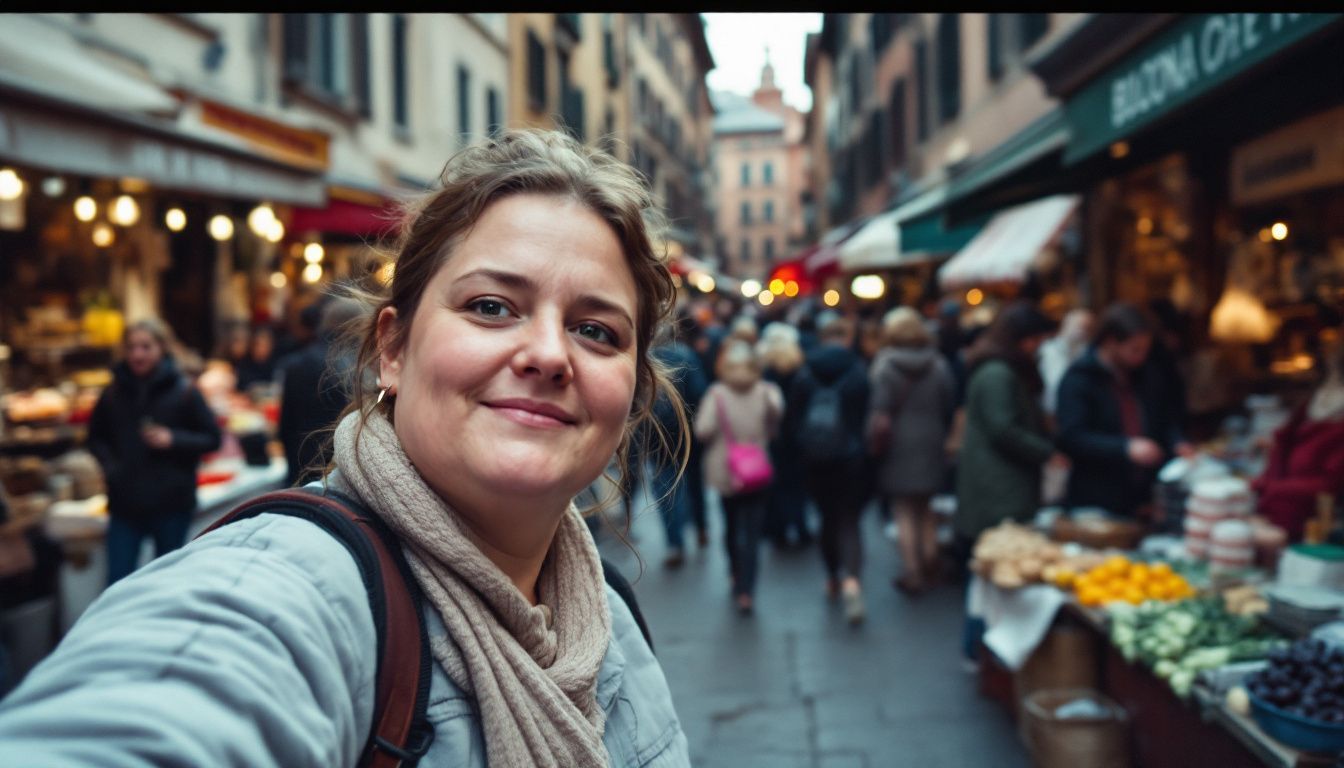
Modern attractions in Northern Italy excite visitors with fresh ideas and tasty food. Cities like Milan lead in fashion, while places like Bologna celebrate their rich culinary scene with local flavors and dishes from different regions.
Culinary evolution in regional cuisine
Northern Italy is famous for its tasty food. Each region has its own flavors and dishes. The culinary scene here has evolved over many years. It blends traditional recipes with modern twists.
This mix makes the cuisine unique and exciting.
The Po River greatly influences the cooking in northern regions like Emilia-Romagna and Lombardy. Fresh ingredients from the land create rich sauces and hearty meals. Risotto, a creamy rice dish, hails from this area too.
In cities like Milan, fashion meets food, showcasing creative dining experiences that delight visitors.
Local festivals celebrate regional foods as well. Events bring communities together to enjoy local delicacies like polenta and cheeses from Aosta Valley or cream-filled pastries from Veneto region.
Food lovers will find something special at every turn… Next up is exploring architectural marvels that enhance the charm of Northern Italy!
Contemporary art and fashion scenes
Northern Italy shines in the contemporary art and fashion scenes. Cities like Milan stand at the center of this vibrant culture. As a fashion capital, it hosts major events like Milan Fashion Week.
Designers showcase their latest work here. The city attracts artists from around the world.
Art galleries fill Milan’s streets with bold creativity. Spaces like Fondazione Prada feature cutting-edge exhibits. Artists push boundaries, exploring themes that resonate deeply with society today.
This mix of old and new captivates many visitors.
The culinary scene adds another layer to Northern Italy’s appeal. Regional cuisine evolves with modern twists on traditional dishes, attracting food lovers everywhere. With stunning views of Lake Orta and the Italian Alps, every bite is paired with breathtaking landscapes that inspire travelers to explore further….
Conclusion
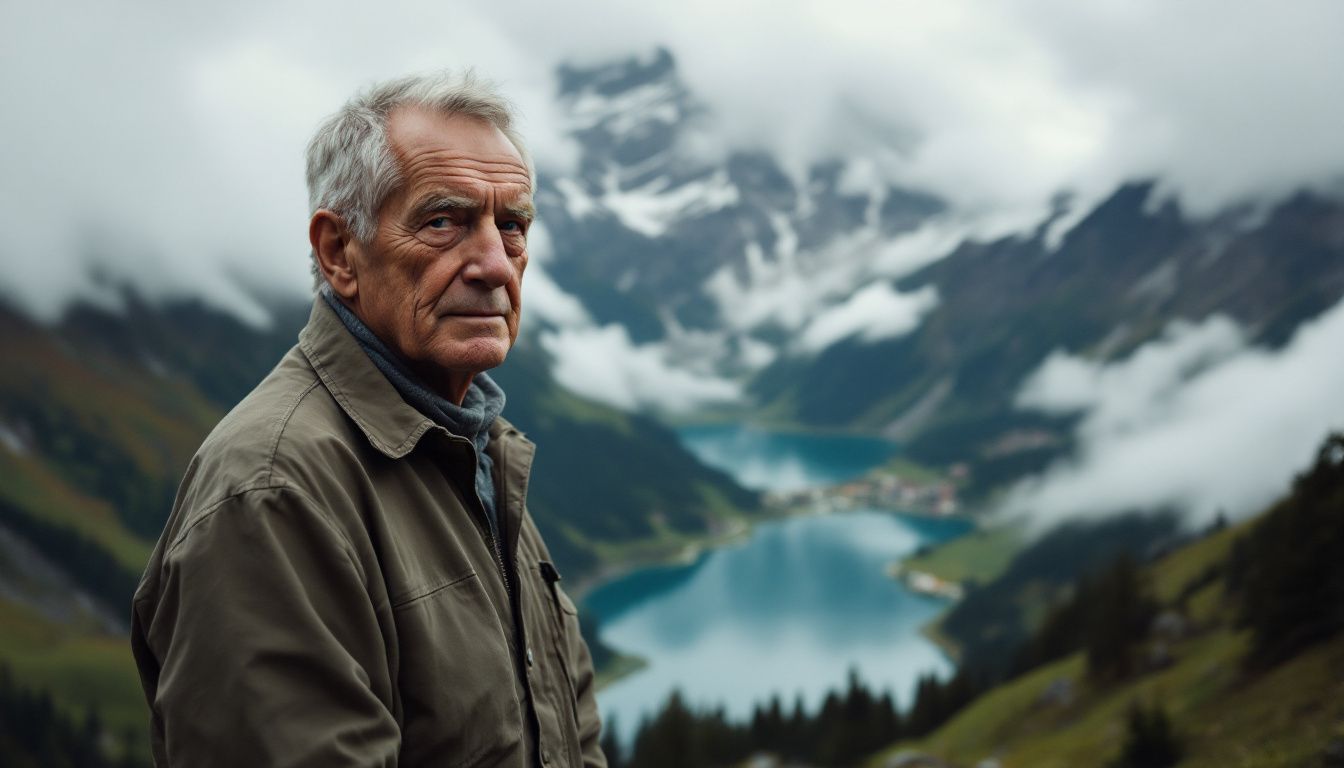
Northern Italy is a treasure. It has rich history, beautiful landscapes, and lively culture. You learned about ancient civilizations and the impact of Rome. The Italian Alps and stunning lakes offer breathtaking views.
Milan shines as a fashion hub with its vibrant traditions and festivals.
Exploring art in Florence or marveling at the Gothic cathedral in Milan enriches any visit. Enjoy delicious food while discovering modern attractions too! Think about how you can explore this amazing region yourself.
Consider planning your next trip to Northern Italy soon… adventure awaits! Embrace these experiences that connect us to history and beauty. This land invites all to discover, learn, and savor every moment!
FAQs
1. What makes Northern Italy distinct in terms of its history and culture?
Northern Italy, home to Italian city-states like Verona, has a rich history that reflects in the vibrant culture of Italians living there. From the grandeur of St. Mark’s Basilica in San Marco to the artistic brilliance of Leonardo Da Vinci’s works, every aspect tells a tale about its past.
2. Can you describe some stunning landscapes found in Northern Italy?
Certainly! The geography of Italy is diverse with stunning landscapes ranging from Monte Corno and Sexten Dolomites mountains to beautiful islands such as Elba from Tuscan Archipelago and Aeolian Islands including Stromboli and Vulcano.
3. Are there any unique attractions specific to North Italy?
Yes! Attractions like Palazzo Te designed by Giulio Romano in Mantova or Alfredo-Castelli’s Martin-Mystere exhibit at Messner Mountain Museum are exclusive to this region. Don’t miss out on exploring Sestriere ski resort or Cortina d’Ampezzo nestled amidst Northeastern Italy.
4. How does Southern Italy compare with Northern part?
While both regions have their charm, South of Italy including Sicilia island and Puglia hold a different allure compared to North with places like Ducal Palace in Mantuans or Grotta Azzurra cave on Island of Capri.
5. What can one expect while visiting Cinque Terre region?
Cinque Terre, located along Tyrrhenian Sea coastline includes picturesque villages such as Vernazza, Monterosso al Mare, Manarola each offering breathtaking views complemented by colorful mosaics which form an integral part of this area’s cultural fabric.
6. Does Northern Italy offer any unique experiences for adventure seekers?
Absolutely! Whether it’s hiking through Apennine Mountains extending till Southern Apennines or exploring Gardens Of Bomarzo also known as Park of the Monsters, Northern Italy offers a plethora of thrilling experiences for adventure enthusiasts.