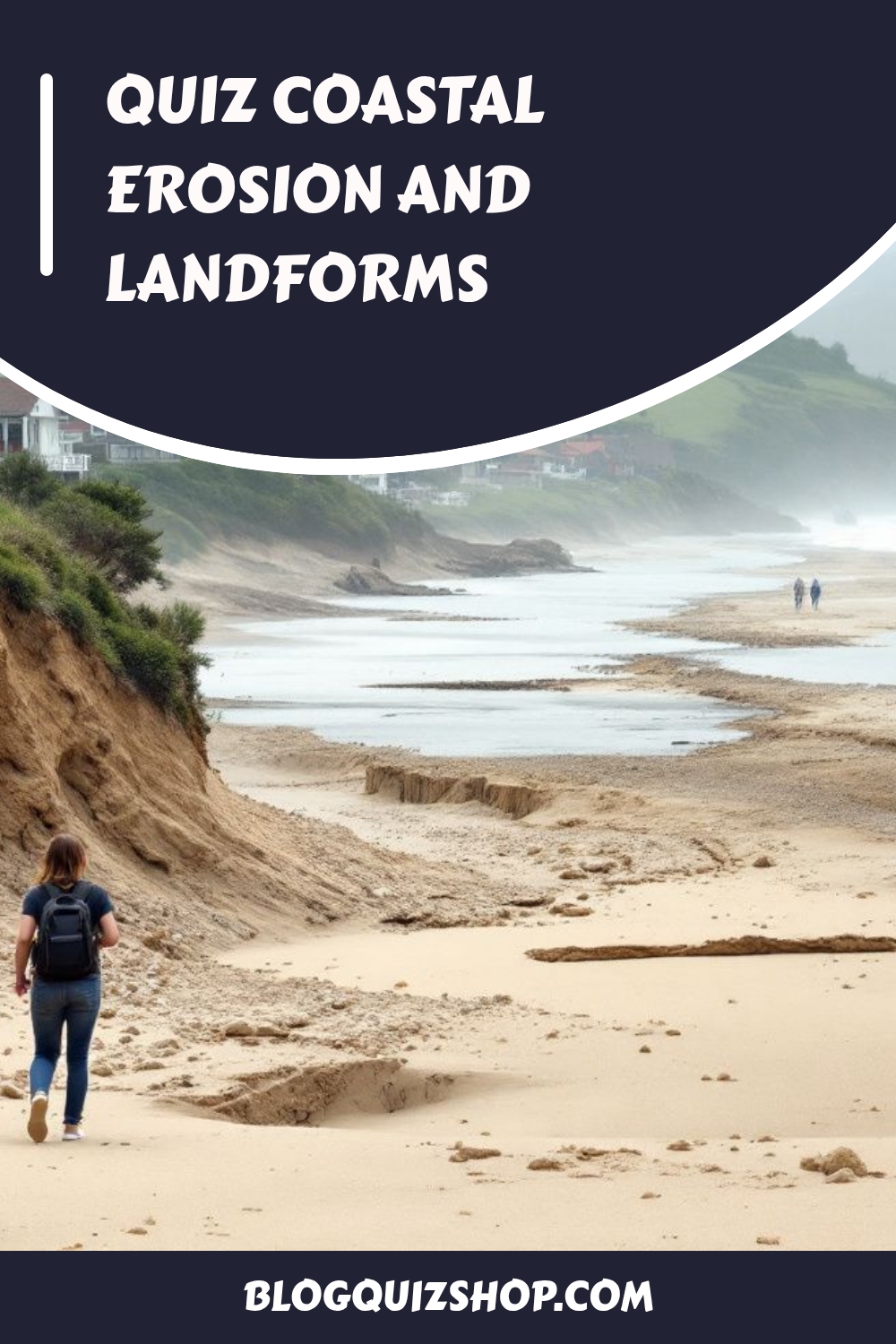
Coastal landforms like beaches and cliffs face significant challenges from coastal erosion. Natural processes, such as erosion, and human activities, such as construction and pollution, cause degradation. Climate change accelerates this, increasing sea levels and storm intensity. Beaches have varying vulnerabilities to rising seas. Solutions include beach nourishment, green infrastructure, and seawalls.
Coastal regions are a dynamic interface between land and sea. They are constantly changing. Coastlines, though seemingly static on maps, change rapidly. Humans are drawn to coastal living. Mild climates, abundant seafood, and easy transport are attractive. Half the world’s population lives near coasts. This puts pressure on these fragile environments.
Coastal erosion occurs in two primary forms: geological erosion and human-induced erosion.
Geological erosion is a natural process where coastlines wear away over time due to waves, wind, rain, and tides, leading to the loss of landforms and habitats.
This natural erosion also involves the movement of sediments along shorelines, often carried far by powerful water movements like longshore currents.
Human-induced erosion is accelerated by human actions, such as coastal construction, which alters natural sand movement and increases erosion.
Structures like seawalls and jetties, while intended for protection, can disrupt natural sand flow, leading to erosion down the coast.
Dredging operations in rivers and streams can remove sediment vital for beach growth, further contributing to coastal erosion.
Pollution from construction also damages protective plants on dunes and cliffs, making shores more vulnerable to erosion.
Current Challenges Facing Coastal Landforms
Rising sea levels, intensified storms, and excessive human construction pose significant threats to coastal landforms.
Sea levels are rising due to climate change, causing higher water levels that erode land, reduce beach areas, and impact coastal animal habitats.
Increased sea levels also lead to more severe storms that can damage protective structures and flood coastal communities.
Storms are becoming more frequent and intense, generating powerful waves and heavy rainfall that cause significant damage to beaches, cliffs, and coastal living areas.
Stronger storms also increase damage costs for repairs along the coast and disrupt ecosystems, displacing aniamls and plants.
Coastal construction can worsen erosion by altering natural water flow and blocking natural paths for water and sand, harming plant and animal habitats.
Pollution from urban, industrial, and agricultural sources contaminates coastal waters, harming marine life and devastating ecosystems like coral reefs, lagoons, estuaries, and tidal flats.
While hard structures like seawalls attempt to stop erosion, they can unintentionally exacerbate problems further down the coast.
Impact of Erosion on Coastal Landforms and Ecosystems
Coastal erosion destroys habitats, displacing animals and plants as land washes into the sea.
The loss of essential coastal areas like beaches, dunes, cliffs, and wetlands, exacerbated by rising sea levels and stronger storms, threatens the survival of many species.
Erosion changes how sand and sediment move along the coast, which can shrink or expand beaches unevenly.
Storms and rising sea levels intensify these changes, displacing more sand and dirt, which reduces land available for coastal life.
Man-made structures, like seawalls, disrupt natural sediment movement, often worsening erosion further down the coast.
Erosion and human activities disrupt marine life by altering seafloor composition and removing necessary habitats.
Pollution negatively impacts marine animals by introducing harmful substances into the water, hindering respiration and foraging, leading to a reduction in fish populations and disruption of food chains.
Seawalls also undermine marine habitats by interfering with natural processes that shape coastal areas crucial for the development of young fish.
Innovative Solutions to Combat Coastal Erosion
Coastal erosion is being combated with creative solutions, including beach nourishment, green infrastructure, and engineering adaptations.
Beach nourishment involves adding sand to beaches from other locations to replenish eroded areas, often followed by planting vegetation to stabilize the new sand.
Green infrastructure uses natural elements like plants and soils to manage water and protect against erosion and flooding, offering a more sustainable and often cost-effective alternative to hard structures.
Engineering adaptations, such as seawalls and groynes, are robust barriers built to protect coastlines.
Seawalls act as physical barriers against waves and shield coastal developments, while groynes extend into the sea to trap sand and maintain beaches.


 Cart is empty