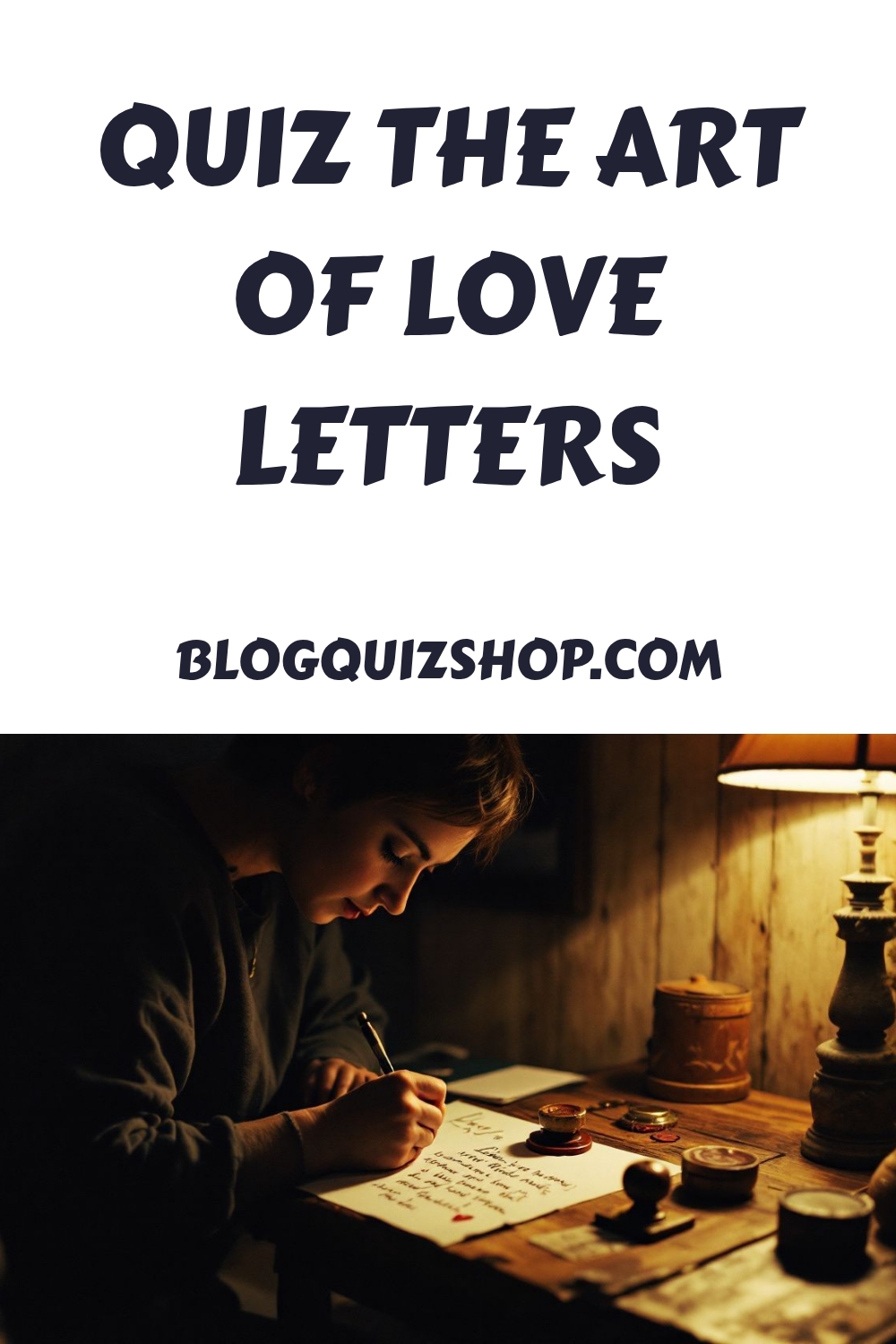
Love letters are historical conduits for deep emotion and personal connection. They bridge the past and present by offering a sincere, tangible form of communication distinct from modern digital methods.
Historical Roots and Evolution
Love letters date back at least to the Renaissance period (around the 14th century), when they served as significant gestures of devotion. They allowed individuals, from knights and damsels to royalty, to express intricate feelings in carefully crafted notes. Historically, love letters were not merely messages but treasured artifacts, reflecting shared jokes, promises, and dreams.
- Renaissance: Early examples of structured, often poetic, expressions of love.
- Impact: Triggered significant historical events, such as Henry VIII’s courtship of Anne Boleyn, which led to the English Reformation.
- Enduring Significance: Despite centuries of evolution in communication, love letters continue to touch lives and strengthen relationships due to their unique blend of personal touch and emotional depth.
Core Emotional Components
Impactful love letters are characterized by their sincerity, personalization, and the emotional resonance they create. They provide a medium for expressing feelings that might be difficult to articulate verbally, transforming abstract emotions into concrete, tangible evidence of an emotional bond.
- Sincerity: Genuine feelings flowing from pen to paper. The effort of handwriting itself signifies care and dedication.
- Personalization: Inclusion of specific memories, inside jokes, and deeply personal reflections that only the sender and recipient would understand.
- Impact: Creates a strong bond, fostering reassurance, trust, and emotional closeness. They act as keepsakes, holding sentimental value.
Traditional vs. Digital Communication
Handwritten love letters offer a unique charm and aesthetic pleasure unmatched by digital messages. The physical act of writing—choosing a pen, feeling the paper, seeing words flow—creates a direct link between the writer’s hand and their feelings.
- Handwritten Letters:
- Tangible and lasting keepsake.
- Demonstrates effort, time, and personal dedication.
- Unique aesthetic with personal handwriting and potential for drawings.
- Creates a deeply intimate and sincere connection.
- Modern Digital Communication (texts, emails, DMs):
- Convenient and immediate.
- Often less structured, focusing on quick exchanges.
- Can lack the physical permanence and personal touch of a handwritten note.
- Risk of feeling generic or less impactful if not carefully crafted.
The Craft: Writing with Sincerity and Personalization
Crafting an impactful love letter involves a delicate process of translating genuine feelings into words. This ensures sincerity, personalization, and maximum impact for the recipient.
Brainstorming and Selecting Personal Details
Effective love letters are rich with specific, shared memories and unique insights. The process begins by thinking about moments, qualities, and experiences that are exclusive to your relationship.
- Recall Key Memories: Think of significant occasions, shared jokes, challenges overcome, or specific daily interactions that bring a smile.
- Appreciate Specific Qualities: Focus on 2-3 distinct traits you admire in them (e.g., ‘your way of telling stories,’ ‘how you listen,’ ‘your curiosity’).
- Reflect on Impact: Consider how they have influenced your life or made you feel (e.g., ‘life feels bigger because you’re in it,’ ‘you’re the reason each day feels worth waking up for’).
- Use Concrete Imagery: Instead of generic compliments, describe specific actions or details that illustrate your feelings.
Adapting Tone and Content for Relationship Stages
The sincerity and impact of a love letter are enhanced when its tone, focus, and promises align with the actual stage and context of the relationship.
- Early Stages (e.g., ‘3 dates in’):
- Tone: Sweet, hopeful, curious, excited.
- Focus: Appreciation without heavy declarations; focus on present enjoyment and next steps (e.g., ‘looking forward to our next date’).
- Avoid: Overly strong future commitments or highly sexual content.
- Developing Stages (e.g., long-distance):
- Tone: Emphasize reassurance, trust, and emotional closeness despite physical distance.
- Focus: Shared memories, how you stay connected, future reunion plans, and long-term commitment.
- Established Stages (e.g., ’10 years married’):
- Tone: Deep commitment, appreciation for shared history, stability, and chosen partnership.
- Focus: Reflect on growth, challenges overcome together, ongoing adventures, and building more memories.
Identifying and Overcoming Common Mistakes
Several pitfalls can detract from a love letter’s sincerity and impact. Awareness and intentional avoidance are key to crafting a truly meaningful message.
- Using Stock Phrases: Avoid generic compliments or overly dramatic declarations that could apply to anyone. Overcome by: Filling with specific moments and inside jokes.
- Making Demands: Do not use the letter to express expectations, guilt, or ultimatums. Overcome by: Matching emotional depth to the relationship’s reality.
- Stiff or Abstract Language: Avoid overly formal, literary, or dense metaphors that make the letter sound impersonal. Overcome by: Writing in your natural voice—clear, warm, and direct.
- Spelling and Grammar Errors: Carelessness can distract from the message. Overcome by: Rereading for clarity and minor corrections.
- Dishonesty or Exaggeration: Saying things you don’t truly feel undermines trust. Overcome by: Keeping every line honest and genuine, even if simple.
- Inappropriate Content: Avoid highly sexual or intensely emotional revelations without knowing the recipient’s comfort level. Overcome by: Considering their personality and your shared history.
- Rambling or Lack of Focus: Pages of musings without a clear message can leave the reader confused. Overcome by: Aiming for a simple arc: why you’re writing, what you cherish, a memory, a future hope, and a warm sign-off.
Frameworks: Integrating Tradition with Today’s Mediums
Adapting the timeless art of heartfelt correspondence for today’s world requires blending traditional sentiment with contemporary tools. This allows for unique expressions of affection that resonate in any format.
The Traditional Art of Connection Model
This model emphasizes the core elements of historical love letters: tangibility, permanence, and deliberate effort. It posits that a letter’s value is derived from its physical presence and the time invested in its creation, making it a cherished keepsake.
- Core Concepts:
- Tangibility: The physical object (paper, handwriting) carries emotional weight.
- Permanence: A letter can be kept, reread, and treasured over time.
- Deliberate Effort: The act of handwriting signifies care, time, and focused intention.
- Application: When crafting a message, prioritize elements that make it feel unique and irreplaceable, much like a precious piece of jewelry. Consider the aesthetic pleasure of pen on paper, the personal touch of handwriting, and the physical act of sealing and sending.
Modern Communication Framework
This framework recognizes the prevalence of digital tools and identifies how their features (multimedia, immediacy, interactive elements) can be harnessed to deliver heartfelt messages. It’s not about replacing tradition but reinterpreting its essence through new media.
- Core Concepts:
- Multimedia Integration: Combining text with photos, videos, audio, or links to shared memories.
- Digital Immediacy: Using platforms for timely delivery while still maintaining structure and reflection.
- Interactive Elements: Incorporating features like countdowns, embedded songs, or editable templates.
- Application: When choosing a modern format (email, DM, video, voice note, digital card), structure it like a traditional letter: a clear opening, specific memories, statements of appreciation, a future hope, and a warm closing. Use concrete details only you and your partner share to maintain personalization.
The Blended Affection Synthesis Framework
This framework synthesizes traditional and modern approaches, advocating for a hybrid method that maximizes emotional impact. It views both forms not as opposites, but as complementary tools for expressing affection, allowing for rich, multifaceted communication.
Core Concepts:
- Complementary Strengths: Leveraging the permanence of physical items with the dynamic capabilities of digital platforms.
- Intentional Hybridization: Consciously choosing to combine elements from both worlds (e.g., a handwritten note with a QR code linking to a personalized playlist or video).
- Creative Expression: Utilizing personal artistry, whether through doodles, collages, or digital design, to enhance the message.
Application: Develop a personal framework for crafting meaningful messages by considering:
- Recipient’s Preference: What format would resonate most deeply with them?
- Emotional Depth: Does the chosen medium allow for the desired level of vulnerability and sincerity?
- Creative Enhancements: How can additions (small tokens, illustrations, digital links) elevate the message beyond mere words?
Example: Creating a ‘treasure-hunt letter’ that combines physical clues with digital hints, or attaching small physical mementos (ticket stubs, printed screenshots) to a handwritten note to echo your shared digital life.


 Cart is empty