Contact us: ww@blogquizshop.com

TAKE THE QUIZ

rock music in the 1960s and 1970s the psychedelic era 310760298

The Powerful Decades 

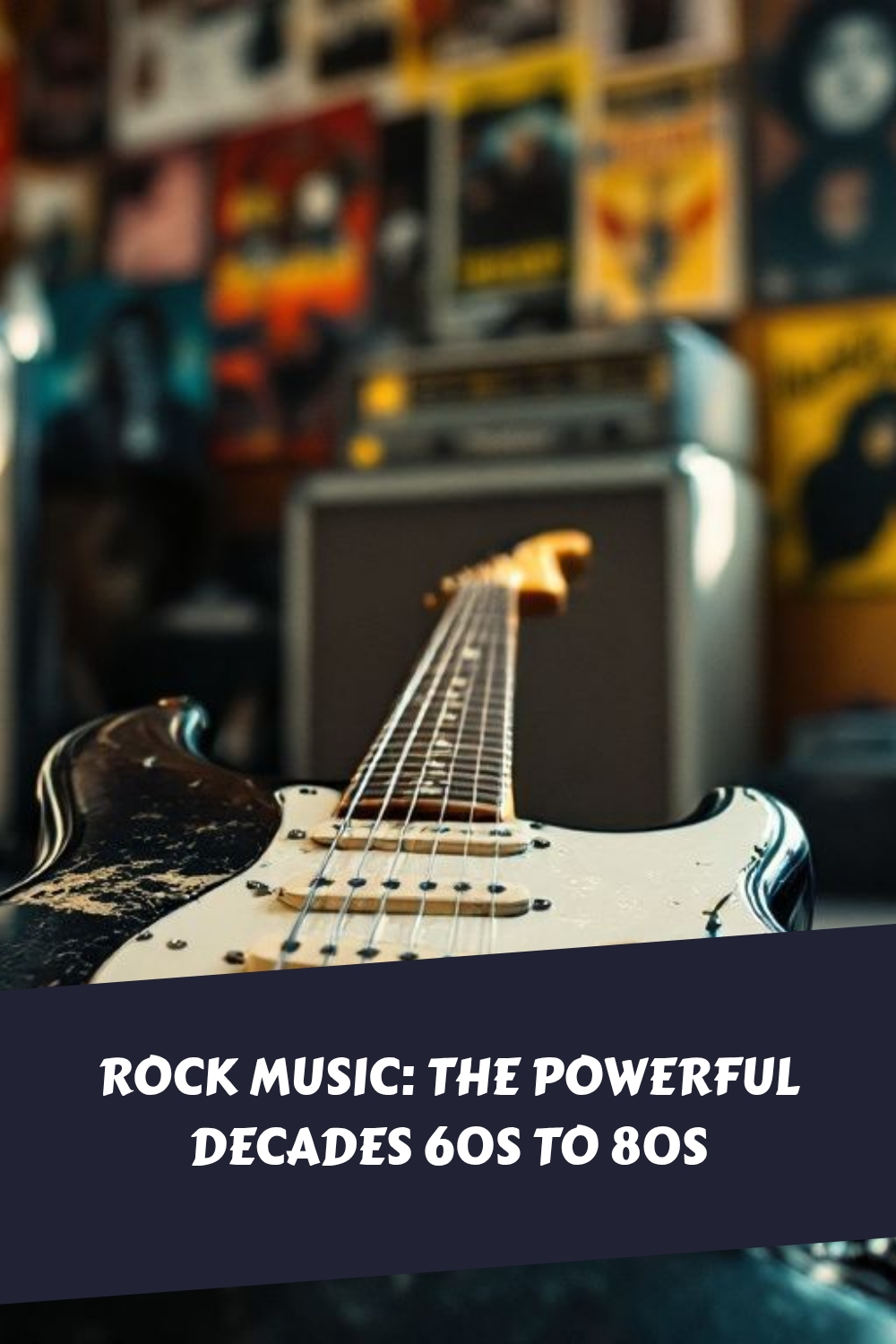
This Podcast celebrate the Vibrant Rock Music from the decades 60s, 70s, 80s. It offers a comprehensive overview of rock music’s evolution across these three decades. It explores key genres and their defining characteristics, such as classic rock, psychedelic rock, hard rock, heavy metal, and the influence of Motown and R&B.

The Podcast highlights pivotal bands and artists across the decades. Like The Beatles, The Rolling Stones, Led Zeppelin, Pink Floyd, Marvin Gaye, and Aretha Franklin, detailing their contributions to the genre’s growth. Furthermore, it discusses the cultural impact of events like the British Invasion and the Woodstock festival, illustrating how they shaped both the music and societal movements of the time. The Podcast underscores the enduring legacy of these eras, emphasizing how they continue to influence contemporary music.

The Evolution of Rock and Roll over the Decades

Rock music, originating in the late 1940s and early 1950s, has undergone continuous evolution during these decades. Transforming from its rhythm and blues roots into a global cultural phenomenon. Key themes include its origins in American diverse musical styles. The revolutionary impact of the British Invasion, the experimental and countercultural spirit of the 1960s, the diversification into numerous subgenres in the 1970s (including classic, progressive, glam, punk, and heavy metal). Then the subsequent explosion and branching out of heavy metal into an intricate array of subgenres through the decades of the 80s, 90s, and 2000s. The genre is characterized by its adaptability, social commentary, and pioneering artists who consistently pushed musical and cultural boundaries.

Main Themes and Key Ideas

The Genesis of Rock and Roll (1950s & Early 1960s)

  • Origins and Influences: Rock music began in the U.S. as “rock and roll,” a fusion of “African-American rhythm and blues, gospel, and country music.” Pioneers like Chuck Berry, Little Richard, Elvis Presley, and Fats Domino established its foundational sound.
  • Early 1960s Stagnation & Revival: Following the initial burst, the early 1960s saw a period where “rock and roll had pretty much bit in the dust” creatively. However, this era also saw the rise of dance crazes (e.g., Chubby Checker’s “The Twist”), the development of “soul music and Motown,” and regional sounds like “surf rock emerged from California.” Artists like Roy Orbison introduced more elaborate orchestral arrangements, a departure from the “bare bones instrumentation heard in the past decade.”

The Transformative British Invasion (Mid-1960s)

  • Reshaping American Music: The British Invasion, beginning in 1963-1964, dramatically “reshaped American rock music.” British bands, drawing from American blues and R&B, infused it with “their own energy and style.”
  • Key Bands and Their Impact: The Beatles: Hailed as the “biggest music craze for more than a decade,” The Beatles “spearheaded the movement” and influenced countless musicians. They “pushed the boundaries of music, focusing on albums rather than singles,” transforming “rock as an art form.” Their appearance on The Ed Sullivan Show was a pivotal moment, and they were among the first bands to “write and perform their own material.” By the mid-60s, they began “to experiment more and more with their sound,” as seen in albums like Rubber Soul, Revolver, and Sgt. Pepper’s Lonely Hearts Club Band.
  • The Rolling Stones: Known as “bad boys of rock and roll” with “sexually charged lyrics and stage moves,” The Rolling Stones started by covering old blues songs before creating their own hits like “(I Can’t Get No) Satisfaction,” featuring one of rock’s most recognizable guitar riffs. They “influenced hard rock genres with their bold style.”
  • Other Notable British Acts from the Decades: The Who (known for “auto-destructive art” and pioneering the “rock opera” with Tommy), The Kinks (credited with “one of the earliest hard rock songs” with “You Really Got Me”), and Cream (considered by some as “the first progressive band,” “first Super group,” and “first jam band”).

The Psychedelic Era and Counterculture (Late 1960s)

  • Exploration and Experimentation: The late 1960s was a “renaissance” for rock, testing “the limitations of music with pounding rhythms, provocative lyrics and a large assortment of drugs.” LSD, in particular, was seen by many artists as raising “the consciousness of individuals.”
  • Psychedelic Rock Characteristics: This genre was defined by “dreamy lyrics and unique sounds,” pushing boundaries and inviting exploration of “deep feelings through art.” Hallmarks included “improvisation, blues-infused melodies, complex guitar solos, and often long, extended jams.”
  • Iconic Bands: Pink Floyd: Rose to fame mixing “rock with deep lyrics and innovative sounds,” with albums like “The Dark Side of the Moon” becoming “timeless classics.”
  • The Grateful Dead: Known for their “experimental style” and “revolutionary” blend of rock, jazz, bluegrass, and folk, especially through their “live performances.”
  • The Doors: Characterized by “Ray Manzarek’s virtuoso organ playing” and Jim Morrison’s “poetic melodies.”
  • Jimi Hendrix: A “guitar God” who took the instrument “to a whole other level experimenting with feedback, fuzz tones, wah pedals as whammy bar all sorts of crazy things.” His performance at the Monterey Pop Festival, culminating in setting his guitar on fire, symbolized “the rebellious nature and experimental mindset of the 60s.”
  • Woodstock and the Counterculture: The “San Francisco hippie movement is pretty much the symbol of the 60s,” based on “peace and love.” The Woodstock festival, a landmark event, showcased the era’s spirit and diverse acts like Sly and the Family Stone, The Who, and Crosby, Stills, Nash & Young. However, the period ended with a shift, as the “peace and love movement” eventually gave way.

The Diversification of the 1970s

  • Defining Era for Classic Rock: The 1970s is “pretty much the definitive era” for classic rock, marked by “all the most unforgettable rockers” and a significant split into various subgenres.
  • Emergence of Hard Rock and Heavy Metal: Led Zeppelin: Described as “possibly the greatest band ever,” Led Zeppelin, formed from former Yardbirds members, brought a new level of “rock so hard.” Their song “Stairway to Heaven” is frequently cited as “the greatest rock song ever.”
  • Black Sabbath: Often credited as “the first heavy metal band,” Black Sabbath introduced a “darker, heavier sound.” Their music, influenced by “horror films” and Tony Iommi’s altered guitar playing, created a “dark vibe.”
  • Deep Purple: Known for “memorable guitar riffs” like “Smoke on the Water” and the album Machine Head.
  • Early Heavy Metal Roots: The term “heavy metal” likely entered the public consciousness with Steppenwolf’s “Born to Be Wild” in 1968, which contained the lyrics “heavy metal Thunder.”
  • Progressive Rock: Bands like Yes, Genesis, and Rush “pushed musical boundaries, incorporating classical and jazz elements into rock.” Pink Floyd’s “Dark Side of the Moon” is cited as “arguably the greatest record ever made,” remaining on charts for 13 years.
  • Glam Rock: Artists like David Bowie (with Ziggy Stardust) and Elton John brought “the theatrics and glamour into rock,” focusing on image and elaborate stage shows.
  • Country Rock: Bands like The Eagles became prominent, with their “Greatest Hits album” being “one of the best-selling records of all time.”
  • Punk Rock and New Wave: The Ramones: Rebelled against rock’s status quo with “simple, raw and exciting” music—”short three-minute songs with power chords played very fast.” They were seen as their “own thing” despite other punk pioneers.
  • The Sex Pistols: Caused a “ruckus in England” with “straight-up anti-establishment” lyrics, embodying “class warfare.”
  • The Clash: Followed the Ramones’ sound and proved punk “was a global thing.”
  • The Cars & The Police: Introduced “new wave” by adding “synthesizers” and incorporating influences like “reggae” (The Police).

The Expanding Universe of Metal (1970s-and later decades)

  • Foundational Heavy Metal (70s): Black Sabbath, Deep Purple, and Led Zeppelin established the core sound. Kiss “massively capitalized on their growing Fame” by becoming “more than just a ban[d]… a brand,” with over-the-top performances and marketing.
  • New Wave of British Heavy Metal (late 70s/early 80s): Bands like Iron Maiden, Judas Priest, and Motorhead “added a new level of speed and Melody” and “over-the-top Showmanship.” Motorhead, in particular, blended “the heaviness of metal with the speed of punk music.”
  • The Rise of Extreme Metal (80s):Venom: “Took what had come to be known as heavy metal and cranked it up to 666,” fully embracing “satanic imagery and lyrics” and pushing the music “faster, heavier and dirtier and raw.”
  • Thrash Metal: Pioneers like Exodus, Metallica, Slayer, Testament, and Anthrax emerged as a response to mainstream “hair bands.” Thrash “took the speed and aggression” of earlier metal and punk, giving birth to “moshing.”
  • Early Death Metal: Bands like Obituary and Death from Florida took thrash and pushed it to “its most brutal and intense genre yet,” characterized by “ridiculously heavy breakdowns” and grotesque lyrics.
  • Black Metal (Norwegian Scene): Mayhem, Darkthrone, Immortal, and Satyricon “increased [satanic themes] tenfold” and also incorporated “Norway’s landscape and Nordic history.”
  • Subgenre Explosion & Global Reach (90s-2010s):Melodic Death Metal: Sweden developed a distinct style, more melodic than Florida’s death metal.
  • Grindcore: Bands like Napalm Death combined the “brutality and grotesqueness” of death metal with “the chaos of hardcore punk.”
  • Power Metal: Halloween, Blind Guardian, and Gamma Ray focused on “fantasy tales and stories,” with “exciting over-the-top and bombastic parts.”
  • Nu Metal: Emerged in the 90s with bands like Korn and Limp Bizkit, blending “rap over their harder music” and drawing from “Goth scene” imagery.
  • Folk Metal: Bands like Finntroll and Ensiferum incorporated “violins, flutes, accordions, hurdy-gurdies” and folklore, bringing a “strong sense of fun and light-heartedness.”
  • Symphonic Metal: Nightwish and Epica married “speed and heaviness in metal” with “film score symphonies and operatic vocals.”
  • Deathcore: A current major genre, “spawned out of Death’s last few albums,” focusing on “ridiculously heavy breakdowns, crazy structures and neck tattoos.”
  • The Internet’s Role: “Thanks to this new invention that became really popular called the internet metal music became more widespread and accessible than ever.”

Influence of Motown and R&B during these decades

  • Foundation for Rock: Motown, founded by Berry Gordy in Detroit, “assembled the soul and pop classics that changed America.” It was a “black-owned black-centered business that gave white America something that they just could not get enough of.”
  • Musical Characteristics: Motown’s “sound” featured “great melodies, lots of tamarinds and hand clapping, blaring horns, interplay between the lead singer and his or her backup vocalists, driving bass lines and foot slapping their drum parts.”
  • Crossover Impact: Motown and Rhythm & Blues “changed rock music forever.” Artists like Marvin Gaye (“Prince of Motown”) and Aretha Franklin (“Queen of Soul”) “brought soul into the mix, adding depth to the sound,” influencing numerous rock artists, including The Rolling Stones and The Beatles. Marvin Gaye’s “What’s Going On” addressed social issues, while Aretha Franklin’s “Respect” became an “anthem for both civil rights and feminism.”
  • Disco’s Roots: Early disco evolved from “funk music” and the “lavish production of philadelphia soul,” as seen in albums by Stevie Wonder and Earth, Wind & Fire, though it later became “watered down and over produce[d].”

Conclusion

Rock and roll, from its “birth” in the 1950s to its continuous reinvention into the 2020s, has been a dynamic genre reflecting and shaping cultural shifts. The British Invasion, led by The Beatles, was a pivotal moment, cementing Britain as a “powerhouse of Rock.” The 1960s saw profound experimentation and the rise of counterculture, while the 1970s heralded diversification into numerous subgenres, with heavy metal establishing its dominant presence. The subsequent decades, particularly in metal, demonstrated an unparalleled explosion of niche genres, showcasing the genre’s enduring capacity for innovation and its global reach. The music’s honesty, raw emotion, and willingness to challenge the status quo have allowed it to “rock hard” across generations.

Rock Music The Powerful Decades 60s to 80s generated pin 5051
pinit fg en round red 32
Shopping Basket