Contact us: ww@blogquizshop.com


 Cart is empty
 Top 10 Roles in Movie Production. What do these roles do?






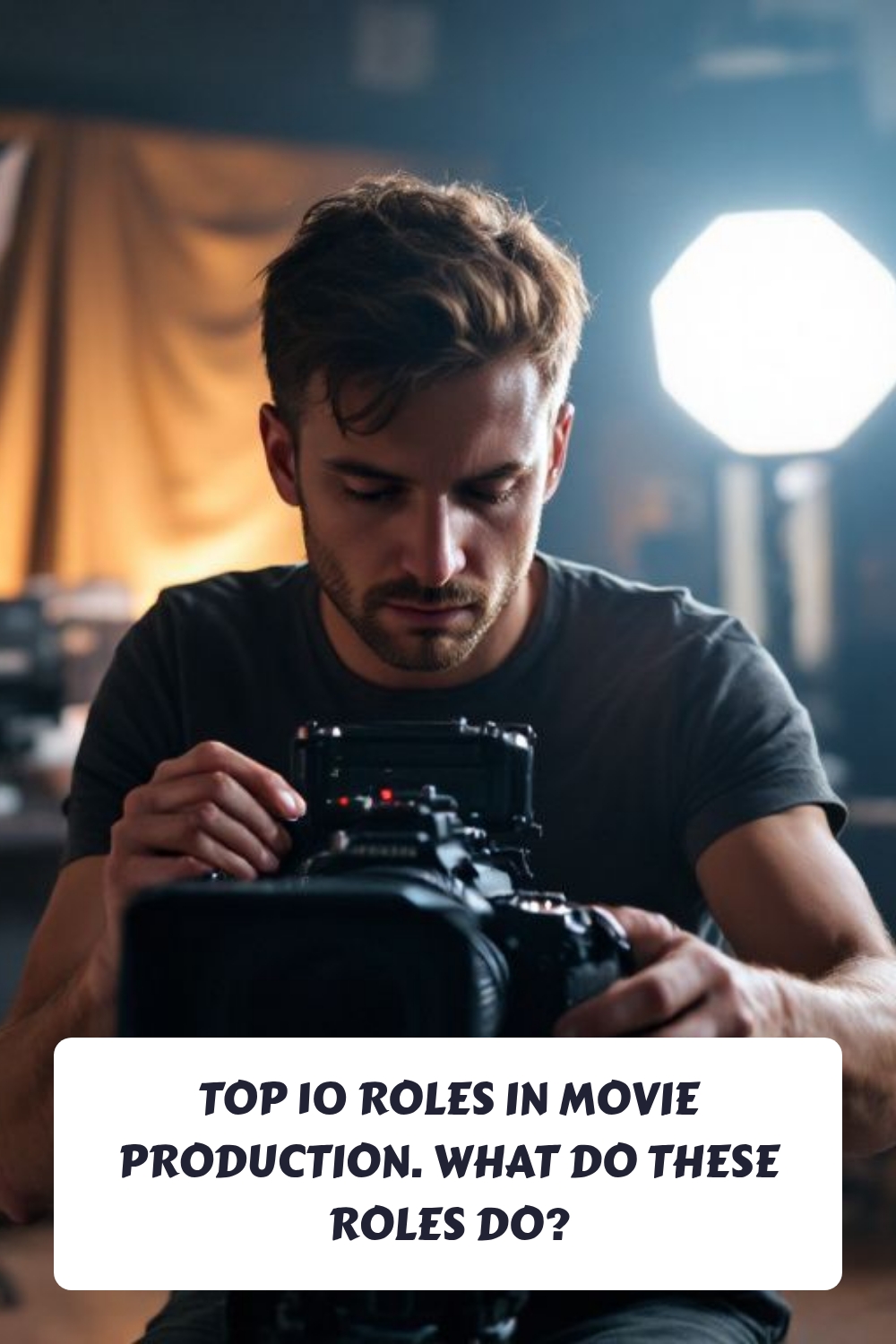
Have you ever watched a movie and wondered who makes all the magic happen? Movies aren’t just about actors. In movie production a lot of work happens behind the scenes. One key fact is that there are top roles in movie production that come together to turn stories into movies we love.
These include the director, producer, cinematographer, and editor among others.
This blog will shed light on what these roles do in movie production. You’ll learn how each person contributes to making a movie from start to finish. Ready for a closer look? Keep reading!
Key Takeaways
- Directors make the movie look and feel a certain way. They work with actors and crew to bring stories to life.
- Producers manage money, schedules, and overall project planning. They keep films on track from start to end.
- Screenwriters write the script, including all dialogues and character actions. Their work guides everything in the movie.
- Cinematographers decide how movies will look using cameras and lighting. They help set the mood for each scene.
- Editors put together film pieces, adding sound and effects to flow well from beginning to end. They shape how fast or slow a story moves.
- Sound designers make sure you hear every word clearly. They mix dialogue, music, and effects for a good audio experience.
- Casting directors find actors for characters. They run auditions to pick the best fit for every role in the movie.
- VFX Supervisors add special effects that look real. They work with teams before and after shooting to create believable visuals.
Director
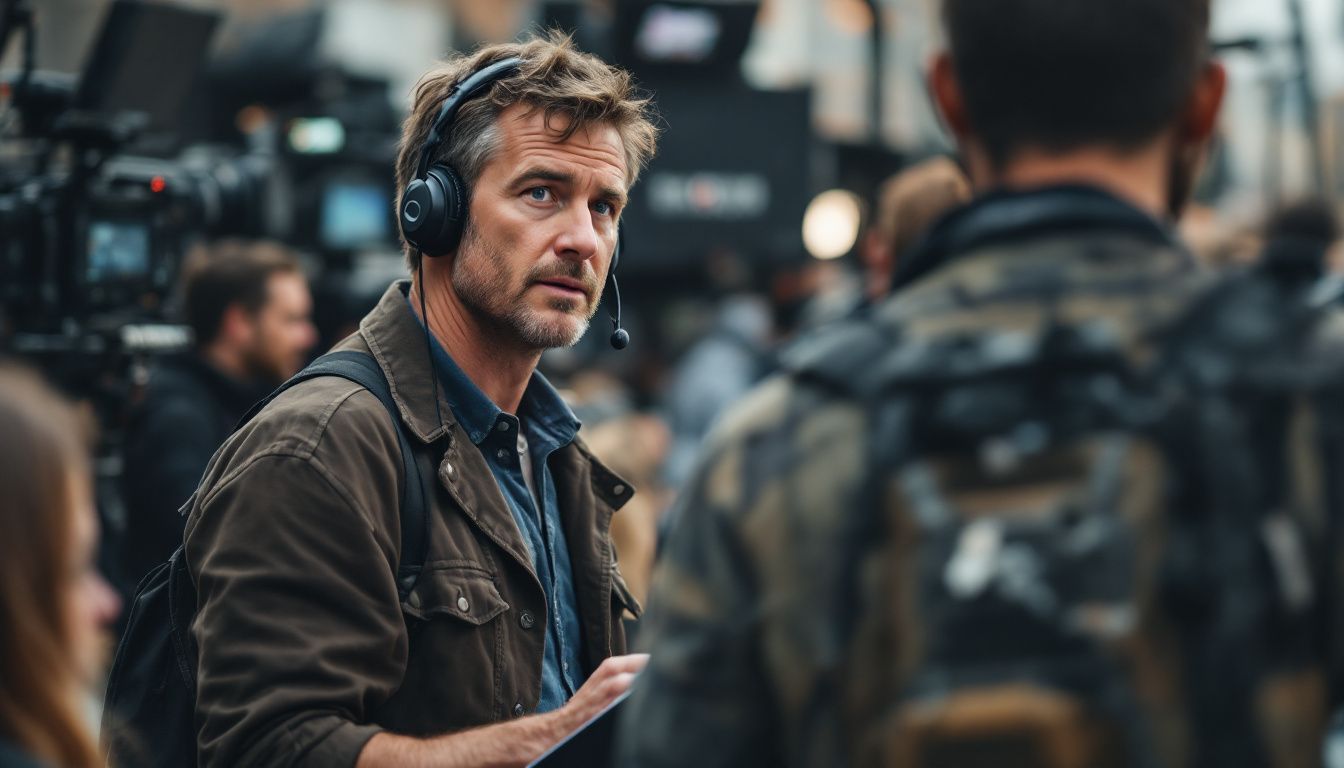
The director is like the captain of a ship in movie production. They guide everything you see on screen, from how actors perform to what the movie looks like.
Oversees creative aspects of movie production
A director takes charge of the film’s artistic side. They work closely with people like the screenwriter and cinematographer. Their job is to make sure that the movie looks, feels, and tells the story in the best way possible.
This means guiding actors during shooting and working with editors in post-production.
In movie production they also choose locations for filming and decide how scenes should look. A good director talks a lot with the production designer to create settings that fit the story. They check every detail — from how actors deliver lines to how a scene is lit by gaffers and lighting technicians.
Next, we talk about producers who keep track of money and schedules.
Guides the cast and crew’s artistic direction
The director leads the way for the movie’s look and feel. They make sure every scene matches their vision. This means working closely with everyone, from camera operators to set decorators.
The director decides how actors move and speak in scenes. They also pick what the camera sees.
This role needs a good plan for each day of filming. The director uses storyboards to share their ideas in movie production. They talk with the cinematographer about lighting and shots. With production designers, they create sets that tell part of the story.
Working on a film, directors solve problems fast to keep things moving. Their main goal is to make sure the final movie looks like what they pictured at the start.
Producer

A producer makes sure everything in movie production runs smoothly. They plan the budget, figure out the schedule, and manage the whole project from start to end.
Manages production logistics
Producers keep movie projects on track. They handle the money, plan schedules, and make sure everyone knows where and when to be there. For example, if a scene needs to shoot at sunrise in a desert, the producer arranges for trucks, cameras, and crew members to get there on time.
They work closely with people like the unit production manager and production coordinator. These roles help organize all the details that go into filming.
Handling problems is a big part of their job too. If bad weather ruins a day of shooting, producers must figure out how to make up for lost time without going over budget. They talk with department heads like those in charge of lighting or sound to keep everything moving smoothly.
Producers are key players from start to finish in making movies happen.
Handles budgeting, scheduling, and overall project management
Managing movie production logistics is just the start. The next big step involves handling the film’s budget, scheduling, and overall project management. This is where producers shine. They make sure every dollar spent brings value to the movie.
Staying on schedule is key to avoiding extra costs that can blow up a budget fast.
Producers use tools like digital calendars and project management software to keep everything running smoothly. They work with departments such as art, lighting, and sound to ensure money and time are used wisely.
Keeping track of expenses helps them stay within the budget set for making the film.
In movie production a well-managed budget ensures a smooth journey from script to screen.
Executive Producer
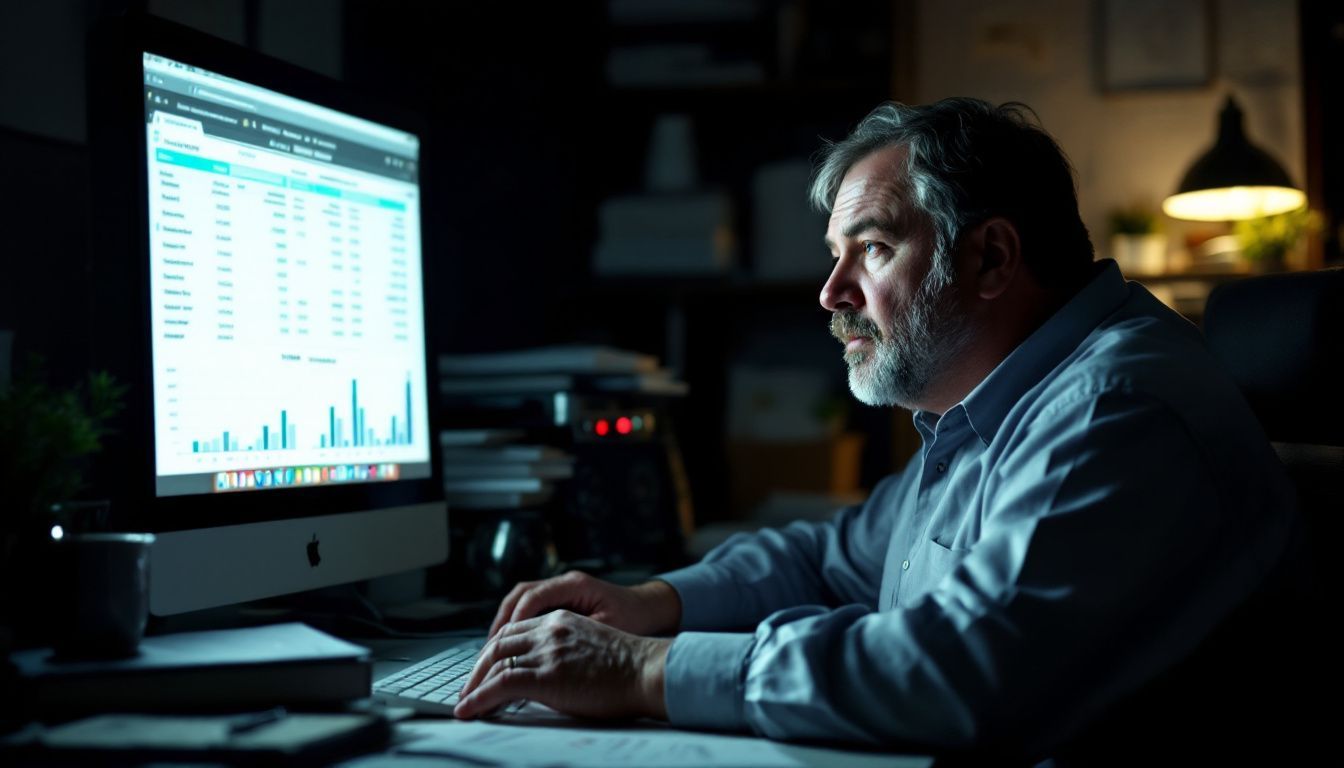
The Executive Producer plays a big role in the money side of movie production. They find the funds and keep an eye on spending to make sure the film doesn’t go over budget.
Primarily responsible for financing
An executive producer finds the money for making a movie. They talk to investors and studios to get cash. This role is key in starting any project in movie production. They make big decisions about money and keep an eye on spending.
Without them, movies couldn’t be made.
This person also checks that everything sticks to the budget. They work with producers and directors to make sure the film does not spend too much. Executive producers play a huge part in both the creative side and business side of filmmaking.
They help turn ideas into movies that people can watch.
Oversees the movie production from a business standpoint
After handling the financing, the executive producer also makes sure the film’s production runs well from a business side. They look at big decisions and keep an eye on how money is spent.
This role involves working with the producers to set up schedules, manage costs, and make sure everything stays on track.
The executive producer checks that all parts of the film crew – from key grips to boom operators – work together smoothly. They help solve problems that come up during filming or post-production.
Their goal is to finish the movie on time and within budget.
A good film isn’t just about good storytelling; it’s also about managing resources wisely.
Screenwriter

A screenwriter turns ideas into stories. They create the words we hear, the people we meet, and the journeys they take in a movie.
Crafts the screenplay
The screenwriter plays a key role in movie production. They write the screenplay, which is the movie’s script. This includes all dialogues, characters’ actions, and scenes. Their work forms the blueprint for the film.
A good screenplay sets the tone of a movie and guides everyone else on set.
Screenwriters use tools like script software to format their work correctly. They also research to create realistic characters and settings. Often working closely with directors, they may revise scripts based on feedback or changes in direction.
Now we move to how movies look through cinematography.
Develops dialogue, characters, and plot structure
Screenwriters have a big job. They create the story that movies are built on. This includes writing what people say, who they are, and how the story moves from start to end. Their work is like putting together a puzzle.
Each piece must fit just right to tell a clear and interesting story.
Writing is rewriting. This quote sums up screenwriting perfectly. It’s all about shaping the dialogue, characters, and plot until they’re just right for the screen. Screenplays shape everything you see in a movie. From tense chases to heartfelt goodbyes they are all part of movie production.
Screenwriters use tools like scriptwriting software to get their ideas onto paper quickly and clearly. They think about every part of a movie, from big action scenes down to small looks between characters.
Good writers make sure even small talks add something important or move the story forward.
Director of Photography (Cinematographer)
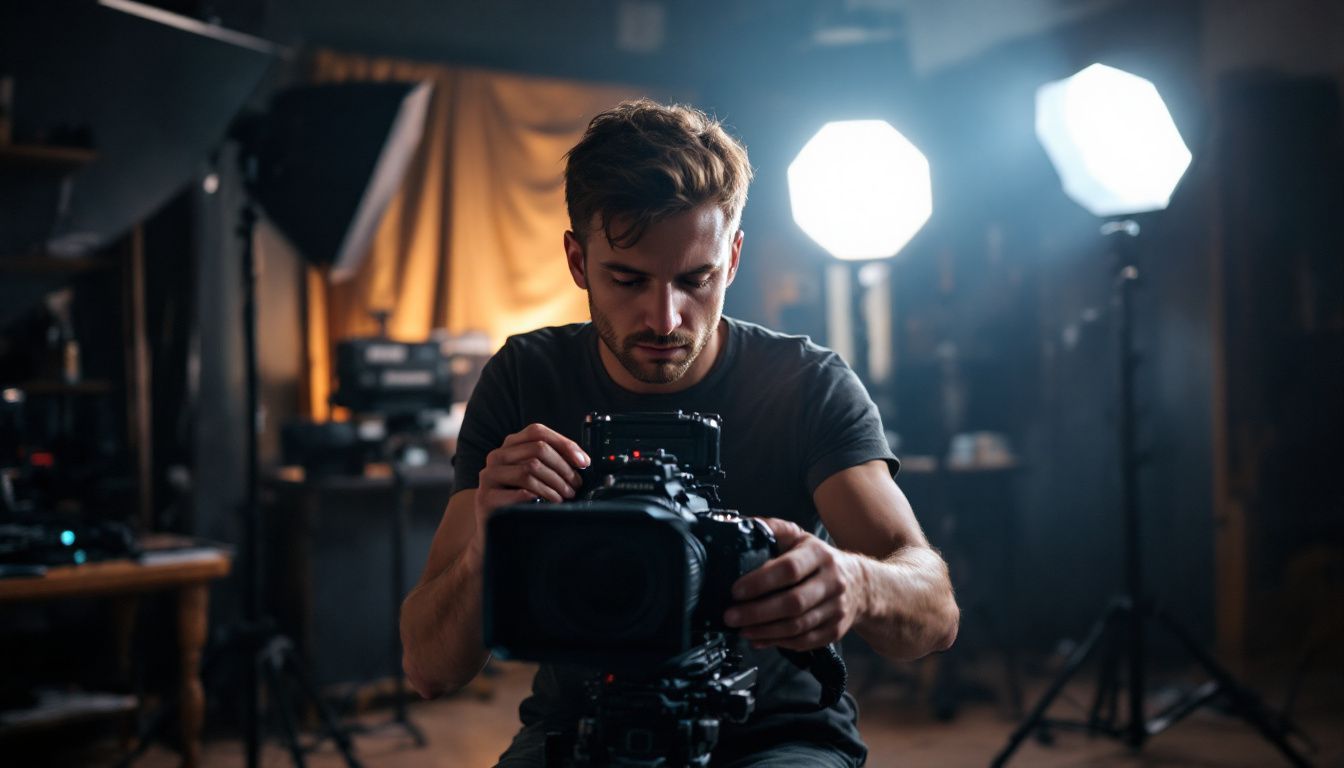
The Director of Photography, or Cinematographer, shapes how movies look. They choose cameras and decide on lighting to make every shot tell part of the story.
Controls the visual look of the film
In movie production a cinematographer, or director of photography (DP), makes a movie look the way it does. They choose cameras and lenses to use. They decide on lights and shadows. Their choices tell us how to feel about what we see on screen.
A DP works with grips—people who move equipment—and electric department folks who handle lights. This team follows the DP’s vision.
They also plan camera movements with dolly grips, who move the camera smoothly during shots. The DP picks angles that make scenes strong and clear. Every lighting choice or camera angle has a purpose—to make us scared, happy, or sad.
Next up is designing what we see around the characters. This is the production designer’s job in movie production.
Manages lighting and camera movements
Controlling the visual look takes us straight to another critical role: managing light and camera movement. In movie production the director of photography (DOP), or cinematographer, along with their team, plays a big part. They include the best boy electric and grip department, key roles in movie production.
They decide where lights should go and how the camera should move during scenes. This work makes sure each shot matches the film’s mood.
The DOP uses different tools like tripods for stable shots, steadicams for smooth motion, and dolly tracks for moving scenes. Lighting equipment changes based on what’s needed. Also, maybe bright lights for daylight scenes or dimmer ones to show it’s nighttime.
In movie production each choice affects how we feel about what we’re seeing on screen.
Lighting shapes the story as much as dialogue does.
This quote captures why lighting and camera moves matter so much in films. They turn written words into a world we can see and feel with our eyes, without saying anything out loud.
Production Designer
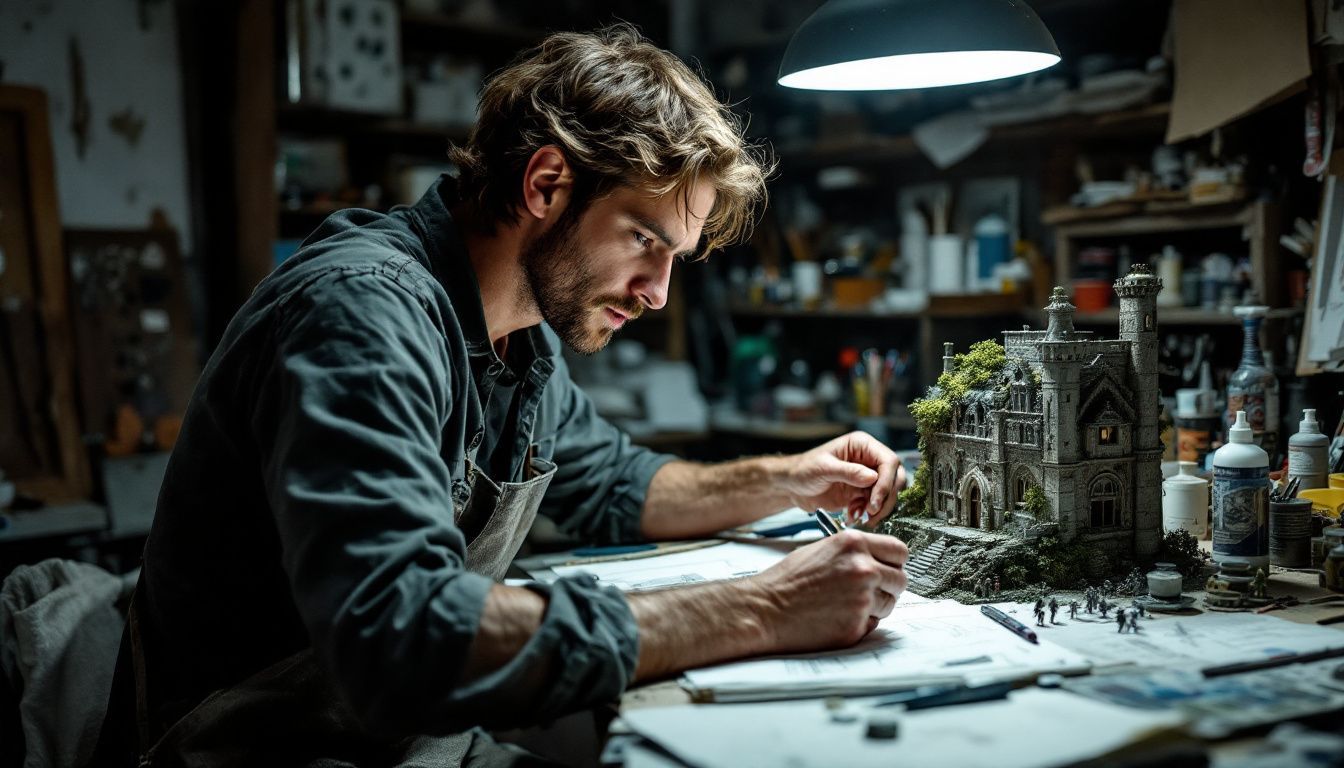
A production designer creates the movie’s visual world, a key role in movie production. They decide how sets look, from colors to buildings, ensuring every detail fits the film’s story.
Designs the visual environment
The production designer has a big job. They create the world where the story happens. This person picks colors, designs sets, and decides how everything looks. Their work makes movies feel real or magical, depending on the story.
They lead teams that build and decorate each place you see on screen.
This role needs someone who knows art well. They use sketches and digital imaging to show their ideas before making them real. The production designer works closely with directors and cinematographers to make sure every visual detail fits the film’s style.
Everything from props used by actors to big set pieces comes under their watchful eye.
Supervises set construction and decoration
A production designer has a big job. They make sure the film’s world looks right. This means they oversee building sets and decorating them. They work with art directors and construction foremen to create these places.
Every detail matters, from the background to the props used by actors.
They also decide what colors and textures to use on set. These choices help tell the story visually. It’s like they are painting a picture for us to see while watching the movie.
Every set is a new world, crafted one detail at a time.
Editor

The editor puts the film’s pieces together. They work with scenes, sounds, and music – making sure everything flows well from start to finish.
Editors have a big job in movie production
They take all the footage and make it into the movie we see. This means picking the best shots, cutting out what’s not needed, and putting scenes in order. They work with huge amounts of video from camera crews and need to decide how long each scene should last for the story to flow just right.
It’s like putting together a giant puzzle where they know how to make everything fit perfectly.
They also add in sound effects from sound designers, music scores, and dialogue recordings. Sometimes they use special software to help line up sounds with pictures or change how colors look.
Working closely with directors, editors shape the film’s pace—making sure it moves fast or slows down at just the right moments. Their goal is to keep us hooked from start to finish.
Next, let’s talk about sound designers who bring movies to life with audio magic.
Works closely with the director to achieve the desired narrative pace
After putting the film together, the editor starts working with the director. Their goal is to make sure the movie moves at just the right speed. This means some parts might need to be fast and exciting, while others slow down so viewers can catch their feelings.
To do this well, editors use tools like cutting scenes shorter or mixing them in a new order.
They look at every scene carefully with the director. They decide what stays and what goes. Sometimes they add extra shots or even silence to make a point stronger. All these choices help tell the story better, making sure everyone watching understands and feels it just as intended.
Sound Designer
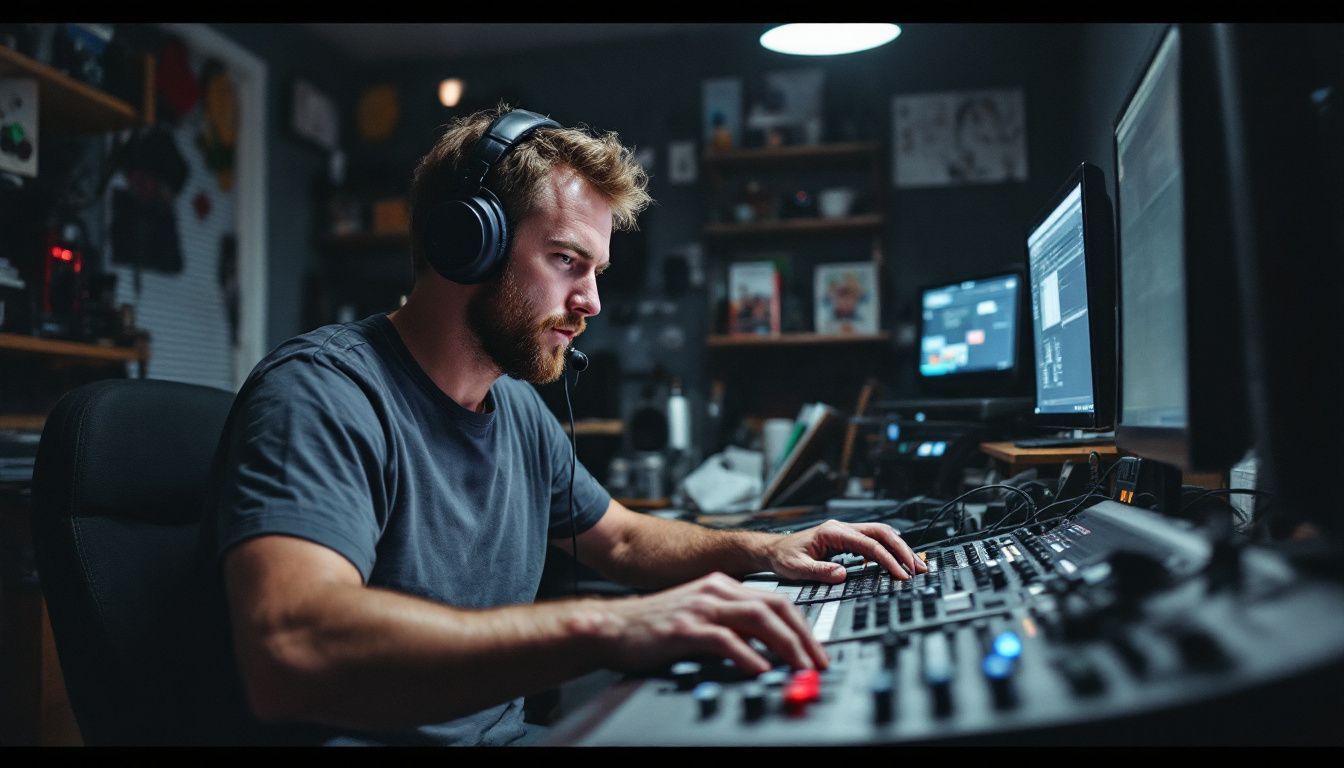
A sound designer makes sure every sound in the movie fits perfectly. They work with dialogue, music, and effects to make sure you hear everything clearly.
Manages audio components
The sound designer plays a big role in movie production. They handle everything that you hear. This includes making sure that the dialogues are clear and adding sound effects to make scenes feel real.
For example, in a rain scene, they add the sound of raindrops hitting the ground. They use tools like microphones, boom mics, and digital audio workstations to do their job.
They also mix these sounds well so everything is balanced. If an actor whispers or screams, you’ll hear it just right because of their work. The sound mixer joins in here too, adjusting levels during film shoots to make sure quality stays top-notch from start to finish.
This team works closely with directors and editors. They help decide what sounds best for each moment of the movie. Their goal is always to boost how viewers experience the film through what they hear.
Ensures clear dialogue and sound effects integration
Managing audio parts is one step. Making sure we hear every word and sound effect well is another. This role uses tools like microphones and editing programs to mix sounds right. They make the voices clear, even in loud scenes.
They also match sound effects with actions on screen. This makes movies feel real. Imagine hearing glass break exactly when a window gets hit in the film. That’s their job – to sync these sounds perfectly, making our movie experience better.
Casting Director
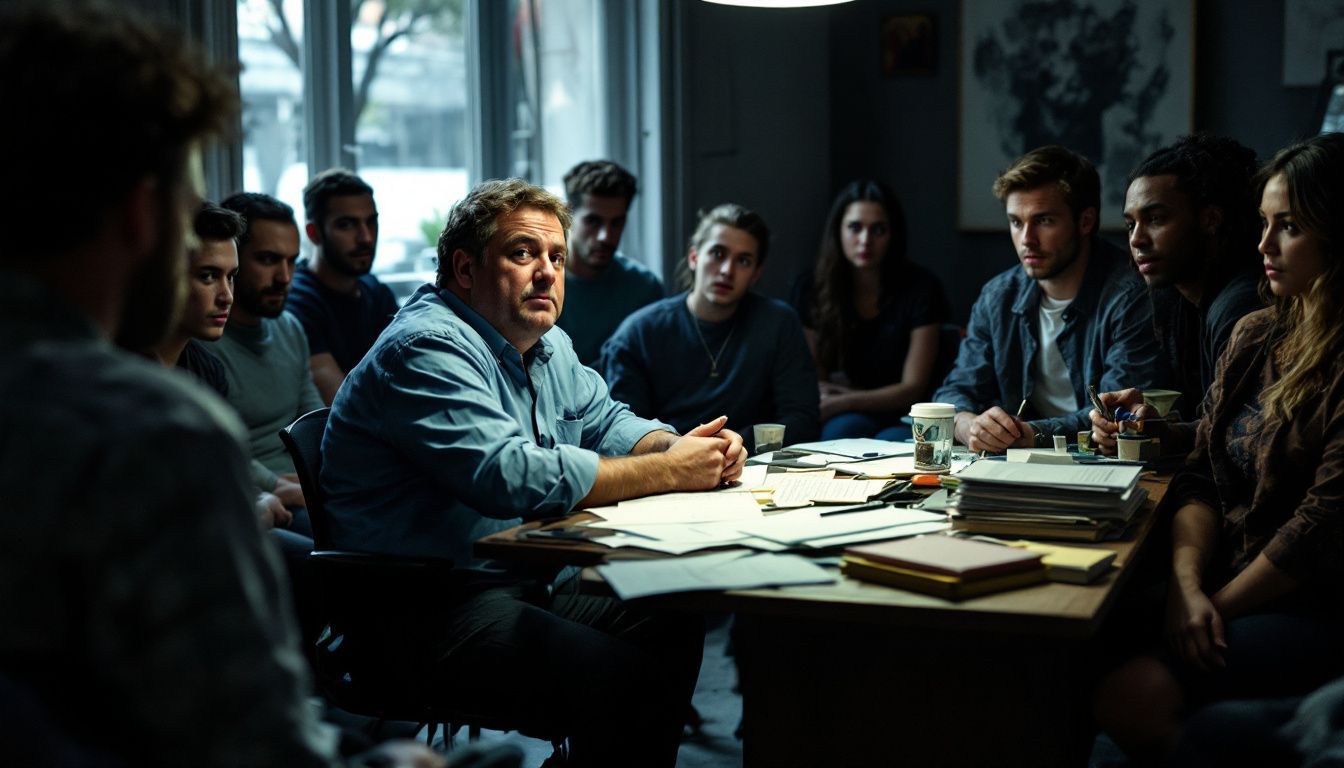
The casting director has a big job. They pick the actors who will play in the movie and run tryouts to find the perfect fit for each role.
Selects actors for characters
Casting directors have a big job. They find the right actors for every role in a film. This starts with casting calls and auditions. They work closely with the director to make sure each actor fits the character perfectly.
It’s not just about how someone looks. It’s about how they bring a character to life.
This process involves many steps. First, casting directors read the screenplay carefully. Then, they think about what each character needs—like their personality and background. Next, they post casting calls on platforms like Instagram or TikTok to find new talent or reach out to known actors through agents.
Finally, they organize auditions where actors read lines from the script or perform scenes from the movie. Here, both acting skills and chemistry with other cast members are tested.
After this, casting directors discuss their top choices with the film’s director before making final decisions. This ensures that only the best actors join the project , making characters memorable for everyone who watches .
Coordinates auditions and casting decisions
After selecting actors for characters, the next big task is organizing auditions and casting decisions. This job falls to the casting director. They set up try-outs where actors read parts from the script.
This shows if they fit the movie’s roles. The casting director watches many auditions, sometimes hundreds for a single part in a movie.
They use tools like cameras to record these try-outs. Then, they can watch them again later or share them with other team members, like directors and producers. Casting directors also talk with agents to find more actors.
They work hard to match each role with the perfect actor.
For big movies, they might organize open calls where anyone can audition. These are times when people without agents can show their talent too. Whether through planned meetings or open calls, casting directors have a huge role in shaping a movie’s cast.
VFX Supervisor
A VFX Supervisor brings magic to movies. They work with both the filming team and computer experts to make sure effects look real.
Oversees visual effects
The VFX Supervisor plays a big role in movies. They make sure visual effects fit well into live-action shots. This person works with both the production and post-production teams. Their job is to blend digital images seamlessly with real scenes.
They use special software for this.
This leader also plans how to shoot scenes that need effects later. For example, they decide where to put green screens on set. During filming, they might use clapper boards and digital imaging techniques to keep things organized.
After filming, the VFX Supervisor works closely with artists who create the needed visuals on computers. These pros turn rough ideas into stunning visuals that wow audiences when they watch the movie.
Coordinates between production and post-production teams to integrate effects
A VFX Supervisor plays a key role in film making. They make sure visual effects (VFX) blend well with live-action shots. This person meets both the production team on set and the post-production crew.
They ensure everyone works together smoothly. Their job is to keep the movie’s look consistent, from filming to final editing.
This supervisor uses many tools like digital imaging techniques and computer-generated imagery (CGI). They must understand both creative vision and technical needs. For example, they decide how a green screen scene will merge with CGI backgrounds.
They also fix any problems that come up during this process. Their work helps create stunning scenes that feel real, such as space battles or fantasy lands.
Coordinating between teams means lots of talks and meetings. The VFX Supervisor explains what is possible with current technology. They help directors achieve their artistic goals within budget limits.
This requires good planning and clear communication across different groups working on a film project.
A Summary: Top 10 Roles in Movie Production
Responsibilities and some key historical examples:
- Director
- Responsibility: In movie production the Director oversees the creative vision of the film. Guides actors, and works with departments to ensure the director’s vision is executed.
- Example: Georges Méliès, known for pioneering narrative filmmaking with films like Le Voyage Dans La Lune (1902), was a director who innovated special effects and storytelling techniques.
- Producer
- Responsibility: Secures funding, manages logistics, and oversees the entire production process from development to distribution.
- Example: Thomas Edison was a producer who supported early filmmakers like Edwin S. Porter, enabling them to create influential films such as The Great Train Robbery (1903).
- Screenwriter
- Responsibility: Writes the screenplay, often adapting existing works or creating original scripts in movie production.
- Example: The screenwriter for Citizen Kane (1941), Herman J. Mankiewicz, is famous for co-writing one of the most influential films in history.
- Cinematographer/Director of Photography
- Responsibility: Responsible for the visual style and lighting of the film.
- Example: Gregg Toland, the cinematographer for Citizen Kane, innovated deep focus techniques that became iconic in film history.
- Line Producer
- Responsibility: Manages the budget, scheduling, and logistics of the film.
- Example: Line producers played a crucial role in managing the complex logistics of epic films like Ben-Hur (1959).
- Production Designer
- Responsibility: Oversees the visual elements of the film, including sets, costumes, and props.
- Example: The production design in Blade Runner (1982) by Syd Mead is renowned for its futuristic vision.
- Casting Director
- Responsibility: Selects actors for roles in the film.
- Example: The casting of Marlon Brando in The Godfather (1972) was pivotal in the film’s success.
- Executive Producer
- Responsibility: Secures financing and acts as a liaison between financiers and producers.
- Example: Steven Spielberg has acted as an executive producer on numerous films, including Jurassic Park (1993).
- First Assistant Director (1st AD)
- Responsibility: Coordinates the shooting schedule and ensures the smooth operation of the set.
- Example: The 1st AD plays a crucial role in managing complex shoots like those in The Lord of the Rings trilogy.
- Film Editor
- Responsibility: Assembles the final cut of the film from raw footage.
- Example: The editing in 2001: A Space Odyssey (1968) by Ray Lovejoy is celebrated for its groundbreaking narrative structure.
These roles are essential to bringing a film from concept to completion, each contributing to the final product’s success.
What skills are essential for a successful casting director in movie production?
To be a successful casting director, several essential skills are required:
- Script Analysis Skills: The ability to thoroughly read and analyze scripts to understand character requirements and the director’s vision is crucial.
- Identifying Talent: A keen eye for spotting talented actors who fit specific roles is vital. This involves recognizing potential in actors and understanding their strengths and weaknesses.
- Communication Skills: Effective communication is necessary for working with directors, producers, actors, and agents. This includes providing constructive feedback during auditions and negotiating contracts.
- Interpersonal Skills: Building strong relationships with industry professionals, such as directors and producers, is essential for successful collaborations.
- Negotiation Skills: The ability to negotiate contracts with agents and manage budgets is critical. Casting directors must be diplomatic and financially savvy for success in movie production.
- Organizational Skills: Managing multiple projects simultaneously requires excellent organizational skills to meet deadlines and ensure smooth production processes.
- Industry Knowledge: Staying updated on current acting talent and industry trends is important for making informed casting decisions.
- Memory and Patience: A good memory helps recall talented actors. While patience is necessary for conducting thorough searches for the right talent.
- Creative Thinking: The ability to think creatively and consider unconventional casting choices can lead to innovative and successful productions.
- Teamwork: Collaboration with other departments and professionals in the industry is essential for achieving the best casting outcomes in movie production.
Conclusion
Movie production is a big job. Many people work together to make it happen. Each role is key, from the director to the casting director. They all have special tasks that ensure the movie comes out great.
The director leads the team in movie production, turning words into pictures. The producer keeps track of money and schedules. A screenplay writer creates the story everyone follows.
People like costume designers and makeup artists bring characters to life with their looks. Editors and sound designers fine-tune what we see and hear.
Casting directors find the perfect actors for each part. VFX supervisors add magic with effects you can’t see in real life.
In movie production everyone’s work combines to create a film that tells a powerful story or brings us into new worlds. This teamwork makes movies exciting for us all to watch.
FAQs
1. What are the crucial roles in a movie production?
Key roles in a movie production include the digital imaging technician, best boy grip, costume designer, script supervisor, and the focus puller among others. These positions form part of both above-the-line and below-the-line film crew.
2. Can you explain what these film crew positions do?
Sure! A digital imaging technician handles color correction while a best boy grip assists with lighting and rigging. The costume designer creates outfits for principal cast and extras alike; whereas a script supervisor ensures continuity throughout filming.
3. How does preproduction factor into these roles?
Preproduction is when many of these roles start their work including screenplay writers who craft the story or action choreographers planning out stunt sequences.
4. Are there any unique duties some of these professionals handle on set?
Indeed! For instance, focusing pullers are responsible for racking focus during shooting while sound department members such as boom microphone operators or production sound mixers handle audio recording.
5. Could you tell me more about less-known jobs like ‘best boys’ or ‘script sups’?
Best boys aid department heads by managing equipment while script supervisors (or “script sups”) maintain consistency between scenes—checking props placement to dialogue timing!
6. Do all films require every role mentioned?
Not always—you might find influencers creating YouTube content without an art department or generator operator… but larger productions like Moulin Rouge!, designed by Catherine Martin, would have utilized nearly all those positions to create its stunning visuals!