Contact us: ww@blogquizshop.com


 Cart is empty
 Wildflowers, 7 Wonderful Advantages






The Unique Benefits of Planting Wildflowers
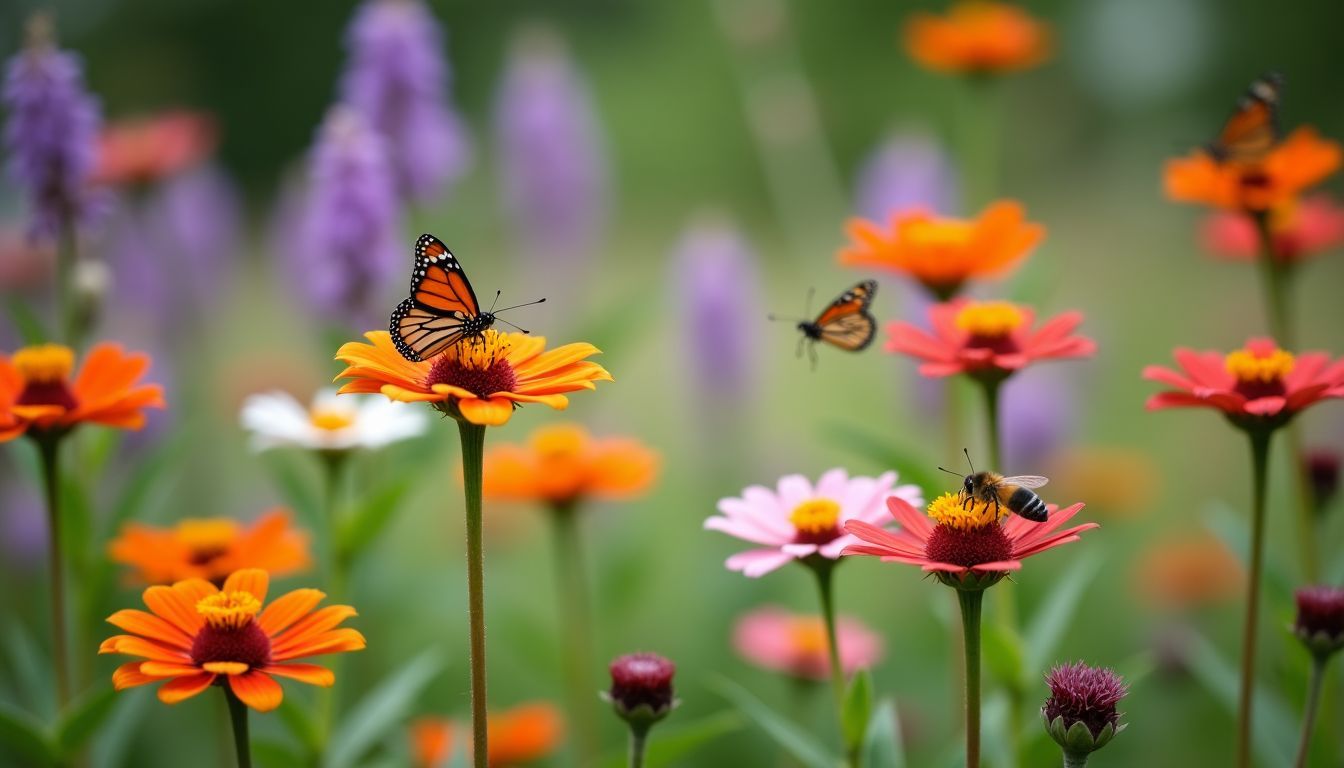
Wildflowers bring beauty and color to your garden without much effort. They help create a healthy, vibrant environment for many living things.
Enhances biodiversity
Planting wildflowers supports local ecosystems by creating biodiverse gardens. They provide habitats for nearly 1,600 plant species and various wildlife. Different blooming times help meet different needs of animals and insects throughout the year.
Wildflowers thrive in interconnected ecosystems through soil fungi, sharing resources among plants. This boosts the health of local flora and fauna. Using native species ensures that your garden fits right into the local ecosystem.
Wildflowers are nature’s way of providing for diverse life forms.
Attracts pollinators
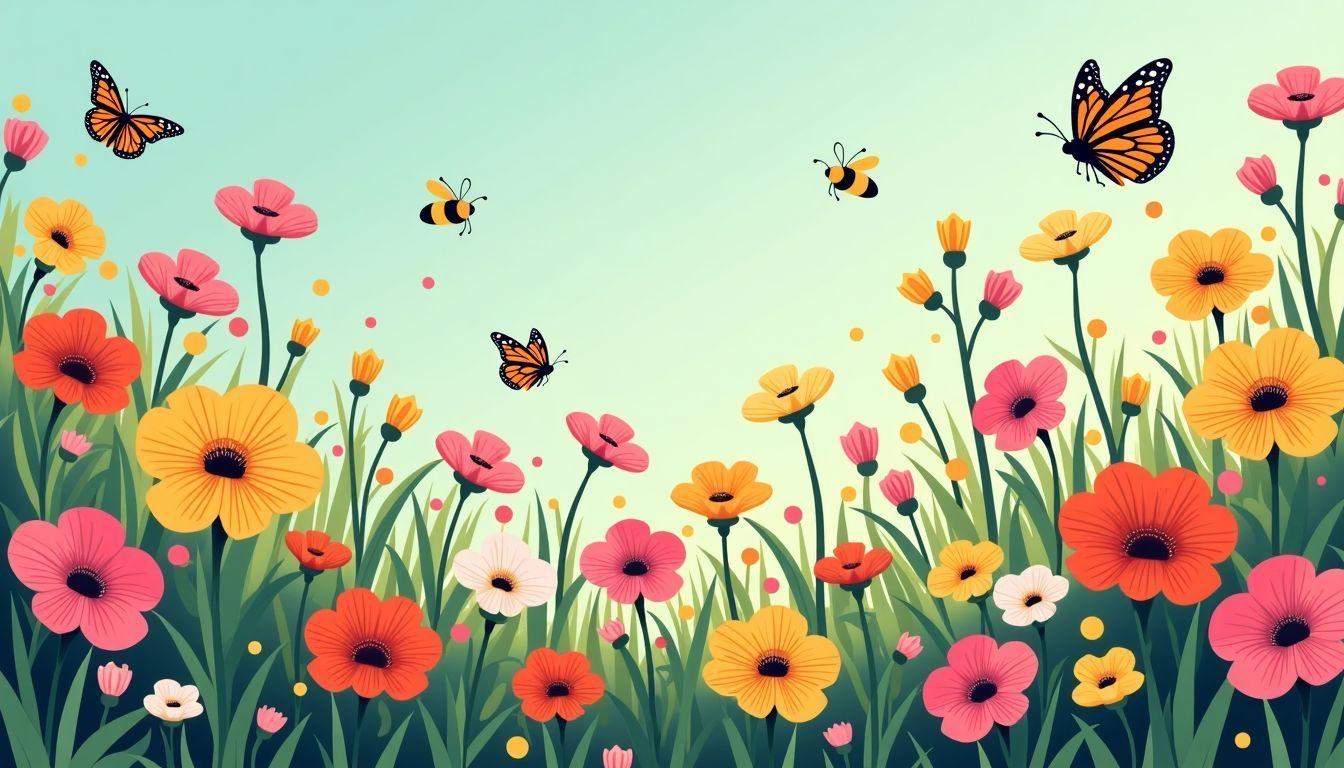
Wildflowers attract pollinators like bees, butterflies, birds, and bats. These creatures help plants by moving pollen. This leads to fertilization and seed production. About 75% of the world’s flowering plants need pollinators.
Having wildflowers boosts garden health. They support pollinator populations—crucial for food production. In fact, one out of every three bites of food we eat depends on pollinators.
Wildflowers also encourage natural habitats and sustain wildlife in your garden.
Requires minimal maintenance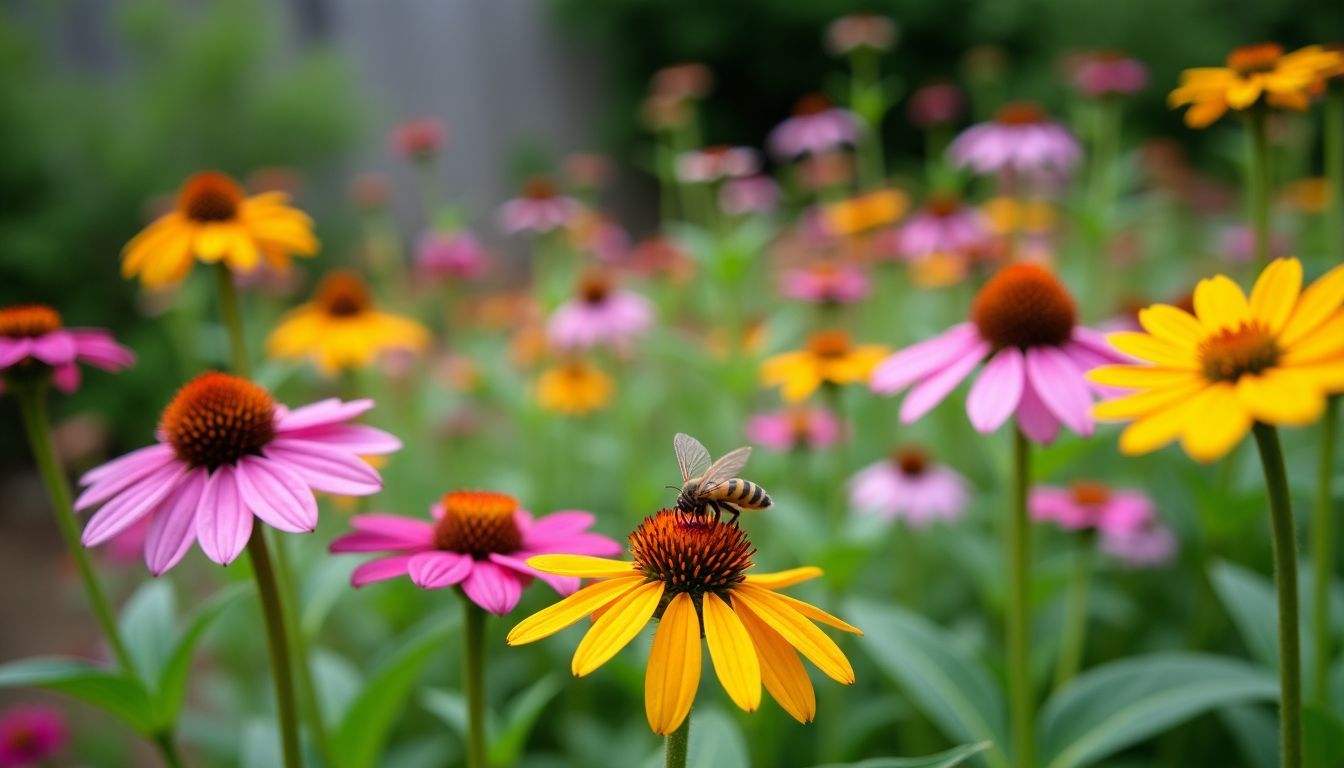
Planting wildflowers requires minimal maintenance. Unlike exotic plants, native flora adapts to local conditions and pollinators. They need fewer resources like water and fertilizers.
Wildflowers resist pests better, cutting down the need for pesticides.
Wildflowers are great for soil conservation too. Their roots hold the soil together, preventing erosion. You also save money with bulk seed options. This makes wildflowers a cost-efficient choice for your garden and helps promote sustainable gardening practices.
Choosing the Right Wildflowers for Your Garden

Picking wildflowers that thrive in your area will ensure a vibrant and healthy garden. Think about flower colors and types that appeal to you… then get planting!
Consider your local climate
Plant wildflowers that match your local climate. This means they will need fewer resources like water and fertilizer. California poppies grow well in dry areas, while bluebells thrive in cooler regions.
Climate-appropriate plants also resist pests better. Native flora supports the local environment by providing habitats for wildlife. These flowers make sustainable gardening easier and more effective.
Selecting for color diversity
Local climate plays a role in your garden, but color diversity makes it shine. Choose wildflowers with various colors, shapes, and sizes to create a vibrant scene. Mix reds, yellows, blues, and purples for exciting visual interest.
Different bloom times give continuous color all season. Early bloomers start the display while late-bloomers keep it going. Diverse species support pollinators like bees and butterflies throughout the year.
A colorful mix enhances your garden’s beauty and habitat health too!
Focus on native species
Choosing wildflowers that fit your local climate can be tricky, but focusing on native species makes it easier. Native plants are adapted to your area’s soil and weather. This means they need fewer resources like water and fertilizer.
Native wildflowers also support local pollinators such as bees and butterflies. Black-eyed Susans, Purple Coneflowers, and California Poppies are great choices for American gardens.
These flowers help conserve water, attract wildlife, and boost biodiversity conservation in your garden.
The Role of Wildflowers in Ecosystem Health
Wildflowers act like superheroes for the environment… safeguarding our ecosystems and offering a haven for various plants and animals. Read more to see how they could transform your garden!
Supporting local wildlife
Wildflowers help local wildlife in many ways. They provide food and shelter for animals. These plants support nearly 1,600 species of other plants. Different wildflowers bloom at different times.
This helps meet the needs of various creatures throughout the year.
Replanted grasslands offer better habitats for wildlife like pronghorn. Such efforts bring balance to ecosystems by helping native plants thrive again… contributing to conservation and biodiversity preservation!
Improving soil health
Wildflowers do wonders for soil health. Their deep roots store water and nutrients, which helps keep the soil rich and fertile. These same roots also prevent soil erosion by holding the ground together.
They help sequester carbon from the air into the soil. This means they capture carbon dioxide, reducing greenhouse gases. Wildflowers enrich your garden’s ecosystem in this way, making it healthier and more sustainable for future generations.
Contributing to water conservation
Wildflowers have deep roots that store water. This means they need less watering from you. They are adapted to local conditions, requiring fewer water resources. Wildflowers like these are great for waterefficient landscaping and droughtresistant gardens.
Using native plants helps conserve habitat and supports environmental stewardship. The WWF, with Air Wick®, aims to reseed one billion square feet of habitat in three years… a major win for sustainable gardening! Focus on choosing the right wildflowers for your garden next.
Practical Tips for Growing Wildflowers
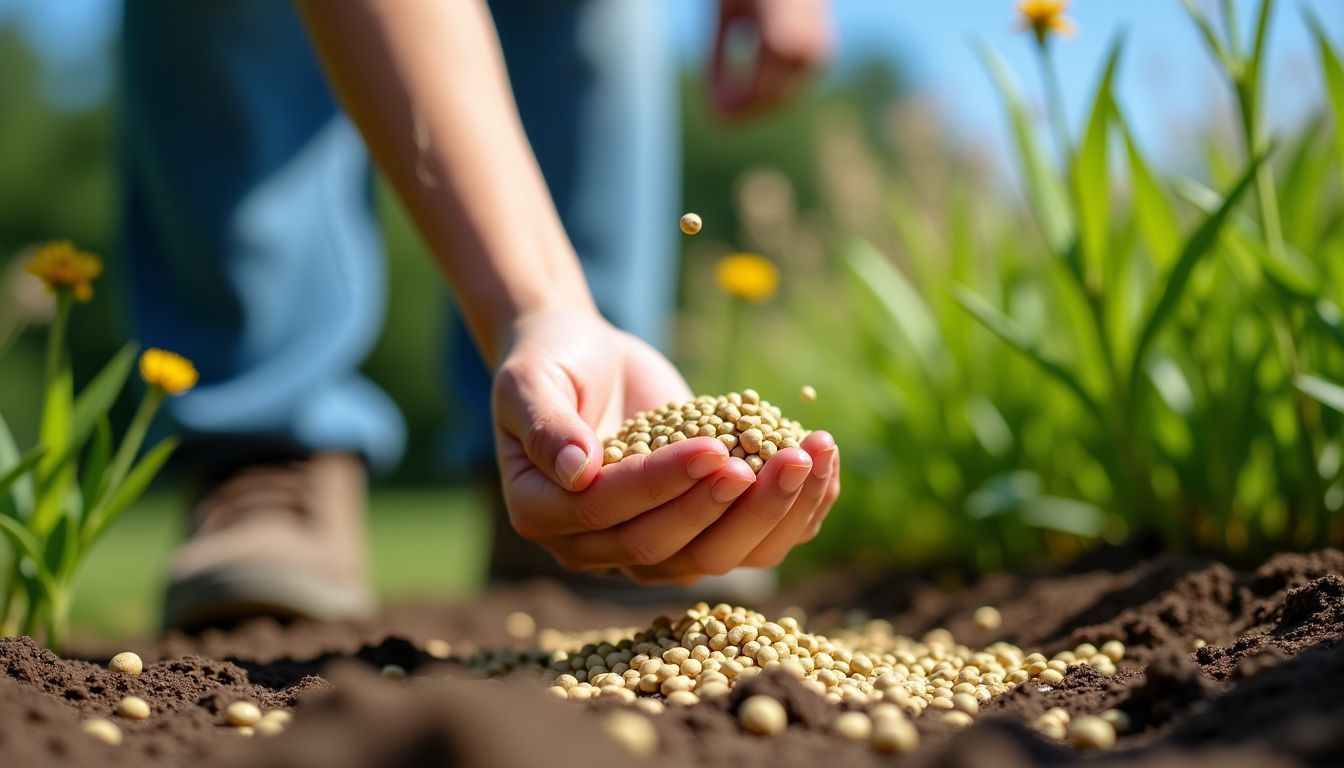
Start by choosing a sunny spot with well-drained soil. Use wildflower seeds suited to your region for the best results….
Best planting practices
Wildflowers bring color and life to any garden. Here are some best planting practices to help them thrive:
-
- Use seeds from trusted suppliers.
- Ensure seeds have high germination rates for better growth.
- Choose High-Quality Seeds
- Consider Native Wildflowers
- Pick plants that naturally grow in your area.
- Native species adapt better to local conditions.
- Prepare the Soil
- Clear weeds and debris.
- Loosen the soil to a depth of about 6 inches.
- Sow Seeds Evenly
- Mix seeds with sand for better distribution.
- Scatter seeds by hand or use a spreader.
- Press Seeds into Soil
- Walk gently over the area to press seeds down.
- Ensure good seed-to-soil contact for germination.
- Water Lightly After Planting
- Keep the soil moist until seedlings appear.
- Avoid overwatering, which can wash seeds away.
- Mix Bloom Times
- Choose wildflowers that bloom at different times.
- Support pollinators throughout the growing season.
- Minimal Maintenance Needed
- Wildflowers often require less care than other plants.
- They can thrive with occasional watering and weeding.
9.Watch Local Climate Conditions
– Adjust planting times based on your region.
– Consider frost dates and rainfall patterns
10.Protect Young Plants From Pests Naturally
– Use natural pest deterrents like neem oil or insecticidal soap.
– Encourage beneficial insects like ladybugs to control pests
Managing pests naturally
Organic gardening is crucial for a healthy garden. Here are some ways to manage pests naturally:
- Introduce Beneficial Insects:
- Ladybugs eat aphids.
- Praying mantises hunt many pests.
- Plant Native Plants:
- Native species resist local pests better.
- Reduces need for chemical treatments.
- Use Compost and Mulch:
- Keeps soil healthy.
- Deters pests like slugs and snails.
- Companion Planting:
- Plant marigolds near tomatoes; they repel nematodes.
- Basil near peppers keeps flies away.
- Natural Pesticides:
- Mix soap and water to spray on plants.
- Neem oil repels a wide range of insects.
- Encourage Birds:
- Put up bird feeders.
- Birds eat many garden pests.
- Rotate Crops Each Year:
- Prevents pest buildup in soil.
- Keeps plants healthier overall.
- Keep the Garden Clean:
- Remove dead leaves and debris.
- Pests thrive in dirty gardens.
- Attract Pollinators:
Plant flowers that attract bees and butterflies, which help keep harmful insect populations down naturally.
- Hand-Pick Larger Pests:
Regularly check for beetles or caterpillars, and remove them by hand to reduce their numbers without using chemicals.
Seasonal care and maintenance
Seasonal care and maintenance are key to a thriving wildflower garden. Wildflowers need specific attention based on the season.
- Spring Preparation
- Clear dead leaves and debris.
- Till the soil lightly.
- Add compost if needed.
- Summer Watering
- Water early in the morning.
- Use drip irrigation to save water.
- Check mulch levels to keep moisture in.
- Fall Cleanup
- Remove faded blooms.
- Cut back dried stems.
- Collect seeds for next year.
- Winter Protection:
- Apply a layer of mulch for insulation.
- Trim plants that can handle the cold.
- Cover delicate species with burlap.
- Pest Management:
- Use neem oil spray for pests like aphids.
- Introduce beneficial insects like ladybugs.
- Hand-pick larger pests, such as caterpillars.
- Soil Health:
- Test soil pH every two years.
- Rotate wildflowers to different spots yearly.
- Community Involvement:
- Connect with local gardening groups for shared tasks.
- Participate in community weed controls sessions
Wildflowers adapt well to native conditions, needing fewer resources and ensuring low maintenance all year round!
How Wildflowers Complement Other Garden Plants

Wildflowers add vibrant colors and unique textures to your garden. They also support other plants by attracting beneficial insects.
Companion planting benefits
Wildflowers can boost garden diversity. They attract bees, butterflies, and other pollinators. These insects help your other plants grow stronger and healthier. More pollinators mean better fruit and vegetable yields.
Interplanting wildflowers improves soil health too. Their roots dig deep, breaking up the soil for better water flow. This helps prevent erosion and keeps nutrients in the ground longer.
Next, we’ll discuss choosing the right wildflowers for your garden….
Creating aesthetic harmony
Mixing wildflowers with other plants creates a stunning garden. The various colors, shapes, and sizes of the blooms add visual appeal. Garden flowers like roses and lilies can benefit from companions such as bright poppies or delicate daisies.
Different bloom times keep your garden colorful all year round. Seasonal blooms ensure there’s always something new to admire. Combining plants with similar needs also helps them thrive together.
Container gardening works well for small spaces too—just pick complementary plants for each pot.
Conclusion
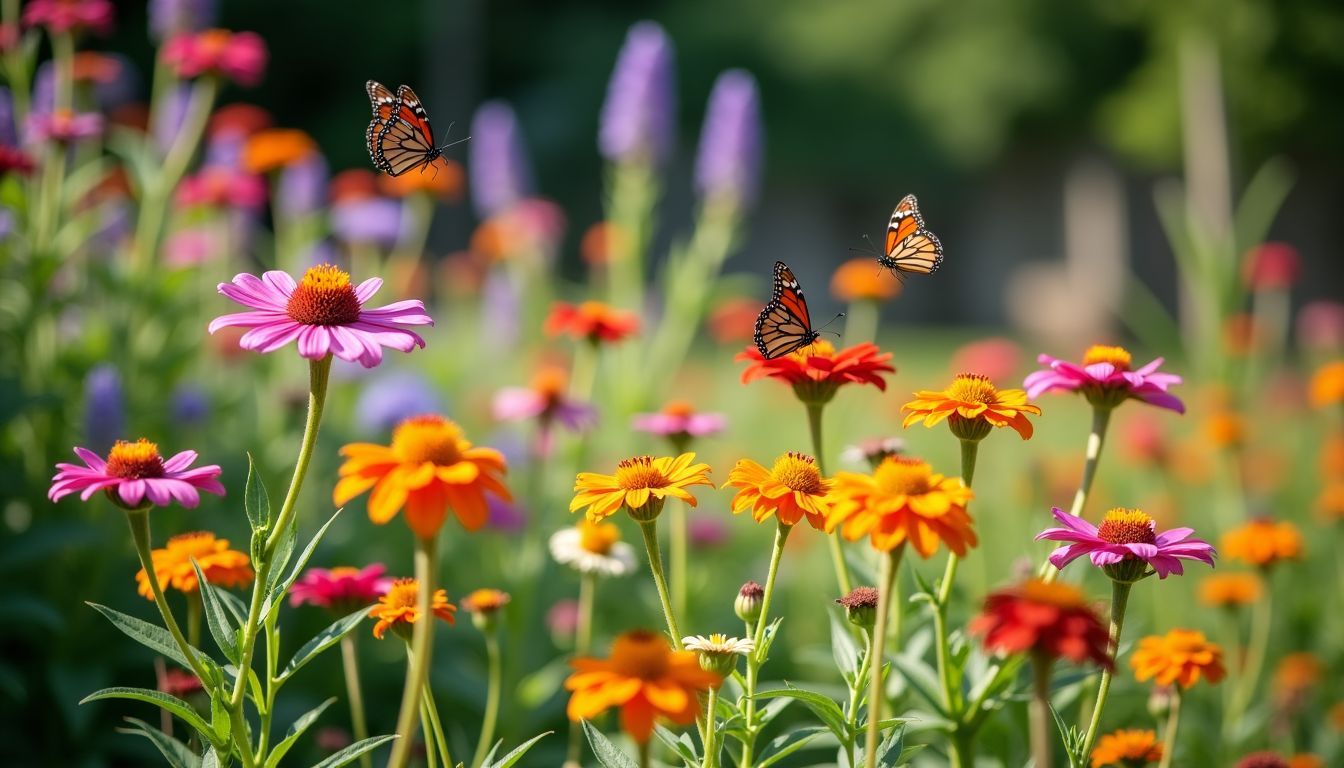
Wildflowers can boost any garden with their charm and benefits. They attract pollinators, need little care, and uplift biodiversity. Try planting native varieties for the best results.
Why not start now? Transform your space into a vibrant, healthy oasis!
FAQs
1. Why are wildflowers a good choice for my garden?
Wildflowers are easy to grow, require less maintenance, and attract beneficial insects. They also add vibrant colors and diversity to your garden.
2. How do wildflowers benefit the environment?
Wildflowers support pollinators like bees and butterflies. They help improve soil health by preventing erosion and increasing organic matter.
3. What common problems can wildflowers solve in gardening?
Wildflowers can fill in bare spots where other plants struggle to grow. They offer natural pest control by attracting predatory insects that keep harmful pests in check.
4. Can I plant wildflowers if I have poor soil quality?
Yes! Wildflowers often thrive in poor soil conditions where many other plants won’t survive… making them perfect for challenging areas of your garden.