Contact us: ww@blogquizshop.com


 Cart is empty
 The classification of Italian Wines, DOCG, DOC, IGT






Exploring DOCG (Denominazione di Origine Controllata e Garantita)
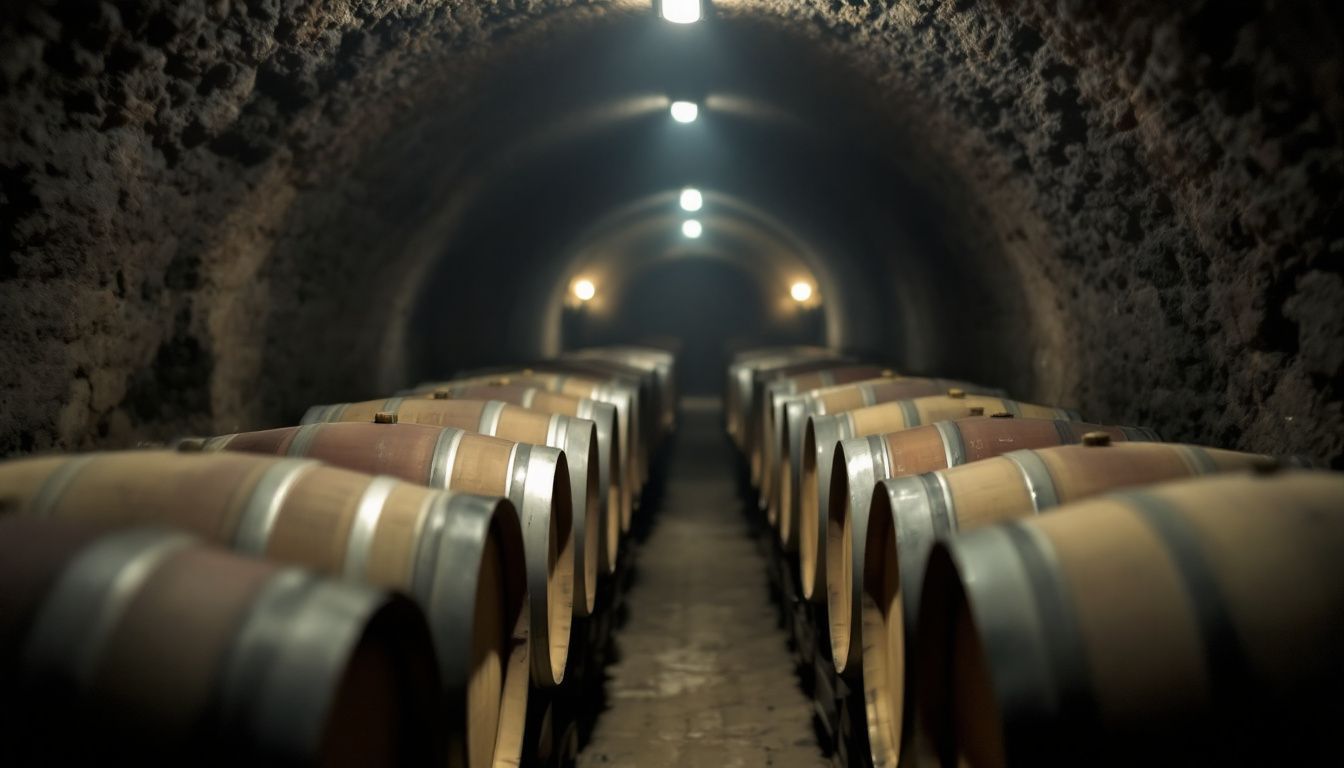
Digging into the classification of Italian Wines the DOCG classification is the top, where you step up the ladder in Italian wines. This grade means even stricter rules and more checks to make sure each bottle is top-notch.
Higher Standards than DOC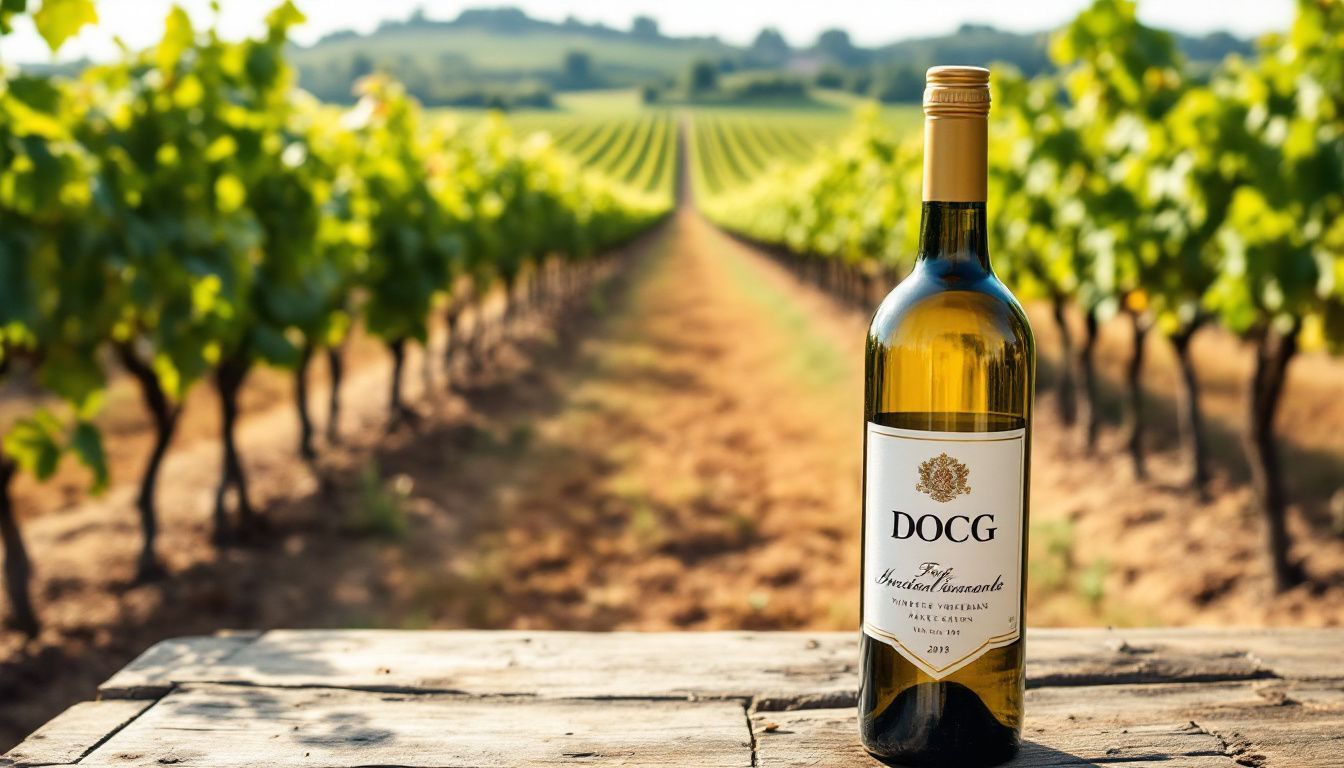
The DOCG label in the classification of Italian Wines showcases Italian wines of the highest quality. Wines with this label must pass a tough quality tasting panel. They follow stricter rules than DOC wines to ensure top-notch taste and authenticity.
This makes them stand out as the finest Italian wines you can find.
DOCG signifies a dedication to excellence in every bottle.
Examples include Brunello di Montalcino and Barbaresco, which are not just any wines but symbols of luxury and tradition. The process they go through before reaching your table is long and careful, making sure each sip brings Italy’s rich wine culture right to you.
Examples of DOCG Wines
Moving from the strict rules of DOC, DOCG wines must meet even higher standards. They go through tough tests to ensure quality.
- Barolo – Made with Nebbiolo grapes, this red wine hails from Piedmont. It ages for at least 38 months.
- Brunello di Montalcino – This Tuscan red is also made from a single grape variety, Sangiovese. It must age for five years.
- Chianti Classico – A famous Tuscan wine, it blends mostly Sangiovese grapes with others allowed by regulation.
- Prosecco Superiore – A sparkling white from Veneto and Friuli regions, known for its bubbly and light taste.
- Amarone della Valpolicella – From Veneto, this strong red is made from dried grapes, giving it a rich flavor.
- Vino Nobile di Montepulciano – Another star from Tuscany, made mainly with Sangiovese, and noted for its robust taste.
- Franciacorta – From Lombardy, this sparkling wine is produced using the champagne method for natural fermentation in the bottle.
- Asti Spumante – A sweet sparkling white from Piedmont, perfect as a dessert wine due to its low alcohol content and fruity notes.
In the classification of Italian Wines, each of these DOCG wines showcases Italy’s ability to produce top-quality vinos that reflect their unique origins and grape varieties.
Understanding DOC (Denominazione di Origine Controllata)
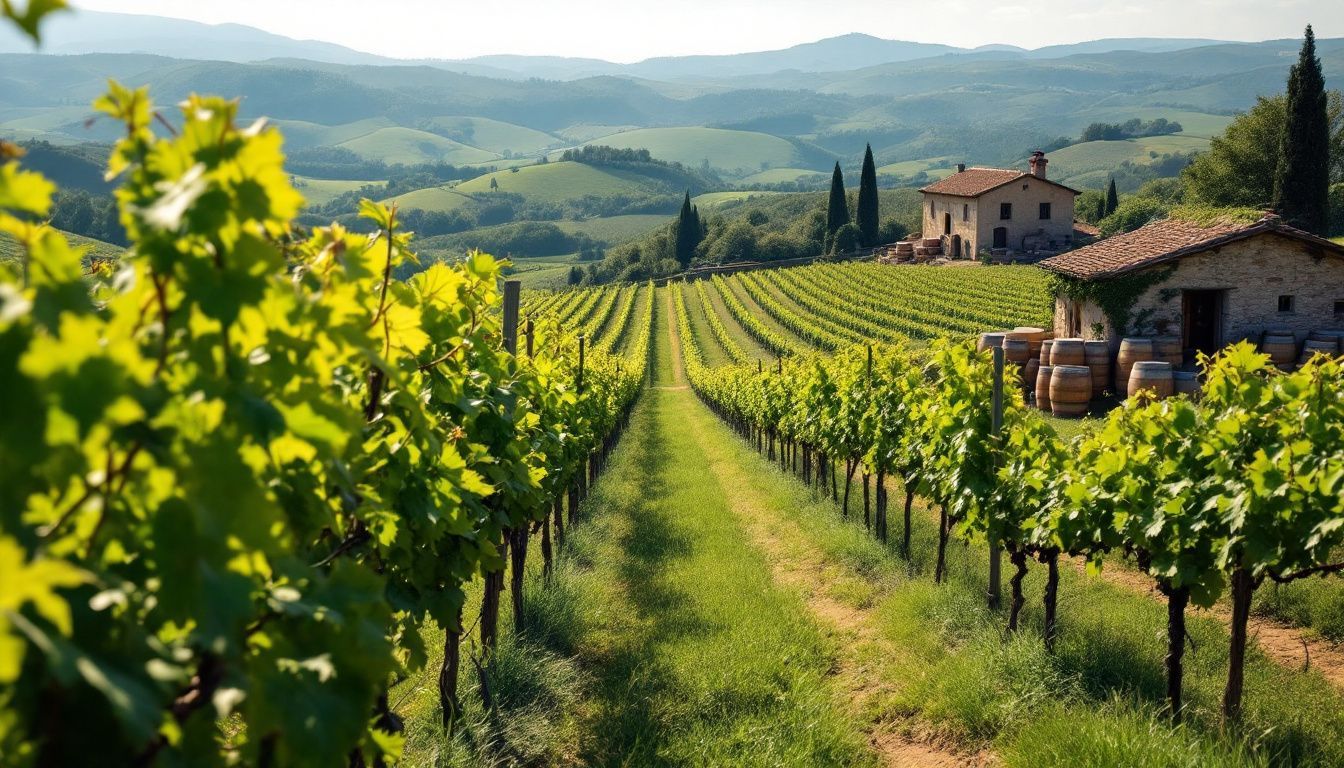
In the classification of Italian Wines, DOC stands for Denominazione di Origine Controllata. It’s a label that tells you the wine comes from a specific place in Italy and meets certain quality rules.
Criteria for DOC Designation
Getting a DOC label is not easy. Wines must meet strict rules set by Italian law. Here’s what it takes:
- Location is key. Grapes must come from specific areas known for their wine-making tradition.
- The recipe matters. Only certain grape types can go into making DOC wine.
- It’s about timing. There are rules on when to pick grapes and how long to age the wine.
- Size does matter in this case. Vineyards have limits on how many grapes they can grow per acre.
- Quality over quantity. Winemakers must keep their wine’s alcohol level within a set range.
- Looks count too! The color and clarity of the wine are checked.
- Taste tests are a must. A panel tastes the wines to make sure they’re up to standard.
- Lastly, labeling is crucial; it must clearly show the DOC designation of origin, ensuring buyers know they’re getting quality Italian wine.
Following these steps in the process of the classification of Italian Wines, helps to ensure the wine you enjoy follows centuries-old traditions, giving you a taste of Italy’s rich wine heritage in every sip. Whether it’s a Soave DOC or a Chianti Classico bottle you choose off the shelf.
Examples of DOC Wines
Italian wines have a special way of telling you where they come from and how they’re made. DOC, or Denominazione di Origine Controllata, is a label that means these wines follow strict rules to make sure they taste great. Here’s a list of some famous wines under the DOC classification of Italian Wines. The are all around in Italy so you might find them or have a look out for them.
- Montepulciano d’Abruzzo – This wine comes from the Abruzzo region. People love it for its rich flavor.
- Chianti – From Tuscany, this wine has a long history. It’s well-known and many people’s favorite.
- Soave – A white wine from the Veneto region, known for its light and crisp taste.
- Barbera d’Asti – This one’s from Piedmont. It’s famous for its deep color and strong taste.
- Frascati – Made near Rome, this white wine is easy to drink and pairs well with lots of foods.
- Barolo DOCG – Even though it’s a DOCG, it starts as a DOC wine in Piedmont before getting its higher status. Known for being one of the best.
- Valpolicella – Another gem from Veneto, this red wine ranges from light to rich flavors.
- Orvieto – This white comes from Umbria and Lazio, offering a blend of several grape types for a unique taste.
Via the system of the classification of Italian Wines, each of these wines tells the story of its region through every sip you take. Whether you like red or white, there’s something special about Italian DOC wines that bring Italy right to your glass.
The Role of IGT (Indicazione Geografica Tipica) in the classification of Italian Wines

IGT stands as a sign of freedom for winemakers. It lets them use grapes and methods outside the strict rules of DOC and DOCG, making room for creativity.
Why are some Super Tuscans labeled as IGT instead of DOCG
Some Super Tuscans are labeled IGT because they were made to break the old DOC/DOCG rules while still showing a Tuscan origin. Under the classification of Italian Wines, when Tuscany’s traditional regulations were too restrictive, they resorted to the IGT classification. This was especially true about grape varieties and blending, producers used international grapes like Cabernet Sauvignon and Merlot or unusual Sangiovese blends, which kept the wines outside DOC/DOCG qualification.
Why IGT fits them
IGT was created in 1992 to give wines a regional identity without forcing them into the stricter DOC/DOCG framework. That made it the natural legal category for many Super Tuscans, because it allows more freedom in grape selection, style, and winemaking.
Why not DOCG
The classification of Italian Wines, the DOCG requires a wine to follow a much tighter production code tied to a specific traditional style and set of approved grapes. Super Tuscans often use grapes or blending choices that do not match those traditional rules, so they cannot qualify even if the wine is excellent. In other words, quality is not the issue; fit with the regulations is.
Important nuance
Not all Super Tuscans are IGT forever. Some original wines inspired new DOC or DOCG appellations, such as Bolgheri, so a producer may now choose a stricter designation if the wine fits it. But many estates still prefer Toscana IGT because it preserves creative freedom and the identity that made the wine famous.
Comparison with DOC and DOCG under the classification of Italian Wines
Let’s look at the differences between DOC and DOCG, two key labels you’ll find on Italian wine bottles. These classifications are not just fancy acronyms. They hold the essence of Italian wine quality and tradition.
| Feature | DOC (Denominazione di Origine Controllata) | DOCG (Denominazione di Origine Controllata e Garantita) |
|---|---|---|
| Quality Level | High | Higher |
| Regulations | Strict | Stricter |
| Quality Control | Must follow specific region-based production rules | Must pass a quality tasting panel |
| Reputation | Well-regarded, historic wine areas and styles | Top of the Italian wine pyramid, signifies the best quality |
| Examples | Chianti, Soave | Barolo, Brunello di Montalcino |
DOCG wines go through more checks than DOC wines. This ensures they are of the very best quality. DOC wines are great too. They follow rules that make sure they taste great and come from specific areas in Italy.
Both DOC and DOCG aim to keep the wine’s quality and the region’s tradition alive. They tell you where your wine comes from and how good it is. Knowing these labels helps you pick great Italian wines.
Next, let’s explore the role of IGT in Italian wine classification.
Impact of Classifications on Wine Quality and Perception

Classifications like DOC and DOCG affect how people see wine and its quality. They make sure that wines meet high standards, from the grapes used to how the wine is made. This leads to better wine on your table.
These labels help consumers pick top-quality wines easily. They trust these classified wines more because they know these bottles have passed strict tests.
These classifications also push winemakers to aim high. They work hard to meet or go beyond the needed standards for a classification label, be it DOC or DOCG. This means they pay close attention to details in vineyard care, grape picking, and winemaking methods—things like using oak barrels for aging or choosing the best grapes.
For you as a wine lover, these classifications are like a guidebook. They tell you about the taste, aroma, and origin of what’s in your glass without having to visit Italy yourself.
Ready to find out more? Get ready for an adventure through Italian vineyards with just a sip.
Influence on Consumer Choice
Wine labels such as DOC and DOCG greatly influence consumer choices. If a wine carries a DOCG label, it communicates to buyers that it’s of exceptional quality since the wine underwent stringent quality tests.
This gives people the impression that it outweighs others lacking the label.
Conversely, wines adorned with DOC or IGT labels also garner admiration under the classification of Italian Wines. These labels indicate that the wine originates from specific regions renowned for superior grape cultivation and wine production.
Although these don’t rank as high as DOCG, many individuals still appreciate these labels while selecting Italian wine.
In this light, labels effectively direct consumers whether in physical or digital stores. They scrutinize the neck of the bottle for hints on potential taste quality. Names like Chianti, Merlot, or Sauvignon Blanc on a label also aid their decision-making process.
Hence, on your subsequent Italian wine selection, these classifications bear significant importance!
Regulation Impact on Quality
Regulations play a big role in the quality of Italian wines. The rules for DOCG and DOC classifications ensure that only the best grapes go into each bottle. These laws make sure that every step, from growing to bottling, meets high standards.
This means better wine for us. For example, DOCG-labeled wines must pass a strict taste test by a panel. This is not just any taste test, but one that confirms whether a wine truly stands out in its category.
On the other hand, DOC wines must stick to certain areas and follow specific wine-making practices. These practices are well-established and have been around for years, proving their worth in making good wines.
The impact of these regulations can be seen across Italy’s vineyards – from the rolling hills of Tuscany to the sunny fields of Sicily – where quality is always top priority.
This focus on rules leads to trust among wine lovers everywhere. When they see a DOCG or DOC label on a bottle, they know what’s inside is going to be good. It also helps winemakers aim high in their craft, constantly working within these guidelines to create beautiful vinos that people enjoy all over the world.
Conclusion

In the text we learned about the classification of Italian Wines and both DOC and DOCG, key in understanding Italian wines. These labels aid in identifying the wines that are high-quality. For a wine to secure the DOCG mark, it has to pass a rigorous taste test.
This ensures only the top-rated wines make the cut. Selecting wine becomes simplified with this insight.
The role of IGT was also discussed. It’s akin to an intermediate step between regular table wine and superior DOC wines, but this is not always true. Comprehending these categories in the classification of Italian Wines may assist in your wine choices, enabling you to choose more intelligently.
Quality and perception of wine strongly correlate with these classifications. They influence decisions and establish expectations for what’s inside the bottle.
For anyone interested in exploring Italian wines further, keep these labels in mind as indicators of quality. Utilize this information, experiment with different bottles, and discover your preferred Italian vino!
FAQs
1. What is the system for the classification of Italian Wines?
The classification of wine in Italy includes several categories, with DOCG and DOC being the highest levels. These classifications are used on Italian wine labels to indicate quality and authenticity.
2. Can you explain what DOCG and DOC mean?
DOCG stands for “Denominazione di Origine Controllata e Garantita,” which represents the highest classification for Italian wines. A step below this is the DOC or “Denominazione di Origine Controllata.” Both these classifications ensure that wines adhere to strict regulations regarding grape varieties, viticultural practices, barrel ageing methods, and areas of production.
3. What types of wines fall under these classifications?
Various types of wines fall under these classifications such as Chianti DOCG from Tuscany or Montepulciano d’Abruzzo DOC from Abruzzo region. Other popular ones include Bardolino, Colli Orientali del Friuli DOC, Super Tuscans (IGTs), and even slightly sparkling Frizzante style wines.
4. How does table wine fit into this system?
Table wine or ‘vino da tavola’ doesn’t meet the strict criteria set by either the DOCG or DOCS but it’s not necessarily an indicator of lower quality – some exceptional Super Tuscans started out as vino da tavola!
5. Does Italy have a variety similar to New Zealand’s Pinot Noir or French Wine’s Bordeaux Blend?
Yes! For instance, you can find robust Cabernet Sauvignon like those in Bordeaux blend or light aromatic Pinot Noir similar to New Zealand’s version within Italian vineyards too.
6.What other factors influence flavor profiles in the classification of Italian Wines?
Factors like oak vat aging process contribute significantly towards flavors along with grape varietals themselves – giving rise to aromas ranging from fruity notes in Chardonnay to spicy undertones in Syrah.