
 Cart is empty
QUIZ Italian Wine Classification
The Italian wine classification system functions as a “restriction pyramid,” a strategic legal architecture designed to align domestic production with European Union (EU) law while safeguarding geographic identity and economic value. For importers and retailers, this framework serves as a primary tool for risk assessment and authentication.
By codifying production standards, the system ensures that wines labeled with specific designations meet rigorous criteria for provenance and quality. This regulatory hierarchy is not merely an indicator of flavor profile but a legal guarantee of historical and technical integrity, ensuring that the economic premium of a region is protected against dilution and fraud.
Take the QUIZ Click Below
Study Notes – QUIZ Italian Wine Classification
The Italian Viticultural Hierarchy
Italian viticulture operates under a structured regulatory framework or an Italian Wine Classification, that links geographical origin with production standards. This system ensures transparency and quality control, acting as a ladder for wine classification.
The Italian Wine Classification Levels
- DOCG (Denominazione di Origine Controllata e Garantita): The highest tier, requiring strict adherence to production codes and passing both chemical and official sensory tasting panels.
- DOC (Denominazione di Origine Controllata): The primary quality tier, focused on traditional styles, specific geographic zones, and authorized grape varieties.
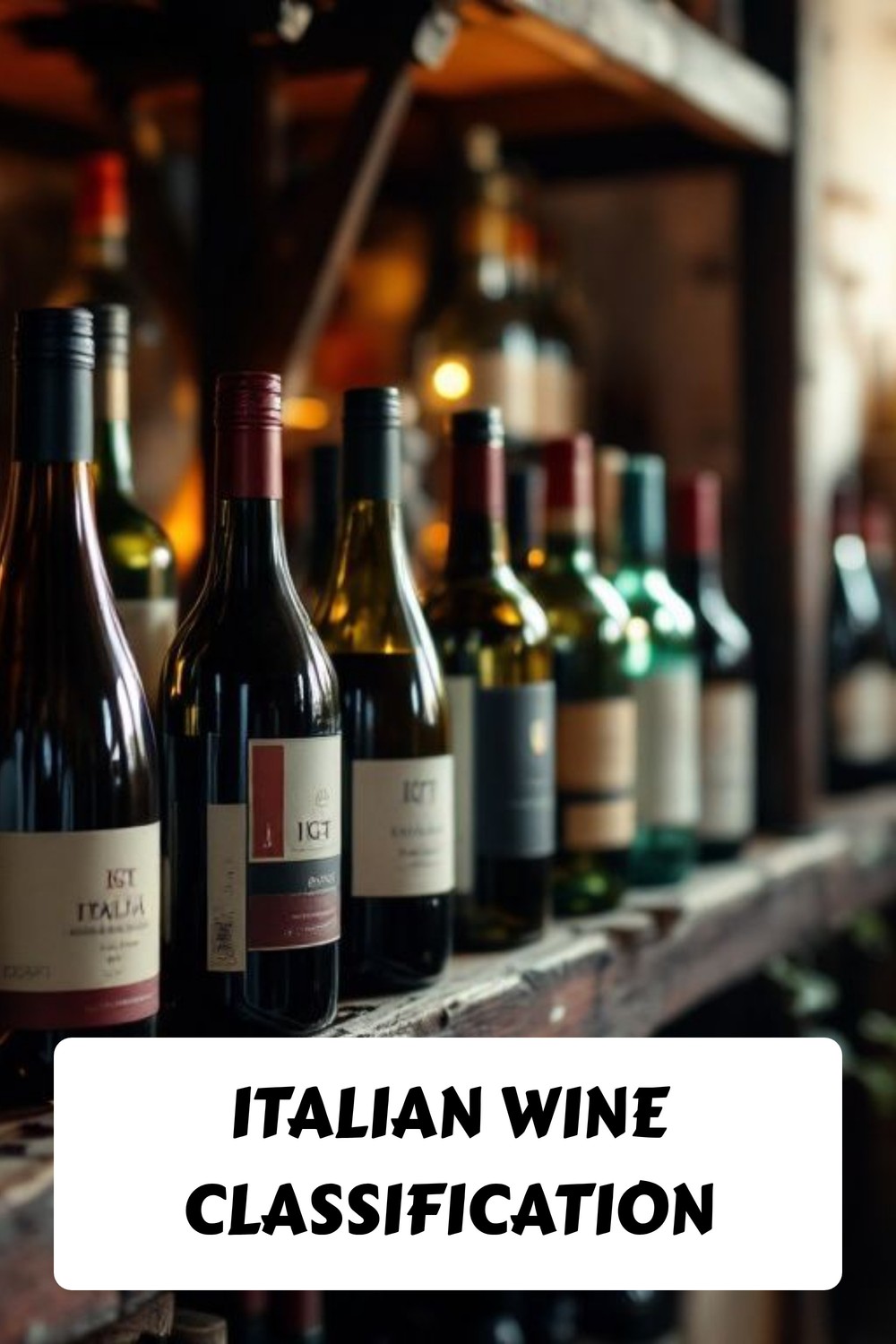
- IGT (Indicazione Geografica Tipica): A category that emphasizes regional identity while providing winemakers greater flexibility regarding blending and production techniques.
Core Regulatory Criteria
Designations are granted based on empirical production data rather than subjective preference. Producers must adhere to a disciplinare di produzione (production protocol) which mandates specific practices for each zone.
- Geographical Boundaries: Strict mapping of permissible growing areas.
- Viticultural Practices: Limits on planting density, pruning methods, and maximum harvest yields per hectare.
- Enological Processes: Requirements for minimum aging periods, types of vessels used, and allowed alcohol levels.
- Official Verification: Mandatory chemical-physical analysis and organoleptic testing for top-tier designations.
Comparison of Rigidity
Within the Italian Wine Classification traditional categories like DOCG and DOC prioritize historical continuity and predefined regional typicity, resulting in a narrow range of acceptable practices. In contrast, developmental or non-traditional categories like IGT permit innovation, allowing winemakers to bypass strict aging or blending mandates while still operating under a recognized geographic indication.
Enforcement mechanisms of the Disciplinare di Produzione
Securing Top-Tier Status
Advancing to DOCG status under the Italian Wine Classification is a rigorous process that typically follows years of established consistency as a DOC. The journey requires a blend of historical reputation and stringent government-verified quality checks.
Role of the Consorzio di Tutela
Under the Italian Wine Classification system, the Consorzio acts as the institutional guardian for its specific denomination. Its mechanisms include:
- Surveillance: Monitoring the market for misuse and conducting audits of producers to ensure compliance with the disciplinary.
- Authorization: Controlling the use of the denomination on labels and derivatives, ensuring that the brand integrity remains intact.
- Promotion: Managing communications and educating professionals on the terroir and specific quality characteristics of the region.
- Legislation Liaison: Proposing updates to production codes to the Ministry of Agricultural, Food and Forestry Policies.
The Certification Pathway
Earning the DOCG seal involves a sequence of objective and subjective validations:
- Documentary Compliance: Producers must verify yields, grape varieties, and production volumes against legal limits.
- Third-Party Audits: Independent bodies inspect vineyard practices and winery methods to ensure alignment with standard codes.
- Analytical Testing: Wines undergo chemical analysis to verify sugar, acidity, and alcohol levels.
- Sensory Evaluation: An official tasting panel assesses the wine’s organoleptic profile to ensure it meets the specific characteristics expected of that denomination.
Why Stringent Requirements Persist
Regions like Barolo and Chianti Classico enforce extreme aging and yield requirements to preserve their luxury market position. By strictly limiting volume and mandating aging periods (e.g., 38 months for Barolo), these regions guarantee the scarcity and maturity of their finished products, ensuring that the consumer receives a wine that reflects its high-status classification.
Summary of Italian Wine Classification Impacts
Creative Freedom and the IGT Framework
In the Italian Wine Classification, IGT serves as the primary outlet for winemakers who prioritize innovation over adherence to traditional, legally binding appellation rules. It allows producers to blend international grape varieties or pursue unconventional vinification techniques.
IGT vs. Traditional Constraints
- Flexibility: Unlike DOC/DOCG, IGT allows for creative blending (e.g., Cabernet Sauvignon in Tuscany) and experimental aging styles.
- Focus: The classification prioritizes geographic origin over rigid production methodology.
- Developmental Value: It acts as a testing ground for new styles that may eventually lead to updated DOC regulations.
The Super Tuscan Phenomenon
- Origin: Many high-quality Tuscan wines required flexibility that traditional Chianti laws could not provide.
- Autonomy: By utilizing the IGT label, winemakers can maintain their specific house style without defaulting to lower-tier table wine classifications.
- Intentional Choice: Several prestigious estates deliberately maintain IGT labelling for specific bottlings to signal that they operate outside the restrictive, albeit traditional, boundaries of the regional DOCG.
Synthesizing Market Autonomy
- Brand Authority: For top producers, the estate name often carries significant weight, overriding the need for a hierarchical designation.
- Consumer Perception: While DOCG signals adherence to tradition, IGT signals a boutique or avant-garde approach to winemaking.
- Strategic Positioning: Winemakers strike a balance between participating in regional historical standards (DOCG) and preserving the freedom required to produce premium, modern styles.
SHOP NOW ZAZZLE - CLICK BELOW