
 Cart is empty
1
I
Contact us: ww@blogquizshop.com






Linking the introduction to this section, Roman numerals form a historic number system from the Roman Empire. The system served Europe for nearly 2,000 years and stayed common through the Late Middle Ages after the fall of the Roman Empire.
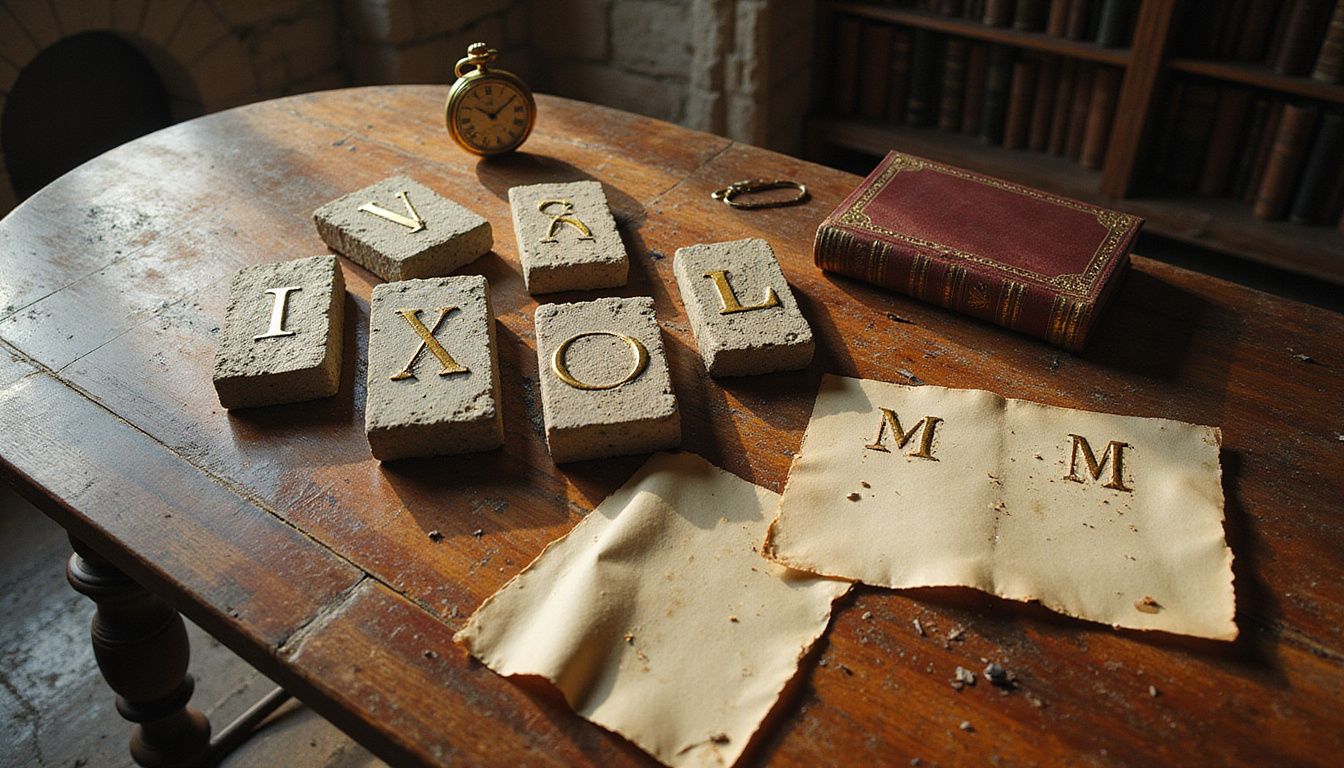
Scholars created the system from seven basic symbols taken from the Latin alphabet. The symbol I means 1, V means 5, X means 10, L means 50, C means 100, D means 500, and M means 1000.
People still use these Latin symbols today in clocks, book chapters, and decorative designs. Designers and brands use Classical Roman Symbols and Ancient Mathematics Design for Timeless Style and for History Lover Apparel.
Roman numerals remain relevant and appear in Roman History displays, Mathematics examples, and Latin Symbols motifs.
Roman numerals trace their roots to the Etruscan civilization, which used a system of counting that inspired the Romans. As Rome grew, these numerals evolved and became essential for trade, military, and administration throughout the empire.
 Etruscan scribes used simple marks for counting. Those marks fed into early Latin symbols. The seven basic symbols came from that Latin script. I stands for 1, V stands for 5, X stands for 10, L stands for 50, and C stands for 100.
Other letters filled higher values. Scholars link the system to the Etruscan influence on Roman notation.
That influence helped shape a system that originated in the Roman Empire. People used these numerals across Europe for nearly 2,000 years. They stayed common through the Late Middle Ages.
Modern use still shows their lasting impact today.
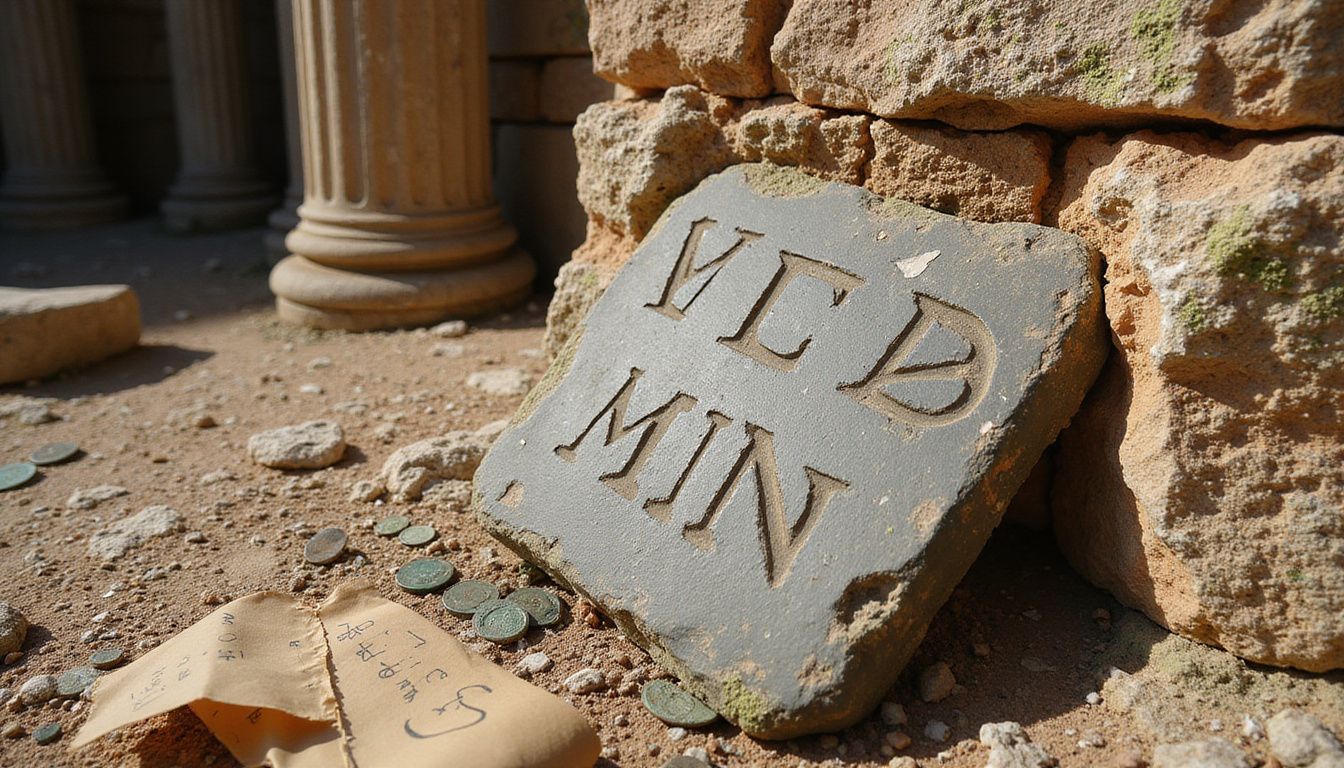 Roman numerals originated in the Roman Empire. The system used seven basic symbols from the Latin alphabet: I = 1, V = 5, X = 10, L = 50, C = 100, D = 500, and M = 1000.
People used these numerals across Europe for nearly 2,000 years. They stayed common through the Late Middle Ages after the fall of the Roman Empire. The numerals remain relevant and appear in clocks, book chapters, and modern titles.
The next section, Use in the Middle Ages and Renaissance, will show how they spread and changed.

The use of Roman numerals continued in Europe after the fall of the Roman Empire. These numbers appeared prominently in various documents, art, and architecture during the Middle Ages.
Scholars relied on them for recording dates and significant events. Churches also adopted this system to mark years on buildings and manuscripts.
During the Renaissance, artists incorporated Roman numerals into their works. They often used these symbols for titles or to denote specific time periods. This practice showcased a revival of classical knowledge, blending ancient traditions with new ideas.
Despite being an old numeric system, Roman numerals maintained their relevance throughout these times.
Roman numerals remained common in Europe through the Late Middle Ages.
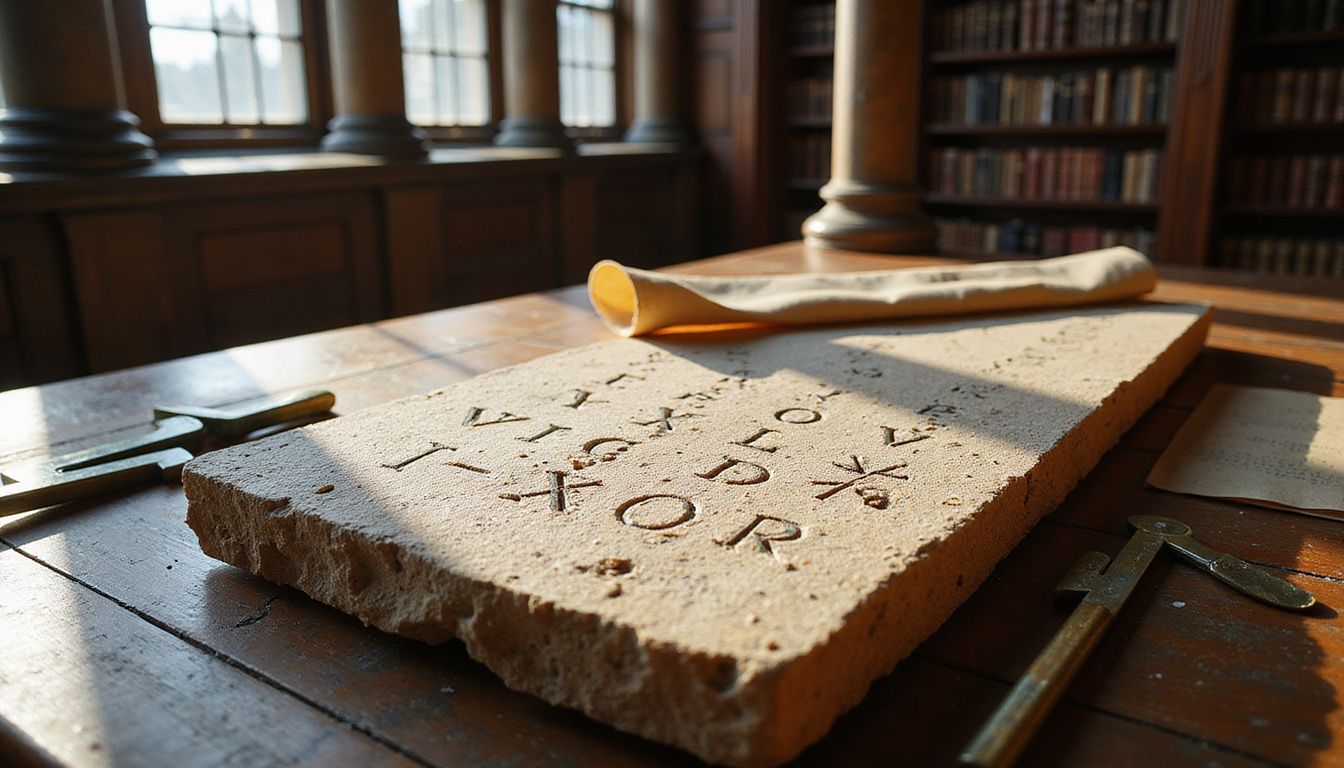
Roman numerals use seven basic symbols to represent numbers. These symbols combine through simple rules of addition and subtraction. You can create many numbers by repeating or arranging these symbols in specific ways.
Understanding how they function opens up a fascinating way to see history and culture. Explore more about their unique characteristics!
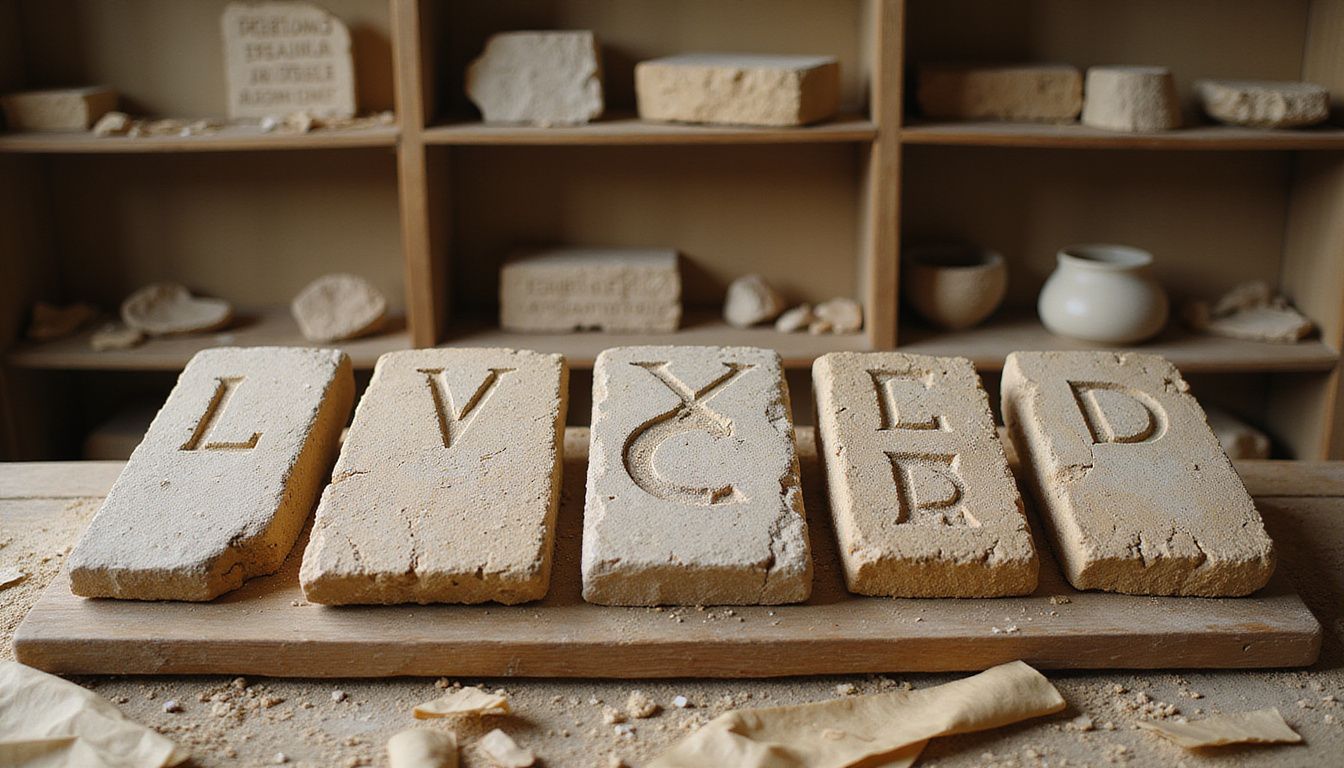
This table lists the seven basic symbols and their values.
| Symbol | Value | Notes |
|---|---|---|
| I | 1 | Represents 1. |
| V | 5 | Stands for 5. |
| X | 10 | Denotes 10. |
| L | 50 | Equals 50. |
| C | 100 | Symbolizes 100. |
| D | 500 | Corresponds to 500. |
| M | 1000 | Has value 1000. |
| Originated in the Roman Empire. It was used in Europe for nearly 2,000 years. Use stayed common through the Late Middle Ages after the fall of the Roman Empire. It remains relevant and in use today. | ||
Roman numerals follow specific rules for addition, subtraction, and repetition. Understanding these rules helps in reading and writing them correctly.

Roman numerals appear on clock faces, in book chapters, and in movie sequels. They add a classic touch to many modern items. Their unique style enhances both art and education. Explore the fascinating ways these ancient numbers continue to influence today’s culture.

Clock faces often display time using Roman numerals. These symbols bring a classic touch to watches and clocks, reminding us of their ancient origins. For example, IIII represents four while XII shows twelve.
Similarly, many books use Roman numerals for chapter headings or sections. They add elegance and formality to text layouts.
The continued use of these numerals highlights their lasting appeal. Even in modern settings, people recognize I for one and V for five easily. The rich history behind this numbering system still influences design choices today.

Movie sequels often use Roman numerals to indicate their order. For example, “Rocky II” signifies the second movie in the Rocky series. This practice dates back many years and adds a classic touch to titles.
Monarchs frequently adopt Roman numerals as well to distinguish among rulers with the same name. King Charles III showcases this tradition clearly. The use of Roman numerals links modern culture with ancient history, proving that this numeric system still holds significance today.

The use of Roman numerals extends beyond clock faces and movie titles. Decorative applications often include designs in art, architecture, and furniture. Many people appreciate the classic look that these symbols provide.
In academic settings, scholars still utilize Roman numerals to denote chapters in books or outline complex ideas.
Roman numerals have stood the test of time for nearly 2000 years; their simplicity and elegance make them appealing for various purposes. This numeric system consists of seven basic symbols derived from the Latin alphabet: I, V, X, L, C.
Each symbol represents a specific value: I equals 1; V equals 5; X equals 10; L equals 50; and C equals 100. Despite their ancient origins during the Roman Empire, these numbers continue to serve decorative and educational needs today.
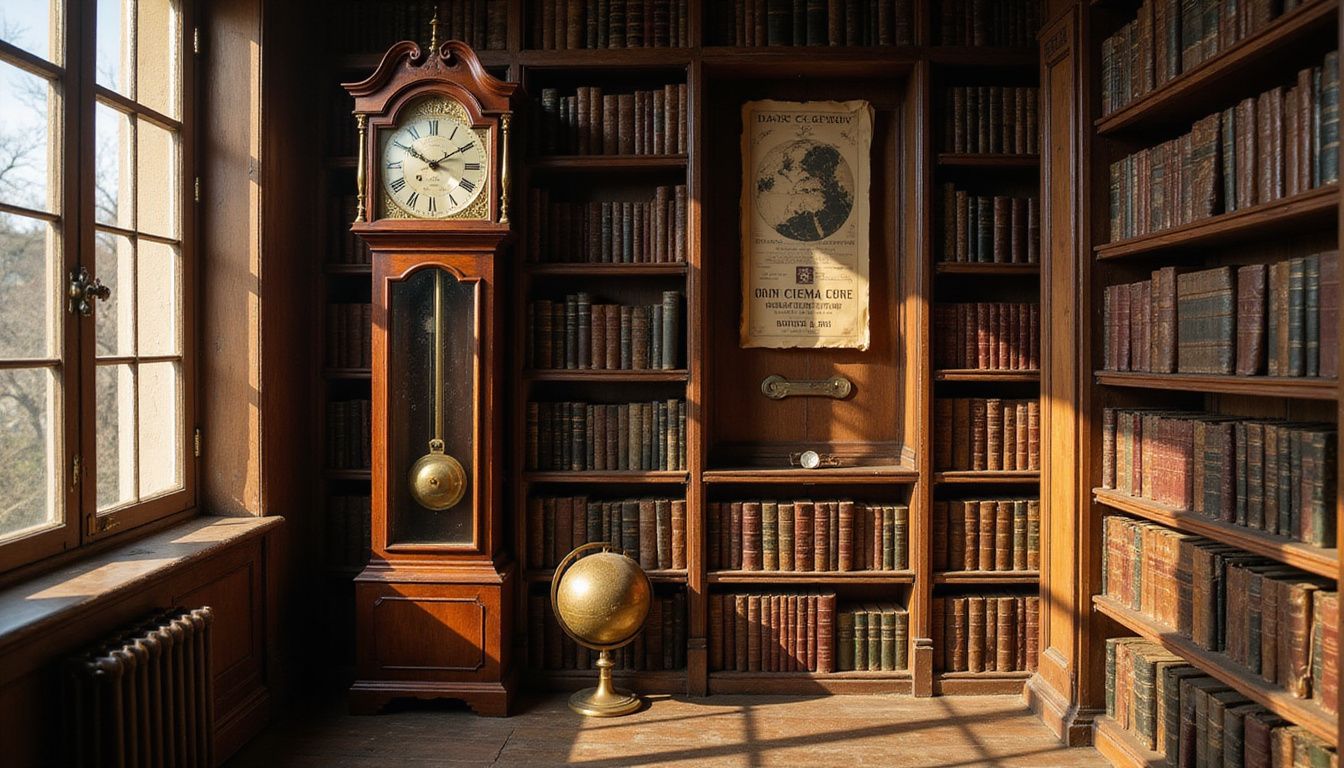
Roman numerals connect us to history. They represent a system that has stood the test of time. We still see them today on clock faces and in movie titles. This ancient method shows its versatility in modern life.
Roman numerals continue to remind us of our rich past while serving practical purposes now.
Roman numerals are a number system from ancient Rome. They use symbols to stand for values.
Read the symbols from left to right. Add a symbol value when it is equal to or larger than the next symbol. Subtract when a symbol is smaller than the next symbol. For example, a symbol for ten plus a symbol for four makes 14.
People use Roman numerals on clock faces, book chapters, movie sequels, and to mark years on buildings.
Write the largest symbols first. Do not repeat a symbol more than three times in a row. Put a smaller symbol before a larger one to show subtraction. Check symbol order to avoid mistakes.