
 Cart is empty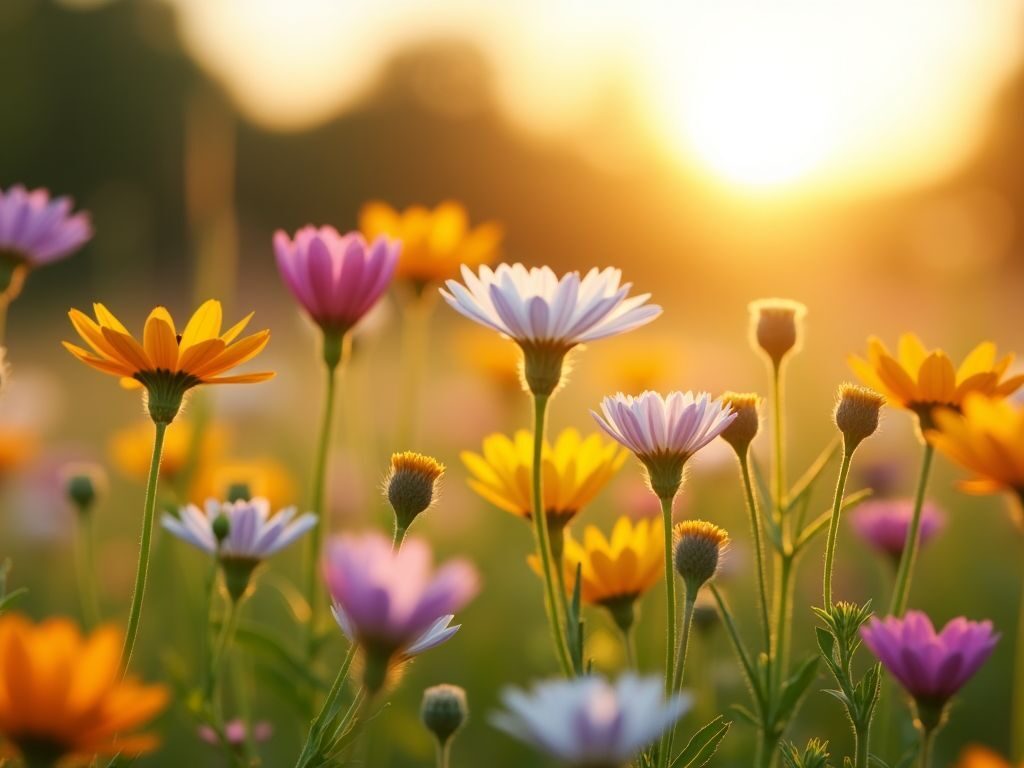
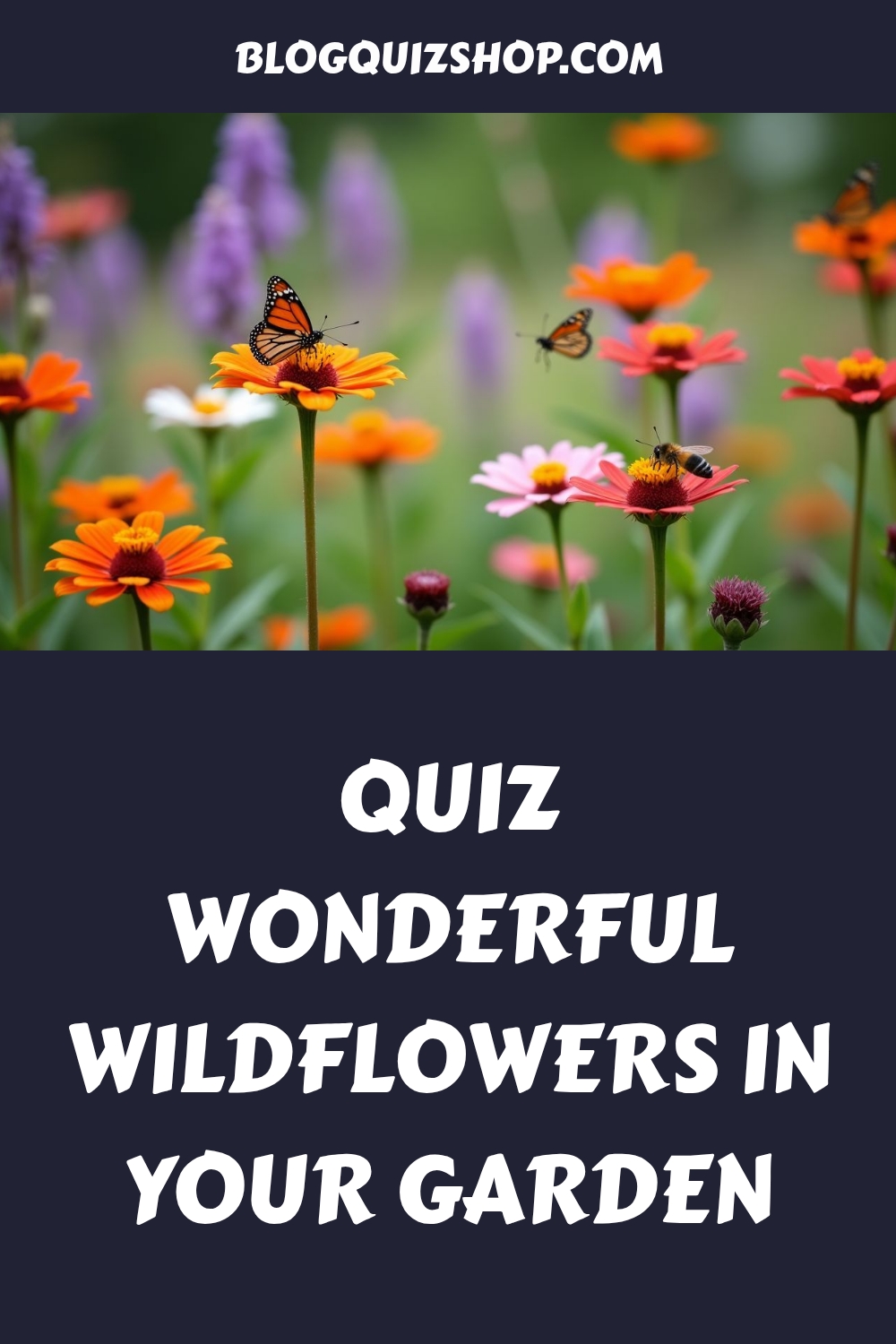
QUIZ Wonderful Wildflowers in Your Garden
Let me share a secret that experienced gardeners know well. The most breathtaking gardens, the ones alive with the sound of buzzing bees and the gentle sway of flowers in the breeze, are often the easiest and most powerful ones to create. This is the magic of Wonderful Wildflowers in Your Garden.
Picture this: you take a bare piece of earth and, with just a packet of seeds, turn it into a lively, colorful display that’s always in motion. This guide simplifies the process of creating your own personal haven—a garden that comes back year after year with little work, while also doing good for your local ecosystem.
Take the QUIZ Click Below
Study Notes – QUIZ Wonderful Wildflowers in Your Garden
Understanding Pollination Chains
Wonderful Wildflowers in Your Garden form critical feeding grounds and habitats for essential pollinators and wildlife, establishing the foundation of a healthy local ecosystem. They offer ecological and practical advantages, significantly improving gardens and local landscapes. Even small patches of wildflowers contribute to biodiversity.
Key Pollinators and Their Roles
Wonderful Wildflowers in Your Garden provide vital nectar and pollen for various insects, including bees, butterflies, hoverflies, and other pollinators, many of which face global decline. These pollinators are crucial for plant fertilization; about 75% of the world’s flowering plants require them. Supporting pollinators through wildflowers directly boosts the productivity of nearby fruit trees, vegetables, and ornamental plants, ensuring better yields and healthier gardens.
- Bees (Solitary, Bumble, Honeybees): Rely on open, nectar-rich flowers for pollen and nectar. Mason bees, in particular, benefit from diverse early-to-mid-season wildflowers.
- Butterflies, Moths, Hoverflies, Beetles: Many species need both native flowers for adult nectar and specific native plants as host species for their caterpillars.
- Birds, Bats, Small Mammals: Benefit from the flowers and the insects they attract, contributing to a richer wildlife habitat.
Creating Essential Food and Habitat
Diverse Wonderful Wildflowers in Your Garden create essential food and habitat, supporting numerous insect and bird species. Native wildflowers are especially important as food and habitat sources for pollinators, leading to manifold increases in pollinator visits compared to conventional lawns. A focus on locally native species and an extended blooming season maximizes pollinator benefits.
- Native Plant Advantage: Native plants typically support more species and higher numbers of local insects than non-native ornamentals.
- Crucial Host Plants: Species like milkweeds (Asclepias spp.) are vital for monarch butterflies and other insects.
- Pollinator Magnets: Prairie and meadow perennials such as coneflowers (Echinacea), black-eyed Susans (Rudbeckia), bee balm (Monarda), yarrow (Achillea), and asters heavily attract native bees, butterflies, and hoverflies.
- Diverse Flower Types: Including a mix of flower shapes (daisies, spikes, clusters, tubes) and colors allows different pollinators to feed effectively throughout the growing season.
Interconnectedness with Local Wildlife
Wildflowers are deeply interconnected with the survival of local wildlife populations. They support nearly 1,600 other plant species and various animals by providing consistent food and shelter. Different blooming times of wildflowers meet the varying needs of animals and insects throughout the year. Wildflowers also thrive in interconnected ecosystems through soil fungi, sharing resources among plants and boosting the health of local flora and fauna. Replanted grasslands, for instance, offer enhanced habitats for wildlife like pronghorn, helping native plants and biodiversity flourish.
- Ecosystem Balance: Such efforts help restore ecosystem balance by re-establishing native plant communities.
- Biodiversity Preservation: Wildflowers contribute significantly to conservation and the preservation of biodiversity by sustaining wildlife habitats and food sources.
Wildflower Meadow Maintenance Cycles
Wonderful Wildflowers in Your Garden play a crucial role in creating sustainable, self-sufficient landscapes by improving soil health, increasing ecosystem resilience, and reducing garden maintenance. These mechanisms contribute to a more robust and lower-effort gardening approach.
Improving Soil Structure and Water Retention
Wildflowers possess deep root systems that significantly enhance soil health. As these roots grow, they break up compacted soil, improving its structure and aeration. This process facilitates better water infiltration and retention, allowing the soil to absorb and hold moisture more effectively, which is crucial for plant growth and drought resistance. The network of roots also binds soil particles together, acting as a natural preventative measure against erosion from wind and water.
- Root Penetration: Deep roots create channels in the soil, improving drainage and air circulation.
- Organic Matter: As plants die and decompose, they contribute organic matter to the soil, further enriching its fertility and microbial life.
- Carbon Sequestration: Wildflowers capture carbon dioxide from the atmosphere and store it in the soil through their root systems, reducing greenhouse gases and enhancing soil health.
Enhancing Ecosystem Resilience
Plant diversity in wildflower meadows is a key factor in enhancing resilience against pests, diseases, and climate stress. A diverse array of species creates a balanced ecosystem where natural predators can thrive, keeping pest populations in check without the need for chemical intervention. Different plants also have varying resistances to diseases and environmental stressors, meaning that if one species struggles, others can compensate, maintaining the overall health and stability of the ecosystem.
- Natural Pest Control: Diverse plantings attract beneficial insects that prey on common garden pests, reducing reliance on pesticides.
- Disease Resistance: A greater variety of plants makes the ecosystem less susceptible to widespread outbreaks of specific diseases that might target monoculture plantings.
- Climate Adaptation: Different species possess varying tolerance levels to drought, heat, or cold, allowing the meadow to better withstand unpredictable climate changes.
- Resource Sharing: Interconnected ecosystems, often facilitated by soil fungi, allow plants to share resources, boosting collective health.
Practical Benefits of Reduced Maintenance and Cost
Establishing Wonderful Wildflowers in Your Garden offers significant practical benefits in terms of reduced garden maintenance and cost. Once established, wildflower areas require considerably less intervention compared to traditional lawns or ornamental beds. This translates into fewer hours spent on gardening tasks and reduced expenses on water, fertilizers, and chemical treatments.
- Reduced Watering: Native wildflowers are adapted to local conditions and often possess deep roots, requiring less supplementary watering once established.
- Minimal Fertilizing: Most wildflowers thrive in low to moderate fertility soils and generally do not require external fertilizers.
- Pest Resistance: Their natural resilience and ability to attract beneficial insects reduce the need for costly pesticides.
- Lower Mowing Frequency: Wildflower meadows typically only require cutting once or twice a year, as opposed to weekly lawn mowing.
- Main Cut: After flowering in late summer.
- Optional Light Cut: In late winter or early spring.
- Cost Efficiency: Bulk seed options for wildflowers make them a cost-effective choice for covering larger areas, promoting sustainable gardening practices.
The Seven Pillars of Wildflower Benefits
Wonderful Wildflowers in Your Garden enhance visual appeal, promote mental well-being, and offer a profound connection to nature, transforming spaces into tranquil retreats.
Aesthetic Contributions
- Dynamic Visual Display: Wildflowers provide changing waves of color, height, and texture from spring through late summer, creating continuous visual interest.
- Natural Softening: Even small strips or containers of wildflowers can soften hard landscaping and add a more natural, relaxed look to gardens and urban spaces.
- Complementary Planting: Mixing wildflowers with other garden plants like roses or lilies creates stunning visual variety with diverse colors, shapes, and sizes.
- Continuous Colour: Different bloom times ensure continuous color throughout the gardening season, with early, mid, and late bloomers.
Mental Well-being and Stress Reduction
- Improved Mood: Being surrounded by natural, flower-rich spaces is consistently linked with reduced stress and improved mood.
- Restorative Connection: Growing and observing wildflowers encourages connection with nature, from learning plant names to watching pollinators, which many people find calming and restorative.
- Tranquil Retreats: Wildflower gardens can transform ordinary spaces into peaceful havens, enhancing overall quality of life.
Practical Strategies for Connection
- Choosing Native Species: Select wildflowers native to your region to ensure they thrive and fully integrate into the local ecosystem, fostering a natural connection.
- Designing Diverse Displays: Incorporate a variety of colors, shapes, and sizes for an exciting visual interest and to support diverse pollinator populations, deepening engagement with nature’s processes.
- Creating Mown Paths: In larger areas, include mown paths so tall wildflower growth looks intentional, encouraging exploration and interaction with the meadow.
- Container Gardening: Utilize pots for wildflowers in compact spaces to bring nature closer and create accessible points of connection.
Holistic Garden Approach
- Ecological Benefits: Wildflowers attract essential pollinators and support local wildlife, building a healthier ecosystem.
- Practical Benefits: They improve soil health, conserve water, reduce erosion, and significantly lower maintenance/cost compared to traditional gardening.
- Personal Benefits: Wonderful Wildflowers in Your Garden enhance aesthetic appeal, reduce stress, improve mood, and foster a direct connection to nature.
- Sustainable Choice: Choosing wildflowers promotes sustainable gardening practices, benefiting both the gardener and the environment in a synergistic way.
SHOP NOW ZAZZLE - CLICK BELOW