Securing Top-Tier Status
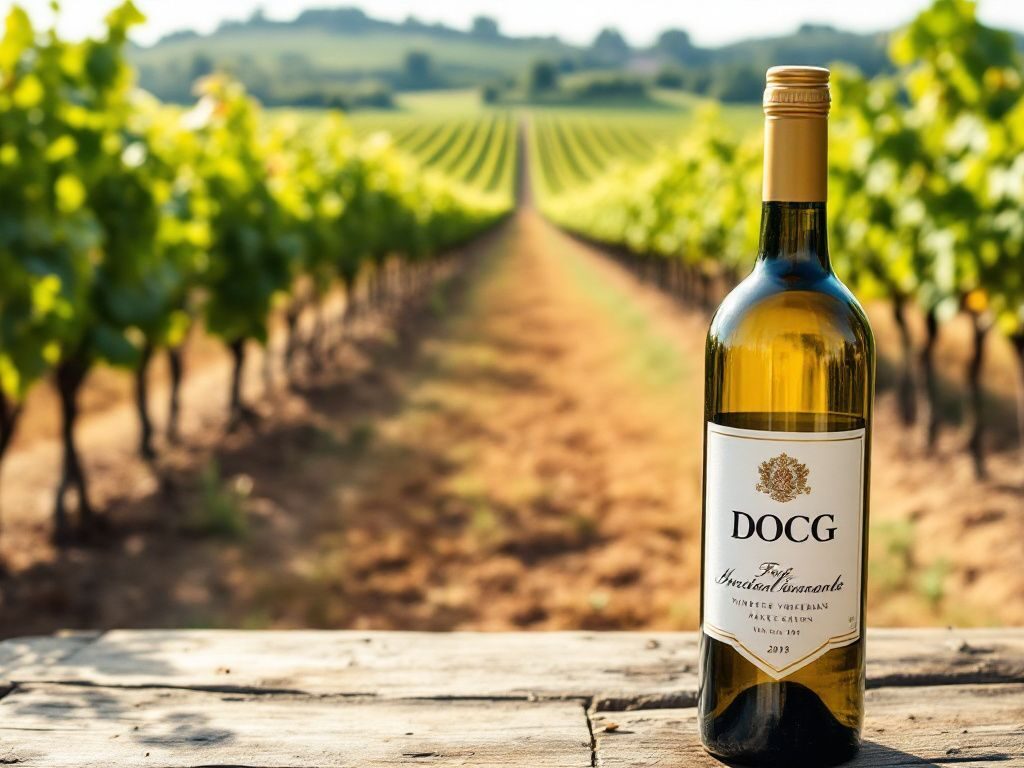
Advancing to DOCG status under the Italian Wine Classification is a rigorous process that typically follows years of established consistency as a DOC. The journey requires a blend of historical reputation and stringent government-verified quality checks.
Role of the Consorzio di Tutela
Under the Italian Wine Classification system, the Consorzio acts as the institutional guardian for its specific denomination. Its mechanisms include:
- Surveillance: Monitoring the market for misuse and conducting audits of producers to ensure compliance with the disciplinary.
- Authorization: Controlling the use of the denomination on labels and derivatives, ensuring that the brand integrity remains intact.
- Promotion: Managing communications and educating professionals on the terroir and specific quality characteristics of the region.
- Legislation Liaison: Proposing updates to production codes to the Ministry of Agricultural, Food and Forestry Policies.
The Certification Pathway
Earning the DOCG seal involves a sequence of objective and subjective validations:
- Documentary Compliance: Producers must verify yields, grape varieties, and production volumes against legal limits.
- Third-Party Audits: Independent bodies inspect vineyard practices and winery methods to ensure alignment with standard codes.
- Analytical Testing: Wines undergo chemical analysis to verify sugar, acidity, and alcohol levels.
- Sensory Evaluation: An official tasting panel assesses the wine’s organoleptic profile to ensure it meets the specific characteristics expected of that denomination.
Why Stringent Requirements Persist
Regions like Barolo and Chianti Classico enforce extreme aging and yield requirements to preserve their luxury market position. By strictly limiting volume and mandating aging periods (e.g., 38 months for Barolo), these regions guarantee the scarcity and maturity of their finished products, ensuring that the consumer receives a wine that reflects its high-status classification.


 Cart is empty