Contact us: ww@blogquizshop.com

Choosing the perfect theme for your garden of love can be tricky. Do you want elegant orchids, tough desert plants, classic roses, or charming wildflowers? The right choice depends on many factors such as climate and soil.

Did you know that some plants are better suited for dry areas while others need more water? This guide will help you understand what each type of plant needs to thrive. We’ll also share tips on how to create a beautiful garden that fits your space and style.

Follow along as we explore these options… Your dream garden is just a few steps away!

Your garden of love can flourish with the right care and attention!

Ultimately, your garden of love can flourish beautifully with the right care and attention!

Key Takeaways

  • Check your garden’s climate and soil type before picking plants. Different plants need different conditions to thrive.
  • Orchids need specific light, temperature, and humidity. They are perfect for those who enjoy a challenge.
  • Desert plants like Agave and Aloe require little water and add unique textures. They are great for dry climates.
  • Roses offer timeless beauty but need full sun and well-draining soil. Choose disease-resistant varieties to make care easier.
  • Wildflowers support local wildlife and are easy to maintain. Plant them in the right season for best results.

SHOP NOW ZAZZLE - CLICK BELOW

Elegant orchids, tough desert plants, classic roses, and charming wildflowers each suit very different gardeners, so the “perfect” theme is the one that matches your climate, maintenance level, and how controlled vs natural you want the space to feel. Given your strong interest in roses and native wildflower meadows, a rose or wildflower–led theme (or a hybrid of the two) is the most natural fit.

Start with three questions

Ask these first before choosing:

  • How much maintenance do you really want (regular pruning and grooming vs once- or twice-yearly mowing)?

  • What is your climate and water availability (humid vs dry, frost vs mild)? Desert and many orchids demand specific conditions.

  • Do you prefer a formal or relaxed, natural look (symmetry and structure vs meadowy, self-sown feel)?

What each theme “feels” like

  • Orchids: Exotic, collector’s vibe, usually best as a potted or tropical-garden specialty rather than the main outdoor theme in temperate climates.

  • Desert plants: Sculptural, minimalist, and drought-tolerant, ideal where summers are hot, dry, and water is limited.

  • Classic roses: Romantic, structured, and high-impact, from formal axes to looser English-style borders; needs sun, good soil, and seasonal care.

  • Wildflowers: Informal, ecological, low-input once established, excellent for pollinators and seasonal “waves” of colour.

Best match for you

  • rose-centred garden suits your interest in formal layouts, pruning, and pest management, and can be framed by perennials and even wildflowers for wildlife.

  • native wildflower meadow or border matches your focus on pollinators and low-maintenance, especially if you design around local species and simple annual mowing.

  • Blending the two (roses as focal shrubs with wildflower-style underplanting and edges) gives fragrance, structure, and habitat in one theme.

Simple decision table

If you want… Choose mainly… Why it fits
Formal structure, fragrance, “classic garden” feel Roses Strong focal points, paths, and repeat blooms.
Wildlife, movement, low-input colour Wildflowers Supports pollinators, needs little routine care.
Ultra‑low water, sculptural drama Desert plants Thrives in heat and drought with sparse irrigation.
Tropical, luxurious collector space Orchids Spectacular but climate- and care-sensitive.

Your Garden of Love

Understand your country/region, rough climate/zone, garden size, and how many hours a month you want to spend on maintenance, and design a theme outline for your garden of love (e.g., “Romantic Rose & Wildflower Garden”).

Matching garden themes to a specific climate and soil is very precise work, so the best answer depends on your exact location, temperature range, rainfall, and whether your soil is more sandy, loamy, or clay‑based. Without those details, only broad guidance is possible, but your past focus on natives, wildflowers, and roses already points toward themes that adapt well once tailored to local conditions.

Why climate and soil matter

  • Climate (winter lows, summer heat, rainfall) decides which plants can survive year after year, beyond what the USDA zone alone can tell you.

  • Soil texture (sand, loam, clay) and drainage determine whether a theme prefers drought‑tolerant plants, moisture lovers, or something in between.

Typical themes by climate

  • Hot, dry summers with water limits: Xeriscape/desert or Mediterranean‑style gardens using drought‑tolerant shrubs, grasses, and perennials.

  • Temperate, moderate rainfall: Cottage, rose, and mixed perennial borders with good soil preparation and drainage.

  • Cool, wet or heavy-rain climates: Woodland, bog, or moisture‑loving borders using plants adapted to wet feet and cooler summers.

Typical themes by soil

  • Sandy, fast‑draining soils: Themes built around drought‑tolerant natives, grasses, and Mediterranean/desert plants, sometimes with raised beds for fussier species.

  • Loam (ideal mix): Most themes work, from wildflower meadows and vegetable gardens to rose and mixed borders, if organic matter is maintained.

  • Clay, slow‑draining soils: Prairie‑style, rain‑garden, or robust shrub/perennial themes using plants that tolerate or enjoy heavier soils.

How this intersects with your interests

  • Native wildflower / meadow themes adapt well to a wide range of climates and soils if you choose a region‑specific seed mix matched to your site (sun/shade, dry/moist).

  • Rose‑based themes thrive in climates with decent sun and drainage, often on improved loam or clay‑loam soils, and can be blended with wildflowers for a climate‑wise, wildlife‑friendly design.

Understanding Your Garden of Love: Climate and Soil
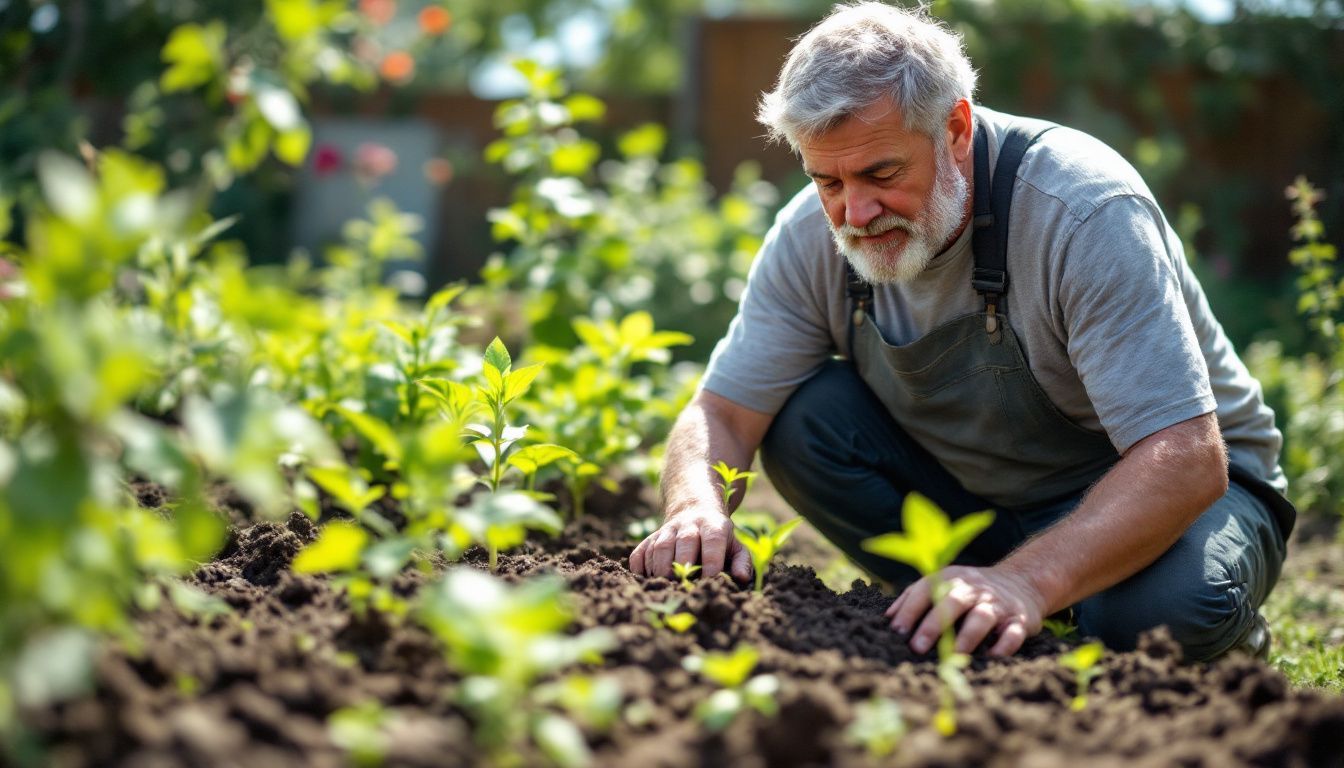
understanding your garden27s climate and soil 320445982

What to discover next

To say which specific garden themes suit your local climate and soil, it helps to know:

  • Country and broad region (e.g., South‑East England, Pacific Northwest USA).

  • USDA or equivalent zone (if you know it).

  • Soil type (mainly sandy, loam, or clay; dry vs wet).

  • Sun exposure for the main area (full sun, part shade, shade).

With that, the options (e.g., “native meadow + roses”, “xeric Mediterranean border”, “cool-climate cottage”) can be narrowed to 2–3 concrete, climate‑fitted themes you can turn straight into a course module.

First, know the climate type or zone of your garden of love. Different plants need different conditions to thrive.

Identifying climate zoneidentifying climate zone 320445414
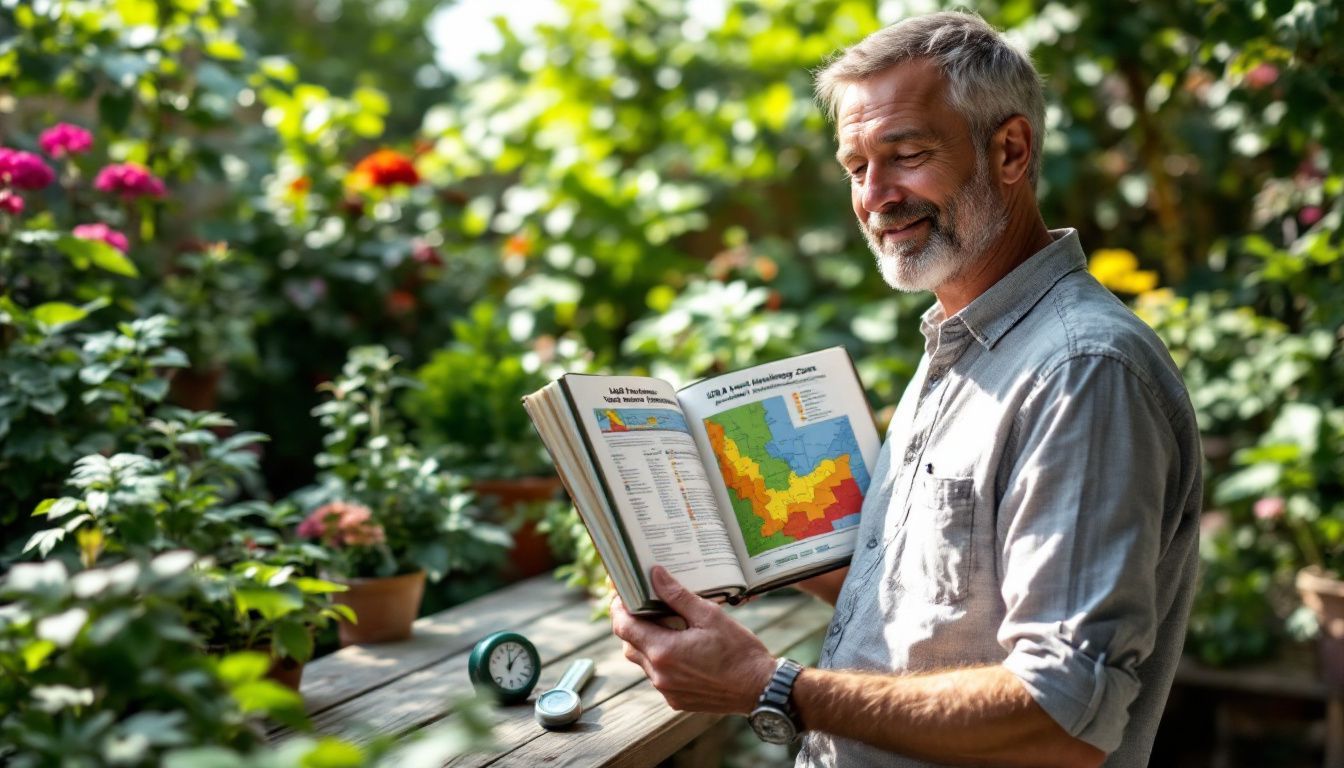
Identifying your garden’s climate zone is key to choosing the right plants. The USDA divides the country into 13 plant hardiness zones. Each zone shows the average lowest temperature of an area.

For example, Agave grows well in Zones 5-11, while Aloe thrives in Zones 7-12.

Check your local weather patterns and environmental factors. This will help you find your gardening region and horticultural zone. Understanding these can ensure you pick plants suited to your area’s growing conditions—no more wasted time on mismatched choices!

Assessing soil type and quality

First, know your soil’s composition. Is it sandy, clayey, or loamy? Sandy soil drains fast but lacks nutrients. Clay holds water but can suffocate roots. Loam is ideal—rich and balanced.

Next, check the water retention level. Dig a small hole and fill it with water. Note how quickly the water seeps in. Fast absorption indicates sandy soil; slow means clay.

Finally, test nutrient levels using a home kit or send samples to local extension services for detailed results… you need good nutrients for healthy plant growth!


Healthy soil is crucial for thriving plants,


Orchids: Elegance and Exotic Appeal
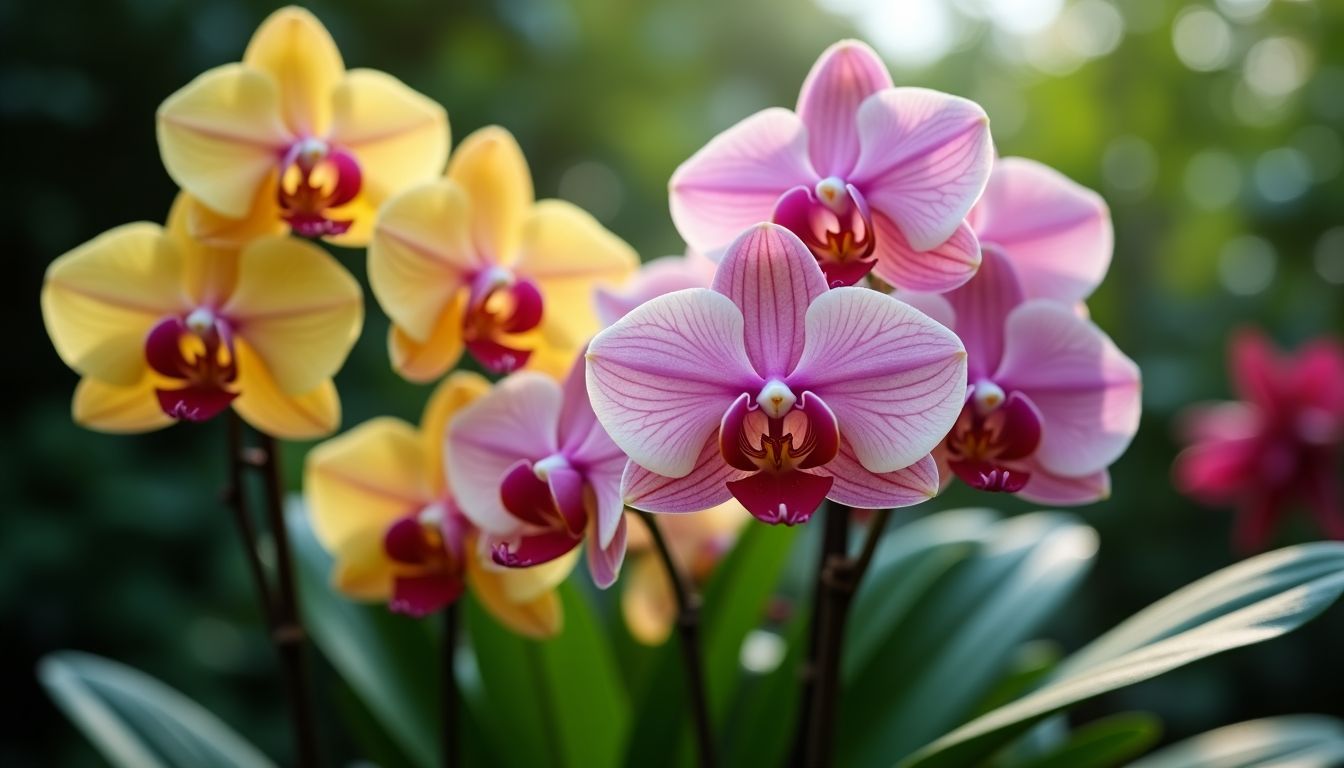
orchids elegance and exotic appeal 320445583

Orchids bring a touch of elegance and beauty to any garden of love. They thrive in specific conditions, making them perfect for gardeners who enjoy a challenge.

Ideal conditions for orchids

Orchids need the right mix of light, temperature, and humidity. They thrive in a mild climate with temperatures between 60°F to 80°F. You can grow them both indoors and outdoors if you keep these conditions steady.

Proper watering is important too. Orchids like their roots slightly dry but still moist. Water once a week and allow the soil to dry out just a bit between waterings. A well-draining potting mix like bark or moss helps keep roots healthy.

Best varieties for home gardens

Choosing the right plant varieties for your home garden of love is critical. The best options balance beauty with ease of care.

  • Phalaenopsis Orchids: These are great starter orchids. They thrive in bright, indirect light and need humidity. Their flowers last long and come in many colors.
  • Cattleya Orchids: Known for their large, fragrant blooms, they do well with morning sun and high humidity. Perfect for a splash of color indoors or in greenhouses.
  • Agave: Ideal for desert gardens due to their drought resistance. They are low-maintenance and add unique textures to your landscape.
  • Aloe Vera: This succulent is both decorative and useful. It needs minimal water and sunlight, making it perfect for a dry garden.
  • Bougainvillea: These offer vibrant colors year-round. Suitable for arid environments, they require full sun and well-drained soil.
  • Desert Rose (Adenium): Offers beautiful, bright flowers and can be propagated easily from cuttings. Great for adding variety through grafting techniques.
  • Hybrid Tea Roses: Known for their classic charm and scent, they need at least six hours of sunlight daily. Choose disease-resistant varieties like ‘Mister Lincoln’ or ‘Peace’.
  • Floribunda Roses: These bushes produce clusters of blooms and are hardy against diseases. Varieties like ‘Iceberg’ offer prolonged flowering seasons.
  • Native Wildflowers: Excellent choice for easy upkeep while supporting local biodiversity. Plants like Black-Eyed Susan adapt well to various soils and attract pollinators.

Each plant type has its own set of needs regarding sunlight, soil, and water use… so choose wisely!

 Desert Plants: Resilience and Low Maintenance
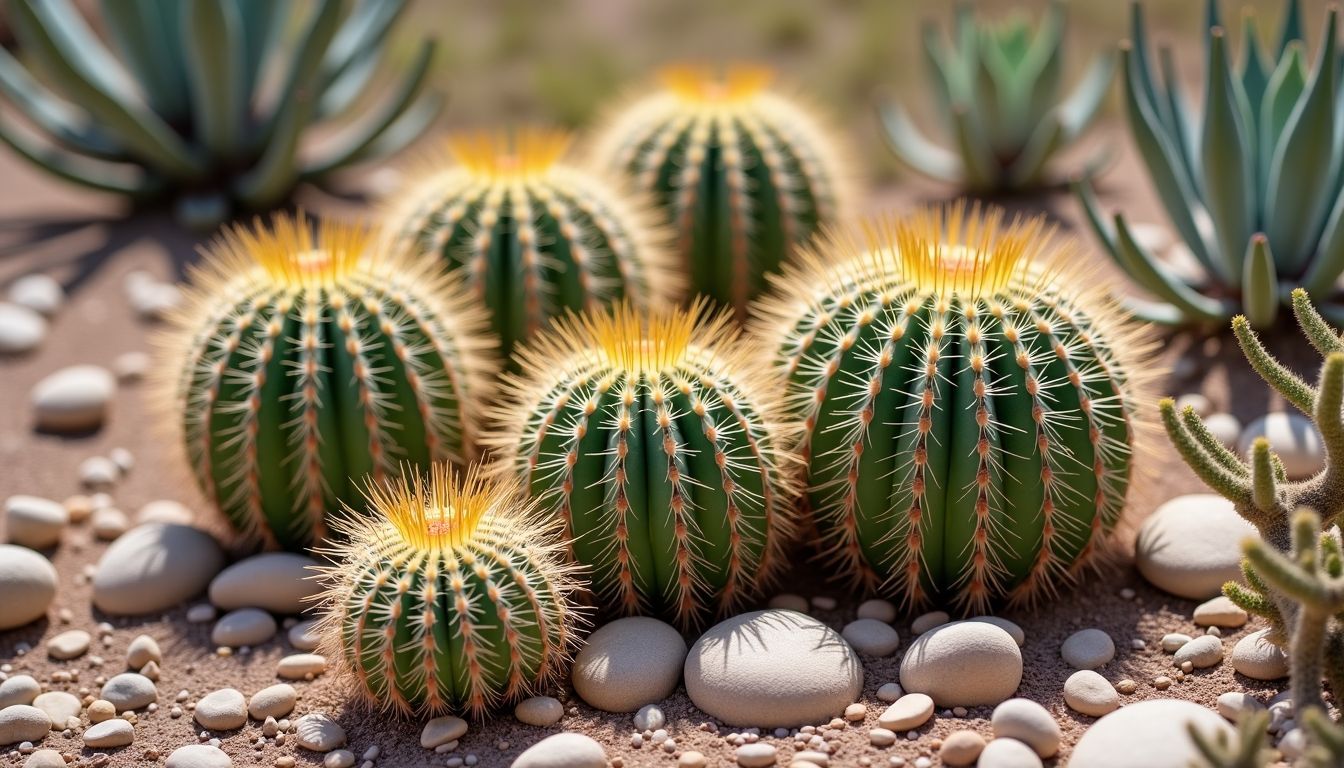
desert plants resilience and low maintenance 320445823

Desert plants thrive with little water and tough conditions. They add unique beauty to any garden of love while saving on resources….

Water conservation techniques

Desert plants are hardy and need very little water. They thrive in tough conditions and save resources.

  • Choose Drought-resistant Plants
    • Pick cacti and succulents. They store water in their leaves, stems, and roots.
    • Look for plants with adaptations like waxy leaf coatings or smaller leaves.


  • Use Mulch
    • Spread mulch around plants to keep moisture in the soil.
    • Mulch also helps to control temperature and prevent weeds.


  • Drip Irrigation
    • Install a drip irrigation system. It delivers water directly to the plant roots.
    • This reduces water waste by focusing on where it’s needed most.


  • Watering Schedule
    • Water plants early in the morning or late in the evening.
    • This reduces evaporation and ensures plants get enough moisture.


  • Rainwater Harvesting
    • Collect rainwater using barrels or other containers.
    • Use this free resource for watering your garden later.


  • Proper Soil Preparation
    • Amend soil with organic matter to improve its ability to retain water.
    • Good soil enhances plant growth and reduces the need for frequent watering.


  • Group Plants by Water Needs
    • Place plants with similar water requirements together.
    • This makes it easier to manage watering schedules efficiently.


Using these techniques helps you conserve water while keeping your desert garden lush and vibrant.

Recommended species for arid landscapes

Desert plants are hardy and need little water. They make great choices for a garden of love in a dry climates.

  1. Agave
    • Grows in USDA Zones 5-11.
    • Needs full sun.
    • Ranges from 1 to 20 feet tall.
    • Blooms once; then the plant dies.


  2. Aloe
    • Suitable for Zones 7-12.
    • Thrives in full sun.
    • Can grow from 6 inches to 30 feet tall.
    • Blooms year-round.


  3. Bougainvillea
    • Best in Zones 9-11.
    • Needs full sun to bloom well.
    • Height varies from 3 to 30 feet.
    • Flowers in summer.


  4. California Poppy
    • Ideal for Zones 6-10.
    • Prefers full sun.
    • Grows up to 12-18 inches tall.
    • Blooms from spring to summer.


  5. El Nino™ Desert Orchid
    • Suitable for USDA Zones 6-9
    • Requires full or partial sun
    • Reaches a height of up to 8 feet
    • Flowers during summer


  6. Creosote Bush
    • Thrives in Zones 7-11
    • Can take full sun or partial shade
    • Grows about 4 to 8 feet tall
    • Blooms all year round
    •  
    • So now you know some great options…

Roses: Timeless Beauty and Fragrance

roses timeless beauty and fragrance 320445393

Roses offer a classic charm unmatched by other flowers. Their rich scents and vibrant colors make any garden of love special….

Roses are among the most culturally celebrated and horticulturally versatile flowers, valued for centuries for their layered beauty, emotional symbolism, and remarkably complex fragrance. Today they remain key plants in gardens, floristry, perfumery, and aromatherapy, with thousands of cultivars bred for color, form, and scent.

History and symbolism

  • Roses have featured in ancient Egypt, Greece, and Rome as symbols of love, luxury, and divine beauty, used in festivals, baths, and cosmetics.

  • Myths linking roses to Aphrodite/Venus and stories of white roses turning red through divine blood underpin modern associations with passion, purity, and remembrance.

Beauty in the garden of love

  • Modern garden roses span shrub, climbing, groundcover, polyantha, and English types, offering options from low-maintenance landscape plants to exhibition-style blooms.

  • English roses, popularized by breeders like David Austin, intentionally unite old-rose form and perfume with repeat flowering, vigor, and disease resistance for reliable garden performance.

Fragrance and chemistry

  • Rose essential oil is one of the most chemically complex natural fragrances, containing over 300 compounds, notably citronellol, geraniol, nerol, and phenyl ethyl alcohol.

  • Key aromatics such as 2‑phenylethanol and β‑damascenone shape the characteristic sweet, fruity, and slightly citrus facets that make rose so central in fine perfumery.

Uses in perfumery and wellbeing

  • Rose has long been a cornerstone of luxury perfume, from ancient scented oils and early modern court fragrances to contemporary niche compositions.

  • Beyond scent, rose oil and rosewater are used in skincare and aromatherapy, where their aroma is noted for influencing mood through the limbic system and supporting emotional balance.

Color meanings and emotional language

  • Red roses typically express romantic love and desire, while white roses often stand for innocence, spirituality, or new beginnings such as weddings.

  • Pink, apricot, and other shades are widely used to signal admiration, gratitude, or subtle affection, helping make the rose a universal floral “language” of human feeling.

Soil and sunlight requirements

Roses need lots of sunlight. At least six hours a day is best. Full sun helps them grow strong and healthy. Sun exposure also encourages more blooms.

A well-draining soil is key for rose cultivation. Soil drainage keeps the roots from getting too wet. Too much water can cause root rot and other problems. Sandy soil or loamy soil works well for roses.

 Next, let’s look at how to pick disease-resistant varieties

Selecting disease-resistant varieties

Selecting disease-resistant varieties of roses is essential. It makes your garden of love beautiful and fragrant, with less hassle. Here’s how to choose the best types for your garden:

  1. Know Your Planting Zone

    • Research which roses grow well in your area. Different zones have different climates.


  2. Understand Local Climate
    • Some roses handle heat better, while others thrive in cooler climates.


  3. Check Soil and Sunlight Needs
    • Roses need good soil and plenty of sunlight—six hours a day at least.


  4. Reduce Chemical Treatments
    • Disease-resistant roses mean fewer chemicals, which is better for you and the environment.


  5. Look for Common Disease Resistance
    • Black spot, mildew, and rust are common rose diseases. Choose roses that resist these issues.


  6. Research Varieties Online
    • Websites and gardening books list disease-resistant roses by name, like ‘Knock Out’ or ‘Carefree Beauty’.


  7. Ask Local Nurseries
    • They can suggest what works best in your local climate.


  8. Read Rose Descriptions Carefully
    • Many tags will list if a rose is disease-resistant.


  9. Join Gardening Groups
    • Other gardeners can share their experiences about which varieties are most resilient.


  10. Consider Maintenance Needs
    • While some disease-resistant roses still require care, they usually need less than other types.


  11. Plan for Longevity
    • Well-chosen rose plants live longer and stay healthier in your garden.


Choosing the right type of rose keeps your garden blooming beautifully with less effort from you!

 Wildflowers: Natural Charm and Biodiversity
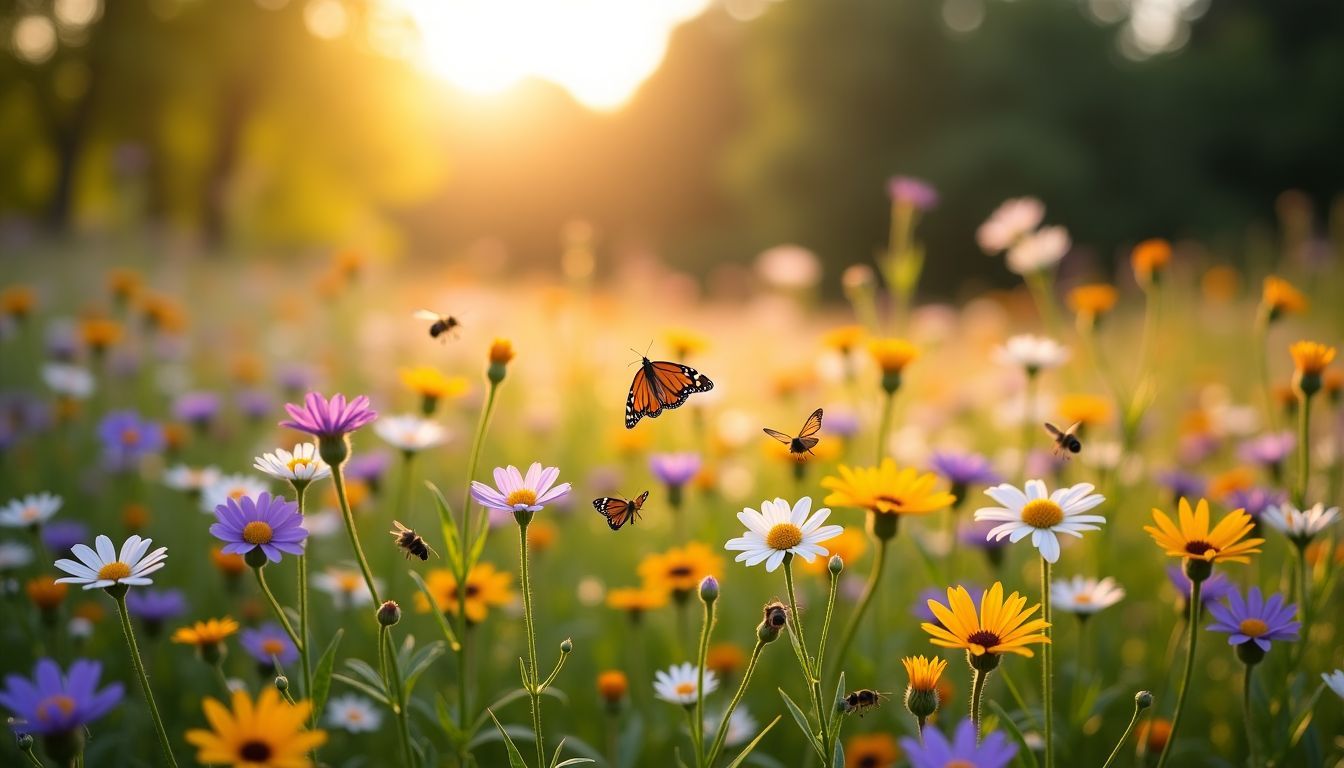
wildflowers natural charm and biodiversity 320445243

Wildflowers bring a burst of color and life to any garden of love. They support local wildlife and create a natural, relaxed look that is both beautiful and eco-friendly.

Benefits of native wildflowers

Native wildflowers boost a garden’s natural charm and biodiversity. They grow well in local climates, need less care, and save water. They also help keep the soil healthy by stopping erosion.

These plants support wildlife such as bees, butterflies, and birds. This helps keep the ecosystem balanced. Planting native wildflowers makes gardening easier while helping local ecology thrive.

Wildflowers are self-sown, often native flowers that grow in uncultivated places, and they are crucial for supporting pollinators and maintaining rich, resilient ecosystems. Well‑designed wildflower meadows can dramatically boost biodiversity, soil health, and climate resilience while also adding strong visual and emotional appeal to landscapes.

What are wildflowers?

  • A wildflower is a flowering plant that grows in the wild without being intentionally planted or bred as a garden cultivar.

  • The term covers the whole plant, not just the blossom, and can include both native and naturalized species that sustain themselves in uncultivated land.

Natural charm and cultural value

  • Wildflower meadows create dynamic, changing displays through the seasons, with varied colours, heights, and textures that many people find more romantic and “natural” than formal lawns or borders.

  • Beyond beauty, wildflowers feature in folklore, art, and local identities, and their loss over the past century has spurred public campaigns to restore them in roadsides, parks, and farms.

Biodiversity and food webs

  • Wildflowers are biodiversity hotspots, supporting a wide range of insects, birds, and small mammals by providing nectar, pollen, seeds, and shelter.

  • Insects feeding on wildflowers become food for birds and other wildlife, helping to rebuild complex food webs in landscapes otherwise dominated by species‑poor lawns or crops.

Pollinators and ecosystem services

  • Pollinators such as bees, butterflies, moths, hoverflies, and beetles depend heavily on wildflowers for nectar and pollen, and in turn 60–80% of the world’s flowering plant species rely on animals for pollination.

  • One acre of rich wildflower meadow can host around 3 million flowers in a summer day, producing roughly 1 kg of nectar sugar—enough to support tens of thousands of honey bees and many wild pollinators that underpin crop yields.

Soil, climate, and low‑input gardening

  • Diverse wildflower root systems improve soil structure, reduce erosion, enhance water infiltration, and increase drought resilience, making these plantings valuable under a changing climate.

  • Compared with intensively managed lawns, wildflower meadows need far fewer mowings and little to no fertiliser or pesticides, which cuts carbon emissions, reduces chemical runoff, and lowers maintenance costs over time.

Tips for creating a wildflower meadow

Creating a wildflower meadow is simple and rewarding. It promotes biodiversity and offers natural charm.

  • Choose the Right Seeds
    • Pick native wildflowers for your region.
    • Look for seed mixes made for your climate.


  • Prepare the Soil
    • Clear weeds, grasses, and debris.
    • Loosen the soil to a depth of about 4-6 inches.


  • Plant at the Right Time
    • Sow seeds in late fall or early spring.
    • Avoid times when frost is likely


      • Scatter Seeds Evenly
        • Mix seeds with sand for even distribution.
        • Scatter by hand over the prepared soil.


      • Press Seeds Into Soil
        • Use a roller or simply walk over the area.
        • Ensure seeds make good contact with soil without burying them.


      • Water Lightly Until Established
        • Keep soil moist but not soaked until seedlings appear.
        • Reduce watering once plants are established.


      • Control Weeds Early On
        • Remove unwanted plants while meadow grows.
        • Minimize competition for resources.


      • Mow Once a Year

        – Cut back in late summer after blooming ends.

        – Let clippings dry before removing to scatter seeds naturally.

      • Enjoy Your Meadow!

        – Watch as birds, bees, and butterflies visit.

        – Appreciate the vibrant colors and varied blooms.

Practical Considerations for Planning a Garden of Love
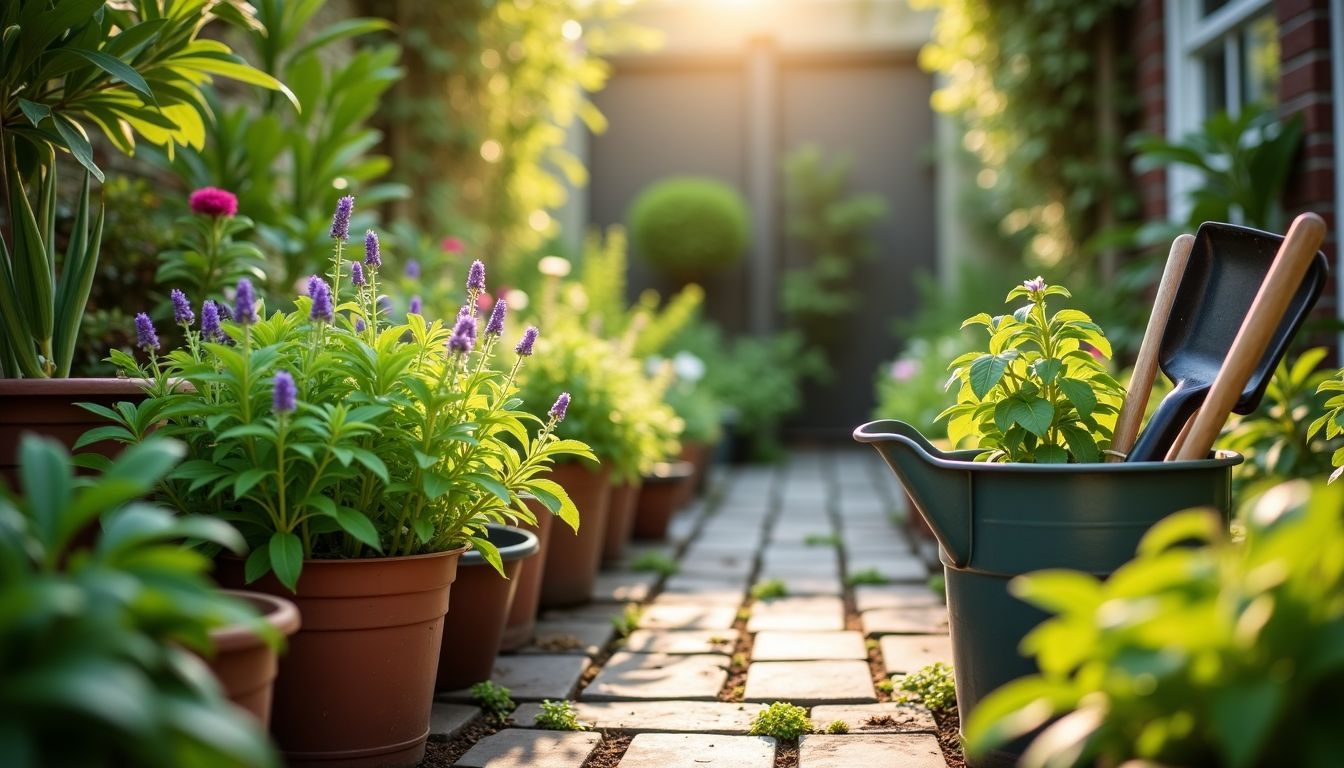
practical considerations for garden planning 320445622

Think about how much space you have. Also, consider how much time you can spend taking care of your garden of love.

Space requirements

Space matters when planning your garden. Orchids need room to grow and must be spaced apart for air flow. This prevents disease. Desert plants, like cacti, require even more space due to their wide roots.

Roses can grow tall and spread out. A White Kousa Dogwood Tree reaches 15-25 feet in height and needs full to partial shade with moist soil. Allow enough space for the roses’ roots to spread without crowding other plants…leading us to Maintenance Needs!

Maintenance needs

Maintaining your garden of love requires consistent effort. Desert plants need less water and care. They thrive in arid climates with little rainfall. Opt for drought-resistant plants like cacti and succulents to save on water bills.

Roses, though beautiful, demand attention. You must prune them regularly and watch for diseases. Look for disease-resistant varieties to reduce work. Orchids need specific humidity levels, so consider indoor options if you live in a dry area.

Wildflowers are low-maintenance but can spread quickly; regular trimming helps manage growth.

Sign up for our weekly newsletter to get more gardening tips!

Aesthetic Factors in Choosing Your Garden Theme
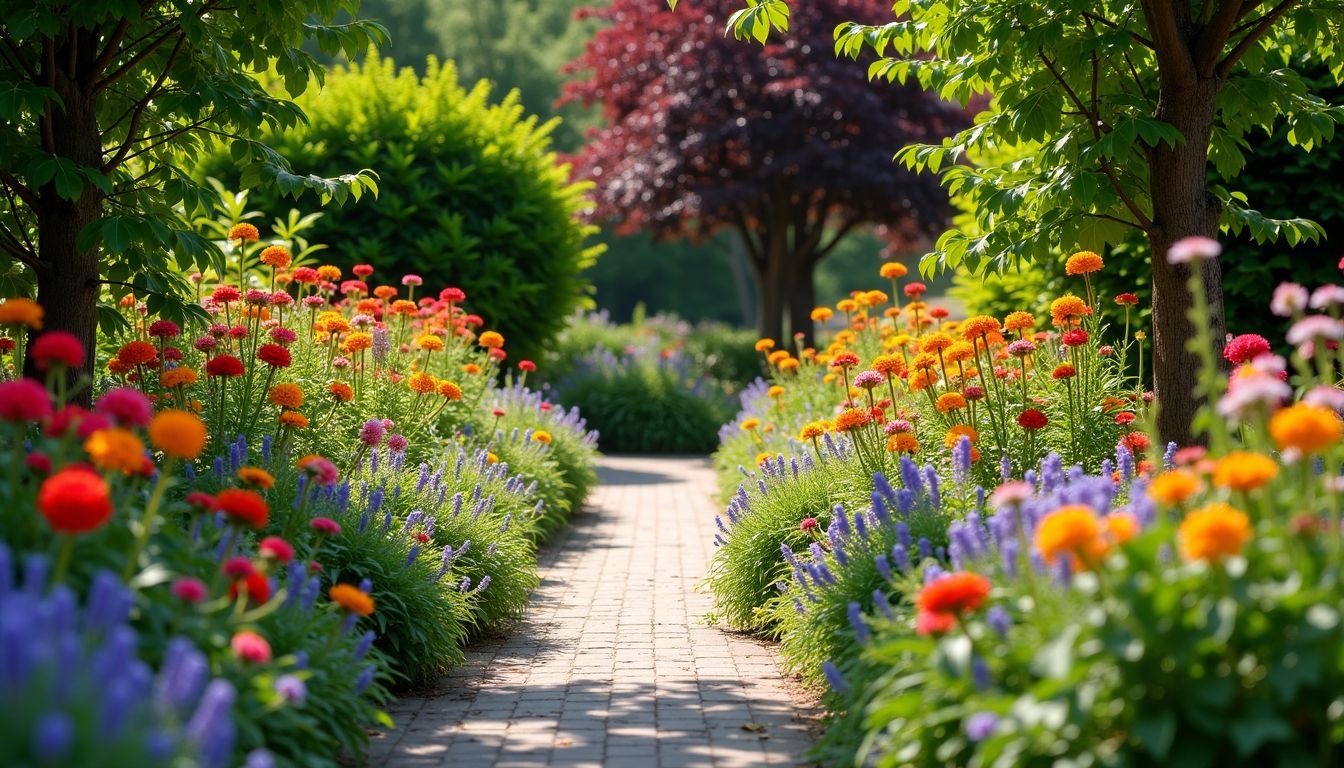
aesthetic factors in choosing your garden theme 320445354

Think about the colors you want in your garden of love. Will they look good all year round or only in certain seasons?

Color themes and visual impact

Color themes can make your garden look stunning. For a bright and cheerful feel, choose plants like the Center Stage® Pink Crape Myrtle. It blooms in the summer and grows 6-12 feet tall.

It thrives in zones 6-10 with full sun.

For a tropical vibe, try Luscious® Citrus Blend™ Lantana. This plant blooms from late spring to frost and reaches 2-6 feet tall. It’s perfect for zones 9-11 with full sun. Mixing different colors can create an eye-catching display that changes with the seasons.


Seasonal considerations

Considering the colors for your garden is just the start… Next, think about seasonal changes. Prairie Winds® ‘Blue Paradise’ Little Bluestem and Pink Muhly Grass are great choices.

Both bloom from late summer to fall.

Prairie Winds® ‘Blue Paradise’ grows 2-4 feet tall in zones 3-9 with full sun. Pink Muhly Grass reaches 2-3 feet high in zones 6-9 and needs full or partial sun. These plants add color when other blooms fade, making them perfect for fall landscaping.

Conclusion
conclusion 320445593

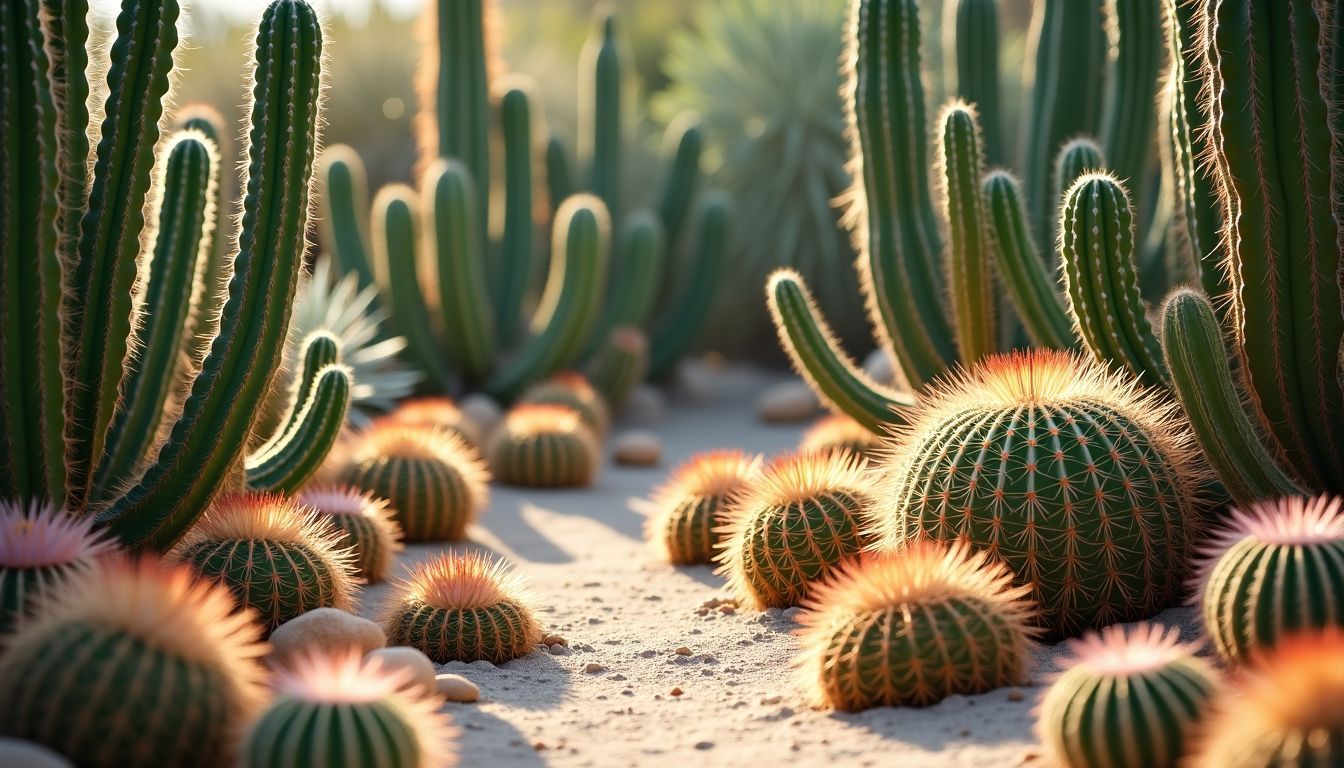
Choosing the right theme for your garden of love can be fun. Think about your climate and soil first. Orchids offer exotic looks, while desert plants need little water. Roses bring timeless beauty, and wildflowers add charm with less care.

Pick what suits your space and style… Happy gardening!

FAQs

1. How do I choose the right theme for my garden of love?

To pick the ideal theme, consider your local climate and soil type. If you live in a dry area, desert plants work well. For cooler climates, roses or wildflowers might be better.

2. What are the benefits of having orchids in my garden of love?

Orchids add exotic beauty and can thrive indoors and outdoors with proper care. They require specific humidity levels but reward you with stunning blooms.

3. Are desert plants hard to maintain?

Desert plants are low-maintenance and perfect for hot, dry climates. They need minimal watering and can withstand harsh sunlight—ideal if you want an easy-care garden.

4. Why should I consider planting wildflowers?

Wildflowers attract pollinators like bees and butterflies, enhancing biodiversity in your garden of love. They’re also resilient and often easier to grow than more delicate flowers like roses or orchids.
How to Pick the Ideal Theme for Your Garden of love generated pin 15107 1
pinit fg en round red 32
Shopping Basket