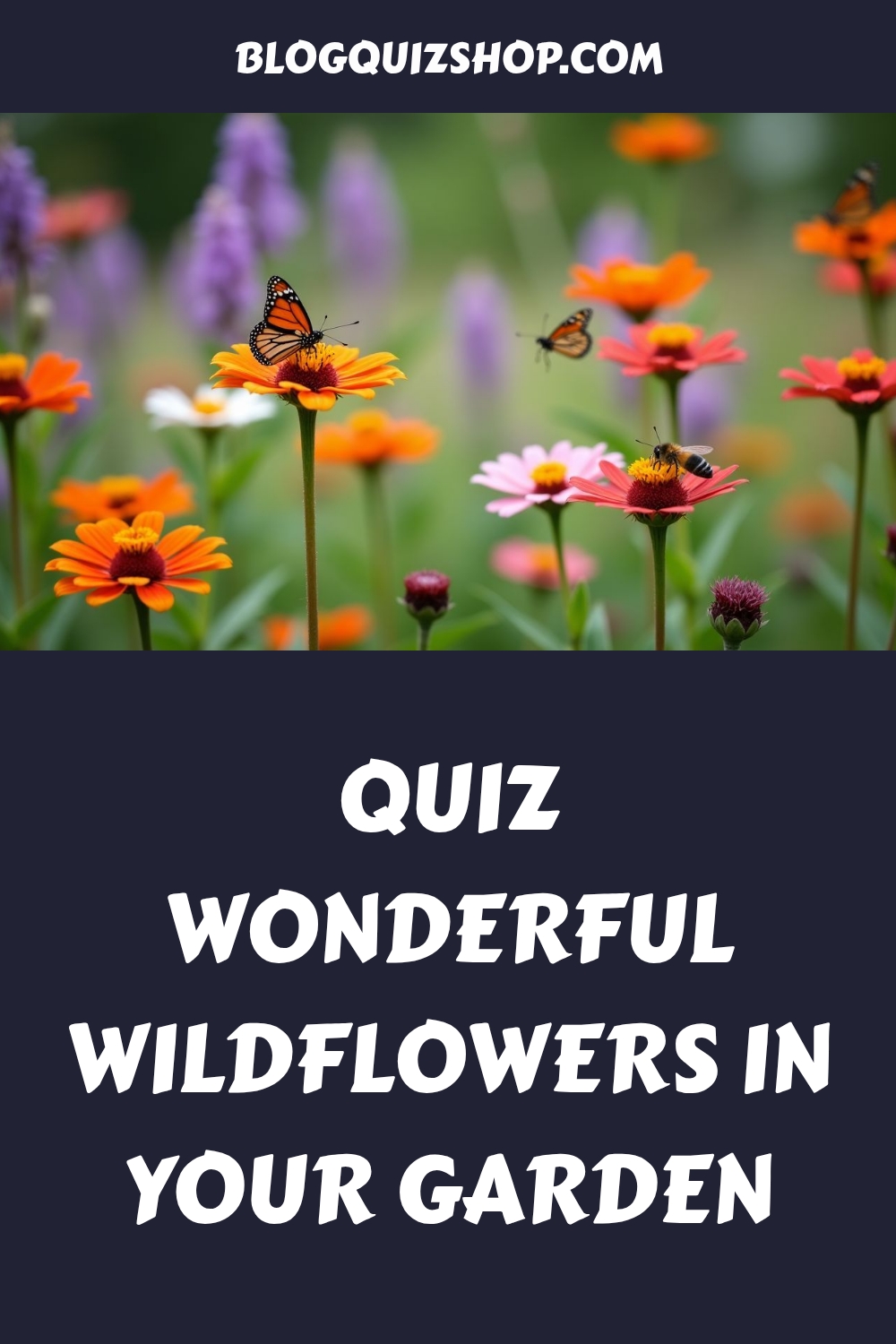
Wonderful Wildflowers in Your Garden play a crucial role in creating sustainable, self-sufficient landscapes by improving soil health, increasing ecosystem resilience, and reducing garden maintenance. These mechanisms contribute to a more robust and lower-effort gardening approach.
Improving Soil Structure and Water Retention
Wildflowers possess deep root systems that significantly enhance soil health. As these roots grow, they break up compacted soil, improving its structure and aeration. This process facilitates better water infiltration and retention, allowing the soil to absorb and hold moisture more effectively, which is crucial for plant growth and drought resistance. The network of roots also binds soil particles together, acting as a natural preventative measure against erosion from wind and water.
- Root Penetration: Deep roots create channels in the soil, improving drainage and air circulation.
- Organic Matter: As plants die and decompose, they contribute organic matter to the soil, further enriching its fertility and microbial life.
- Carbon Sequestration: Wildflowers capture carbon dioxide from the atmosphere and store it in the soil through their root systems, reducing greenhouse gases and enhancing soil health.
Enhancing Ecosystem Resilience
Plant diversity in wildflower meadows is a key factor in enhancing resilience against pests, diseases, and climate stress. A diverse array of species creates a balanced ecosystem where natural predators can thrive, keeping pest populations in check without the need for chemical intervention. Different plants also have varying resistances to diseases and environmental stressors, meaning that if one species struggles, others can compensate, maintaining the overall health and stability of the ecosystem.
- Natural Pest Control: Diverse plantings attract beneficial insects that prey on common garden pests, reducing reliance on pesticides.
- Disease Resistance: A greater variety of plants makes the ecosystem less susceptible to widespread outbreaks of specific diseases that might target monoculture plantings.
- Climate Adaptation: Different species possess varying tolerance levels to drought, heat, or cold, allowing the meadow to better withstand unpredictable climate changes.
- Resource Sharing: Interconnected ecosystems, often facilitated by soil fungi, allow plants to share resources, boosting collective health.
Practical Benefits of Reduced Maintenance and Cost
Establishing Wonderful Wildflowers in Your Garden offers significant practical benefits in terms of reduced garden maintenance and cost. Once established, wildflower areas require considerably less intervention compared to traditional lawns or ornamental beds. This translates into fewer hours spent on gardening tasks and reduced expenses on water, fertilizers, and chemical treatments.
- Reduced Watering: Native wildflowers are adapted to local conditions and often possess deep roots, requiring less supplementary watering once established.
- Minimal Fertilizing: Most wildflowers thrive in low to moderate fertility soils and generally do not require external fertilizers.
- Pest Resistance: Their natural resilience and ability to attract beneficial insects reduce the need for costly pesticides.
- Lower Mowing Frequency: Wildflower meadows typically only require cutting once or twice a year, as opposed to weekly lawn mowing.
- Main Cut: After flowering in late summer.
- Optional Light Cut: In late winter or early spring.
- Cost Efficiency: Bulk seed options for wildflowers make them a cost-effective choice for covering larger areas, promoting sustainable gardening practices.


 Cart is empty