Cart is empty





TAKE THE QUIZ
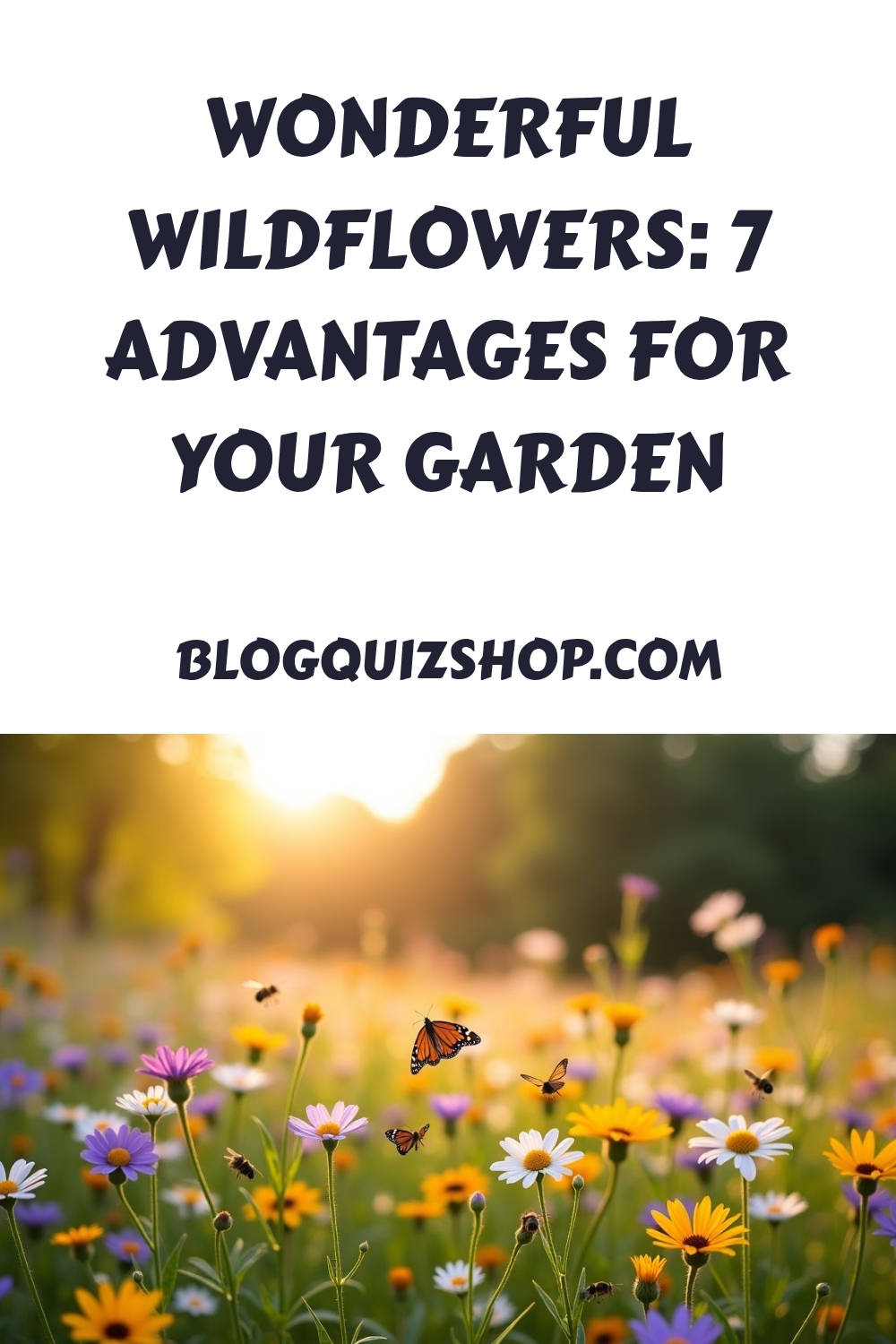
Wonderful Wildflowers or Natives
Growing wonderful wildflowers provides significant ecological benefits by supporting local wildlife and a diverse array of pollinators like bees and butterflies. These plants are highly valued for their low-maintenance nature, as native species are naturally adapted to local climates and require fewer resources like water and fertilizer.
Beyond their environmental impact, wonderful wildflowers improve soil health through deep root systems that prevent erosion and sequester carbon. Experts recommend selecting region-specific seeds and planting them in the fall to ensure successful germination and blooming. By choosing varieties with staggered bloom times, gardeners can maintain a vibrant landscape while providing a consistent food source for beneficial insects. Ultimately, incorporating these flowers into meadows or borders creates a sustainable and resilient ecosystem that enhances both environmental health and human well-being.
The Foundation: Defining Native Flora and Their Ecological Roles
Native plants are integral to healthy, self-sustaining ecosystems. Unlike non-native or invasive species, native plants have co-evolved with local wildlife, climate, and soil conditions over millennia. This deep historical connection makes them uniquely suited to support ecological balance.
Defining ‘Native’
- Native Plants: Species that occur naturally in a region without human introduction. They have evolved in a specific ecosystem and adapted to its environmental conditions.
- Non-Native Plants (Exotic/Introduced): Species brought into an area, intentionally or accidentally, from another geographic region. They may or may not cause harm.
- Invasive Species: A non-native species whose introduction causes or is likely to cause economic or environmental harm or harm to human health. They outcompete native plants, disrupt food webs, and alter ecosystems.
Ecological Interconnectedness
Native plants are foundational to a thriving ecosystem, supporting intricate relationships:
- Soil Health & Structure: Deep, varied root systems of native plants act as ‘structural rebar’ for soil, holding it together, preventing erosion, and pulling organic matter deep into the ground. This process enhances nutrient cycling and water retention.
- Water Cycles: Native plants are adapted to local rainfall patterns and often require less supplemental watering, making them inherently drought-tolerant. Their root systems improve water infiltration, reducing runoff.
- Carbon Sequestration: The extensive and diverse root depths of native plants are key for rapid and efficient carbon sequestration, contributing to global climate regulation.
- Biodiversity Support: They provide essential food, shelter, and breeding grounds for a wide array of local wildlife, including pollinators, birds, and small mammals. This creates a stable food web, increasing resilience against climate shifts and pest outbreaks.
Aesthetic and Dynamic Appeal
Native gardens offer a living, evolving aesthetic that goes beyond static color:
- Color and Motion: Unlike fixed flowerbeds, native gardens feature constant movement as plants dance in the wind and cycle through flowering and seeding stages. This dynamic quality creates a living film rather than a static painting.
- Seasonal Interest: The garden changes throughout the seasons, offering continuous visual interest and attracting diverse life forms, ensuring it never looks the same two hours in a row.
- Frenetic Activity: The presence of various insects, birds, and other wildlife adds a layer of vibrant activity, making the garden a richer, more engaging experience.
Mechanisms of Success: How Natives Boost Soil, Water, and Wildlife
Native plants drive ecological processes that build biodiversity and conserve resources. Understanding these mechanisms reveals how they create resilient, low-maintenance habitats.
Supporting Pollinator Populations
Native plants are vital for pollinators by providing specialized food and shelter:
- Food Sources (Nectar & Pollen): Flowers offer nectar for energy and pollen for protein, essential for insect survival and reproduction. Different flower shapes and bloom times cater to various pollinators.
- Host Plants: Specific native plants serve as host plants where caterpillars (larval stage) feed and develop. Without these hosts, many butterfly and moth species cannot complete their life cycles.
- Shelter & Nesting: Native plant structures, including hollow stems and undisturbed soil, provide critical nesting sites and refuge from predators and harsh weather.
- Mason Bees (Osmia spp.): These solitary, docile bees are highly efficient pollinators. Six Mason Bees can accomplish the pollination work of 300 honeybees due to their ‘messy’ technique. They belly-flop into flowers, getting pollen all over their bodies, which they then transfer directly to the next bloom. Mason Bees are cavity nesters, using existing tunnels, old plant stems, or specialized paper straws.
Improving Soil Structure & Water Cycles
Native plant roots are engineering marvels for soil and water management:
- Deep and Varied Root Systems: Unlike shallow turf grass, native plants have incredibly deep and diverse root structures. These roots break up compacted soil, creating channels for water and air.
- Erosion Control: The extensive root networks hold soil particles together, preventing erosion from wind and rain. This is crucial in sloped areas or during heavy precipitation.
- Water Infiltration & Retention: Deep roots allow rainwater to penetrate deeper into the soil, reducing surface runoff and replenishing groundwater. The increased organic matter pulled down by roots further enhances the soil’s water-holding capacity.
- Drought Tolerance: Because native plants are adapted to local climate conditions, they are inherently more drought-tolerant. Their efficient water uptake and storage mechanisms mean they require significantly less supplemental watering during dry spells.
Creating Successful Native Garden Designs
Effective native garden designs integrate ecological function with aesthetic appeal:
- Site Preparation: Begin by clearing existing vegetation (especially aggressive grasses) and loosening the top inch of soil. Native plants prefer low to moderate fertility, so reducing soil fertility (e.g., by skimming off rich topsoil or mixing in sand) is often beneficial for meadow establishment.
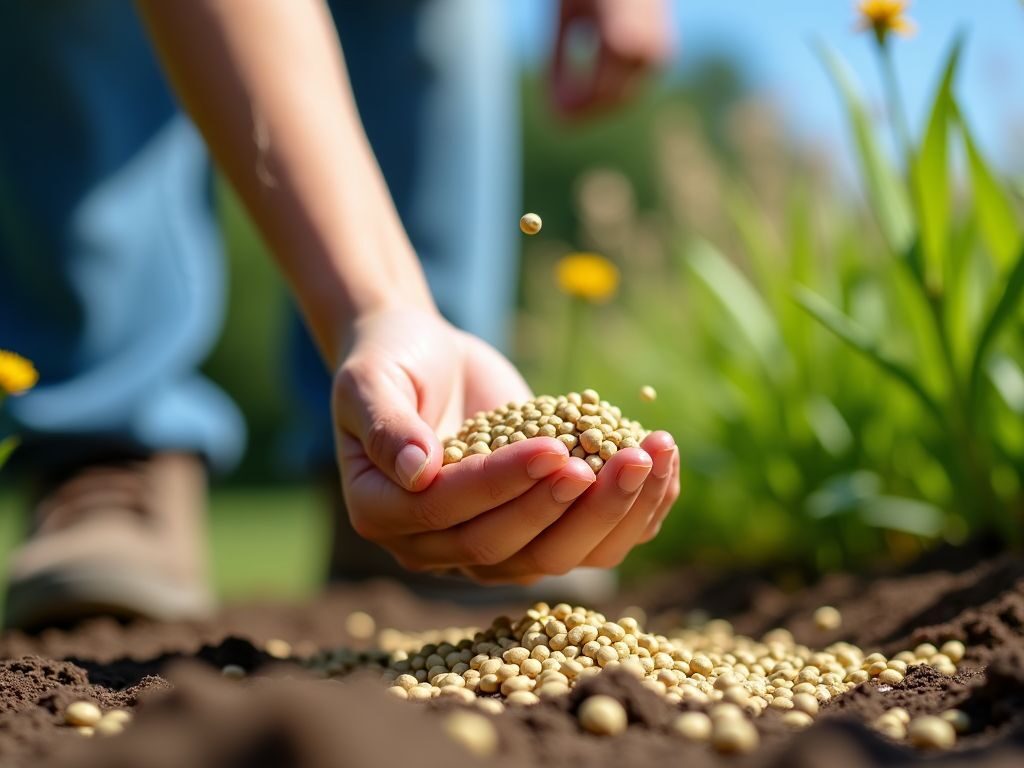
- Timing for Planting: Fall is the strategic time to plant wildflower seeds. They lie dormant through winter, experiencing natural cold, wet stratification, and then germinate in spring, gaining a head start on root development before summer heat.
- Avoid Overcrowding: Over-seeding leads to competition, where vigorous plants choke out delicate ones. Scatter seeds carefully to promote a diverse array of species.
- Seed-to-Soil Contact: Press seeds firmly into the soil without burying them deeply, as most native wildflower seeds need light to germinate.
- Maintenance: ‘Low maintenance’ does not mean ‘no maintenance.’ Native meadows require cutting once or twice a year, typically in late summer after flowering. Crucially, remove the hay after cutting to export nutrients from the soil, keeping it poor and suppressing aggressive grasses.
Real-World Transformations: Case Studies in Native Garden Design
This case study examines the practical implementation and benefits of converting a traditional lawn into a thriving native plant habitat, focusing on specific plant choices and their impacts.
Scenario: A Suburban Lawn Transformation
Initial State: A typical suburban backyard dominated by a turfgrass lawn, requiring weekly mowing, chemical fertilizers, pesticides, and significant irrigation during summer. Limited biodiversity, with few insects or birds observed.
Goal: Transform the lawn into an ecologically resilient, low-maintenance native garden that supports local wildlife and conserves resources.
Implementation Steps and Challenges
Site Preparation (Year 1, Fall):
- Challenge: Removing the aggressive turfgrass without chemicals.
- Solution: The ‘slow’ method involves introducing Yellow Rattle (Rhinanthus minor), a semi-parasitic wildflower that attaches to grass roots, drawing nutrients and weakening the grass over a few seasons. For smaller areas, sod removal (physically cutting and removing 2-3 inches of grass, roots, and everything) provides an immediate blank slate.
- Soil Adjustment: After removal, the soil was loosened, and the top nutrient-rich layer was skimmed off to reduce fertility, as native wildflowers prefer low-to-moderate nutrient conditions. Some sand was mixed in to further discourage nutrient-loving grasses.
Planting (Year 1, Late Fall):
- Challenge: Choosing the right plants and timing.
- Solution: Wildflower seeds were scattered after a couple of killing frosts to allow for natural cold stratification over winter. Seeds were pressed firmly into the soil surface rather than buried deeply, as many require light for germination.
- Plant Choices for Pollinator Support:
- Host Plants: Swamp Milkweed was planted for Monarch butterfly caterpillars, and the ‘quirky stem’ Passion Vine for Gulf Fritillary caterpillars. Gardeners accepted that visible caterpillar damage indicated breeding success.
- Nectar Sources: Fire Spike was chosen for its ability to attract hummingbirds, moths, and butterflies. Salt and Pepper Mint attracted bees and small marine-blue butterflies. Tropical Sage was selected as a high-quality, reliable nectar source for hummingbirds.
- Drought-Tolerant, Deep-Rooted Species: Yarrow and Viper Bugloss (a biennial that blooms spectacularly in its second year with deep blue/purple spikes) were included for tough, dry, sandy spots, leveraging their deep roots for soil improvement and drought resistance.
Outcomes and Lessons Learned
- Biodiversity Boom: Within two years, the garden became a hub of activity. Various bees (including Mason Bees nesting in provided bamboo tubes), butterflies, and hummingbirds frequented the plot. Birds were observed foraging for insects, stabilizing local food webs.
- Resource Conservation: Supplemental watering decreased significantly after the first year due to the native plants’ established root systems and drought tolerance. The need for fertilizers and pesticides was eliminated entirely.
- Low Long-Term Maintenance: After an initial intense effort for site preparation, weekly maintenance dropped to almost nothing. The garden became self-sustaining, requiring only annual autumn mowing (with hay removal) to prevent nutrient buildup and suppress aggressive species.
- Unexpected Benefits: The garden naturally sequestered carbon, as deep-rooted native plants pulled organic matter into the soil. The dynamic aesthetic of movement and seasonal changes far surpassed the static appeal of the old lawn. Human well-being improved, with residents reporting reduced stress and improved mood from being in the vibrant, thriving space.
Lesson Learned: Native gardening is not merely an aesthetic choice but an investment in ecological restoration. The ‘low maintenance’ claim is valid in the long term, but requires significant ‘front-loaded’ effort during establishment. This investment yields a resilient, biodiverse, and resource-efficient ecosystem.
The Educator’s Framework: Teaching Native Gardens Effectively
Designing native gardens effectively involves applying ecological principles through established frameworks. These mental models help integrate plant selection, interaction, and long-term sustainability, transforming gardens into living lessons.
1. The ‘Self-Cleaning Engine’ Vs. ‘Constant Fueling Machine’ Model
Model Overview: This model contrasts two approaches to garden management: building a self-sustaining system (native garden) versus maintaining a high-input system (traditional lawn/garden).
Mapping to Source Details:
- Self-Cleaning Engine: Native gardens, once established, become self-sustaining. They require intense upfront effort (site prep, initial planting) but then demand minimal ongoing maintenance (e.g., weekly watering, fertilizers). This is akin to front-loading work to ‘unlock long-term freedom.’
- Constant Fueling Machine: Traditional lawns and non-native gardens need continuous inputs like weekly mowing, endless watering, and regular applications of fertilizer and pesticides. This represents a constant expenditure of resources and labor.
Illustrative Examples:
- Native Garden: Wildflower beds that naturally cycle through seasons, resist pests due to balanced ecosystems, and require little irrigation once roots are deep. They maintain ecosystem services without external intervention.
- Traditional Lawn: A monoculture of turf grass that needs constant human intervention to stay green, weed-free, and pest-free.
2. The ‘Host vs. Nectar Source’ Framework for Pollinator Support
Model Overview: This framework highlights the critical distinction between plants that provide energy (nectar) for adult pollinators and those that sustain their larval stages (host plants).
Mapping to Source Details:
- Nectar Source: Flowers that adult pollinators (butterflies, bees, hummingbirds) feed from for energy (their ‘gas station’). Examples: Fire Spike, Salt and Pepper Mint, Tropical Sage.
- Host Plant: Specific plants that caterpillars (larvae) of butterflies and moths eat to grow and develop. Without these, the next generation cannot complete its life cycle. Examples: Swamp Milkweed for Monarchs, Passion Vine for Gulf Fritillaries.
Illustrative Examples: A garden solely filled with beautiful nectar-rich flowers might attract adult butterflies but fail to support their reproduction if essential host plants are absent. A successful design includes both, ensuring a complete life cycle.
3. The ‘Nutrient Export’ for Ecosystem Health Principle
Model Overview: This principle emphasizes that for some native plant communities (like meadows), periodic removal of organic material is essential to maintain low soil fertility, which suppresses aggressive, nutrient-loving species and supports desired native wildflowers.
Mapping to Source Details:
- Mechanism: After late summer mowing of a native meadow, the hay (cut plant material) must be removed. Leaving it would create a thick thatch layer and, more importantly, return nutrients to the soil.
- Benefit: Native wildflowers thrive in low-nutrient soil. Removing the hay ‘exports’ nutrients, keeping the soil poor and effectively suppressing competitive grasses and weeds.
Illustrative Examples: A gardener might initially think leaving cut grass as mulch is beneficial, but for a native wildflower meadow, this would lead to a dominance of aggressive, nutrient-hungry plants (like turf grass) over time, ultimately reducing biodiversity.
4. The ‘Dynamic Ecosystem’ vs. ‘Static Display’ Perspective
Model Overview: This model shifts the focus from viewing a garden as a static artwork to understanding it as a constantly evolving, living system full of movement and activity.
Mapping to Source Details:
- Dynamic Ecosystem: Native gardens are not just about fixed colors but also ‘color and motion.’ Plants move with the wind, cycle through flowering and seeding, and attract a ‘frenetic activity’ of insects and wildlife. The garden ‘never looks the same two hours in a row.’
- Static Display: Traditional flowerbeds are often designed for a fixed aesthetic, like a ‘static painting,’ primarily focusing on color without considering the movement of plants or the life they attract.
Illustrative Examples: Observing the continuous dance of wildflowers in the wind and the buzzing of bees and butterflies transforms the garden into a vibrant, engaging ‘living film’ rather than a mere backdrop. This dynamic element is central to the ‘ecological value proposition’ of native gardens.
Key Takeaways: Designing for Impact, Maintenance, and Learning
Designing and cultivating native gardens offers profound ecological benefits, leading to resilient landscapes and educational opportunities. This approach requires understanding key principles and practical steps.
Core Principles of Native Gardening
- Native Advantage: Native plants are distinct because they have co-evolved with local ecosystems, supporting soil health, water cycles, and carbon sequestration more effectively than non-natives.
- Dynamic Appeal: Native gardens offer both color and motion, changing with seasons and attracting diverse wildlife, creating a constantly evolving ‘living film’ rather than a static display.
Practical Design and Cultivation Strategies
- Site Preparation is Key: Clearing existing aggressive vegetation and reducing soil fertility are critical first steps. Native wildflowers prefer low-to-moderate nutrient soil.
- Grass Suppression: Use methods like Yellow Rattle (slow, semi-parasitic) or sod removal (fast for smaller areas) to eliminate aggressive grasses.
- Timing is Crucial: Fall planting for wildflowers is strategic. Seeds experience natural stratification over winter, leading to better germination and root development in spring.
- Planting Density: Avoid over-seeding; too many plants compete, leading to monocultures. Scatter seeds carefully.
- Seed Placement: Most wildflower seeds need light to germinate; press them firmly onto the soil surface, do not bury them deeply.
Plant Roles as Host and Nectar Sources:
- Host Plants: Essential for butterfly and moth reproduction (caterpillar food). Examples: Swamp Milkweed (Monarchs), Passion Vine (Gulf Fritillaries). Caterpillar damage indicates success.
- Nectar Sources: Provide energy for adult pollinators. Examples: Fire Spike, Salt and Pepper Mint, Tropical Sage.
Ecological Impact and Resilience
- Biodiversity Anchors: Native plants support a huge variety of life (pollinators, birds, small mammals), creating a stable food web and ecosystem resilience against climate shifts and pest outbreaks.
- Resource Conservation: Deep roots improve soil structure, reduce erosion, enhance water infiltration, and make plants drought-tolerant, significantly cutting down on water, fertilizer, and pesticide use.
- Carbon Sequestration: The varied root depths of native plants accelerate carbon sequestration, contributing to global health.
- Mason Bees: Six Mason Bees perform the pollination work of 300 honeybees due to their messy pollen collection technique. They are docile cavity nesters and do not damage wood structures.
- Nesting Habitat: Provide nesting boxes with paper straws or small-bore bamboo. Place away from porch lights to avoid exhausting activity.
Long-Term Maintenance and Educational Value
- Low Maintenance Curve: Native gardens require intense upfront effort but minimal ongoing maintenance once established. This is a ‘self-cleaning engine’ model.
- Annual Care: Mow meadows once or twice a year in late summer after flowering. Crucially, remove the hay after cutting to export nutrients and keep soil poor, which suppresses aggressive grasses.
- Human Well-being: Being in complex, dynamic, flower-rich native spaces reduces stress and improves mood.
- Investment in the Future: Native gardening is a vital mission of preservation and restoration, directly addressing climate distress and habitat loss. Every patch matters for stabilizing ecosystems.