Contact us: ww@blogquizshop.com


 Cart is empty
 Cycling for Fun And Fitness On 2 Wheels






Physical Fitness Benefits of Cycling for Fun

Cardiorespiratory Fitness Improvements
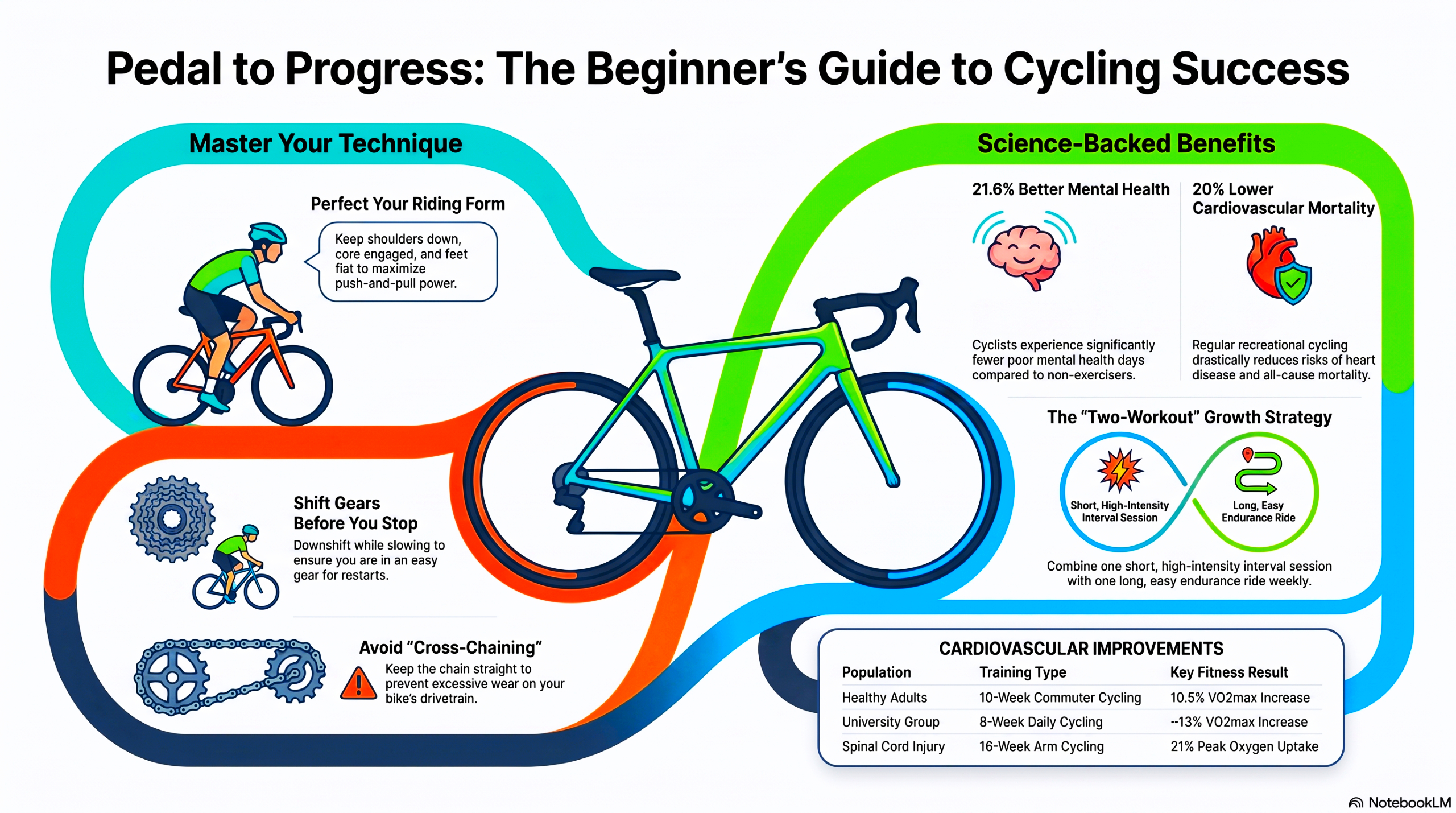
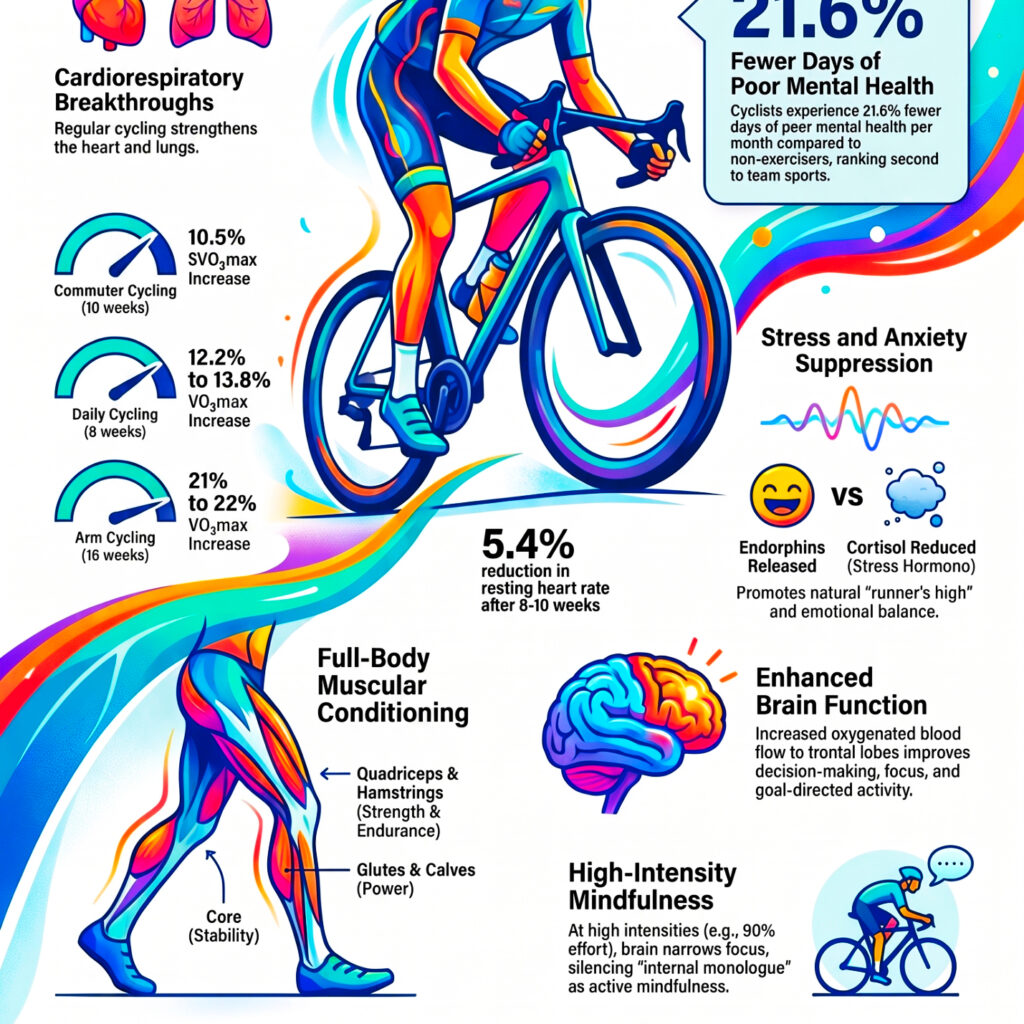
Intervention studies consistently demonstrate that cycling improves cardiovascular fitness in working-age adults. A 10-week commuter cycling intervention increased VO₂max by 10.5% and reduced resting heart rate by 5.4% in healthy adults. An 8-week active-travel cycling study reported VO₂max increases of 13.8% in males and 12.2% in females. A 7-day bicycle touring intervention covering 480 km significantly increased cardiorespiratory fitness in healthy individuals.
| Population | Intervention | Key CRF Outcome | |
|---|---|---|---|
| Healthy adults | 10-wk commuter cycling | VO₂max ↑ 10.5%, HRrest ↓ 5.4% | |
| University community | 8-wk daily cycling | VO₂max ↑ 13.8% (M), 12.2% (F) | |
| Healthy individuals | 7-day, 480 km touring | CRF significantly improved (p=0.016) | |
| Recreational cyclist | 8-month Tour de France prep | VO₂max ↑ from 43.9 to 54.5 mL·kg⁻¹·min⁻¹ | |
| Spinal cord injury | 16-wk arm cycling | VO₂peak ↑ 21–22% |
Cycling helps improve heart health by keeping the cardiovascular system active. It strengthens muscles while boosting endurance for everyday activities.
Improved cardiovascular health
Cycling for fun strengthens the heart and improves overall cardiovascular health. This low-impact exercise increases heart rate, boosts blood circulation, and enhances oxygen delivery throughout the body.
Regular outdoor cycling lowers the risk of coronary heart disease and reduces hypertension over time.
Studies show that consistent bicycle workouts decrease mortality risks from all causes. Cycling for fun can also help prevent conditions like type 2 diabetes by improving glucose regulation in the bloodstream.
Enhanced muscle strength from road cycling complements heart efficiency while promoting endurance.
Indoor cycling alone enhances aerobic capacity, and when combined with diet, improves lipid profile, body weight, and blood pressure. Electrically assisted cycling provides moderate-intensity physical activity that can improve cardiorespiratory fitness in physically inactive individuals, offering a viable alternative to conventional cycling.
Even adaptive cycling modalities — including handcycling, tricycles, and tandems — yield significant improvements in peak oxygen uptake, aerobic capacity, and muscular strength in individuals with disabilities
Enhanced muscle strength and endurance
Body Composition and Muscular Adaptations
Cycling training is associated with reductions in body fat and improvements in lean mass across multiple populations. A 7-day bicycle touring intervention significantly reduced fat mass and increased lean mass in healthy individuals. In amateur male cyclists aged 40–60, annual training volume was associated with decreased body weight, BMI, and body fat percentage, particularly in abdominal skinfolds. Trained endurance cyclists exhibit significantly lower body fat percentage and higher lean mass than recreational cyclists, with cycling experience negatively correlated with body fat.
- HIIT cycling outperforms moderate-intensity continuous training for VO₂peak improvement in obese and sedentary populations.
- Arm cycling in spinal cord injury reduced total body fat by 6% while increasing peak power by 307% over 16 weeks.
- Professional cyclists show lower fat mass and higher muscle mass than juniors, though no consistent strength differences appear across categories.
- An 8-month endurance training program in a recreational cyclist produced neuromuscular adaptations including 21% grip strength gain and 9.7% vertical jump improvement
Aerobic exercise like cycling improves cardiovascular health and builds muscle strength. Pedaling strengthens the legs, hips, and buttocks by working muscles against resistance. Each push of the pedals engages hamstrings, quadriceps, calves, and glutes.
Cycling for Fun Weight management and fat loss
Body Composition and Muscular Adaptations
Cycling training is associated with reductions in body fat and improvements in lean mass across multiple populations. A 7-day bicycle touring intervention significantly reduced fat mass and increased lean mass in healthy individuals. In amateur male cyclists aged 40–60, annual training volume was associated with decreased body weight, BMI, and body fat percentage, particularly in abdominal skinfolds.
Trained endurance cyclists exhibit significantly lower body fat percentage and higher lean mass than recreational cyclists, with cycling experience negatively correlated with body fat.
- HIIT cycling outperforms moderate-intensity continuous training for VO₂peak improvement in obese and sedentary populations.
- Arm cycling in spinal cord injury reduced total body fat by 6% while increasing peak power by 307% over 16 weeks.
- Professional cyclists show lower fat mass and higher muscle mass than juniors, though no consistent strength differences appear across categories.
- An 8-month endurance training program in a recreational cyclist produced neuromuscular adaptations including 21% grip strength gain and 9.7% vertical jump improvement
Cycling regularly at a high intensity can lower body fat levels and boost metabolism. It is a low-impact aerobic exercise that burns calories while reducing belly fat. Engaging in cycling for fun helps target fatty tissue without overstraining joints, making it ideal for weight loss efforts.
Daily bike rides also help manage conditions like obesity, type 2 diabetes, and heart disease. A consistent cycling habit increases calorie burn and improves the body’s basal metabolic rate (BMR).
According to experts, this supports sustainable weight management combined with healthier eating habits.
Cycling for fun provides an efficient way to lose weight while boosting overall health.
Mental Health Benefits of Cycling for Fun

Cycling for fun boosts brain health by promoting blood flow and oxygen delivery. It supports stress relief through physical activity and focus.
Reduced stress and anxiety
Engaging in cycling regularly improves mental health by reducing stress and anxiety. This aerobic activity helps release endorphins, natural chemicals that promote feelings of happiness.
The rhythmic motion during bike rides encourages mindfulness, calming the mind and lowering anxiety levels effectively. Cycling fitness also stimulates brain cell growth in memory-related areas, enhancing cognitive clarity.
Physical activity like bicycling lowers cortisol levels, the hormone responsible for stress. Consistent riding supports better management of daily stressors while elevating mood naturally.
Group rides or family cycling trips add a social aspect that reduces loneliness and enhances emotional well-being.
Boosted mood and mental clarity
Cycling for fun increases endorphin levels, leading to improved mood and a euphoric feeling similar to a “runner’s high.” Short morning rides elevate energy and optimism for the rest of the day.
Regular bike riding lowers stress hormones, promoting relaxation and emotional balance.
Biking improves blood flow to the brain, delivering more oxygen and nutrients. This process supports better focus, memory, and decision-making skills. Cycling also reduces symptoms of anxiety while enhancing overall mental clarity.
Ways to Incorporate Cycling for Fun into Your Routine

Bring excitement to your rides by trying new bike trails with beautiful views. Join others for group rides to make cycling more social and motivating.
Group rides and social cycling for fun
Group rides improve cycling skills like drafting and signaling. Cyclists learn to communicate hazards, such as debris or rough roads, with quick hand signals. Time-crunched athletes often join local group rides for training and social connection.
These rides foster friendships while boosting fitness through biking.
Safety remains a priority in group settings. Riders follow etiquette by alerting others to obstacles and maintaining steady speed. Social cycling builds community bonds while promoting healthy cycling habits.
It also supports motivation for beginners learning road bikes or hybrid bikes basics.
Interval training and endurance rides

Advanced cyclists boost endurance and strength through challenging rides.
Interval training pushes cyclists to alternate between high and low-intensity efforts. High-intensity interval training (HIT) improves endurance cycling by increasing peak oxygen uptake by 7% in just six sessions.
The LONG method uses 6-8 intervals of five minutes each, while the SHORT style offers faster bursts of 10, 20, or 40 seconds repeated 9-11 times. Both methods enhance performance and build strength for endurance rides.
The LONG HIT group showed a remarkable sprint power improvement of over 10%. They also cut their time on a five-kilometer run by one minute and four seconds. Endurance rides paired with HIT train muscle strength while improving stamina, preparing riders for mountain biking challenges.
Tips for Safe and Enjoyable Cycling for Fun

Ride with proper equipment and follow cycling safety rules to stay secure on the road. Explore expert tips to make your rides fun and worry-free!
Choosing the right gear and bike
A properly fitting helmet is essential for safety, while padded shorts help reduce discomfort during long rides. Cyclists should invest in reliable cycling gear like gloves, lights, and water bottles to enhance riding efficiency and comfort.
Selecting a bike depends on goals and terrain. Road bikes are perfect for speed and paved surfaces. Mountain bikes suit rugged trails, while hybrid or commuter bikes fit urban travel.
E-bikes provide assistance for longer commutes or hilly areas, making them a versatile choice.
Practicing safe cycling habits
Cyclists should wear a properly fitted helmet every time they ride. Helmets lower the risk of head injuries during accidents. Bright clothing and reflective gear help other road users spot cyclists, especially in dim light or at night.
Lights on bicycles further improve visibility, keeping riders safer from potential collisions.
Maintaining the bike regularly ensures it stays safe to use. Checking tire pressure and brakes before riding prevents mechanical issues mid-route. Riders commuting by bike or using advanced cycling techniques should always inspect their gear for wear and tear.
Remember cycling for fun, must be fun!
Conclusion

Cycling for fun, offers fitness, and countless health benefits. It improves heart health, builds muscle strength, and helps with weight management. Riding also boosts mental clarity while reducing stress and anxiety.
Safe practices like wearing helmets and maintaining bikes make it enjoyable for all ages. Start riding today to enjoy better health and a greener planet!
FAQs
1. What are the benefits of cycling for beginners?
Cycling improves fitness, aids weight loss, and boosts overall health. It strengthens muscles, enhances bone cell growth, and supports wound healing through better blood flow.
2. How can I stay safe while bike riding?
Practice safe cycling by wearing proper gear like helmets and reflective clothing. Follow road rules, maintain your bicycle regularly, and avoid dehydration by rehydrating during long rides.
3. Can cycling for fun help with weight loss or muscle growth?
Yes! Cycling burns calories and promotes fat loss while building leg strength. Pair it with a balanced diet rich in complex carbohydrates, potassium-rich foods like bananas, and whole foods to fuel glycogen stores.
4. What types of bikes are good for different activities?
For leisure rides, try cruiser bikes or folding bikes for convenience. Gravel bikes work well on mixed terrain; electric bikes offer extra support; competitive cyclists might prefer road racing or BMX models.
5. How does nutrition impact performance in group or solo bike rides?
Proper sports nutrition is key to endurance and recovery. Include macro elements like calcium for bone strength and magnesium to prevent cramping. Avoid fad diets that lack essential minerals needed for energy balance.
6. Why is bicycle maintenance important for fitness goals?
Regular maintenance keeps your bike efficient and safe to ride—essential for long-term fitness progress whether you enjoy time trials, cyclocross challenges, or casual eco-friendly biking adventures!
-

Fatherhood Cotton T-Shirt
Price range: $ 24.00 through $ 26.00 Select options This product has multiple variants. The options may be chosen on the product page -
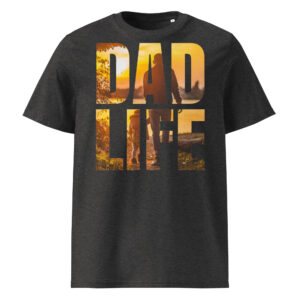
Dad Life Cotton T-Shirt
Price range: $ 24.00 through $ 26.00 Select options This product has multiple variants. The options may be chosen on the product page -

Fatherhood T-Shirt
Price range: $ 26.00 through $ 28.00 Select options This product has multiple variants. The options may be chosen on the product page -
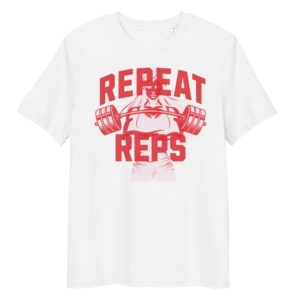
Women Repeat Reps T-Shirt
Price range: $ 26.00 through $ 28.00 Select options This product has multiple variants. The options may be chosen on the product page -

Men Repeat Reps T-Shirt
Price range: $ 26.00 through $ 28.00 Select options This product has multiple variants. The options may be chosen on the product page -
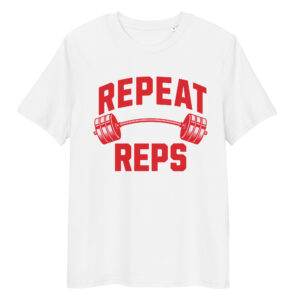
Repeat Reps T-Shirt
Price range: $ 26.00 through $ 28.00 Select options This product has multiple variants. The options may be chosen on the product page -
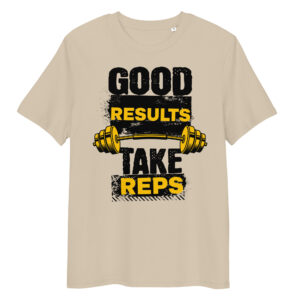
Fitness Reps Unisex T-Shirt
Price range: $ 26.00 through $ 28.00 Select options This product has multiple variants. The options may be chosen on the product page -
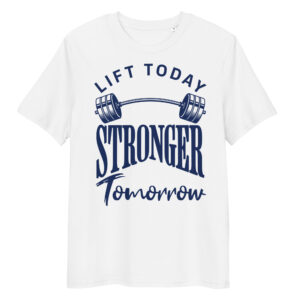
Stronger Tomorrow T-Shirt
Price range: $ 26.00 through $ 28.00 Select options This product has multiple variants. The options may be chosen on the product page -
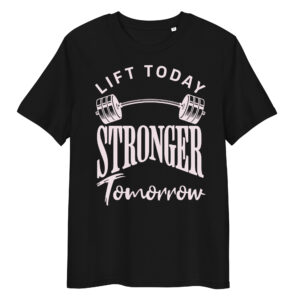
Lift Weights Today T-Shirt
Price range: $ 26.00 through $ 28.00 Select options This product has multiple variants. The options may be chosen on the product page -
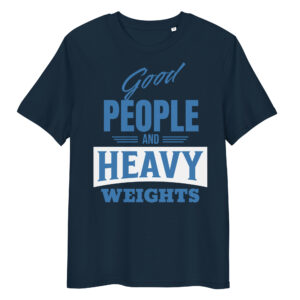
Heavy Weights T-Shirt
Price range: $ 26.00 through $ 28.00 Select options This product has multiple variants. The options may be chosen on the product page -
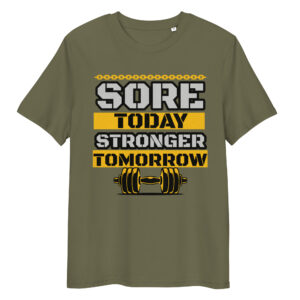
Wonder Weights T-Shirt
Price range: $ 26.00 through $ 28.00 Select options This product has multiple variants. The options may be chosen on the product page -

Italian Wines Live T-Shirt
Price range: $ 25.50 through $ 27.50 Select options This product has multiple variants. The options may be chosen on the product page -

Wines of Italy T-Shirt
Price range: $ 25.50 through $ 27.50 Select options This product has multiple variants. The options may be chosen on the product page -

Love Italian Wines T-Shirt
Price range: $ 25.50 through $ 27.50 Select options This product has multiple variants. The options may be chosen on the product page -

DOCG Wines T-Shirt
Price range: $ 25.50 through $ 27.50 Select options This product has multiple variants. The options may be chosen on the product page -

DOCG Italian T-Shirt
Price range: $ 25.50 through $ 27.50 Select options This product has multiple variants. The options may be chosen on the product page