Contact us: ww@blogquizshop.com

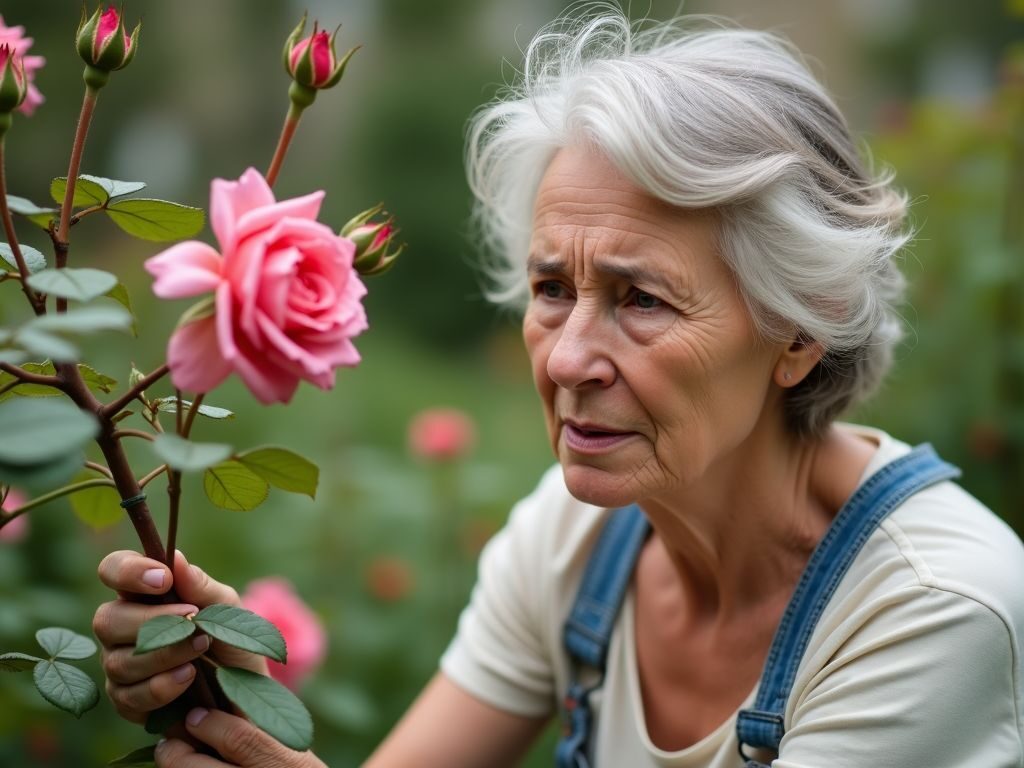
drawbacks of rose gardening 320452221

QUIZ How to Design a Garden

We all dream of creating a beautiful garden, a personal slice of paradise just outside our door. But the sheer volume of conventional gardening advice can be overwhelming, leaving us with a list of “rules” that don’t always deliver the results we hope for. What if I told you that some of the most profound secrets to a thriving garden are actually counter-intuitive?

Get ready to challenge some long-held assumptions. These aren’t just clever hacks; they’re windows into the intricate web of design, ecology, and climate that governs every successful, beautiful garden. We’re about to uncover six surprising truths, grounded in expert advice, that will change how you see your garden transforming it into a space that’s more resilient, more beautiful, and far more in tune with nature.

Take the QUIZ Click Below

Study Notes – QUIZ How to Design a Beautiful Garden

Essential Garden Foundations: Climate, Soil, and Light

Understanding the environmental forces that influence a garden is fundamental to successful plant cultivation. This includes climate, soil composition, and sunlight exposure.

Climate Indicators and Hardiness Zones

Climate involves factors like temperature ranges, rainfall, and seasonal changes. Gardeners use plant hardiness zones to identify which plants can survive winter temperatures in a specific location. The USDA Plant Hardiness Zone Map divides North America into 13 zones based on average annual extreme minimum winter temperatures.

  • USDA Zones: Each zone represents a 10°F range, indicating the coldest temperatures a plant can endure.
  • Local Weather Patterns: Beyond zones, consider local microclimates, typical precipitation, and summer heat intensity to select truly compatible plants.
  • Examples: Agave thrives in Zones 5-11 (tolerates colder winter lows), while Aloe prefers Zones 7-12 (needs milder winters).

Soil Types and Plant Health

Soil is more than just dirt; its composition dictates water retention, nutrient availability, and root aeration, profoundly impacting plant health. Understanding your soil type is critical for amending it correctly and selecting appropriate plants.

  • Sandy Soil: Drains quickly, warms fast, but struggles to retain water and nutrients. Benefits from organic matter to improve water and nutrient holding capacity.
  • Clay Soil: Dense, holds water well, rich in nutrients, but can become compacted and impede drainage and root growth. Organic matter helps break up compaction and improves aeration.
  • Loamy Soil: The ideal mix, balancing sand, silt, and clay. Offers good drainage, water retention, aeration, and nutrient availability. Most plants thrive in loamy soil.
  • Testing Soil: Dig a small hole and observe water absorption for drainage. Home kits or extension services can analyze nutrient levels and pH.

The Role of Sunlight Exposure

Sunlight is the energy source for plants through photosynthesis. Proper light exposure is non-negotiable for plant growth, flowering, and overall vitality. Plants are categorized by their light requirements.

  • Full Sun: Requires at least six hours of direct sunlight per day. Many flowering plants, vegetables, and roses thrive in full sun, leading to robust growth and abundant blooms.
  • Partial Shade: Needs 3-6 hours of direct sun, often protected from intense afternoon sun. Ideal for plants that can tolerate some sun but prefer cooler conditions.
  • Full Shade: Requires less than 3 hours of direct sun, or dappled light all day. Suited for understory plants and those sensitive to direct sunlight.
  • Plant Selection: Mismatching a plant’s light needs with the garden’s exposure leads to stunted growth, poor flowering, or plant death. Always assess the sun patterns in your garden throughout the day and across seasons.

Plant Profiles: Orchids, Desert Flora, Roses, and Wildflowers

The botanical world offers a vast array of flora, each with unique characteristics and environmental needs. Exploring diverse plant types like orchids, desert plants, roses, and wildflowers enriches our understanding of horticulture and ecological balance and the design of a beautiful garden.

Orchids: Elegant and Exquisite

Orchids are renowned for their exotic beauty and delicate appearance. They represent a significant portion of the flowering plant kingdom, with diverse forms and habitats, from epiphytic (growing on other plants) to terrestrial (growing in soil). Cultivating orchids often requires precise environmental control due to their specific needs.

  • Growing Requirements:
    • Light: Bright, indirect light is preferred; direct sun can scorch leaves.
    • Temperature: Thrive in mild climates, typically 60°F to 80°F (15°C-27°C).
    • Humidity: High humidity is crucial for most varieties; often grown indoors or in specialized outdoor environments.
    • Watering: Roots need to dry slightly between waterings; overwatering causes root rot. Well-draining mediums like bark or sphagnum moss are essential.
  • Aesthetic Contributions: Orchids add a touch of elegance, sophistication, and a focal point with their intricate blooms. They are excellent for creating a luxurious or tropical ambiance.

Desert Plants: Resilient and Resourceful

Desert plants, or xerophytes, are masters of survival in arid environments. They possess unique adaptations to conserve water and withstand extreme temperatures, making them excellent choices for drought-tolerant landscapes.

  • Advantages for Arid Environments:
    • Water Conservation: Adaptations include succulent leaves/stems (e.g., cacti, aloes) for water storage, thick waxy cuticles, deep root systems, or small leaves to reduce transpiration.
    • Hardiness: Tolerate harsh sunlight, high temperatures, and poor soils.
    • Low Maintenance: Generally require minimal watering and care once established.
  • Characteristics: Often feature striking architectural forms, spiny textures, and muted color palettes, providing unique aesthetic appeal in a garden. Examples include cacti, agaves, yuccas, and many succulents.

Roses: Classic Beauty and Symbolism

Roses are among the most culturally significant and horticulturally versatile flowers, cherished for centuries for their beauty, fragrance, and rich symbolism. They have evolved into thousands of cultivars, offering options for various beautiful garden styles and climates.

  • Cultivation Needs:
    • Sunlight: Require at least six hours of direct sunlight daily for optimal growth and flowering.
    • Soil: Prefer well-draining, fertile soil (loamy or clay-loam) with consistent moisture.
    • Pruning & Care: Regular pruning is necessary for shape, health, and bloom production. Vigilance against pests and diseases is also important.
    • Disease Resistance: Selecting disease-resistant varieties reduces maintenance and chemical use.
  • Symbolic Significance: Roses are universal symbols of love, passion (red), purity (white), admiration (pink), and remembrance. Their distinct fragrance is prized in perfumery and aromatherapy for its complex chemical profile and mood-influencing properties.

Wildflowers: Ecological Wonders

Wildflowers are flowering plants that grow in the wild without human intervention, often native to a specific region. They are crucial for ecological health, supporting biodiversity, and creating natural, dynamic landscapes.

  • Ecological Benefits:
    • Pollinator Support: Provide essential nectar and pollen for bees, butterflies, moths, and other pollinators, critical for the reproduction of many plants (including crops).
    • Biodiversity: Create habitats and food sources for a wide array of insects, birds, and small mammals, enriching local ecosystems.
    • Soil Health & Erosion Control: Diverse root systems improve soil structure, increase water infiltration, and prevent erosion.
    • Low Maintenance: Once established, native wildflowers typically require less watering, fertilizer, and pesticides compared to traditional lawns or cultivated gardens.
  • Visual Appeal: Offer a relaxed, informal, and ever-changing display of colors and textures throughout the seasons, contributing to a romantic and natural garden aesthetic.

Case Study: Crafting a Rose and Wildflower Garden

Designing your ideal beautiful garden involves a thoughtful synthesis of environmental factors, plant characteristics, and personal aesthetic preferences. This case study explores how to move from conceptual themes to a cohesive, thriving garden design.

Scenario: Designing a ‘Romantic Rose & Wildflower Garden’

Imagine a gardener with a strong interest in both formal rose arrangements and naturalistic wildflower meadows. The goal is to create a ‘Romantic Rose & Wildflower Garden’ that combines the elegance of roses with the ecological benefits and informal beauty of wildflowers.

Step 1: Formulating Garden Theme Outlines

Objective: Develop a specific theme that considers climate, soil, maintenance preferences, and aesthetic vision.

  • Analysis: The gardener’s interest in roses suggests a preference for some structure and dedicated care, while wildflowers indicate a desire for a relaxed, natural feel and support for pollinators. The theme must integrate both.
  • Decision: A ‘Romantic Rose & Wildflower Garden’ theme is chosen. This blend allows structured rose beds as focal points, complemented by drifts of wildflowers for softer edges and ecosystem support. It suits a gardener willing to engage in pruning and pest management for roses, but also appreciates low-input, native plantings.
  • Key Questions for Theme Formulation:
    • Do I prefer a formal or a relaxed, natural look (symmetry, structure vs. meadowy, self-sown)?
    • What is my rough climate/zone, garden size, and monthly maintenance commitment?
    • Which plant types (orchids, desert, roses, wildflowers) truly appeal to me given these constraints?

Step 2: Evaluating Plant Suitability for Themes and Conditions

Objective: Select specific plant types that align with the ‘Romantic Rose & Wildflower Garden’ theme and thrive in the specific climate and soil conditions.

  • Analysis: The theme requires plants that can co-exist and contribute to both aesthetics and ecology. Understanding the garden’s climate (e.g., temperate, moderate rainfall) and soil type (e.g., loam, improved clay-loam) is critical.
  • Considerations:
    • Roses: Need full sun (6+ hours), well-draining, fertile soil. Choose disease-resistant varieties. Their structured growth provides anchor points.
    • Wildflowers: Adaptable, but select native species tailored to the specific sun (full/part sun), moisture (dry/wet), and soil of the site. They thrive with less intervention and support pollinators.
    • Mismatches: Orchids (often need controlled tropical environments) and desert plants (require hot, dry, low-water conditions) would be unsuitable as primary components for this temperate theme, though a single special orchid in a pot might work for personal enjoyment.
  • Strategy: Combine sun-loving roses in well-prepared beds with a diverse mix of native wildflowers in adjacent areas or as underplantings. This creates visual harmony and ecological function.

Step 3: Balancing Seasonal Color and Landscape Appeal

Objective: Develop a strategy to ensure continuous visual interest and color throughout the year, from early spring to late fall.

  • Analysis: Roses provide peak blooms in late spring and summer, often with repeat flowering. Wildflowers offer seasonal waves of color, often shifting from spring ephemerals to summer and fall blooms. The design should stagger bloom times.
  • Implementation:
    • Spring: Early-blooming native wildflowers and possibly early rose flushes.
    • Summer: Peak rose blooms, alongside a wide array of summer wildflowers and grasses (e.g., Center Stage® Pink Crape Myrtle for height, Luscious® Citrus Blend™ Lantana for continuous colour if climate allows).
    • Fall: Late-blooming wildflowers and ornamental grasses providing texture and seed heads (e.g., Prairie Winds® ‘Blue Paradise’ Little Bluestem, Pink Muhly Grass) ensure autumn interest even as rose blooms fade.
    • Winter: Focus on evergreen structure from shrubs, intriguing bark textures, and dormant seed heads for visual interest.

Step 4: Synthesizing into a Cohesive, Beautiful Garden. Design Plan

Objective: Integrate all knowledge into a practical, implementable garden design document.

  • Plan Components:
    • Layout Sketch: Define areas for structured rose beds versus informal wildflower drifts.
    • Plant List: Specific rose varieties (disease-resistant, suitable for climate), and a mix of native wildflower seeds/plants chosen for bloom time, height, and local suitability.
    • Soil Preparation Plan: Detail amendments needed (e.g., organic matter for loam/clay for roses, minimal intervention for native wildflower areas).
    • Maintenance Schedule: Pruning guidelines for roses, occasional mowing/cutting back for wildflower areas, watering strategies (e.g., drip irrigation for roses, less for established wildflowers).
    • Sunlight Mapping: Overlay a sun map to ensure all chosen plants receive appropriate light.
  • Outcome: The result can be a beautiful garden plan that respects environmental conditions, aligns with aesthetic preferences, and supports local ecosystems, creating a truly unique and thriving ‘Romantic Rose & Wildflower Garden’.

SHOP NOW ZAZZLE - CLICK BELOW

QUIZ How to Design a Garden generated pin 20092
pinit fg en round red 32
Shopping Basket