Contact us: ww@blogquizshop.com

TAKE THE QUIZ

cycling and fitness

Cycling and Fitness

The podcast explores how cycling serves as a versatile tool for enhancing both physical and mental well-being. It details the extensive health benefits of riding, such as improved cardiovascular function, increased muscle strength, and effective weight management through low-impact exercise. Beyond individual fitness, the podcast highlights the social and psychological advantages found in group excursions and nature-based trail rides that alleviate stress.

The guide offers practical advice on crucial safety equipment, bike upkeep, and advanced training techniques, such as high-intensity intervals, for those aiming for peak performance. Overall, it portrays cycling as an accessible, environmentally friendly lifestyle that promotes lasting health and social bonds. It can be said that cycling and fitness do go hand in hand.

Study Notes: Cycling and Fitness

The Science and Practice of Cycling and Fitness and Health

This document synthesizes key insights from expert practitioners and scientific research regarding indoor, road, and mountain cycling. It examines the physiological and mental health benefits of cycling and fitness, the sport, alongside technical skills, structured training methodologies, and practical maintenance requirements for cyclists of all levels.
 
Cycling serves as a potent tool for improving cardiorespiratory fitness, metabolic health, and mental well-being. Research indicates that recreational cycling reduces all-cause mortality by 21% and cardiovascular mortality by 20%. Notably, cyclists experience 21.6% fewer days of poor mental health per month compared to non-exercisers, a benefit attributed to increased frontal lobe activity and goal-directed focus during riding.
 
For performance gains, the most efficient training involves a dual approach: high-intensity interval training (HIIT) to boost VO2 max and neuromuscular power, and long, low-intensity “Zone 2” rides to optimize fat oxidation and endurance. Technical proficiency varies by discipline, but universal themes include the importance of proper bicycle maintenance, safety gear (specifically helmets and visibility aids), and the mastery of discipline-specific techniques such as cornering, shifting, and obstacle management.

Cycling and Fitness Physiological and Mental Health Impacts

Cardiovascular and Physical Benefits

Cycling is a low-impact aerobic exercise suitable for various fitness levels and populations, including those with sedentary lifestyles or physical disabilities.
  • Cardiorespiratory Fitness (CRF): Consistent cycling interventions have shown VO2 max increases of 10.5% to 13.8% in healthy adults within 8 to 10 weeks.
  • Mortality and Disease Risk: Regular riding reduces coronary heart disease risk by 16% and aids in managing type 2 diabetes through improved glucose regulation.
  • Body Composition: Cycling promotes fat loss while building lean muscle mass, particularly in the quadriceps, hamstrings, calves, and glutes. High-intensity sessions are especially effective at boosting basal metabolic rate (BMR).
  • Low Impact: Unlike running, cycling places minimal stress on joints, making it a sustainable long-term fitness solution.

Mental Health and Brain Function

Scientific monitoring using near-infrared spectroscopy has demonstrated that cycling and fitness directly alters brain function.
  • Frontal Lobe Activation: Intense cycling increases blood flow to the frontal lobes, the brain’s control center for decision-making and goal-directed activity.
  • Stress Reduction: The rhythmic nature of pedaling releases endorphins and reduces cortisol levels. This can help transition the mind from a “hamster wheel” of internal monologue to a state of mindfulness or “being in the moment.”
  • Comparative Efficacy: In a study of 1.2 million participants, cycling was found to be the second most effective exercise for reducing mental health burdens, trailing only popular team sports.
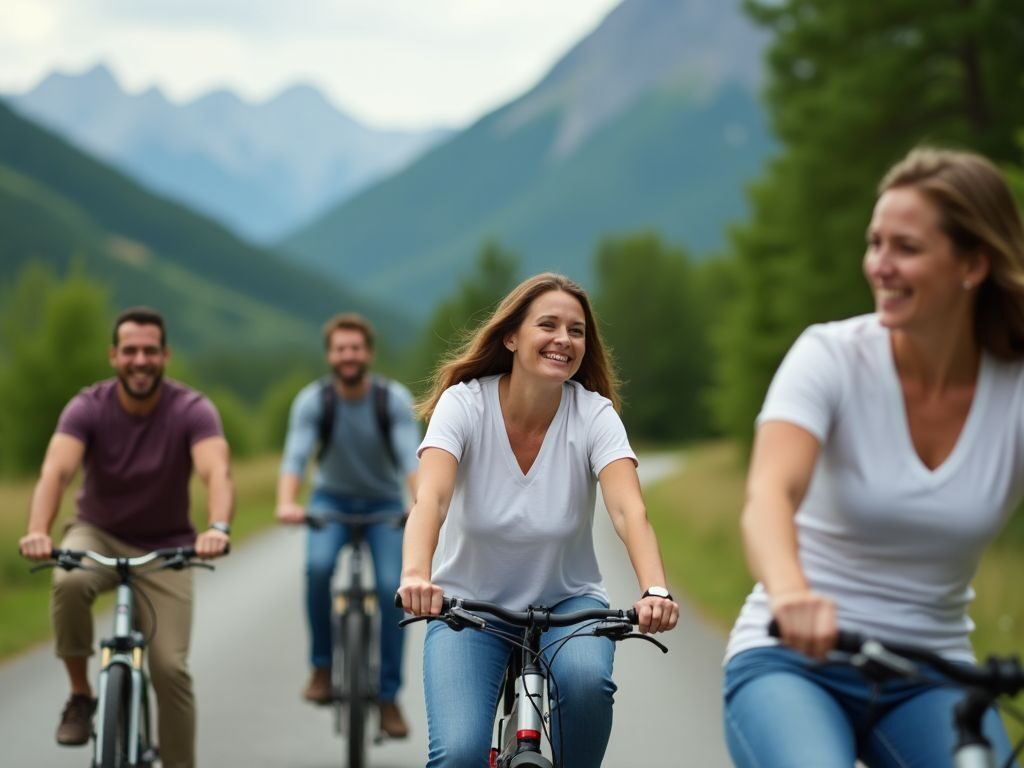
  • Social vs. Solo Benefits: Group rides provide social inclusion and community bonds, while solo rides offer space for relaxation and mental clarity.

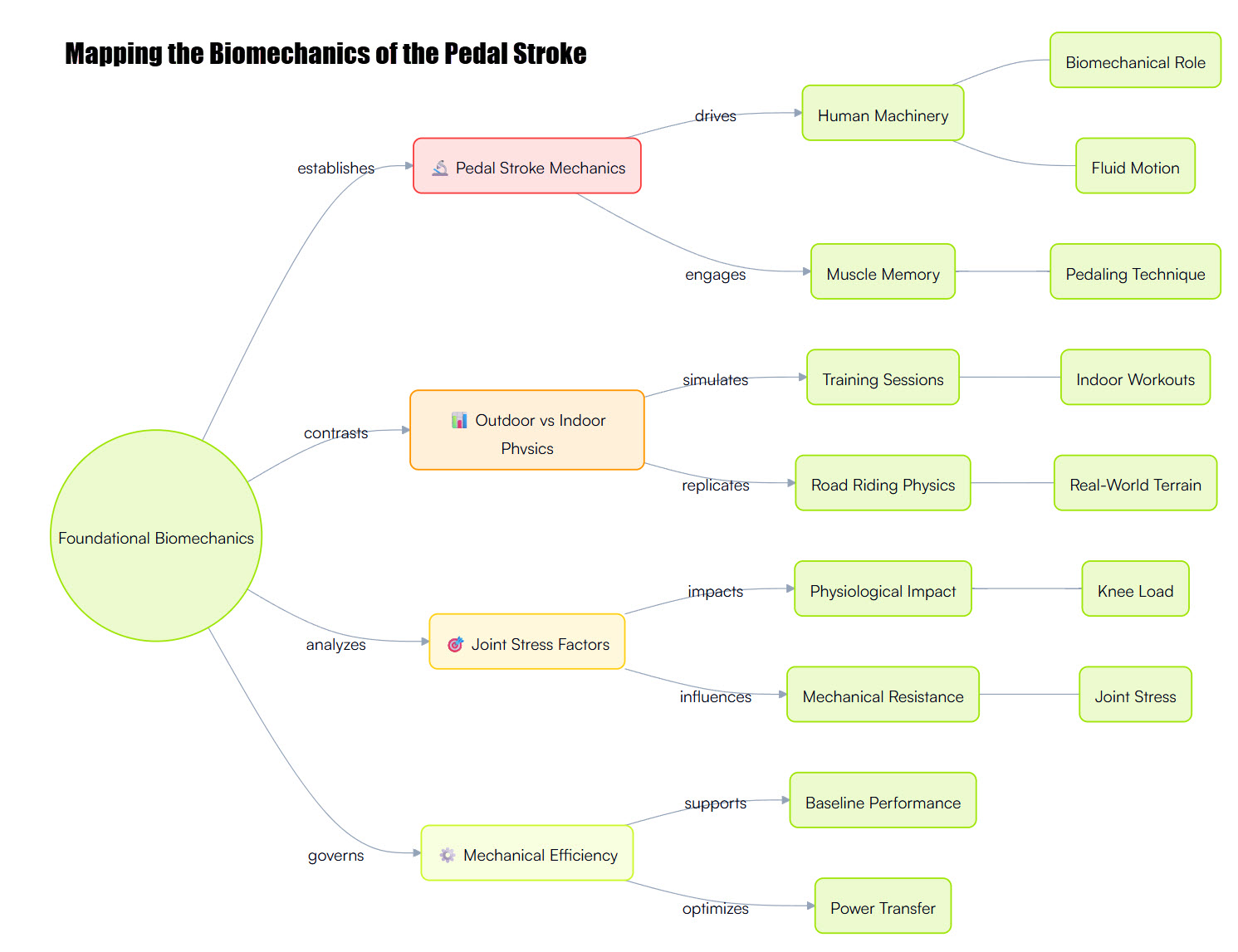
MIND MAP BIO MECHANICS

Training Methodologies and Performance Gains

Cycling and Fitness Structured Workout Frameworks 

For beginner cyclists, experts recommend a simplified “two-workout-per-week” strategy to achieve significant progress:
  1. HIIT (High-Intensity Interval Training): Short bursts of maximum effort (10–40 seconds) with long recovery periods (work-to-rest ratios of 1:3 to 1:9). This builds neuromuscular power and raises the “ceiling” of an athlete’s fitness.
  2. Endurance Rides: Long, comfortable rides at low intensity (Zone 1 or 2). These should be progressed by increasing duration by 8–10% per week.

Effective Interval Protocols

Research suggests specific durations for high-intensity intervals to maximize VO2 max and threshold power:
  • 4-Minute Intervals: Highly effective for VO2 max gains but mentally and physically taxing.
  • 8-Minute Intervals: Often yielded the highest gain for the “pain,” as they are slightly easier to pace and mentally manage than 4-minute bursts.
  • Tabata Style (30/30): Alternating 30 seconds of maximum effort with 30 seconds of rest.

Strategic Considerations

  • Weight Training: Cyclists should incorporate strength training (squats, lunges, core). In the off-season, lift before riding to prioritize strength; as peak season approaches, ride first to prioritize cycling quality.
  • Two-a-Day Sessions: While common in other sports, cycling research shows limited evidence that “two-a-days” provide superior performance gains over a single long ride, though they may improve mitochondrial efficiency and fat oxidation.
  • Nutrition: For low-intensity endurance rides, a “timed carb” approach—restricting carbohydrates until after the ride—can train the body to burn fat more efficiently.

Discipline-Specific Skills and Techniques

Road Cycling Mastery

  • Shifting Etiquette: Always shift into an easier gear while slowing down for a stop to ensure a smooth restart.
  • Drivetrain Health: Avoid “cross-chaining” (using the largest front cog with the largest rear cog, or smallest with smallest) to prevent excessive wear.
  • Cornering Safety: Keep the outside pedal down and weighted when turning to prevent pedal strikes and maintain grip.
  • Group Riding: Use hand signals to communicate hazards and maintain a steady, predictable speed.

Mountain Biking (MTB) Skills

  • Suspension Setup: Set “sag” (the amount the suspension compresses under rider weight) at approximately 30% for the rear and 20–25% for the front.
  • Vision: Look where you want to go (the trail), not where you don’t want to be (the tree).
  • Braking: Use one finger on the very end of the brake lever for maximum leverage.
  • Pumping: Generate speed from bumps and rollers in the trail rather than relying solely on pedaling.

Indoor Cycling Form

  • Postural Alignment: Keep head up, shoulders down away from the ears, and core engaged.
  • Pedal Stroke: Feet should remain flat, focusing on both the push down and the pull up to engage the quads and hamstrings.
  • Resistance: Always maintain enough resistance to prevent “bouncing” in the saddle, which protects the knees from injury.
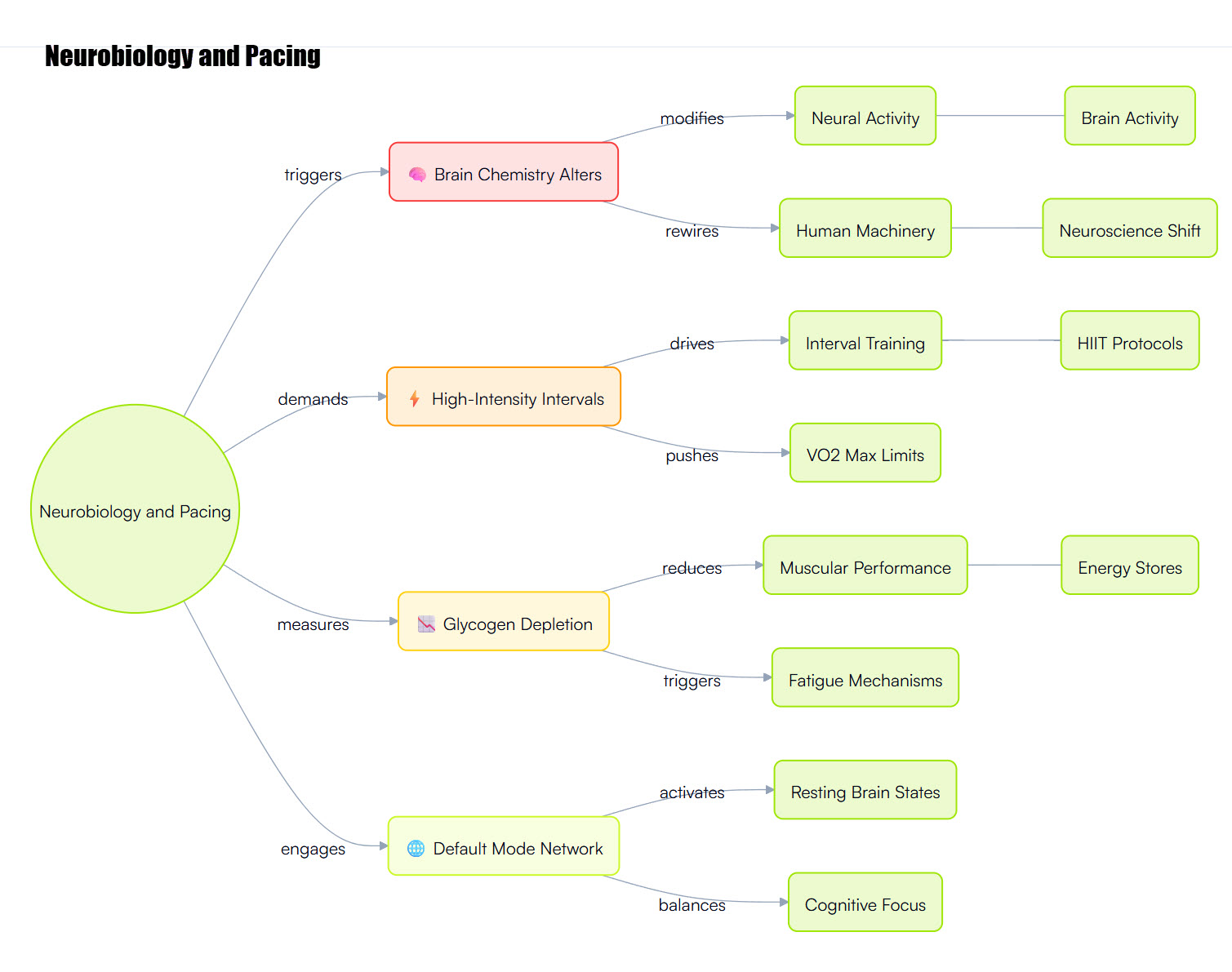
MIND MAP NEUROBIOLOGY

Maintenance, Gear, and Safety

Cycling and Fitness critical Safety Habits

  • Helmets: A properly fitted helmet is non-negotiable for reducing head injury risk.
  • Visibility: Use bright clothing, reflective gear, and active lighting, even during the day, to ensure motorists can see the cyclist.
  • Equipment: Padded shorts are recommended for comfort during long durations, and gloves protect hands from vibration and falls.

Essential Maintenance Tasks

Component
Maintenance Action
Tires
Check pressure before every ride; learn to change inner tubes or plug tubeless tires.
Chain
Keep clean and regularly lubricated to ensure smooth shifting and longevity.
Brakes
Inspect for wear and ensure levers are positioned for comfortable reach.
Bolts
Periodically check for tightness (and use Loctite where recommended).
Pedals
Note that the left-hand pedal has a reverse thread (twist right to loosen).

Bike Storage and Handling

When leaning a bike against a wall, use two points of contact (saddle and handlebars) to prevent rolling. If only one point is available, use the rear wheel and turn the handlebars inward for better stability.

Notable Quotes and Guidance

“Cycling was second only to team sports in its effectiveness in [combating poor mental health days].”

“Work on keeping that resistance and then the speed will come… building your legs up is so helpful  in cycling and fitness. The speed will come.”

“It’ll take at least 100,000 km before I get anywhere with my riding… understand that with every ride you’re going to improve in some way.”

“Don’t get discouraged with cycling and fitness, just keep going… even if you only make it through five minutes, that is more than you did the day before.”

Cycling and Fitness Life on 2 Wheels generated pin 37023
pinit fg en round red 32
Shopping Basket